
 EN
EN


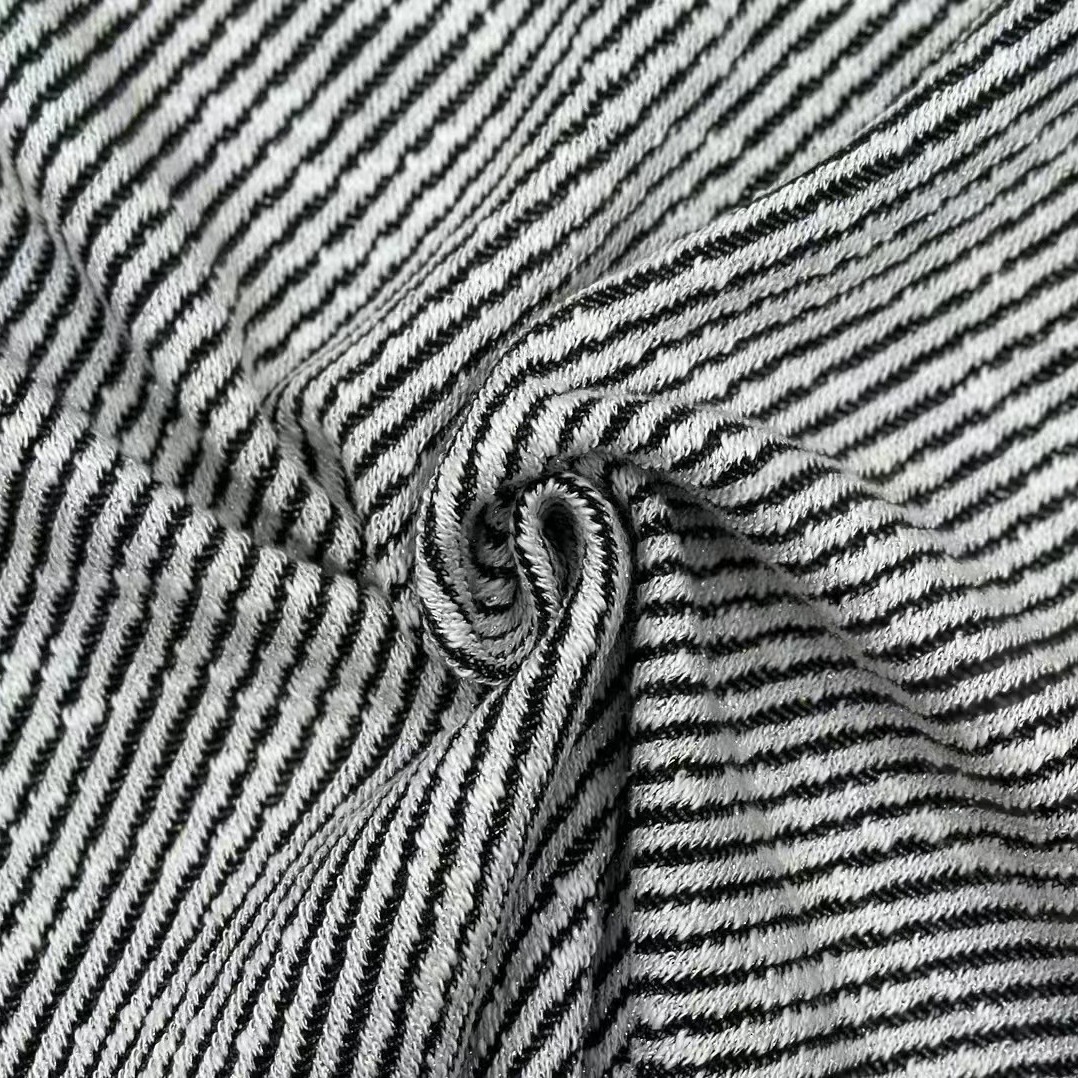
Jacquard fabric stands as the gold standard for high-end textured clothing designs, commanding premium prices and delivering exceptional visual impact across luxury fashion collections. The preference for jacquard fabric in luxury apparel stems from its sophisticated weaving technology, intricate pattern capabilities, and superior durability compared to conventional fabrics. Understanding why jacquard fabric has become synonymous with luxury requires examining its structural advantages, aesthetic possibilities, and the precise engineering behind every thread.
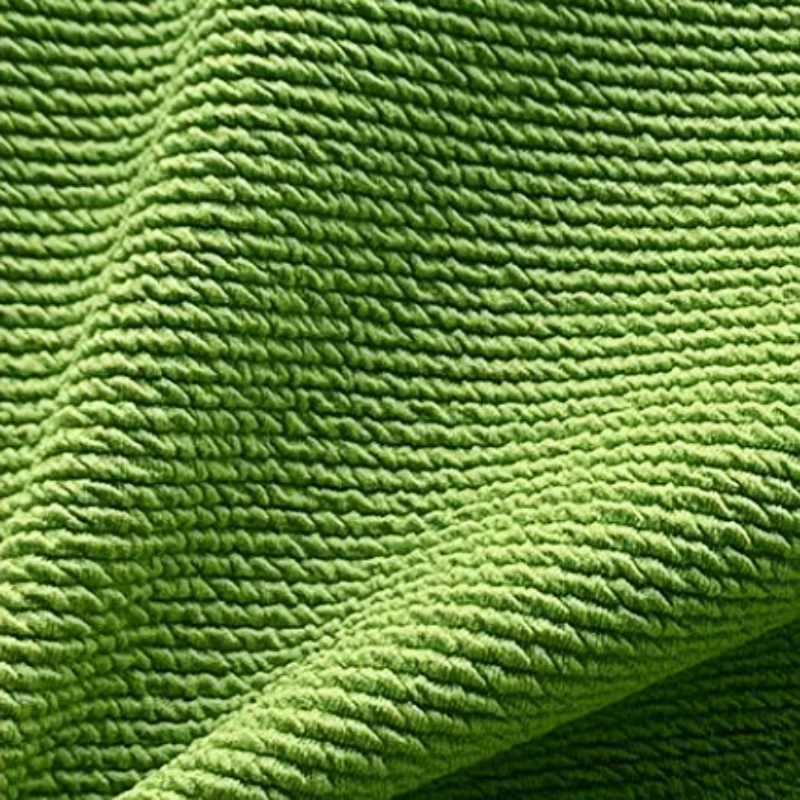
The dominance of jacquard fabric in high-end fashion reflects both technical innovation and consumer expectation. Luxury brands invest heavily in jacquard fabric production because it delivers visual complexity, texture depth, and structural integrity that mass-market alternatives simply cannot replicate. This article explores the multifaceted reasons why jacquard fabric has become the preferred choice for designers and manufacturers targeting the premium segment of the clothing market.
The Mechanical Sophistication Behind Jacquard Fabric
Advanced Loom Technology and Pattern Precision
Jacquard fabric production relies on specialized jacquard looms, which employ individual warp thread control to create patterns with unprecedented precision. Unlike traditional shuttle looms that produce uniform weaves, jacquard looms manipulate thousands of individual threads simultaneously, enabling each thread to be raised or lowered independently during the weaving process. This mechanical sophistication is the foundation that distinguishes jacquard fabric from standard fabrics and justifies its premium positioning in luxury clothing markets.
The complexity of producing jacquard fabric demands significant technical expertise, specialized machinery, and rigorous quality control protocols. Each pattern in jacquard fabric requires custom punch-card programming or digital data input, essentially treating the loom as a precision manufacturing tool rather than a simple weaving device. This level of customization means that jacquard fabric can accommodate virtually any design concept, from botanical motifs to geometric abstractions to branded insignia, making it invaluable for fashion houses seeking design differentiation.
Structural Integrity and Dimensional Stability
Jacquard fabric exhibits superior dimensional stability compared to simpler weave structures, a crucial advantage for high-end garments subjected to rigorous laundering and wear cycles. The interlocking nature of jacquard fabric's complex weave pattern creates a more cohesive structure, reducing shrinkage, distortion, and pilling that plague lower-quality alternatives. This structural advantage directly translates into garment longevity, helping luxury brands maintain brand reputation through products that retain their appearance and fit across multiple seasons of use.
The durability inherent in jacquard fabric makes it particularly suitable for evening wear, formal garments, and statement pieces that consumers expect to wear repeatedly and preserve for years. When a consumer invests in a jacquard fabric garment, they anticipate receiving a product that will maintain its textural definition, color vibrancy, and structural integrity through extended ownership periods. This expectation alignment between luxury consumers and jacquard fabric performance characteristics reinforces the material's premium market positioning.
Design Complexity and Aesthetic Versatility
Pattern Sophistication and Visual Impact
The aesthetic capabilities of jacquard fabric extend far beyond simple color combinations, enabling designers to create multi-layered visual compositions that command attention and convey luxury positioning. Jacquard fabric can incorporate intricate brocade effects, raised textures, metallic accents, and color gradations within a single piece, creating garments that photograph exceptionally well and translate luxury aspirations into tangible design expression. This visual sophistication is why luxury fashion photographers and editors consistently feature jacquard fabric garments as visual anchors in high-end editorial spreads and advertising campaigns.
The design flexibility of jacquard fabric allows fashion designers to implement creative visions that would be impossible on conventional looms, whether incorporating heritage motifs, artistic interpretations, or proprietary brand patterns. This capability transforms jacquard fabric from a mere material into a canvas for creative expression, justifying its use in collections where design innovation and artistic vision drive purchasing decisions. Luxury consumers purchasing jacquard fabric garments are essentially acquiring wearable art pieces, not simply functional clothing items.
Customization Opportunities for Brand Differentiation
High-end fashion houses leverage jacquard fabric's customization potential to create proprietary designs that become instantly recognizable brand signatures, building emotional connections with discerning consumers. Luxury labels can weave brand identities, seasonal themes, or exclusive patterns directly into jacquard fabric, creating designs that competitors cannot easily replicate and that justify premium price positioning in retail environments. This customization advantage positions jacquard fabric as a strategic asset in luxury brand management, supporting brand differentiation and consumer loyalty across product lines.
The investment required to develop custom jacquard fabric patterns creates natural barriers to competitive entry, allowing luxury brands to maintain pricing power and design exclusivity in crowded fashion markets. When a designer commissions a custom jacquard fabric pattern, they create an asset that becomes integral to seasonal collections, marketing campaigns, and brand identity development. This strategic application explains why leading luxury houses maintain sophisticated relationships with specialized jacquard fabric mills and invest significantly in pattern development and technical consultation.
Performance Characteristics and Consumer Value Perception
Tactile Quality and Luxury Sensory Experience
Jacquard fabric delivers a tactile luxury experience that consumers immediately recognize and associate with premium quality, engaging the sense of touch in ways that create powerful emotional responses to garments. The textured surface of jacquard fabric provides dimensional hand feel, inviting consumers to touch and examine the product, which retail research demonstrates substantially increases purchase likelihood and justifies elevated price points. This sensory dimension transforms jacquard fabric from a visual element into a multi-sensory brand experience, enhancing perceived value in luxury retail environments where consumers expect layered luxury indicators.
The weight and drape characteristics of jacquard fabric contribute to garment silhouettes that move elegantly and flatter the wearer, supporting the premium positioning that luxury fashion demands. Jacquard fabric naturally resists wrinkling due to its dense weave structure, maintaining pristine appearance through travel and extended wear, a practical advantage that luxury consumers highly value. This combination of sensory appeal and functional performance makes jacquard fabric particularly attractive for premium occasionwear and travel-focused luxury collections.
Price Justification and Market Positioning
The production complexity and technical sophistication of jacquard fabric naturally support premium pricing strategies, allowing luxury brands to achieve desired margin structures while consumers perceive exceptional value alignment. Consumers purchasing jacquard fabric garments understand that they are paying for engineering excellence, design sophistication, and production expertise that cannot be compressed into lower price points without sacrificing quality. This transparent value proposition strengthens consumer confidence in luxury pricing and creates psychological support for price maintenance across market cycles.
Luxury retailers strategically position jacquard fabric garments within their collections to establish price anchors and quality benchmarks that elevate perception of surrounding products. The premium positioning of jacquard fabric creates a halo effect throughout luxury collections, allowing retailers to justify category price levels and establish brand value standards that competitors struggle to match. This market positioning demonstrates how jacquard fabric serves both functional and strategic roles within luxury brand economics and consumer perception management.
FAQ
What distinguishes jacquard fabric from regular woven fabrics in clothing production?
Jacquard fabric differs fundamentally in its production methodology, using individually controlled warp threads to create intricate patterns with three-dimensional texture, whereas regular woven fabrics employ simple repetitive interlocking patterns. The jacquard weaving process enables virtually unlimited design possibilities, multi-color combinations, and raised texture effects that standard looms cannot produce. This technical distinction explains why jacquard fabric commands premium pricing and occupies the highest tier of luxury textile markets.
How does the durability of jacquard fabric compare to synthetic alternatives?
Jacquard fabric typically demonstrates superior durability compared to synthetic alternatives because its complex weave structure creates superior structural integrity, dimensional stability, and resistance to deformation during wear and laundering. While synthetic fabrics may offer certain performance characteristics like moisture-wicking or stretch recovery, jacquard fabric excels in maintaining visual definition, preventing pilling, and resisting shrinkage across extended product lifecycles. For luxury applications where consumers expect multi-year garment longevity, jacquard fabric outperforms most synthetic alternatives in key durability metrics.
Can smaller fashion brands access jacquard fabric for their collections?
Smaller fashion brands can access jacquard fabric through specialized mills that serve emerging designers, though minimum order quantities may be higher than for conventional fabrics, and custom pattern development requires significant investment. Many jacquard fabric suppliers now offer semi-custom solutions and smaller batch options that make the material accessible to independent designers and emerging luxury brands. This democratization of jacquard fabric access has enabled niche brands to leverage luxury positioning strategies previously available only to established fashion houses.