
 EN
EN


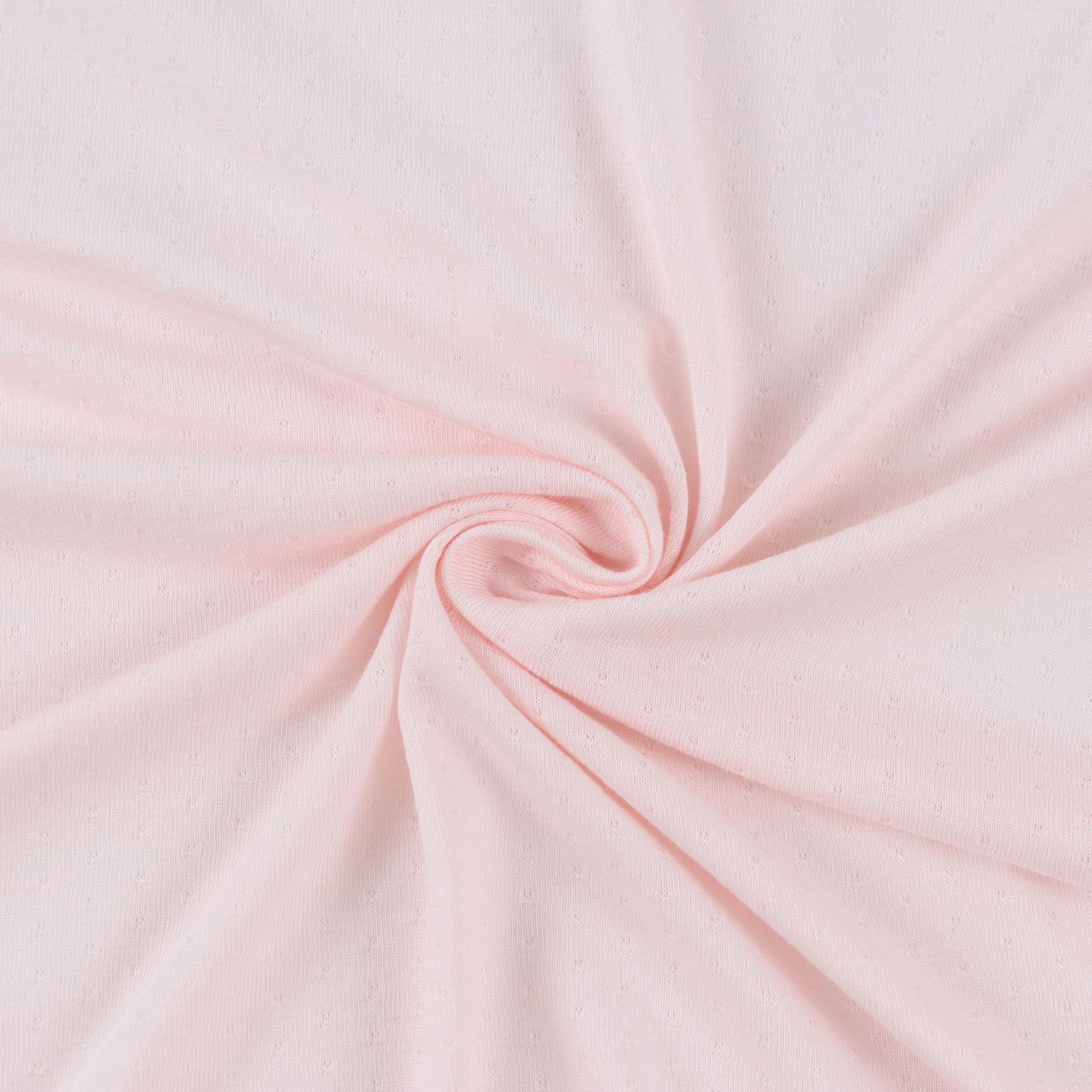
Finding the right bamboo fabric for sensitive skin products requires a strategic approach that balances quality, sustainability, and supplier reliability. In today's market, where consumers increasingly demand eco-conscious products, sourcing authentic bamboo fabric has become essential for manufacturers and brands targeting skin-sensitive demographics. The challenge lies not only in identifying suppliers who deliver genuine bamboo fabric but also in verifying that their production processes meet strict environmental and safety standards. This guide walks you through the practical steps to source superior bamboo fabric that meets your sensitive skin product requirements.
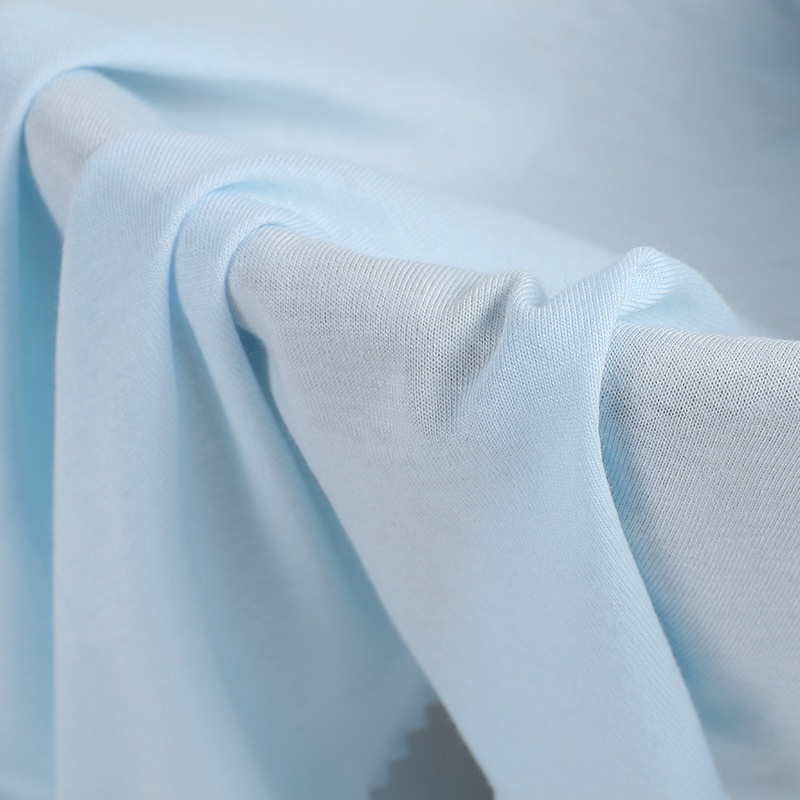
The demand for bamboo fabric continues to grow as formulators recognize its natural softness, moisture-wicking properties, and hypoallergenic characteristics. Unlike conventional synthetic materials, premium bamboo fabric offers inherent breathability and comfort that sensitive skin users prefer. Understanding the differences between viscose-based bamboo derivatives and newer lyocell production methods is crucial when evaluating potential suppliers of bamboo fabric. This knowledge directly influences your purchasing decisions and final product performance.
Understanding Quality Standards for Bamboo Fabric
Certifications and Environmental Compliance
When sourcing bamboo fabric, prioritizing certified suppliers protects both your brand reputation and customer safety. Leading certifications for sustainable bamboo fabric include FSC (Forest Stewardship Council), OEKO-TEX Standard 100, and GOTS (Global Organic Textile Standard). These certifications verify that your bamboo fabric supplier maintains chemical-free processing, responsible forestry practices, and worker welfare standards. OEKO-TEX certification specifically ensures that bamboo fabric contains no harmful substances, making it suitable for direct skin contact in sensitive skin applications. Request complete documentation when evaluating bamboo fabric from any supplier to confirm compliance across your supply chain.
Testing Specifications for Sensitive Skin Compatibility
Before finalizing any bamboo fabric purchase, conduct comprehensive testing to verify suitability for sensitive skin products. Essential tests for bamboo fabric include allergen screening, pH level analysis, tensile strength evaluation, and color fastness assessment. Suppliers providing quality bamboo fabric should offer test reports demonstrating hypoallergenic properties and freedom from harmful dyes. Request that your bamboo fabric supplier provide third-party lab results confirming that finished materials meet dermatological safety standards. This diligence prevents costly recalls and builds customer confidence in your bamboo fabric-based products.
Evaluating and Selecting Reliable Bamboo Fabric Suppliers
Supplier Assessment Criteria
Identifying trustworthy bamboo fabric suppliers requires systematic evaluation of their production capacity, technical expertise, and track record. Begin by requesting samples of their bamboo fabric in the specific weight, weave, and composition you require. Assess whether the supplier's bamboo fabric samples demonstrate consistent quality, appropriate texture for your application, and excellent feel against skin. Established bamboo fabric suppliers should provide detailed specifications including fiber composition, thread count, GSM (grams per square meter), and shrinkage rates. Interview potential suppliers about their bamboo fabric sourcing chain, production timelines, minimum order quantities, and pricing structure to ensure alignment with your business needs.
Supply Chain Transparency and Traceability
Leading bamboo fabric suppliers maintain transparency regarding raw material sourcing and production stages. Reliable bamboo fabric partners should document their bamboo pulp sources and explain whether their bamboo fabric uses virgin bamboo or recycled content. Ask suppliers to clarify their closed-loop production process for bamboo fabric manufacturing, which minimizes water pollution and chemical waste. Suppliers offering traceable bamboo fabric typically use blockchain or supply chain management systems to verify sustainability claims. This transparency in bamboo fabric sourcing protects your brand from greenwashing accusations and demonstrates genuine environmental commitment to consumers.
Negotiating Terms and Establishing Long-Term Partnerships
Pricing, MOQ, and Quality Agreements
Negotiating favorable terms with your bamboo fabric supplier requires understanding market pricing, production capacity, and quality requirements. Most bamboo fabric suppliers establish minimum order quantities ranging from 500 to 5000 meters, depending on fabric complexity and customization needs. Request that your bamboo fabric agreement include specific quality clauses, such as acceptable defect rates, shade variation tolerances, and shrinkage limits. Pricing for premium bamboo fabric varies based on certifications, production method, and order volume, so bulk purchases often yield significant savings. Establish clear payment terms and lead times with your bamboo fabric supplier to maintain predictable inventory management and reduce production delays.
Building Strategic Relationships
Long-term partnerships with bamboo fabric suppliers create mutual value through consistent ordering and shared development goals. Schedule regular communication with your bamboo fabric supplier to discuss product performance feedback, market trends, and potential innovations. Reliable bamboo fabric suppliers appreciate customer input and may collaborate on custom weaves or eco-friendly finishing treatments that differentiate your products. Visit supplier facilities when possible to observe bamboo fabric production firsthand and verify environmental claims directly. Investing in strong relationships with ethical bamboo fabric manufacturers builds competitive advantages through priority access to limited stock and early notification of new offerings.
FAQ
What makes bamboo fabric suitable for sensitive skin products?
Bamboo fabric naturally possesses hypoallergenic properties, breathability, and moisture-wicking capabilities that minimize skin irritation. The smooth surface of bamboo fabric reduces friction against delicate skin, while its inherent antimicrobial properties help prevent bacterial growth. Unlike synthetic alternatives, bamboo fabric allows skin to breathe freely, making it ideal for individuals with eczema, psoriasis, or general sensitivity. Additionally, quality bamboo fabric produced through certified eco-friendly methods ensures minimal chemical residues that could trigger allergic reactions.
How do I verify that suppliers' bamboo fabric meets sustainability claims?
Verify bamboo fabric sustainability by requesting third-party certifications such as FSC, GOTS, or OEKO-TEX from suppliers. Request detailed documentation about the bamboo fabric production process, including water usage, chemical recovery rates, and waste management practices. Conduct supplier audits or facility visits to observe bamboo fabric manufacturing directly and confirm that marketed practices align with actual operations. Ask suppliers to provide environmental impact reports specific to their bamboo fabric production, demonstrating commitment to verifiable sustainability metrics.
What are typical minimum order quantities for quality bamboo fabric?
Most reputable bamboo fabric suppliers establish minimum order quantities between 500 and 5000 meters, depending on fabric specifications and customization complexity. Simpler, standard bamboo fabric styles often have lower MOQs around 500 meters, while specialized weaves or custom dyes may require 2000 to 5000 meter minimums. Some bamboo fabric suppliers offer tiered pricing that decreases per-meter costs as order volume increases, incentivizing larger purchases. It's advisable to start with moderate bamboo fabric orders from new suppliers to test quality and reliability before committing to substantial volumes.