
 EN


Skin allergies affect millions of people worldwide, and the textiles we wear directly contact our skin for hours every day. When individuals with sensitive skin choose their clothing and bedding, the material composition becomes critical to their comfort and health. Organic cotton fabric has emerged as one of the most reliable options for people prone to allergic reactions, as it eliminates the chemical irritants found in conventional cotton textiles.
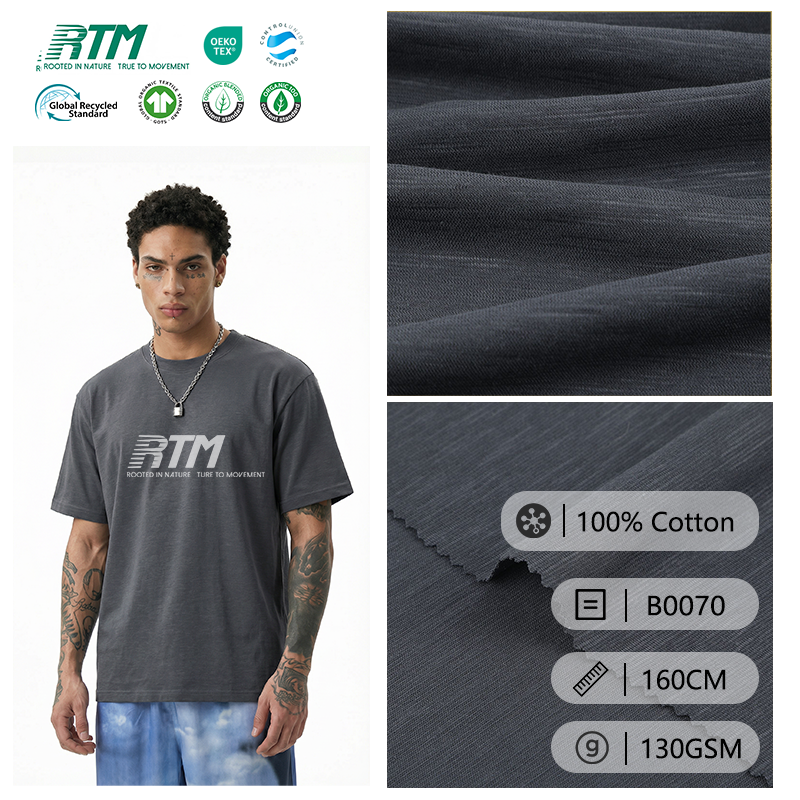
The fundamental reason organic cotton fabric outperforms conventional cotton lies in its production process. While standard cotton undergoes intensive chemical treatment with synthetic pesticides, herbicides, and dyes, organic cotton fabric is cultivated and processed using natural, biodegradable methods. This distinction makes organic cotton fabric substantially safer for individuals with sensitive skin conditions, eczema, dermatitis, and other allergic responses to synthetic compounds.
Chemical-Free Production and Its Impact on Skin Safety
How Conventional Cotton Triggers Allergic Reactions
Conventional cotton production relies heavily on chemical interventions that leave residual traces in the final fabric. During cultivation, cotton crops are treated with synthetic pesticides designed to eliminate insects and pests. These chemicals persist through harvesting, processing, and manufacturing stages. When conventional cotton is converted into fabric, additional synthetic dyes, finishing agents, bleaches, and formaldehyde-based treatments are applied to enhance durability, color vibrancy, and wrinkle resistance. These chemical residues remain embedded in the fabric fibers and transfer directly onto skin during wear.
For individuals with allergic tendencies, these chemical residues trigger inflammatory responses. Common reactions include itching, redness, rash development, and worsening of existing eczema patches. The problem intensifies when fabrics are worn continuously, as prolonged skin exposure amplifies irritation. This is why people with documented fabric allergies often experience flare-ups during high-humidity seasons when they perspire more, since moisture activates chemical compounds embedded in conventional textiles.
Why Organic Cotton Fabric Eliminates These Triggers
Organic cotton fabric production explicitly prohibits synthetic pesticides, herbicides, and artificial chemicals throughout the entire supply chain. Organic standards mandate that growers use natural pest management strategies, crop rotation, and biodegradable treatments only. This approach means organic cotton fabric is cultivated in soil free from synthetic chemical accumulation, resulting in cleaner fibers from the outset. When organic cotton fabric undergoes processing, manufacturers utilize natural dyes derived from plant materials, vegetable-based finishes, and mechanical finishing techniques instead of harsh synthetics.
The absence of chemical residues in organic cotton fabric fundamentally changes how the material interacts with sensitive skin. Because organic cotton fabric contains no synthetic irritants, it does not trigger the inflammatory cascade that causes allergic responses. People who experience reactions to conventional cotton fabrics often report dramatic improvements within days of switching to organic cotton fabric, with reduced itching, faster healing of irritated skin, and overall comfort restoration.
Dermatological Benefits and Medical Evidence
Reduced Irritation for Sensitive Skin Conditions
Dermatologists increasingly recommend organic cotton fabric for patients with compromised skin barriers, including those with eczema, psoriasis, atopic dermatitis, and contact dermatitis. The reason is straightforward: organic cotton fabric eliminates the primary irritant source that perpetuates skin inflammation cycles. Individuals with eczema frequently report that their condition worsens when wearing conventional fabrics because synthetic chemicals interfere with the skin barrier's natural protective function. Organic cotton fabric, by contrast, allows the skin barrier to stabilize because it does not introduce foreign chemical stressors.
Additionally, organic cotton fabric naturally possesses higher breathability compared to conventional cotton treated with synthetic finishing agents. This enhanced breathability reduces moisture accumulation and bacterial growth on skin, further preventing secondary infections and irritation that often complicate existing allergic conditions. The hygroscopic nature of organic cotton fabric means it absorbs perspiration efficiently without trapping heat or humidity against the skin surface, creating an optimal microclimate for allergic-prone individuals.
Long-Term Skin Health Advantages
Choosing organic cotton fabric provides cumulative benefits beyond immediate symptom relief. Chronic exposure to synthetic chemicals in conventional fabrics gradually sensitizes skin and can develop new allergies over time. By switching to organic cotton fabric, individuals prevent this sensitization cascade and allow their skin immune system to normalize. Over months and years, people who consistently wear organic cotton fabric often notice improved overall skin resilience and reduced susceptibility to new allergic triggers.
Furthermore, organic cotton fabric does not compromise the skin barrier's natural microbiome. Conventional fabrics' chemical treatments disrupt beneficial skin bacteria that protect against pathogenic organisms. Organic cotton fabric preserves this protective bacterial ecosystem, strengthening natural immune defenses. This ecological advantage explains why individuals with sensitive skin experience faster recovery from flare-ups and reduced infection rates when they transition to organic cotton fabric.
Practical Considerations for Allergy Sufferers
Choosing Quality Organic Cotton Fabric
Not all organic cotton fabric marketed as 'organic' delivers equal safety benefits. Third-party certification from recognized standards bodies such as GOTS (Global Organic Textile Standard) or OEKO-TEX ensures that organic cotton fabric meets rigorous chemical-free requirements throughout production. When selecting organic cotton fabric products, individuals with skin allergies should prioritize certified options to guarantee the absence of synthetic residues. Certified organic cotton fabric typically costs more than conventional alternatives, but for allergy sufferers, the investment translates directly into measurable health improvements and reduced medical expenses related to skin condition management.
The weight and weave of organic cotton fabric also influence suitability for sensitive skin. Lighter weights and looser weaves in organic cotton fabric enhance breathability, making them ideal for individuals prone to sweat-induced irritation. Denser weaves of organic cotton fabric work better for cooler climates or those preferring more structured garments. Personal experimentation with different organic cotton fabric weights helps identify the optimal choice for individual skin responses.
Integration into Daily Life
People managing skin allergies benefit most from surrounding themselves with organic cotton fabric across multiple touchpoints: clothing, bedding, pillowcases, towels, and undergarments. Since skin spends eight hours nightly in contact with bedding, switching to organic cotton fabric sheets and pillowcases often produces dramatic improvements in sleep quality and morning skin condition. Many individuals notice reduced night-time itching and wake with clearer skin when using certified organic cotton fabric bedding compared to conventional alternatives.
For those with severe allergies, washing new organic cotton fabric items before first wear further reduces any potential irritant residues introduced during storage or transport. Using mild, fragrance-free detergents designed for sensitive skin preserves the purity advantages that organic cotton fabric provides. This simple maintenance practice ensures that organic cotton fabric continues delivering allergy-protective benefits throughout its lifespan.
FAQ
Can organic cotton fabric completely eliminate allergic reactions?
While organic cotton fabric removes chemical irritants that trigger many textile-related allergies, individuals with severe fiber allergies or other underlying conditions may still experience some sensitivity. However, organic cotton fabric eliminates the most common source of fabric-related reactions—synthetic chemicals—allowing the body's immune response to normalize. Most people with documented cotton allergies find that switching to certified organic cotton fabric resolves their symptoms entirely, though individual responses vary based on the underlying cause of their allergy.
How does organic cotton fabric compare to synthetic alternatives for allergies?
Organic cotton fabric is superior to most synthetic textiles for allergy sufferers because natural fibers inherently support skin health while synthetics introduce petrochemical-derived compounds. Polyester, acrylic, and nylon fabrics often cause more severe reactions than even conventional cotton because they do not breathe effectively and trap heat and moisture against skin. Organic cotton fabric combines natural fiber benefits with chemical-free production, making it the optimal choice for sensitive skin management compared to synthetic options.
Is organic cotton fabric worth the higher cost for people with mild allergies?
For individuals experiencing even mild allergic symptoms, investing in organic cotton fabric often proves cost-effective when considering reduced medical expenses, skincare treatments, and quality-of-life improvements. Chronic skin irritation requires ongoing dermatological intervention, prescription treatments, and topical applications that collectively exceed organic cotton fabric premiums. Additionally, the psychological benefit of comfort and reduced itching enhances daily functioning and sleep quality, making organic cotton fabric a worthwhile investment for long-term allergy management and overall wellness.