
 EN



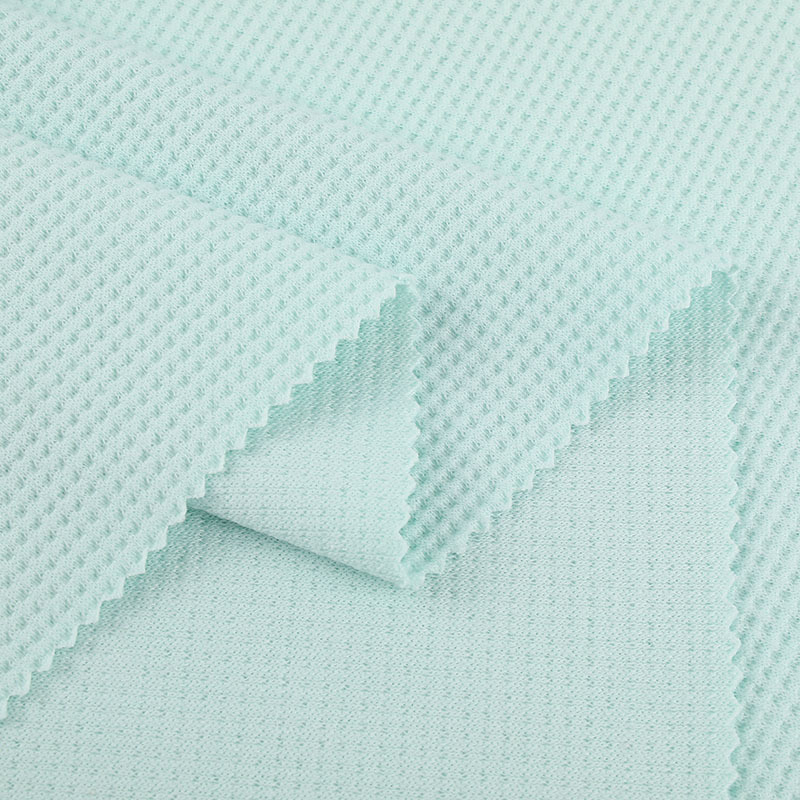
Wool fabric has been a cornerstone of textile production for centuries, valued for its natural warmth, breathability, and durability. However, modern manufacturers have discovered that combining wool fabric with synthetic fibers creates blends that offer superior performance characteristics compared to pure wool alone. These wool fabric blends deliver enhanced strength, improved wear resistance, easier care, and cost efficiency without sacrificing the comfort and thermal properties that make wool fabric so desirable across industries.

When wool fabric is blended with polyester, nylon, or acrylic fibers, the resulting material inherits the best qualities of both components. Manufacturers recognize that wool fabric blends provide an optimal balance between natural fiber benefits and synthetic performance advantages, making them ideal for applications ranging from outdoor sportswear to industrial protective garments. Understanding the specific benefits of blending wool fabric with synthetic fibers helps textile professionals, apparel designers, and procurement teams make informed decisions about material selection for their products.
Enhanced Durability and Wear Resistance
Strength Improvement Through Synthetic Integration
Pure wool fabric, while naturally strong, can experience fiber breakdown and pilling under intensive mechanical stress. When wool fabric is combined with synthetic fibers like polyester or nylon, the blend gains significantly increased tensile strength and abrasion resistance. Synthetic fibers distribute stress more evenly across the yarn structure, reducing the likelihood of fiber breakage during manufacturing, washing, and wear. This enhancement means that wool fabric blends can withstand rigorous use in demanding environments such as outdoor sports applications, military garments, and industrial workwear without compromising fabric integrity or appearance.
Extended Product Lifespan
Wool fabric blends demonstrate measurably longer service life compared to pure wool alternatives. The synthetic component reinforces wool fabric fibers, reducing the rate of wear and degradation during repeated use and laundering. Products made from wool fabric blends maintain their shape, color, and texture through significantly more washing cycles, ultimately reducing replacement frequency and total cost of ownership for end-users. This durability advantage makes wool fabric blends particularly attractive for institutional procurement, including hospitality, healthcare, and military applications where garment longevity directly impacts operational budgets and performance standards.
Superior Performance and Functional Benefits
Moisture Management and Quick-Drying Properties
Wool fabric naturally absorbs moisture while maintaining insulating properties, but pure wool dries slowly due to its fiber structure. Blending wool fabric with synthetic fibers dramatically improves moisture-wicking and drying speed without eliminating wool fabric's core thermal benefits. Synthetic fibers like polyester have inherently hydrophobic properties, creating a blend that rapidly transports moisture away from the skin while wool fabric provides warmth and comfort. This combination makes wool fabric blends exceptionally suitable for active sportswear, cycling apparel, and outdoor garments where moisture management directly impacts wearer performance and comfort during physical activity or adverse weather conditions.
Thermal Performance and Comfort Consistency
Wool fabric is prized for temperature regulation, but this property can be unpredictable in high-performance environments. Synthetic fibers in wool fabric blends provide structural consistency that stabilizes thermal performance across varying conditions. The wool fabric component retains its natural insulating ability while synthetic fibers ensure even heat distribution and prevent cold spots that might occur in pure wool garments. Athletes, outdoor enthusiasts, and workers in variable temperature environments benefit from wool fabric blends that deliver consistent warmth without excessive bulk, making these materials ideal for layering systems and transitional season apparel.
Cost Efficiency and Manufacturing Advantages
Reduced Material Costs Without Quality Compromise
Wool fabric represents a significant material investment, making pure wool unsuitable for price-sensitive markets. Strategic blending of wool fabric with cost-effective synthetic fibers reduces overall material expenses while maintaining quality standards and performance characteristics. A 70% wool fabric and 30% polyester blend, for example, delivers substantially better value than pure wool while outperforming pure synthetics in key comfort and durability metrics. Manufacturers and brands can develop premium products at competitive price points, expanding market reach and improving profit margins without sacrificing the wool fabric benefits that justify premium positioning in the market.
Improved Processing and Production Efficiency
Wool fabric requires specialized processing to prevent shrinkage, felting, and fiber damage during manufacturing. Synthetic fibers in wool fabric blends provide structural stability that reduces the need for intensive chemical treatment, lowering processing costs and environmental impact. The blend requires simpler dyeing procedures, reduced steam consumption, and fewer specialized finishing steps compared to pure wool fabric production. Additionally, wool fabric blends can be processed on standard industrial equipment alongside conventional synthetic yarns, eliminating the need for dedicated specialized machinery and enabling manufacturers to optimize production scheduling and capacity utilization more effectively.
Practical Applications and Industry Use Cases
Outdoor Sports and Active Wear
The outdoor apparel industry has embraced wool fabric blends as the ideal choice for high-performance garments. Cycling jerseys, running tights, and hiking shirts made from wool fabric blends provide moisture-wicking, temperature regulation, and odor resistance that pure synthetics cannot match, combined with the durability and quick-drying properties that pure wool cannot deliver. Professional athletes and serious outdoor enthusiasts specifically seek wool fabric blend products because these materials perform reliably across unpredictable weather conditions and demanding physical activity levels. Commercial brands leading the outdoor market have standardized wool fabric blends as their primary performance material, recognizing that this combination delivers measurable competitive advantages for end-users.
Professional and Industrial Applications
Corporate uniforms, medical scrubs, and industrial protective garments benefit significantly from wool fabric blend technology. These applications demand materials that maintain appearance through frequent washing, provide comfort for all-day wear, and perform reliably in demanding environments. Wool fabric blends meet all these requirements while offering superior cost-efficiency compared to premium pure fibers. Hotels, restaurants, hospitals, and manufacturing facilities increasingly specify wool fabric blends for employee uniforms because the blended material reduces replacement costs, improves employee satisfaction through better comfort, and maintains professional appearance standards longer than alternative materials.
Environmental and Care Considerations
Reduced Chemical Processing and Environmental Impact
Producing pure wool fabric requires intensive chemical processing and high water consumption to prevent fiber damage. Wool fabric blends require significantly lower chemical loads and water usage during manufacturing because synthetic fibers provide structural integrity that reduces the need for protective treatments. This environmental advantage appeals to sustainability-conscious brands and manufacturers seeking to reduce their ecological footprint without compromising product quality. Additionally, wool fabric blends that require less intensive processing often result in lower carbon emissions throughout the production cycle, aligning with corporate sustainability goals and consumer preferences for environmentally responsible products.
Simplified Care and Home Maintenance
Pure wool fabric requires careful hand washing or specialized dry cleaning to prevent damage and shrinkage. Wool fabric blends tolerate machine washing and standard home care procedures more reliably because synthetic fibers resist shrinkage and fiber damage. End-users can launder wool fabric blend garments using conventional methods and detergents without specialized care, improving product convenience and long-term satisfaction. This simplified care requirement makes wool fabric blends attractive to manufacturers targeting mass-market consumers who value practical, low-maintenance products that perform reliably without demanding specialized treatment or professional cleaning services.
FAQ
How much synthetic fiber should be blended with wool fabric for optimal performance?
The ideal blend ratio depends on the intended application. Common wool fabric blends range from 30% synthetic and 70% wool fabric for luxury applications where wool fabric properties are prioritized, to 50/50 blends for active wear where balanced performance matters most. Sports-focused wool fabric blends often use 70% wool fabric with 30% polyester or nylon to maximize durability and moisture management while preserving wool fabric comfort characteristics. Manufacturers should test different ratios of wool fabric and synthetic combinations to determine the optimal balance for their specific product requirements and target market expectations.
Does blending wool fabric with synthetics affect the natural odor-resistance of wool?
Yes, wool fabric retains its natural antimicrobial and odor-resistant properties in blended formulations. The wool fabric component of the blend continues to inhibit bacterial growth and neutralize odors through its naturally acidic pH and protein structure. Synthetic fibers added to wool fabric blends are odor-neutral and do not interfere with these inherent wool fabric benefits. Users of wool fabric blend garments, particularly in active wear and sportswear applications, report that these materials maintain freshness longer between washings compared to pure synthetic alternatives, making wool fabric blends preferred for situations where reduced laundering frequency is advantageous.
Are wool fabric blends suitable for sensitive skin?
Wool fabric blends can be excellent for sensitive skin when quality fibers and appropriate construction methods are used. The synthetic component in wool fabric blends does not inherently irritate skin; however, the overall softness and comfort depend on fiber fineness and yarn construction. Premium wool fabric blends using fine merino wool combined with gentle synthetic fibers provide excellent softness and reduced itching compared to coarser pure wool fabrics. Individuals with sensitive skin should evaluate specific wool fabric blend products for fiber fineness, yarn construction quality, and manufacturing processes rather than avoiding blended materials entirely, as properly engineered wool fabric blends often outperform both pure wool and pure synthetic alternatives for comfort-sensitive applications.