
 EN



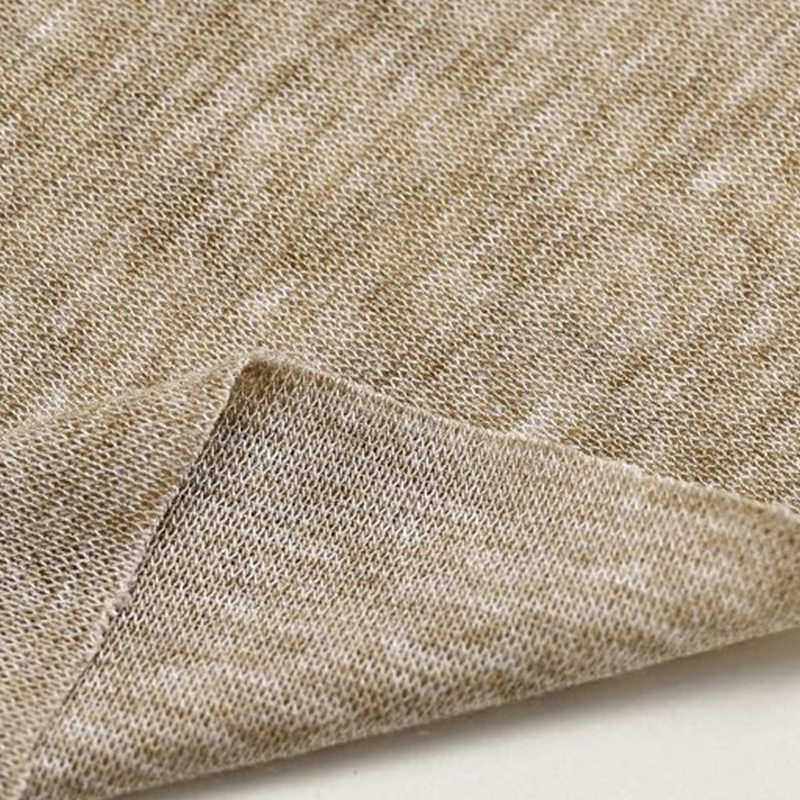
French terry has become the defining fabric choice for luxury leisurewear collections worldwide, and understanding why reveals much about modern premium apparel design. When high-end brands select materials for their collections, french terry consistently emerges as the top choice because it delivers the exact combination of comfort, visual sophistication, and performance that affluent consumers demand. Unlike standard fleece or basic knit fabrics, french terry fabric offers a refined aesthetic paired with exceptional functionality, making it the foundation of contemporary luxury casual wear.

The rise of french terry in premium markets reflects a broader shift toward quality leisure clothing that performs as well as it looks. Brands that position themselves in the luxury segment recognize that french terry fabric delivers textural depth, durability, and a distinctive visual character that separates premium offerings from mass-market alternatives. This fabric has transcended casual wear to become a signature element in designer collections, athleisure lines, and elevated loungewear brands that command premium pricing and consumer loyalty.
The Structural Excellence of French Terry Fabric
Why Construction Quality Defines Premium Perception
French terry distinguishes itself through its specific knit construction, where loops remain uncut on one side while the reverse features a smooth, dense pile. This unique structure creates the tactile luxury that defines high-end leisurewear. When luxury brands choose french terry, they gain an immediately recognizable texture that communicates quality and attention to detail. The fabric's construction allows it to maintain its shape through repeated wear and washing, which aligns perfectly with the durability expectations of luxury consumers who expect their investments to last for years.
Performance Characteristics That Justify Premium Pricing
The technical specifications of french terry fabric directly influence why luxury collections command higher price points. French terry offers superior breathability compared to standard fleece, allowing air circulation that prevents overheating during extended wear. The fabric absorbs moisture efficiently while maintaining a dry feel against the skin, making it ideal for both active lounging and sophisticated casual settings. Weight variations in french terry—from lighter 280-gsm versions to heavier 330-gsm constructions—enable designers to create pieces suitable for different seasons and occasions, all under the umbrella of premium positioning. This versatility makes french terry a strategic choice for brands developing comprehensive luxury leisurewear collections.
Aesthetic Appeal and Market Positioning
Visual Sophistication Through Tactile Design
French terry fabric presents a distinctly refined appearance that elevates casual silhouettes into luxury statements. The visible texture of french terry creates visual interest without requiring excessive pattern or embellishment, allowing designers to focus on clean lines and premium cuts. This minimalist aesthetic aligns with contemporary luxury philosophy, where understated elegance and material quality signal prestige more effectively than obvious branding. High-end leisurewear collections featuring french terry benefit from this inherent sophistication, as the fabric itself communicates exclusivity and intentional design choices.
Consumer Psychology and Premium Brand Building
Affluent consumers purchasing luxury leisurewear seek tangible proof of quality, and french terry delivers exactly that through its tactile experience. When a customer touches a french terry garment, they immediately perceive the difference between premium construction and basic alternatives. This sensory advantage translates into brand loyalty and justifies premium pricing in the luxury market segment. Brands building high-end leisurewear collections strategically leverage french terry because the fabric itself becomes part of the value proposition, allowing retailers to educate customers about material benefits and support positioning against mass-market competitors.
Practical Applications Across Luxury Segments
Versatility Across Premium Casual Categories
French terry fabric serves luxury brands across multiple product categories, from premium hoodies and sweatshirts to elevated loungewear and athletic-casual hybrids. Designers working with french terry can create garments suitable for high-fashion runways, luxury retail environments, and lifestyle collections serving affluent consumers. The fabric's neutral aesthetic accommodates both neutral color palettes and deeper, more luxurious tones that resonate with premium market positioning. This categorical flexibility explains why french terry has become essential for luxury leisurewear collections seeking to develop comprehensive offerings without sacrificing quality or coherent brand positioning.
Durability and Long-Term Value Propositions
Luxury consumers increasingly prioritize longevity and sustainable consumption, qualities that french terry inherently supports. The fabric resists pilling better than many alternatives, maintains color vibrancy through multiple wash cycles, and develops a desirable soft patina rather than deteriorating with age. These durability characteristics allow premium brands to justify higher price points through lifecycle value, where customers recognize that their investment delivers years of reliable performance. French terry's proven resilience makes it an economically sound choice for luxury leisurewear collections targeting environmentally conscious consumers who value quality over fast consumption.
FAQ
What makes french terry different from standard fleece?
French terry and standard fleece both offer comfort, but french terry features an uncut loop structure on one side and a smooth pile on the reverse, creating a more refined aesthetic and superior breathability. Standard fleece is typically brushed uniformly on both sides and tends to pill more easily. French terry maintains its structured appearance longer and delivers a more sophisticated visual effect, which explains its dominance in luxury leisurewear collections where aesthetic refinement matters significantly.
Can french terry be used year-round in premium collections?
Yes, french terry's versatility across different weights makes it suitable for year-round luxury leisurewear applications. Lighter french terry constructions work well for spring and fall transitions, while heavier 330-gsm versions provide warmth for winter collections. This adaptability allows luxury brands to build cohesive capsule collections featuring french terry pieces across seasons, maintaining brand consistency and leveraging the fabric's inherent quality advantages throughout the year.
How does french terry support sustainable luxury positioning?
French terry's durability and resistance to degradation support sustainability-focused positioning within luxury leisurewear markets. The fabric maintains quality through extended wear cycles, reducing the need for premature replacement and supporting conscious consumption values. Brands using french terry can communicate longevity as a sustainability advantage, appealing to affluent consumers who prioritize environmental responsibility and view quality investment pieces as more sustainable than frequent fast-fashion purchases.