
 EN
EN



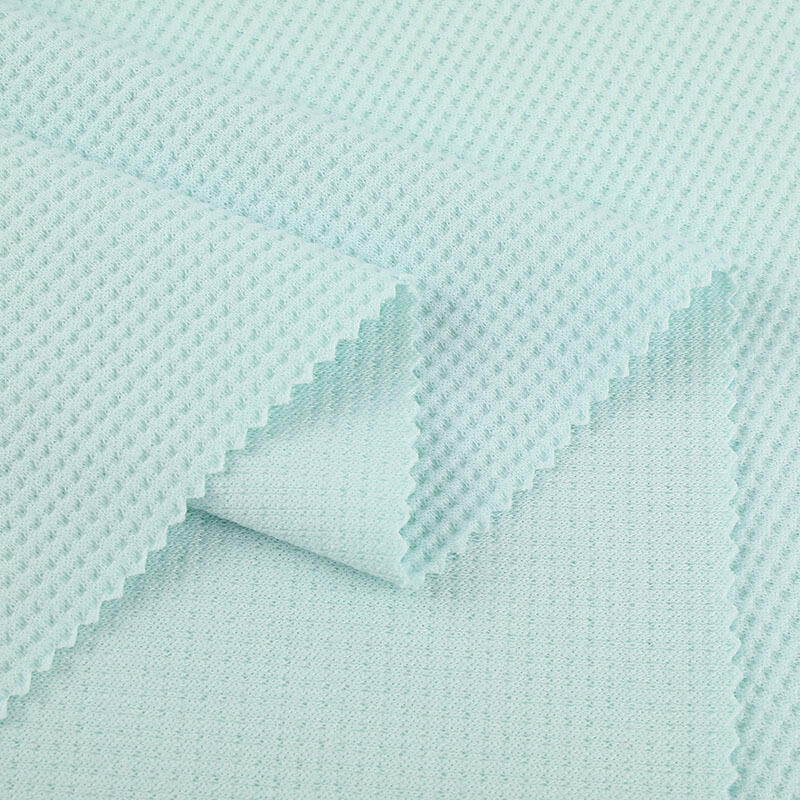
When selecting industrial mesh fabric for manufacturing applications, understanding the critical technical specifications becomes essential for ensuring optimal performance and durability. Industrial mesh fabric serves as a fundamental component in countless applications, from filtration systems to protective equipment, requiring precise attention to material properties that directly impact functionality. The technical specifications of industrial mesh fabric determine its suitability for specific operational environments, load requirements, and performance expectations.
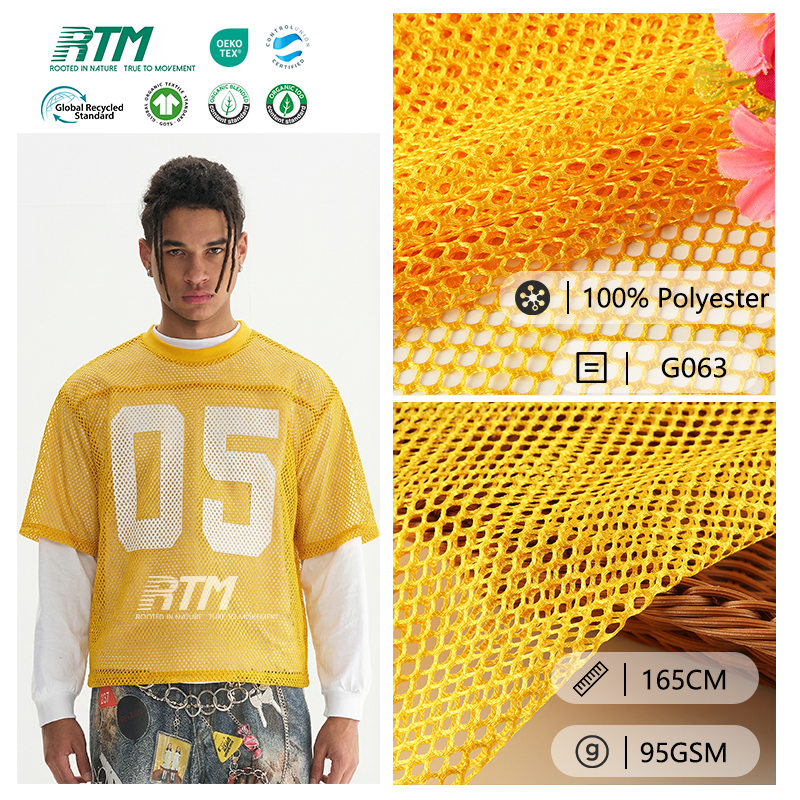
Professional procurement teams must evaluate multiple technical parameters when sourcing industrial mesh fabric to guarantee compatibility with their intended applications. These specifications encompass material composition, structural characteristics, performance metrics, and environmental resistance factors. Each technical aspect contributes to the overall effectiveness of the industrial mesh fabric in demanding industrial environments where precision and reliability cannot be compromised.
Material Composition and Fiber Properties
Base Material Selection Criteria
The foundational material of industrial mesh fabric determines its fundamental performance characteristics and application suitability. Polyester-based industrial mesh fabric offers excellent chemical resistance and dimensional stability, making it ideal for environments where exposure to various chemicals and temperature fluctuations occurs regularly. Natural fibers like cotton provide superior comfort and breathability but may lack the durability required for heavy-duty industrial applications.
Synthetic materials such as polypropylene and nylon enhance the industrial mesh fabric's resistance to abrasion and UV degradation. These materials maintain structural integrity under continuous mechanical stress while providing consistent performance across varying environmental conditions. The choice of base material directly influences the fabric's tensile strength, elongation properties, and long-term durability in industrial settings.
Fiber composition specifications should clearly indicate the percentage of each material component within the industrial mesh fabric structure. This information allows engineers to predict performance characteristics and determine compatibility with specific chemical exposures or temperature ranges. Understanding the molecular structure of synthetic fibers helps predict how the industrial mesh fabric will respond to various industrial processes and environmental stressors.
Fabric Weight and Density Specifications
Fabric weight, typically measured in grams per square meter (GSM), serves as a crucial indicator of industrial mesh fabric durability and application suitability. Lightweight options around 95 GSM provide excellent breathability and flexibility while maintaining adequate structural integrity for moderate-duty applications. Heavier variants exceeding 200 GSM offer enhanced durability and load-bearing capacity for demanding industrial environments.
Density specifications relate directly to the open area percentage and thread spacing within the industrial mesh fabric structure. Higher density configurations provide greater filtration efficiency and smaller particle retention capabilities, while lower density options maximize airflow and drainage characteristics. The relationship between weight and density determines the industrial mesh fabric's performance balance between strength and permeability.
Consistent weight distribution across the entire fabric surface ensures uniform performance characteristics and prevents weak points that could compromise the industrial mesh fabric's integrity during operation. Manufacturers should provide detailed weight tolerance specifications to guarantee consistent quality across production batches and enable accurate performance predictions in specific applications.
Structural Engineering Parameters
Weave Pattern and Construction Methods
The weave pattern fundamentally determines how threads interact within the industrial mesh fabric structure, affecting both mechanical properties and performance characteristics. Plain weave constructions offer balanced strength in both warp and weft directions, making them suitable for applications requiring uniform load distribution. Twill weave patterns provide enhanced drape and flexibility while maintaining structural integrity under dynamic loading conditions.
Knit constructions in industrial mesh fabric applications provide superior stretch and recovery properties, accommodating dimensional changes without compromising structural integrity. Warp knit techniques create stable fabrics with excellent dimensional stability and resistance to running or unraveling. The construction method directly influences the fabric's ability to maintain its mesh pattern under mechanical stress and repeated washing cycles.
Advanced construction techniques such as bonded or laminated structures enhance the industrial mesh fabric's performance characteristics by combining multiple layers with different properties. These hybrid constructions allow optimization of specific characteristics such as filtration efficiency, mechanical strength, or chemical resistance while maintaining the essential mesh properties required for the application.
Thread Count and Mesh Aperture Dimensions
Thread count specifications indicate the number of warp and weft threads per inch, directly affecting the industrial mesh fabric's filtration characteristics and structural properties. Higher thread counts result in smaller apertures and finer filtration capabilities but may reduce airflow and drainage performance. Lower thread counts maximize permeability while potentially compromising filtration efficiency for fine particles.
Mesh aperture dimensions, measured in microns or millimeters, determine the size of particles or materials that can pass through the industrial mesh fabric structure. Consistent aperture sizing ensures predictable filtration performance and prevents bypass of particles that should be retained. The relationship between thread diameter and spacing determines the effective open area percentage of the fabric.
Aperture shape uniformity affects flow characteristics and particle retention efficiency within industrial mesh fabric applications. Rectangular, square, or hexagonal aperture patterns each provide different performance advantages depending on the specific application requirements. Manufacturers should specify aperture dimensions with appropriate tolerances to ensure consistent performance across the fabric surface.
Performance Metrics and Testing Standards
Tensile Strength and Elongation Properties
Tensile strength specifications indicate the maximum load that industrial mesh fabric can withstand before failure, typically measured separately for both warp and weft directions. These values help engineers calculate safety factors and determine appropriate working loads for specific applications. Ultimate tensile strength values should account for both machine direction and cross-machine direction properties to ensure comprehensive performance understanding.
Elongation properties describe how much the industrial mesh fabric can stretch before reaching its breaking point, expressed as a percentage of original length. Lower elongation values indicate higher dimensional stability, which benefits applications requiring precise positioning or minimal dimensional change under load. Higher elongation properties provide greater shock absorption and accommodation of dynamic loading conditions.
Tear strength specifications measure the industrial mesh fabric's resistance to propagation of existing cuts or tears, which proves critical in applications where the fabric may encounter sharp objects or concentrated stress points. Both Elmendorf tear strength and trapezoidal tear strength tests provide valuable data for predicting fabric performance under different failure modes commonly encountered in industrial environments.
Chemical Resistance and Environmental Durability
Chemical resistance specifications identify which substances the industrial mesh fabric can withstand without degradation of its mechanical or physical properties. Comprehensive chemical compatibility charts should indicate performance against acids, bases, solvents, and other industrial chemicals commonly encountered in specific applications. pH stability ranges help determine suitability for various industrial processes and cleaning protocols.
UV resistance specifications become critical for outdoor applications where industrial mesh fabric experiences prolonged sunlight exposure. UV stability ratings indicate how long the fabric maintains its properties under standardized UV exposure conditions. Photodegradation resistance directly affects the service life and replacement frequency of outdoor installations.
Temperature resistance specifications define the operating range where industrial mesh fabric maintains its mechanical and dimensional properties. Both continuous and intermittent temperature limits should be specified, along with any degradation rates at elevated temperatures. Thermal cycling resistance indicates how well the fabric tolerates repeated heating and cooling cycles common in many industrial processes.
Quality Control and Compliance Standards
Manufacturing Tolerances and Consistency Requirements
Manufacturing tolerance specifications ensure that industrial mesh fabric meets precise dimensional and performance requirements across entire production runs. Weight tolerance typically ranges from ±5% to ±10% depending on the manufacturing process and material characteristics. Consistent adherence to these tolerances prevents performance variations that could compromise system reliability or efficiency.
Dimensional stability requirements specify how much the industrial mesh fabric may shrink or expand under various conditions including washing, heat exposure, and mechanical stress. Pre-shrinking treatments and dimensional stability testing help predict real-world performance and prevent unexpected changes during service. Consistency in mesh aperture sizing ensures uniform filtration or separation performance across the entire fabric surface.
Color fastness and surface finish consistency affect both aesthetic appearance and functional performance of industrial mesh fabric applications. Standardized color matching systems ensure batch-to-batch consistency for applications where visual identification or aesthetic considerations matter. Surface treatments such as anti-static or water-repellent finishes require consistent application to maintain uniform performance characteristics.
Certification Standards and Testing Protocols
Industry-specific certification standards validate that industrial mesh fabric meets established performance and safety requirements for particular applications. ASTM, ISO, and other international standards provide standardized testing protocols that enable comparison between different fabric options and suppliers. Compliance with relevant standards ensures compatibility with existing systems and regulatory requirements.
Third-party testing verification provides independent confirmation of industrial mesh fabric specifications and performance claims. Certified test reports from accredited laboratories offer greater confidence in fabric performance and help establish quality benchmarks for procurement decisions. Regular testing throughout production ensures consistent quality and early detection of any specification deviations.
Traceability requirements enable tracking of industrial mesh fabric from raw material sourcing through final delivery, supporting quality control and liability management. Batch identification systems allow correlation of performance issues with specific production parameters and facilitate targeted improvements. Documentation of all testing results and certifications supports compliance audits and quality assurance programs.
FAQ
What is the most important technical specification when selecting industrial mesh fabric?
The most critical specification depends on the application, but material composition typically takes priority as it determines fundamental properties like chemical resistance, temperature tolerance, and mechanical strength. Industrial mesh fabric made from appropriate base materials ensures long-term performance and compatibility with the intended operating environment.
How do I determine the correct mesh aperture size for my application?
Mesh aperture size should be selected based on the smallest particle size you need to retain or the largest particle size you need to allow through. For filtration applications, choose apertures 2-3 times smaller than the smallest particle to be retained. For drainage applications, ensure apertures are large enough to prevent clogging while small enough to retain the material being supported.
What testing standards should I require for industrial mesh fabric procurement?
Require testing according to relevant ASTM or ISO standards for your specific application. Common tests include tensile strength (ASTM D5034), tear strength (ASTM D2261), and dimensional stability (ASTM D1204). For specialized applications, additional tests for chemical resistance, UV stability, or flame resistance may be necessary depending on operating conditions.
How often should industrial mesh fabric specifications be verified during production?
Specification verification frequency should align with production batch sizes and critical quality parameters. Typically, testing every production lot or at minimum monthly intervals ensures consistent quality. Critical applications may require more frequent testing, while stable processes with proven track records may allow extended testing intervals with appropriate risk assessment.
Table of Contents
- Material Composition and Fiber Properties
- Structural Engineering Parameters
- Performance Metrics and Testing Standards
- Quality Control and Compliance Standards
-
FAQ
- What is the most important technical specification when selecting industrial mesh fabric?
- How do I determine the correct mesh aperture size for my application?
- What testing standards should I require for industrial mesh fabric procurement?
- How often should industrial mesh fabric specifications be verified during production?