
 EN
EN



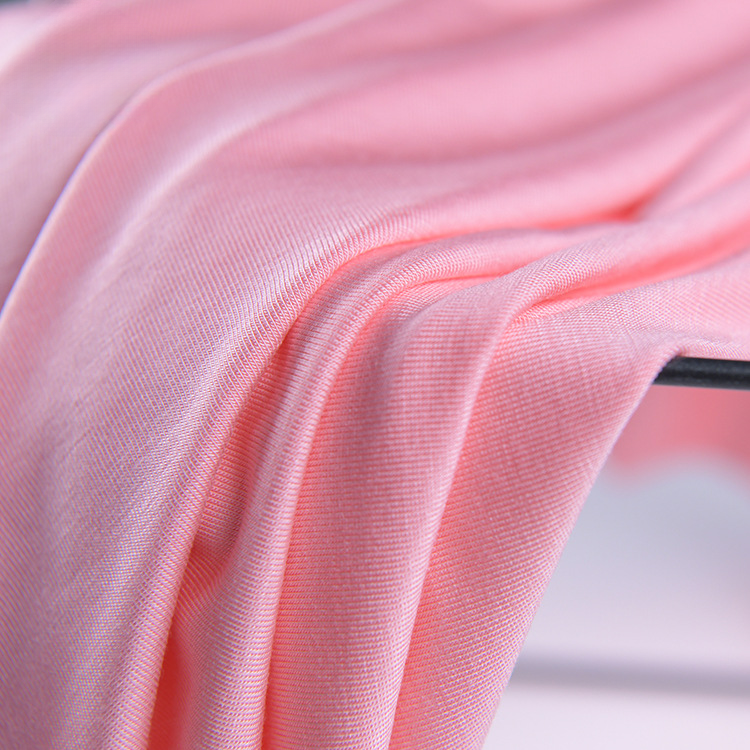
Selecting the right chlorine-resistant swimming fabric for luxury swimwear represents one of the most critical decisions facing premium swimwear designers and manufacturers. The harsh chemical environment of chlorinated pools demands specialized textile solutions that can maintain their structural integrity, color vibrancy, and comfort properties despite continuous exposure to aggressive sanitizing agents. Understanding the technical specifications, performance characteristics, and selection criteria for chlorine-resistant swimming fabric enables manufacturers to create luxury swimwear pieces that deliver both exceptional durability and superior wearing experience for discerning customers who frequent high-end pools and aquatic facilities.
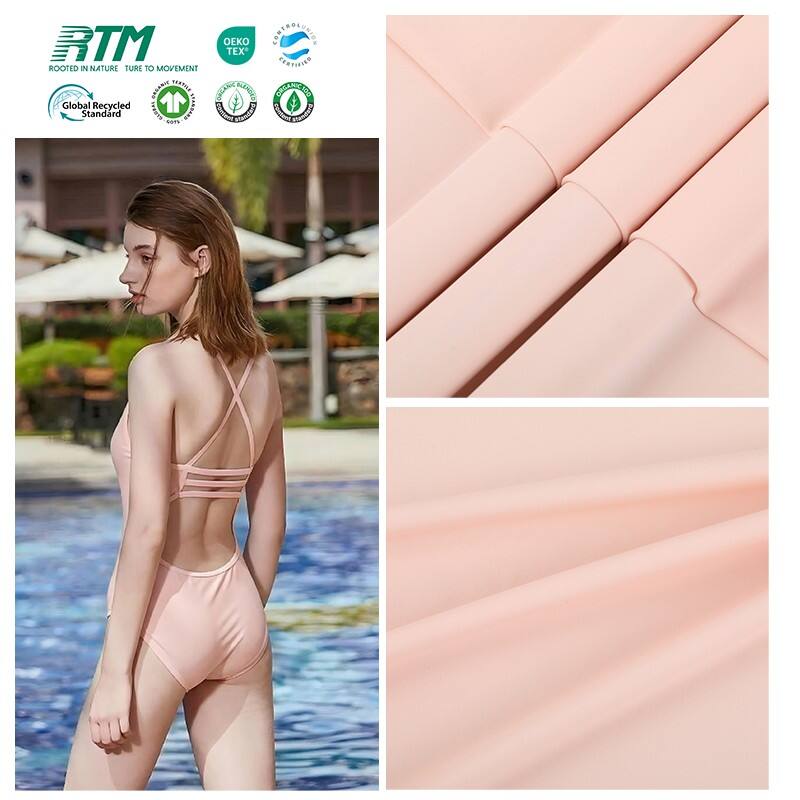
The selection process for chlorine-resistant swimming fabric involves evaluating multiple technical parameters that directly influence garment performance in chlorinated water environments. Premium swimwear manufacturers must consider fiber composition, weave structure, chemical treatment processes, and long-term performance metrics when choosing fabrics that will withstand the demanding requirements of luxury swimwear applications. The fabric selection process becomes particularly complex when balancing chlorine resistance with other essential properties such as stretch recovery, UV protection, quick-drying capabilities, and the luxurious hand feel that defines high-end swimwear products.
Understanding Fiber Technology and Chemical Resistance Properties
Polyester-Based Chlorine-Resistant Swimming Fabric Solutions
Polyester fibers form the backbone of most high-performance chlorine-resistant swimming fabric formulations due to their inherent chemical stability and resistance to degradation in chlorinated environments. Unlike natural fibers or standard nylon blends, polyester maintains its molecular structure when exposed to chlorine compounds, preventing the fiber breakdown that leads to fabric deterioration, color fading, and loss of elasticity. Premium chlorine-resistant swimming fabric typically utilizes specially engineered polyester variants that undergo additional chemical treatment processes to enhance their resistance to chloramine compounds and other pool sanitizers commonly found in luxury aquatic facilities.
The molecular engineering of polyester-based chlorine-resistant swimming fabric involves modifying the polymer chain structure to create enhanced chemical resistance while maintaining the flexibility and comfort properties essential for swimwear applications. Advanced polyester formulations incorporate specific stabilizing compounds that neutralize chlorine molecules before they can penetrate the fiber structure and cause damage. These specialized polyester fibers demonstrate superior performance compared to conventional swimwear fabrics, maintaining their original properties for significantly longer periods even under intensive pool use conditions.
Nylon-Spandex Blend Considerations for Chlorine Exposure
While nylon-spandex blends offer exceptional stretch and recovery properties that enhance swimwear comfort and fit, their chlorine resistance characteristics require careful evaluation when selecting chlorine-resistant swimming fabric for luxury applications. Standard nylon fibers exhibit moderate susceptibility to chlorine degradation, particularly in the elastane component, which can lead to gradual loss of stretch recovery and eventual fabric failure. However, advanced nylon formulations specifically designed for chlorinated water exposure incorporate protective treatments and modified polymer structures that significantly improve their resistance to chemical breakdown.
The selection of nylon-spandex based chlorine-resistant swimming fabric must consider the specific grade of nylon utilized, the elastane percentage, and the protective treatment methods applied during manufacturing. Premium chlorine-resistant swimming fabric formulations often utilize high-grade nylon 6.6 or specialized nylon variants that demonstrate enhanced chemical stability while maintaining the superior stretch characteristics that luxury swimwear demands.
Technical Performance Parameters and Testing Standards
Chlorine Resistance Testing Methodologies
Evaluating the chlorine resistance performance of swimming fabrics requires adherence to standardized testing protocols that simulate real-world pool conditions and provide quantifiable data on fabric durability. The most widely recognized testing standard for chlorine-resistant swimming fabric involves exposing fabric samples to controlled chlorine concentrations over specified time periods while monitoring changes in tensile strength, elasticity, color retention, and dimensional stability. These comprehensive testing procedures ensure that selected fabrics meet the performance requirements necessary for luxury swimwear applications.
Professional testing protocols for chlorine-resistant swimming fabric typically involve accelerated aging tests that simulate months or years of pool exposure in condensed timeframes. These tests measure fabric degradation across multiple parameters, including fiber strength retention, elastic recovery after repeated stretching cycles, color fastness under chlorine exposure, and resistance to pilling or surface texture changes. Understanding these testing methodologies enables manufacturers to make informed decisions when selecting chlorine-resistant swimming fabric that will maintain its luxury appearance and performance characteristics throughout extended use periods.
Performance Metrics and Quality Benchmarks
The selection of chlorine-resistant swimming fabric must be guided by specific performance benchmarks that define acceptable quality standards for luxury swimwear applications. Key performance metrics include tensile strength retention after chlorine exposure, with premium fabrics maintaining at least 90% of their original strength after standardized testing protocols. Elastic recovery performance represents another critical benchmark, with high-quality chlorine-resistant swimming fabric demonstrating minimal permanent deformation after repeated stretch cycles in chlorinated conditions.
Color retention standards for luxury chlorine-resistant swimming fabric require maintaining color integrity within specified tolerance ranges after extended chlorine exposure testing. Premium fabrics should demonstrate minimal color shifting or fading when subjected to accelerated aging tests that simulate intensive pool use. Additionally, dimensional stability benchmarks ensure that selected chlorine-resistant swimming fabric maintains its original size and shape characteristics, preventing the shrinkage or stretching issues that compromise garment fit and appearance in luxury swimwear applications.
Fabric Construction and Weave Technology Considerations
Knit Structure Impact on Chlorine Resistance
The knit structure utilized in chlorine-resistant swimming fabric construction significantly influences the fabric's ability to withstand chemical exposure while maintaining its performance characteristics. Tight-knit constructions generally provide enhanced resistance to chlorine penetration by creating a more compact fiber arrangement that limits chemical contact with individual yarns. However, the knit structure must balance chemical resistance with the stretch and recovery properties essential for comfortable swimwear performance, requiring careful optimization of stitch density and pattern configuration.
Advanced knit structures for chlorine-resistant swimming fabric often incorporate specialized yarn arrangements that enhance both chemical resistance and mechanical properties. These constructions may utilize varying yarn tensions, modified stitch patterns, or multi-layer knit technologies that create enhanced barrier properties while maintaining the flexibility and comfort characteristics demanded by luxury swimwear applications. Understanding the relationship between knit structure and chlorine resistance enables informed fabric selection decisions that optimize both durability and wearing experience.
Surface Treatment and Finishing Processes
Surface treatments and finishing processes play crucial roles in enhancing the chlorine resistance properties of swimming fabrics while adding value-added characteristics such as water repellency, antimicrobial protection, or UV blocking capabilities. Professional-grade chlorine-resistant swimming fabric often undergoes specialized chemical treatments that create protective barriers on the fiber surface, preventing chlorine molecules from penetrating into the fabric structure and causing degradation. These treatments must be carefully selected to ensure compatibility with the base fiber system and maintain durability through repeated washing and chlorine exposure cycles.
The application of advanced finishing technologies can significantly enhance the performance profile of chlorine-resistant swimming fabric beyond basic chemical resistance. Hydrophobic treatments improve water shedding properties and reduce drying time, while antimicrobial finishes provide additional hygienic benefits for luxury swimwear applications. UV protection treatments add sun protection capabilities that complement chlorine resistance, creating comprehensive performance fabrics suitable for premium aquatic environments.
Application-Specific Selection Criteria for Luxury Swimwear
Aesthetic Properties and Luxury Appeal
The selection of chlorine-resistant swimming fabric for luxury swimwear must carefully balance technical performance requirements with the aesthetic qualities that define premium garments. Luxury consumers expect fabrics that not only withstand chlorine exposure but also maintain a sophisticated appearance, luxurious hand feel, and vibrant color presentation throughout the garment's lifespan. The fabric selection process must evaluate surface texture, drape characteristics, opacity levels, and color depth to ensure that chosen chlorine-resistant swimming fabric meets the elevated aesthetic standards of high-end swimwear markets.
Premium chlorine-resistant swimming fabric should demonstrate exceptional color vibrancy and depth while maintaining consistent surface texture and appearance after repeated chlorine exposure. The fabric's hand feel must convey luxury through smooth surface textures, appropriate weight characteristics, and premium tactile properties that distinguish high-end swimwear from mass-market alternatives. Additionally, the fabric must maintain its aesthetic properties across various environmental conditions, ensuring that luxury swimwear retains its premium appearance whether wet or dry.
Comfort and Fit Performance Requirements
Comfort and fit performance represent critical selection criteria for chlorine-resistant swimming fabric used in luxury swimwear applications. The fabric must provide optimal stretch and recovery properties that accommodate body movement during swimming activities while maintaining garment shape and fit integrity. Chlorine-resistant swimming fabric for premium applications should demonstrate four-way stretch capabilities with excellent recovery characteristics that prevent sagging or distortion after repeated wear and exposure to pool chemicals.
The moisture management properties of selected chlorine-resistant swimming fabric significantly influence wearer comfort and garment performance. Premium fabrics should facilitate rapid moisture transport and quick drying capabilities while maintaining comfortable skin contact properties throughout extended wear periods. Additionally, the fabric must demonstrate appropriate compression characteristics that provide body support without restricting movement or causing discomfort during aquatic activities.
Quality Assurance and Supplier Evaluation Protocols
Manufacturing Standards and Certification Requirements
The selection of chlorine-resistant swimming fabric requires thorough evaluation of manufacturing standards and certification protocols that ensure consistent quality and performance characteristics. Premium fabric suppliers should maintain comprehensive quality management systems that monitor every aspect of chlorine-resistant swimming fabric production, from raw material selection through final finishing processes. These systems should include regular testing protocols that verify chemical resistance performance, dimensional stability, and aesthetic properties across production batches.
Professional certification standards for chlorine-resistant swimming fabric provide objective verification of performance claims and manufacturing quality. Relevant certifications may include OEKO-TEX standards for textile safety, ISO quality management certifications, and specialized performance testing validations from recognized textile testing laboratories. Understanding and requiring appropriate certifications ensures that selected chlorine-resistant swimming fabric meets the stringent quality requirements necessary for luxury swimwear applications.
Supply Chain Reliability and Technical Support
Evaluating supplier reliability and technical support capabilities represents a crucial aspect of chlorine-resistant swimming fabric selection for luxury swimwear manufacturers. Reliable suppliers should demonstrate consistent production capacity, quality control systems, and technical expertise that support ongoing product development and manufacturing requirements. The supplier's ability to provide technical documentation, performance data, and application guidance significantly influences the success of fabric selection and implementation processes.
Technical support services from chlorine-resistant swimming fabric suppliers should include comprehensive testing data, application recommendations, and ongoing technical consultation throughout the product development process. Premium suppliers often provide specialized services such as custom fabric development, performance optimization, and quality troubleshooting that enhance the overall value proposition for luxury swimwear manufacturers. Establishing strong supplier relationships ensures access to the latest fabric technologies and innovations in chlorine-resistant swimming fabric development.
FAQ
What fiber content provides the best chlorine resistance for luxury swimwear fabrics?
Polyester-based fiber systems typically offer the highest chlorine resistance for luxury swimwear applications. Premium chlorine-resistant swimming fabrics often utilize specially engineered polyester blends with elastane content ranging from 15-25% to provide optimal stretch properties while maintaining chemical resistance. Some high-end formulations incorporate modified nylon 6.6 with specialized protective treatments, though polyester remains the most reliable choice for extended chlorine exposure resistance.
How long should quality chlorine-resistant swimming fabric maintain its properties in regular pool use?
Premium chlorine-resistant swimming fabric should maintain at least 90% of its original performance characteristics for a minimum of 200-300 hours of pool exposure under normal chlorination levels. This translates to approximately 1-2 years of regular recreational use or 6-12 months of intensive training use. Higher-grade fabrics may extend this performance timeline significantly, with some premium formulations maintaining excellent properties for 500+ hours of chlorinated water exposure.
Can chlorine-resistant swimming fabric be combined with other performance features like UV protection?
Yes, modern chlorine-resistant swimming fabric can incorporate multiple performance features through advanced finishing technologies and fiber engineering. Premium fabrics commonly combine chlorine resistance with UPF 50+ UV protection, antimicrobial treatments, and enhanced moisture management properties. These multi-functional fabrics provide comprehensive performance benefits while maintaining the chemical resistance properties essential for pool use applications.
What testing should be conducted to verify chlorine resistance performance before fabric selection?
Comprehensive testing should include accelerated aging protocols exposing fabric samples to controlled chlorine concentrations while monitoring tensile strength retention, elastic recovery, color fastness, and dimensional stability. Standard testing typically involves 100-300 hours of chlorine exposure simulation, with performance measurements taken at regular intervals. Additional testing should verify wash fastness, pilling resistance, and UV stability to ensure complete performance validation for luxury swimwear applications.
Table of Contents
- Understanding Fiber Technology and Chemical Resistance Properties
- Technical Performance Parameters and Testing Standards
- Fabric Construction and Weave Technology Considerations
- Application-Specific Selection Criteria for Luxury Swimwear
- Quality Assurance and Supplier Evaluation Protocols
-
FAQ
- What fiber content provides the best chlorine resistance for luxury swimwear fabrics?
- How long should quality chlorine-resistant swimming fabric maintain its properties in regular pool use?
- Can chlorine-resistant swimming fabric be combined with other performance features like UV protection?
- What testing should be conducted to verify chlorine resistance performance before fabric selection?