
 EN
EN


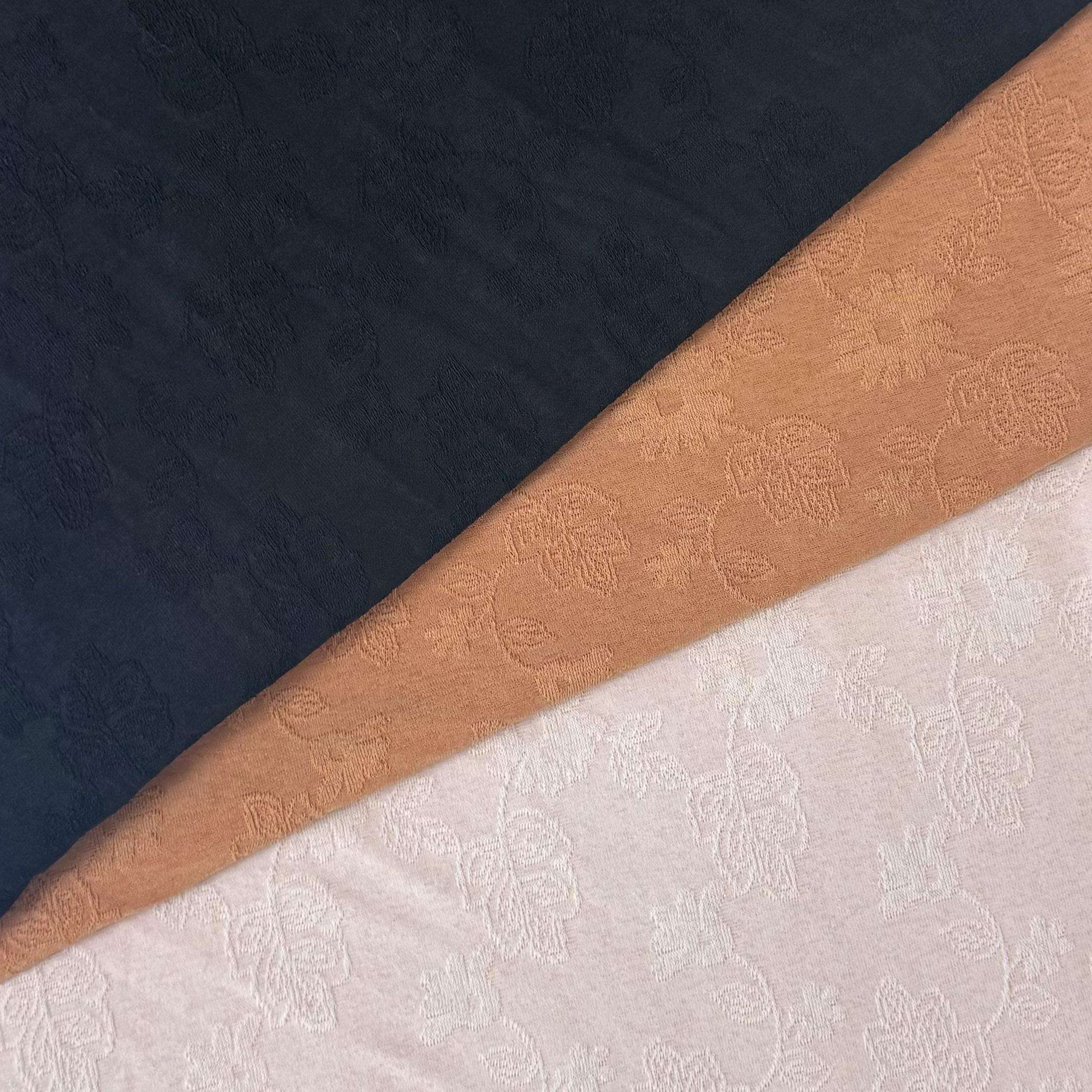
Selecting the perfect jacquard fabric for intricate bridal and evening wear requires careful consideration of multiple factors that will ultimately determine the success of your garment. The complexity of jacquard fabric lies in its woven patterns, which create texture, visual interest, and luxury appeal essential for high-end formal wear. Understanding the selection process ensures your finished garments meet both aesthetic expectations and performance requirements for special occasions.
The foundation of successful jacquard fabric selection begins with understanding how the intricate weaving process creates different fabric characteristics. Unlike printed fabrics where patterns sit on the surface, jacquard fabric integrates design elements directly into the weave structure, creating dimensional patterns that add sophistication to bridal and evening wear. This weaving technique produces fabrics with varying weights, textures, and pattern complexities that must align with your specific garment design requirements.
Understanding Jacquard Fabric Construction for Formal Wear Applications
Weave Density and Pattern Complexity Assessment
The weave density of jacquard fabric directly impacts both the visual appearance and structural integrity of your bridal or evening wear piece. Higher weave densities typically produce more refined patterns with sharper definition, making them ideal for close-fitting bodices and structured garments. When evaluating jacquard fabric, examine the pattern repeat size and complexity to ensure it complements your garment's proportions and design lines.
Pattern complexity varies significantly across jacquard fabric types, ranging from simple geometric repeats to elaborate floral motifs and abstract designs. For bridal wear, consider how the pattern scale relates to the dress silhouette and whether intricate details will be visible and appreciated. Evening wear often benefits from bolder patterns that catch light effectively under formal lighting conditions.
The thread count and yarn quality within the jacquard fabric construction determine the overall texture and hand feel. Premium jacquard fabric typically features finer threads woven at higher densities, creating smoother surfaces that drape elegantly while maintaining pattern definition. This construction quality becomes particularly important for form-fitting evening wear where fabric imperfections would be readily apparent.
Fiber Content Analysis for Performance Requirements
Natural fiber jacquard fabric options like silk, cotton, and wool each offer distinct advantages for bridal and evening wear applications. Silk jacquard fabric provides exceptional drape and lustrous surface qualities that enhance formal garments, while cotton jacquard fabric offers breathability and ease of care. Understanding the performance characteristics of different fiber combinations helps you select jacquard fabric that meets both aesthetic and functional requirements.
Synthetic and blended jacquard fabric compositions often incorporate polyester, nylon, or elastane to enhance specific performance attributes. These synthetic components can improve wrinkle resistance, stretch recovery, and color retention while maintaining the visual appeal of traditional jacquard fabric. For evening wear requiring form-fitting silhouettes, small percentages of elastane provide necessary stretch without compromising the fabric's structural integrity.
The fiber content also influences the jacquard fabric's reaction to various finishing treatments and embellishments commonly used in bridal and evening wear. Natural fibers may require special consideration for beading, embroidery, or heat-applied decorations, while synthetic blends might offer better compatibility with modern garment construction techniques.
Weight and Drape Characteristics for Different Garment Styles
Matching Fabric Weight to Silhouette Requirements
The weight classification of jacquard fabric significantly influences its suitability for different bridal and evening wear silhouettes. Lightweight jacquard fabric typically weighs between 4-8 ounces per square yard and works well for flowing gowns, A-line skirts, and garments requiring soft drape. Medium-weight jacquard fabric ranging from 8-12 ounces provides structure suitable for fitted bodices and tailored evening wear pieces.
Heavy-weight jacquard fabric exceeding 12 ounces per square yard creates dramatic volume and structure ideal for ball gown skirts and ceremonial garments. However, heavier weights require careful consideration of the wearer's comfort and mobility, particularly for extended wear during wedding ceremonies or formal events. The jacquard fabric weight must complement the overall design concept while ensuring practical wearability.
Consider how the jacquard fabric weight affects construction techniques and support requirements. Heavier fabrics may necessitate additional interfacing or internal structure to maintain garment shape, while lighter weights might require careful handling during construction to prevent distortion of the woven patterns.
Drape Analysis and Movement Characteristics
The drape qualities of jacquard fabric determine how the garment will move and flow during wear. Fabrics with excellent drape create graceful movement and flattering silhouettes, while stiffer jacquard fabric provides structure and volume. Test the drape characteristics by holding fabric samples at different angles and observing how they fall and fold naturally.
Bias drape testing reveals how the jacquard fabric behaves when cut on the diagonal grain, which is essential for fitted garments and curved seaming applications. Some jacquard fabric types maintain their pattern integrity better than others when manipulated on the bias, making this an important consideration for complex garment construction.
Recovery and memory characteristics determine how well the jacquard fabric returns to its original shape after stretching or manipulation. This property becomes crucial for fitted evening wear that must maintain its silhouette throughout extended wear periods. Fabrics with poor recovery may develop permanent stretching or distortion in stress areas.
Color Selection and Pattern Coordination Strategies
Color Psychology and Event Appropriateness
Color selection in jacquard fabric requires consideration of both personal preferences and event requirements. Traditional bridal wear typically favors ivory, champagne, and soft pastels that complement the celebratory nature of weddings. Evening wear offers broader color palette options, but the chosen hues should enhance the wearer's complexion and align with the event's formality level.
The jacquard fabric's pattern can either enhance or compete with the chosen color scheme. Monochromatic jacquard fabric creates subtle texture through tonal variations, while high-contrast patterns make bold statements suitable for dramatic evening wear. Consider how lighting conditions at the event will affect the color appearance and pattern visibility.
Metallic threads and special fibers within jacquard fabric add luminosity and richness that enhance formal wear appeal. Gold, silver, and other metallic accents can complement jewelry and accessories while adding sophistication to the overall look. However, excessive metallic content may create stiffness that affects drape and comfort.
Pattern Scale and Placement Considerations
The scale of patterns within jacquard fabric must complement the garment size and wearer's proportions. Large-scale patterns work well on voluminous skirts and dramatic evening wear, while smaller patterns suit fitted bodices and petite figures. Consider how pattern placement will appear on different areas of the finished garment.
Directional patterns in jacquard fabric require careful layout planning to ensure proper pattern orientation throughout the garment. Some patterns have specific up-and-down orientations that must be maintained, while others can be manipulated for creative effect. Plan pattern matching at seams and consider how construction techniques will affect pattern continuity.
The relationship between the jacquard fabric pattern and any additional embellishments needs careful coordination. Dense patterns may compete with beadwork or embroidery, while subtle textures can provide an elegant backdrop for elaborate decorations. Balance the visual elements to create cohesive designs that enhance rather than overwhelm the overall aesthetic.
Quality Assessment and Performance Testing Methods
Physical Property Evaluation Techniques
Comprehensive quality assessment of jacquard fabric begins with visual inspection for pattern consistency, color uniformity, and surface defects. Examine fabric samples under different lighting conditions to identify any irregularities in weave structure or pattern definition. Look for dropped threads, pattern distortions, or color variations that could affect the finished garment's appearance.
Hand feel evaluation provides important information about the jacquard fabric's texture, smoothness, and flexibility. Run your fingers across the surface in different directions to assess texture consistency and identify any rough areas or irregularities. The fabric should feel appropriate for its intended use, with luxury formal wear requiring particularly refined hand characteristics.
Stretch and recovery testing helps determine the jacquard fabric's behavior under stress and its suitability for fitted garments. Gently stretch fabric samples in both warp and weft directions, observing how much extension occurs and how completely the fabric returns to its original dimensions. This information is crucial for predicting garment performance during wear.
Durability and Care Requirement Assessment
Durability testing involves evaluating how well the jacquard fabric withstands normal handling and potential stress during garment construction and wear. Consider the fabric's resistance to snag damage, particularly important for delicate evening wear that may encounter jewelry or other potential hazards during events.
Care requirements significantly impact the practical aspects of owning garments made from jacquard fabric. Review cleaning instructions and consider whether professional care requirements align with the client's expectations and budget. Some jacquard fabric types require specialized cleaning methods that may limit their appeal for frequently worn garments.
Colorfastness and dimensional stability testing helps predict how the jacquard fabric will perform over time. Even small amounts of bleeding or shrinkage can ruin expensive formal garments, making these characteristics critical selection factors. Request information about pre-shrinking treatments and color-setting processes used in the fabric production.
FAQ
What is the most important factor when selecting jacquard fabric for wedding dresses?
The most important factor is matching the fabric weight and drape characteristics to your specific dress silhouette while ensuring the pattern scale complements the design. Consider how the jacquard fabric will behave during construction and wear, particularly for fitted bodices that require excellent recovery properties and flowing skirts that need appropriate drape qualities.
How do I determine if a jacquard fabric pattern will work well for evening wear?
Evaluate the pattern under formal lighting conditions similar to your event venue, as jacquard fabric can look dramatically different under various light sources. Consider the pattern scale relative to your garment design and ensure the complexity level matches your intended aesthetic. Test how the pattern appears when the fabric drapes naturally and when it's stretched slightly for fitted applications.
Can jacquard fabric be altered easily if the garment needs adjustments?
Jacquard fabric alterations require special consideration due to the woven pattern structure. Simple length adjustments are usually possible, but width modifications can disrupt pattern continuity and may be challenging or impossible depending on the pattern repeat and garment construction. Always plan for minimal alterations when selecting jacquard fabric for formal wear.
What care considerations should I discuss with clients choosing jacquard fabric garments?
Discuss cleaning requirements upfront, as many jacquard fabric types require professional dry cleaning to maintain their appearance and structural integrity. Explain storage requirements to prevent pattern distortion and provide guidance on handling during events to minimize snag risks. Consider recommending fabric protection treatments for valuable formal wear pieces.
Table of Contents
- Understanding Jacquard Fabric Construction for Formal Wear Applications
- Weight and Drape Characteristics for Different Garment Styles
- Color Selection and Pattern Coordination Strategies
- Quality Assessment and Performance Testing Methods
-
FAQ
- What is the most important factor when selecting jacquard fabric for wedding dresses?
- How do I determine if a jacquard fabric pattern will work well for evening wear?
- Can jacquard fabric be altered easily if the garment needs adjustments?
- What care considerations should I discuss with clients choosing jacquard fabric garments?