
 EN



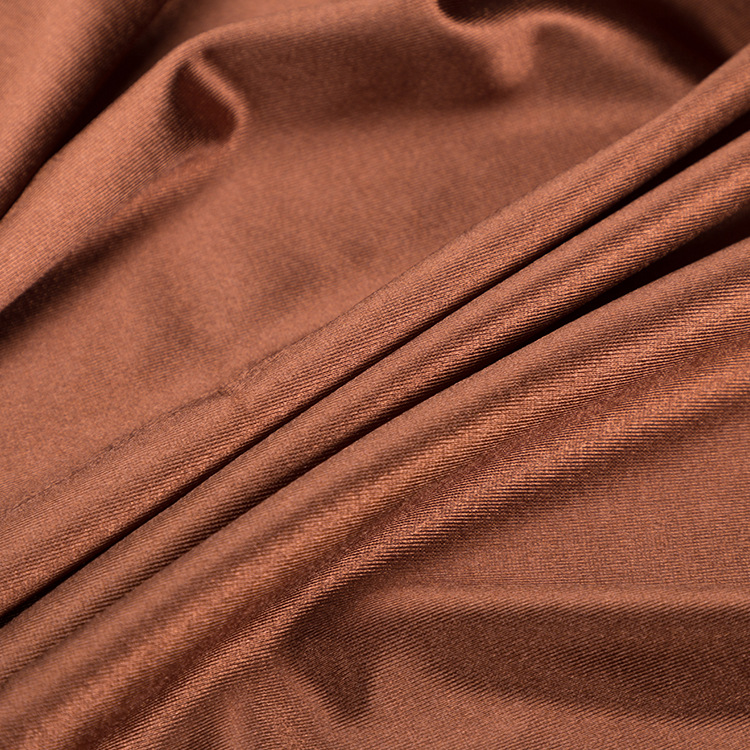
The fashion industry faces mounting pressure to adopt sustainable practices, and recycled fabrics have emerged as a transformative solution. Recycled fabrics offer a compelling alternative to virgin textile production, addressing both environmental concerns and business efficiency. Understanding the core advantages of recycled fabrics empowers fashion brands to make informed decisions about material sourcing and production strategies. This shift toward recycled fabrics represents not merely a trend but a fundamental evolution in how the industry approaches resource management and consumer responsibility.

Fashion manufacturers increasingly recognize that recycled fabrics deliver tangible benefits across environmental, economic, and performance dimensions. By integrating recycled fabrics into production workflows, companies reduce dependence on resource-intensive virgin fiber production while maintaining or improving final product quality. The advantages of recycled fabrics extend beyond sustainability metrics to include operational cost reduction, enhanced brand positioning, and compliance with emerging regulatory frameworks. This article explores the core advantages of recycled fabrics and why forward-thinking fashion businesses are prioritizing this material transition.
Environmental Impact and Resource Conservation
Reducing Virgin Fiber Demand
The production of virgin textiles consumes enormous quantities of water, pesticides, and agricultural land. Recycled fabrics bypass these extraction and cultivation stages entirely, significantly minimizing environmental footprint. When fashion brands utilize recycled fabrics, they directly reduce the volume of raw materials extracted from natural systems. This conservation effect multiplies across global supply chains, creating meaningful environmental gains proportional to adoption rates. Recycled fabrics enable brands to maintain production volume while substantially decreasing their natural resource consumption.
Lowering Carbon Emissions and Waste
Manufacturing recycled fabrics requires substantially less energy compared to virgin fiber production. The energy intensity difference between virgin polyester production and recycled fabrics can exceed 30 percent in many processing scenarios. Additionally, by diverting textile waste from landfills, recycled fabrics address a critical waste management challenge that affects communities globally. Fashion enterprises that adopt recycled fabrics demonstrate measurable reductions in both production-phase carbon emissions and post-consumer waste contributions. The cumulative climate benefits of scaling recycled fabrics across the fashion sector represent one of the industry's most viable decarbonization pathways.
Economic Advantages and Market Competitiveness
Cost Efficiency in Production
Recycled fabrics often present lower material acquisition costs relative to virgin equivalents, particularly as recycling infrastructure matures. Labor and processing expenses associated with recycled fabrics have declined as technologies improve and production volumes increase. Fashion manufacturers can leverage recycled fabrics to optimize production budgets without compromising garment performance or aesthetic appeal. Price volatility in virgin fiber markets creates supply chain risk; recycled fabrics offer more stable pricing through diversified sourcing channels. For competitive manufacturers, recycled fabrics represent a direct mechanism for improving margin performance while maintaining market-competitive pricing.
Brand Value and Market Positioning
Consumer research consistently demonstrates that sustainability credentials influence purchasing decisions across demographic segments. Fashion brands incorporating recycled fabrics into their product lines capture market share from consumers prioritizing environmental responsibility. Marketing messaging around recycled fabrics generates authentic differentiation in crowded fashion categories, justifying premium positioning or volume-based market expansion. Investor interest in sustainable fashion businesses has increased dramatically, with recycled fabrics featured prominently in corporate sustainability commitments. Early adoption of recycled fabrics positions brands favorably as regulatory frameworks tighten and consumer expectations continue evolving toward sustainable products.
Performance Qualities and Design Flexibility
Material Quality and Durability
Modern recycled fabrics deliver performance characteristics equivalent to or exceeding virgin alternatives in many applications. Recycled polyester, for instance, maintains tensile strength and color retention properties comparable to virgin specifications. Fashion designers report that recycled fabrics process through standard machinery and techniques without requiring production line modifications. Quality consistency in recycled fabrics has improved substantially through advanced sorting and processing technologies, reducing variability concerns that previously hindered adoption. Garments manufactured from recycled fabrics demonstrate durability metrics that support competitive warranty claims and customer satisfaction outcomes.
Aesthetic and Technical Customization
Recycled fabrics enable fashion manufacturers to achieve diverse aesthetic finishes, weights, and tactile properties tailored to specific product categories. Sports and activewear applications benefit particularly from recycled fabrics' moisture-wicking capabilities and dimensional stability. Fashion designers maintain creative flexibility while incorporating recycled fabrics, avoiding forced aesthetic compromises. Technical treatments including water-repellency, stretch recovery, and thermal regulation function effectively when applied to recycled fabric bases. This design versatility means fashion brands can expand recycled fabrics across their entire product portfolios rather than restricting them to specific commodity segments.
FAQ
What quality standards apply to recycled fabrics in fashion production?
Recycled fabrics increasingly conform to rigorous international standards including ISO certifications and Global Textile Standard specifications. Fashion manufacturers implementing recycled fabrics conduct testing equivalent to virgin material verification, examining tensile strength, colorfastness, and dimensional stability. Certification bodies validate recycled fabric supply chains to ensure material authenticity and traceability. Quality assurance protocols for recycled fabrics have become standardized across major fashion production centers, reducing technical risk for brands making this transition. Most major fashion companies now source recycled fabrics from verified suppliers maintaining third-party quality audits.
How do recycled fabrics impact garment lifespan and customer satisfaction?
Well-manufactured garments using recycled fabrics exhibit service lifespans and durability equivalent to virgin fiber products when properly constructed. Customer satisfaction data increasingly shows no material difference in garment performance between comparable products made from recycled versus virgin materials. Extended wear testing demonstrates that recycled fabrics maintain structural integrity and aesthetic appearance through multiple wash cycles. Fashion brands reporting on garment returns and warranty claims find recycled fabric products perform competitively against virgin alternatives. Consumer perception of recycled fabrics has shifted from 'compromise material' to 'performance equivalent with environmental benefit.'
What regulatory trends support increased adoption of recycled fabrics?
Governments worldwide are implementing extended producer responsibility regulations requiring brands to incorporate recovered material content in products. The European Union's Digital Product Passport requirements will mandate disclosure of recycled fabric content, creating market advantage for early adopters. Many jurisdictions now impose tariffs or market access restrictions on textiles failing to meet minimum recycled content thresholds. Fashion industry associations have collectively committed to sustainability targets requiring significant recycled fabrics scaling within defined timelines. These regulatory developments effectively eliminate uncertainty about long-term business viability of recycled fabrics, making immediate adoption strategically prudent.