
 EN



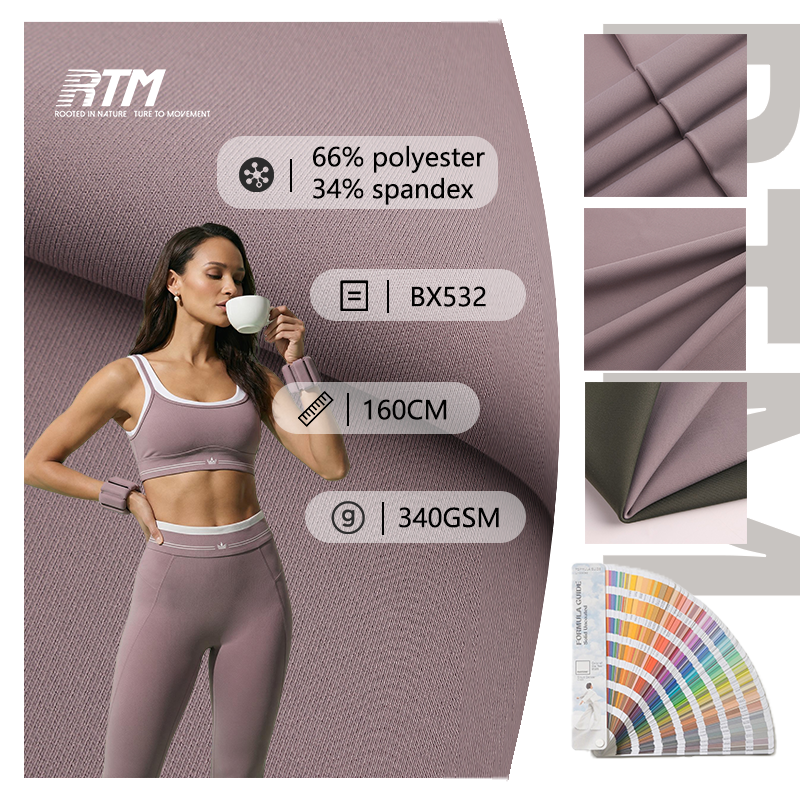
Professional activewear demands materials that can withstand intense physical activity, frequent washing, and years of regular use. Polyester fabric has become the industry standard for this category because it combines exceptional durability with performance characteristics that natural fibers simply cannot match. When manufacturers, retailers, and end-users select materials for high-quality activewear, they consistently choose polyester fabric because it delivers measurable value across durability, cost efficiency, and functional performance.
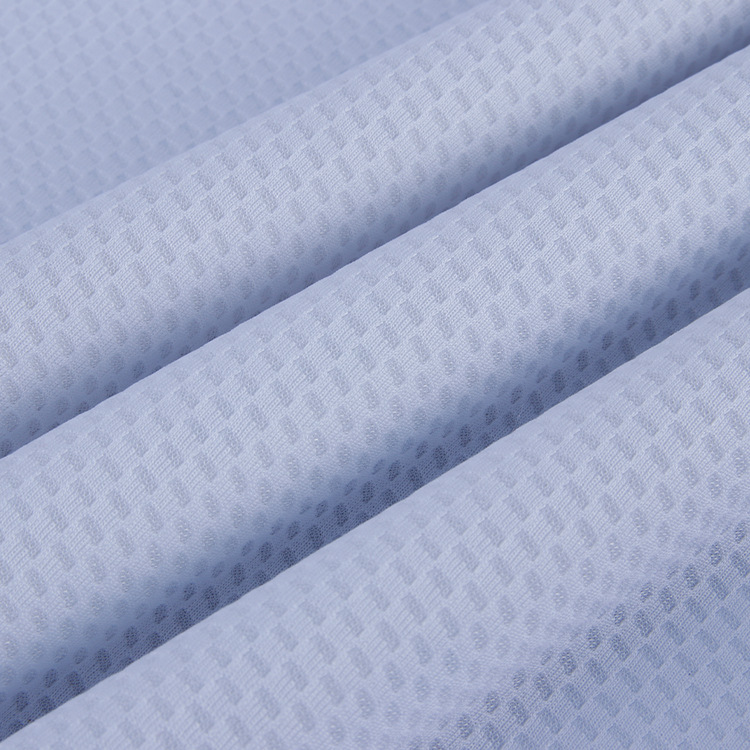
The choice of material directly impacts the longevity, appearance, and performance of activewear. Polyester fabric stands apart because it resists degradation from sweat, chlorine, UV exposure, and repeated mechanical stress that would damage inferior materials. This article explores the key reasons why professional activewear manufacturers prioritize polyester fabric and how this choice benefits businesses and end-users alike.
Superior Durability and Longevity
Resistance to Environmental Stress
Polyester fabric excels in environments where activewear faces continuous environmental challenges. Unlike cotton, which degrades when exposed to chlorine in swimming applications, polyester fabric maintains its structural integrity through countless wash cycles and exposure to pool chemicals. The synthetic polymer structure of polyester fabric creates a material that resists pilling, fading, and fiber breakage far longer than natural alternatives. Professional athletes and fitness facilities rely on this durability because replacing activewear becomes significantly less frequent when constructed from quality polyester fabric.
Resistance to Physical Wear and Stretch Recovery
When individuals exercise in activewear, the garments endure thousands of micro-movements, bending, stretching, and compressing. Polyester fabric maintains elasticity and shape retention through these repetitive stresses, a critical factor that distinguishes premium activewear from commodity alternatives. The molecular structure of polyester fabric allows it to recover its original dimensions after stretching, meaning yoga pants, compression shorts, and athletic tops maintain their fit across seasons of intensive use. This durability translates directly to higher customer satisfaction and reduced replacement frequency in professional activewear applications.
Performance Characteristics That Drive Adoption
Moisture Management and Breathability
Professional activewear requires materials that handle moisture effectively without becoming saturated or heavy. Modern polyester fabric formulations incorporate advanced weaving techniques and specialized fiber treatments that wick moisture away from skin while maintaining breathability. When blended with spandex or other performance fibers, polyester fabric creates an ideal foundation for sweat management systems in high-performance garments. The hydrophobic nature of polyester fabric means it dries quickly after intense workouts or washing, a functional advantage that keeps users comfortable and reduces the likelihood of odor development in activewear.
Color Vibrancy and Design Flexibility
Activewear serves aesthetic purposes alongside functional requirements. Polyester fabric accepts dyes exceptionally well, allowing manufacturers to achieve vibrant, consistent colors that remain saturated after repeated washing and sun exposure. This characteristic means that professional activewear maintains its visual appeal throughout its lifespan, supporting brand image and customer loyalty. Additionally, polyester fabric can be engineered into diverse weave patterns, weights, and finishes, giving designers the flexibility to create specialized variants for different sports, body positions, and climate conditions.
Economic and Sustainability Advantages
Cost Efficiency Without Compromising Quality
For businesses manufacturing or purchasing professional activewear, material costs significantly impact overall profitability and pricing strategy. High-quality polyester fabric delivers superior performance characteristics at a lower cost point than comparable natural fiber alternatives, enabling manufacturers to maintain competitive pricing while preserving margin. The scalability of polyester fabric production means consistent availability and cost stability across large orders. When organizations select polyester fabric for activewear collections, they optimize the value proposition by delivering durable, high-performance garments at accessible price points.
Lifecycle and Waste Reduction
Extended garment lifespan directly reduces textile waste and consumer spending over time. Because polyester fabric maintains performance characteristics across 100+ wash cycles without significant degradation, activewear manufactured from polyester fabric remains in use longer, delaying disposal. This longevity represents a practical sustainability advantage compared to materials requiring replacement every season. Professional facilities and athletes appreciate that investing in polyester fabric activewear means fewer replacement purchases, lower total cost of ownership, and reduced environmental impact from garment disposal.
FAQ
Is polyester fabric suitable for sensitive skin or all-day wear?
Polyester fabric is widely used in professional activewear and daily-wear applications without skin irritation concerns for most users. The key factor is the specific finish, weave, and blend composition. When polyester fabric is blended with cotton or other softer fibers, or when treated with skin-friendly finishes, it provides excellent comfort alongside durability. Individuals with extreme sensitivity may prefer specific formulations, but standard polyester fabric activewear is entirely suitable for prolonged wear in professional and recreational contexts.
Does polyester fabric performance change in extreme temperatures?
Quality polyester fabric maintains its structural and functional properties across a wide temperature range, from indoor climate-controlled gyms to outdoor winter activities. The material does not become brittle in cold or excessively soft in heat, unlike some natural fibers. This temperature stability means polyester fabric activewear performs consistently whether used in air-conditioned fitness centers, outdoor summer sports, or cold-weather training. However, extremely high heat during pressing or machine drying can damage polyester fabric, so proper garment care instructions are essential for longevity.
How does polyester fabric compare to blended materials in professional activewear?
Polyester fabric serves as the foundation material in most professional activewear blends, combined with spandex for stretch, nylon for strength, or merino wool for thermal performance. Pure polyester fabric offers the durability and moisture-wicking base, while complementary fibers add specialized properties. Many professional applications use 88% polyester fabric with 12% spandex as the optimal balance of durability, recovery, and cost efficiency. Selecting the right blend depends on specific use cases, but polyester fabric consistently provides the core durability that makes any blend effective for professional activewear.