
 EN
EN



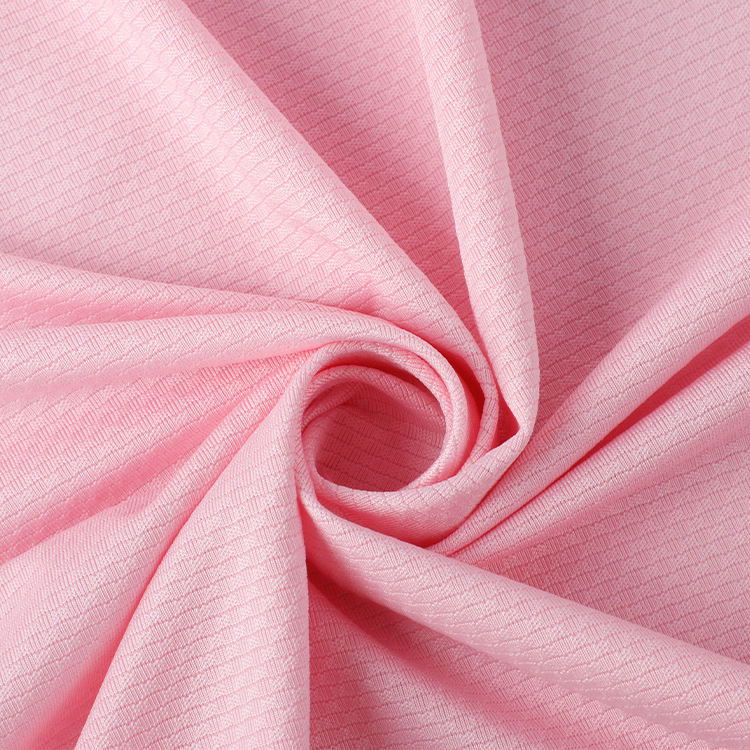
Summer sportswear demands materials that perform under pressure, and mesh fabric has become the industry standard for good reason. When athletes push themselves during hot-weather training or competition, their bodies generate significant heat and moisture that must escape efficiently. Mesh fabric, with its engineered open-weave structure, allows air to circulate freely while wicking sweat away from the skin. Understanding why mesh fabric is essential for summer sportswear lines reveals insights into performance engineering, material science, and athlete comfort that shape modern athletic apparel design.
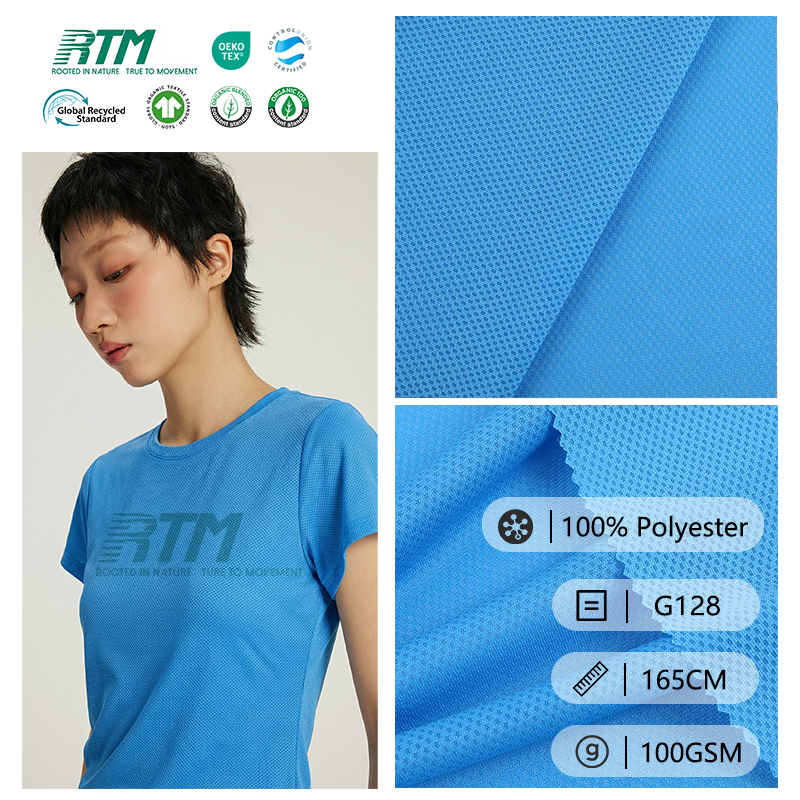
Manufacturers and retailers investing in summer sportswear collections recognize that mesh fabric delivers competitive advantages across multiple performance dimensions. The material's breathability directly impacts athlete satisfaction, recovery rates, and overall product reputation. By selecting high-quality mesh fabric, brands position themselves to meet the rising expectations of performance-conscious consumers who demand genuine technical benefits rather than superficial features.
The Thermoregulation Science Behind Mesh Fabric
How Mesh Fabric Manages Body Heat
Mesh fabric operates on a fundamental principle: maximum surface area exposure combined with minimal material density. Unlike solid-woven textiles, mesh fabric incorporates strategically designed openings that allow thermal energy to escape directly from the skin surface. During summer training sessions, athletes wearing garments made from mesh fabric experience significantly lower core body temperatures compared to traditional materials. This thermoregulation capability prevents heat accumulation, reduces thermal stress, and extends the duration athletes can maintain peak performance before fatigue sets in.
Moisture Management Through Mesh Fabric Structure
Sweat evaporation is critical for athlete cooling, and mesh fabric accelerates this process through its engineered architecture. When perspiration contacts mesh fabric, the material's open weave creates pathways for moisture to move away from skin toward the garment's outer surface where evaporation occurs more rapidly. This moisture-wicking property of mesh fabric prevents the clammy, heavy sensation that undermines comfort and performance. Athletes wearing mesh fabric-based sportswear remain dry longer, maintain psychological confidence, and avoid the chafing and skin irritation associated with moisture-saturated textiles.
Performance Benefits That Drive Mesh Fabric Adoption
Enhanced Athletic Performance and Endurance
Professional athletes and recreational enthusiasts alike report measurable performance improvements when training in mesh fabric garments. The reduced thermal burden allows athletes to maintain consistent effort levels during extended summer workouts without experiencing premature fatigue from overheating. Mesh fabric's breathability enables better oxygen availability at the muscle level, supporting aerobic efficiency and power output. Additionally, the lightweight nature of mesh fabric minimizes energy expenditure on carrying excess garment weight, allowing more energy allocation to actual athletic movement and endurance capacity.
Durability and Long-Term Value of Mesh Fabric
Quality mesh fabric demonstrates exceptional durability across multiple wash cycles and intense use scenarios. The engineered fiber structure of mesh fabric resists pilling, maintains dimensional stability, and preserves breathability even after extended wearing and laundering. This longevity makes mesh fabric a cost-effective choice for sportswear manufacturers seeking to build brand reputation through reliable products. When consumers purchase summer sportswear featuring premium mesh fabric, they invest in garments that maintain performance characteristics season after season, generating positive reviews and repeat purchases that strengthen brand loyalty.
Market Positioning Through Mesh Fabric Selection
Consumer Expectations for Summer Athletic Wear
Today's sportswear buyers actively research material compositions before making purchase decisions, and mesh fabric has become a primary selection criterion for summer collections. Athletes expect breathability specifications to be explicitly communicated in product descriptions, and the absence of mesh fabric mention often signals commodity-grade sportswear rather than performance-engineered solutions. Brands that prioritize mesh fabric in their summer lineups demonstrate commitment to genuine performance innovation. This positioning attracts discerning consumers willing to invest premium pricing for materials that deliver measurable comfort and functional advantages during actual use.
Competitive Differentiation Through Mesh Fabric Technology
The sportswear market increasingly segments between commodity products and performance-engineered solutions, with mesh fabric choice marking a clear dividing line. Brands utilizing advanced mesh fabric formulations—incorporating specialized fiber blends, strategic construction patterns, or integrated antimicrobial treatments—create distinct competitive advantages. Mesh fabric innovations continue evolving to meet emerging consumer demands for enhanced sustainability, improved color retention, and advanced moisture management. Manufacturers investing in premium mesh fabric sourcing position their brands as innovation leaders within competitive summer sportswear markets.
Implementation Considerations for Mesh Fabric Integration
Design and Construction Patterns
Strategic mesh fabric placement maximizes performance benefits while maintaining structural integrity and aesthetic appeal. High-heat zones including underarms, back panels, and chest regions benefit most from full mesh fabric integration, while panels requiring stability can incorporate mesh fabric selectively. Design engineers working with mesh fabric must balance breathability maximization against moisture management directional flow—creating zones that efficiently channel sweat away from critical areas rather than allowing random evaporation. This technical approach to mesh fabric application transforms garments into purposefully engineered performance solutions rather than generic breathable clothing.
Quality Standards and Testing Protocols
Selecting supplier-grade mesh fabric requires establishing rigorous testing protocols that verify performance specifications before bulk production. Standard testing includes air permeability measurements, moisture vapor transmission rates, and durability assessments across simulated wearing conditions. Brands committed to consistent mesh fabric quality implement specification sheets that detail fiber composition, thread count, treatment processes, and performance metrics. This systematic approach to mesh fabric evaluation ensures that every production batch meets the performance standards communicated to consumers, protecting brand reputation and supporting customer satisfaction across entire summer sportswear collections.
FAQ
What specific properties make mesh fabric ideal for summer sportswear?
Mesh fabric excels in summer sportswear applications because of its engineered open-weave structure that maximizes airflow while maintaining strength. The material's exceptional breathability reduces core body temperature during exercise, its moisture-wicking capacity accelerates sweat evaporation, and its lightweight construction minimizes thermal burden. Additionally, quality mesh fabric maintains these performance characteristics through multiple wash cycles, providing long-term value that justifies premium positioning in athletic wear collections.
How does mesh fabric performance compare to solid-woven athletic materials?
Mesh fabric delivers superior breathability and moisture management compared to solid-woven alternatives, making it the preferred choice for high-intensity summer activities. Solid-woven materials retain more heat and moisture at the skin surface, creating discomfort and potential performance degradation during sustained exercise. While solid weaves offer greater structural durability in specific applications, mesh fabric's engineered design balances breathability advantages against adequate durability for typical summer sportswear use scenarios. Athletes consistently report enhanced comfort and perceived performance improvements when training in mesh fabric garments during warm-weather conditions.
What factors should brands consider when sourcing quality mesh fabric?
Successful mesh fabric sourcing requires evaluating fiber composition, thread count, weave pattern density, and treatment processes that impact both performance and longevity. Brands should establish air permeability standards and moisture vapor transmission specifications aligned with intended use intensity and climatic conditions. Testing protocols should verify that mesh fabric maintains performance characteristics through anticipated washing frequencies and duration. Additionally, suppliers should provide consistent quality batches with documentation of specifications, allowing brands to communicate reliable performance expectations to consumers throughout summer sportswear collections.