
 EN
EN


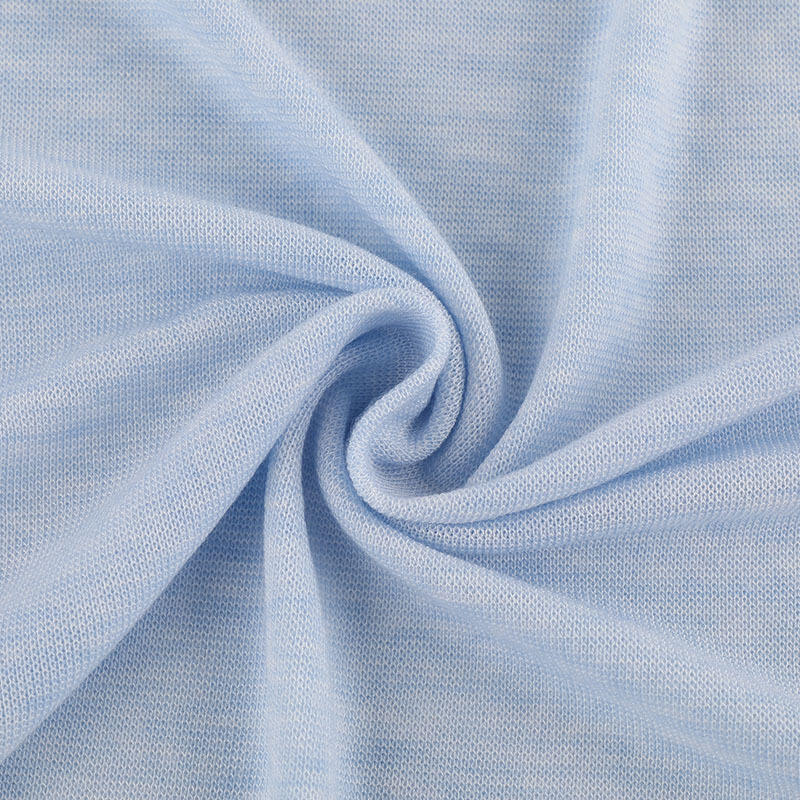
Urban streetwear has evolved from a niche subculture into a dominant force shaping contemporary fashion, and at the heart of this movement lies the strategic selection of fabrics that balance aesthetics with everyday functionality. Among textile choices, French Terry stands out as a fabric engineered to deliver exceptional comfort without compromising the bold visual identity that streetwear demands. This knitted construction combines softness, breathability, and structural integrity in ways that align perfectly with the practical needs of urban lifestyles—from navigating crowded transit systems to adapting to fluctuating indoor and outdoor temperatures throughout the day.
The comfort advantages of French Terry in streetwear are rooted in its unique material architecture and performance characteristics that address specific challenges urban wearers face daily. Unlike ordinary jersey knits or fleece alternatives, French Terry features a distinctive loop structure on its interior surface that creates micro-pockets of air, enabling superior moisture management and thermal regulation. This fabric construction allows streetwear pieces to maintain their signature relaxed silhouettes while providing wearers with adaptive comfort across diverse urban environments, making it the preferred choice for hoodies, sweatshirts, joggers, and layering pieces that define modern street fashion.
The Structural Foundation of French Terry Comfort
Understanding the Knit Architecture
The comfort superiority of French Terry begins with its specialized knitting structure, which fundamentally differs from standard single-knit fabrics commonly used in basic apparel. This material employs a dual-surface construction where the outer face presents a smooth, flat appearance suitable for printing and graphic application, while the interior features characteristic looped yarns that create a soft, absorbent texture against the skin. This architectural design serves multiple functional purposes simultaneously—the loops trap air to provide insulation without excessive weight, while the spacing between loops allows moisture vapor to escape efficiently, preventing the clammy sensation that plagues less sophisticated fabrics.
The technical execution of French Terry production involves precise yarn tension control and stitch formation that determines the final fabric's performance characteristics. Premium versions utilize combed or ring-spun yarns that enhance softness and reduce pilling, while the loop density can be engineered to achieve specific warmth and absorption profiles. For urban streetwear applications, manufacturers typically calibrate the fabric weight between 250-350 GSM (grams per square meter), creating enough substance to maintain garment structure and drape while avoiding the bulkiness that restricts movement in crowded urban settings.
Material Composition and Comfort Optimization
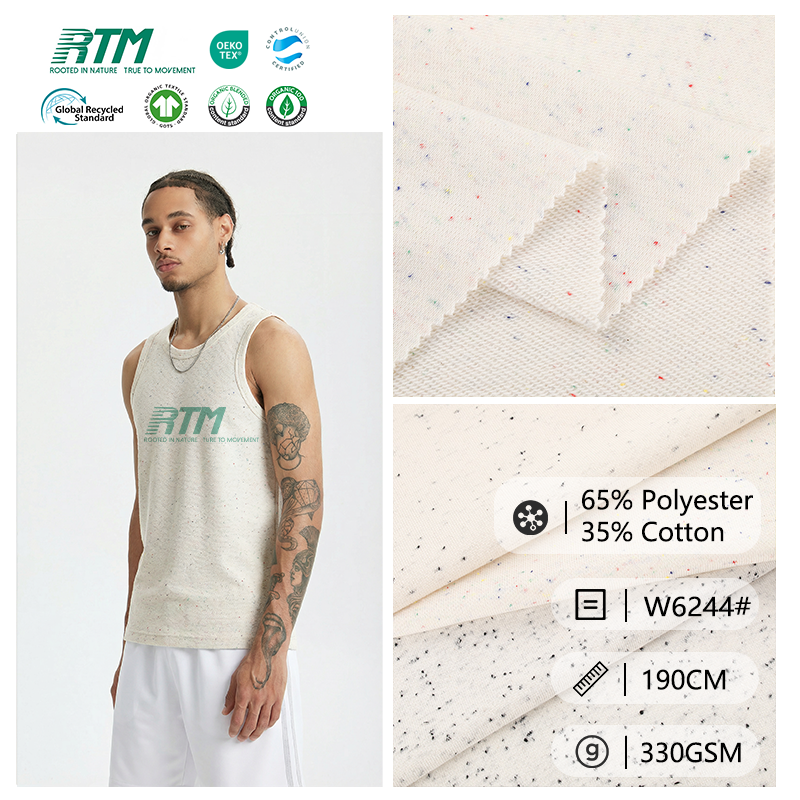
The fiber blend used in French Terry construction directly impacts the comfort profile delivered to streetwear consumers. Traditional cotton-based French Terry provides natural softness and breathability, making it ideal for moderate climates and consumers who prioritize organic fiber content. However, contemporary streetwear often incorporates polyester blends that introduce dimensional stability, faster drying times, and enhanced color retention—critical factors when garments undergo frequent washing or exposure to urban pollution. A typical performance blend might combine 65% polyester with 35% cotton, balancing the moisture-wicking properties and durability of synthetic fibers with the natural comfort and absorbency of cotton.
Some advanced French Terry fabrics integrate elastane or spandex content ranging from 2-5%, introducing mechanical stretch that accommodates body movement without fabric distortion. This elastic recovery becomes particularly valuable in streetwear silhouettes that feature dropped shoulders, extended sleeves, or oversized cuts—the stretch component ensures these design elements maintain their intended shape throughout wear cycles rather than sagging or losing definition. The comfort advantage here extends beyond initial touch to include shape retention that preserves the garment's visual impact and prevents the baggy, worn-out appearance that undermines streetwear's carefully crafted aesthetic.
Thermal Regulation in Urban Environments
Adaptive Temperature Management
Urban environments present unique thermal challenges that French Terry addresses through its inherent temperature-regulating properties. City dwellers frequently transition between heated indoor spaces—transit vehicles, retail environments, workplaces—and outdoor conditions that may vary significantly throughout a single day. The looped interior surface of French Terry creates insulating air pockets that provide warmth in cooler conditions, yet the open structure of these loops allows excess heat and moisture to dissipate when body temperature rises, preventing the overheating common with sealed synthetic shells or heavy fleece constructions.
This thermal adaptability makes French Terry particularly suitable for layering strategies central to streetwear styling. A French Terry hoodie can function as a mid-layer under a windbreaker during morning commutes, then serve as an outer layer when temperatures rise, or work as standalone piece in controlled indoor environments—all while maintaining wearer comfort. The fabric's moderate insulation profile avoids the temperature extremes of either thin jersey fabrics that provide insufficient warmth or heavyweight fleece that causes sweating in mildly cool conditions, positioning French Terry as the optimal choice for unpredictable urban microclimates.
Moisture Management During Active Wear
The physical activity inherent in urban mobility—walking between destinations, climbing stairs in transit stations, cycling through traffic—generates perspiration that can compromise comfort if fabric systems fail to manage moisture effectively. French Terry excels in this application through its absorption capacity and vapor transmission characteristics. The cotton content in blended French Terry absorbs moisture from the skin surface, while the looped structure increases the fabric's total surface area exposed to air, accelerating evaporation rates compared to flat-knit alternatives.
When polyester fibers are incorporated into the French Terry construction, the fabric gains hydrophobic properties that complement cotton's absorbency—polyester components actively transport moisture away from the body through capillary action, spreading it across the fabric's exterior surface where evaporation occurs more rapidly. This synergistic moisture management prevents the damp, cold sensation that occurs when sweat accumulates against the skin, maintaining thermal comfort even during periods of exertion. For streetwear wearers who value both style and function, this performance attribute allows them to maintain their aesthetic without sacrificing comfort during active urban routines.
Tactile Comfort and Skin-Friendly Properties
Surface Softness and Hand Feel
The immediate tactile experience of French Terry contributes significantly to its comfort reputation in streetwear applications. The looped interior creates a plush, cushioned surface that feels gentle against bare skin, reducing friction and irritation during extended wear periods. This softness proves especially valuable in streetwear garments worn directly against the skin—hoodies without undershirts, cropped sweatshirts, or oversized pieces where fabric contacts the neck, arms, and torso. Unlike brushed fleece that can feel overly warm or create static, or flat jersey that may feel thin and insubstantial, French Terry provides substantial comfort without thermal burden.
The quality of softness in French Terry fabrics varies considerably based on yarn preparation and finishing processes. Premium streetwear brands often specify enzyme-washed or silicone-finished French Terry that enhances the initial hand feel and accelerates the broken-in comfort that typically develops only after multiple wash cycles. This pre-conditioning delivers immediate comfort that meets consumer expectations for luxury streetwear, while also indicating fabric quality that will maintain its pleasant tactile properties through extended use rather than degrading into roughness or pilling.
Reduced Irritation for Sensitive Skin
Urban consumers increasingly report skin sensitivities related to synthetic materials, chemical finishes, and fabric textures that cause itching or rashes during prolonged contact. French Terry addresses these concerns through several mechanisms—the natural fiber content provides hypoallergenic properties, the looped structure minimizes direct surface contact area compared to tight-knit fabrics, and the breathability prevents the moisture accumulation that exacerbates skin irritation. For streetwear audiences who wear hoodies and sweatshirts as daily uniforms rather than occasional pieces, this skin-friendly profile becomes a decisive comfort factor.
The dimensional stability of quality French Terry further contributes to comfort by preventing the fabric distortion that can create pressure points or binding. Cheaper knit fabrics may stretch unevenly during wear, creating tight spots around armholes, necklines, or waistbands that restrict circulation or chafe skin. Premium French Terry maintains consistent tension across the garment, distributing fabric weight evenly and eliminating the localized discomfort that forces wearers to constantly adjust or reposition their clothing throughout the day.
Durability and Long-Term Comfort Retention
Resistance to Wear and Pilling
The comfort advantages of French Terry extend beyond initial wear to include sustained performance through repeated use and laundering cycles—a critical consideration for streetwear pieces that often serve as wardrobe staples worn multiple times weekly. The knit structure of French Terry inherently resists the pilling and surface fuzzing that degrades both appearance and comfort in lower-quality fabrics. The looped yarns interlock in ways that prevent fiber migration to the surface, while the substantial fabric weight provides enough material integrity to withstand abrasion from backpack straps, seatbelts, and other friction sources common in urban environments.
When French Terry incorporates polyester content, durability increases substantially without sacrificing comfort characteristics. Polyester fibers possess higher tensile strength than cotton, reinforcing the fabric structure and extending garment lifespan. This durability translates to retained comfort—garments maintain their shape, softness, and moisture management properties rather than becoming stretched, thin, or stiff after moderate use. For consumers investing in streetwear pieces at premium price points, this longevity justifies the purchase and ensures the comfort experience remains consistent throughout the garment's functional life.
Colorfastness and Finish Retention
Visual comfort—the psychological satisfaction derived from wearing clothing that maintains its intended appearance—represents an often-overlooked dimension of garment comfort in streetwear contexts where aesthetic expression carries significant personal meaning. French Terry's ability to retain dye saturation and finish characteristics through washing cycles preserves both the visual impact and the tactile comfort that initially attracted the wearer. Fabrics that fade unevenly, develop pilling, or lose their surface treatments quickly feel less comfortable to wear regardless of their technical properties, as the wearer becomes self-conscious about the garment's degraded appearance.
Advanced French Terry constructions may incorporate solution-dyed polyester fibers where pigment is integrated into the polymer before extrusion, creating colorfast properties that vastly exceed conventionally dyed fabrics. This technical approach ensures the bold, saturated colors characteristic of streetwear aesthetics remain vibrant through extended use, maintaining the visual comfort that makes wearers reach for these pieces repeatedly. The combination of sustained tactile comfort and preserved appearance creates a comprehensive comfort experience that distinguishes quality French Terry from inferior alternatives.
Practical Comfort in Streetwear Applications
Movement Freedom and Drape
The physical comfort of French Terry in streetwear applications derives partly from its drape characteristics and mechanical flexibility. Unlike rigid woven fabrics or stiff bonded materials, French Terry possesses natural stretch and recovery that accommodates body movement without restriction. This property proves essential in streetwear silhouettes that emphasize relaxed fits and dropped proportions—the fabric follows body contours without clinging, maintains oversized shapes without collapsing, and allows full range of motion during activities from skateboarding to subway navigation.
The weight and body of French Terry contribute to garment silhouettes that look intentionally designed rather than accidentally oversized. When cut into hoodies, crewnecks, or sweatpants, French Terry provides enough structure to create clean lines and defined shapes, yet remains flexible enough to move naturally with the wearer. This balance eliminates the comfort compromises inherent in either flimsy fabrics that twist and ride up during activity, or heavy materials that feel cumbersome and restrictive. The resulting comfort profile supports the relaxed, effortless aesthetic central to streetwear while delivering genuine ease of wear.
Practical Maintenance and Care
Comfort in daily wear extends to garment care requirements, particularly for streetwear consumers who prioritize convenience and practicality. French Terry accommodates standard home laundering without special treatments or professional cleaning, maintaining its comfort properties through machine washing and drying. The fabric resists shrinkage when properly manufactured, avoiding the fit changes that compromise comfort in garments that become too tight after laundering. Quick-drying properties, especially in polyester-blended versions, mean garments return to wearable condition rapidly, supporting frequent rotation in active wardrobes.
The wrinkle-resistant nature of French Terry eliminates the maintenance burden of ironing or steaming, allowing garments to be worn directly from storage with minimal preparation. This ease of care contributes to psychological comfort—wearers can focus on styling and personal expression rather than garment upkeep. For urban lifestyles characterized by time constraints and competing priorities, fabrics that maintain comfort and appearance without demanding intensive care routines deliver value that extends beyond the material properties themselves.
FAQ
How does French Terry compare to fleece for streetwear comfort?
French Terry provides superior breathability and temperature regulation compared to fleece, making it more comfortable for active urban wear and variable indoor-outdoor transitions. While fleece offers greater insulation, it traps heat and moisture more readily, often causing overheating in moderate temperatures or during physical activity. French Terry's looped interior creates adequate warmth without the thermal burden of fleece, while its more refined exterior appearance aligns better with streetwear aesthetics. For year-round comfort in urban environments, French Terry delivers better versatility than fleece alternatives.
Can French Terry fabrics maintain comfort through frequent washing?
Quality French Terry fabrics maintain their comfort characteristics through extensive wash cycles when properly constructed and cared for according to manufacturer guidelines. The knit structure resists breakdown better than woven alternatives, while polyester-cotton blends enhance dimensional stability and prevent the softening degradation that pure cotton may experience. To maximize longevity, washing in cool water, avoiding excessive heat in drying, and using gentle detergents preserve the looped texture and fabric integrity. Premium French Terry used in quality streetwear should retain its softness, shape, and moisture management properties through hundreds of wear and wash cycles.
Why does French Terry work better than regular cotton jersey for hoodies?
French Terry surpasses regular cotton jersey in hoodie applications due to its superior structure, weight, and comfort properties. The looped interior provides cushioned softness and moisture absorption that flat jersey cannot match, while the increased fabric weight creates better drape and shape retention in oversized silhouettes. French Terry's thickness prevents transparency issues common with jersey, maintains hood structure without limpness, and provides appropriate warmth for layering without bulk. The dimensional stability of French Terry ensures sleeves, hems, and hoods maintain their intended proportions rather than stretching out, preserving both comfort and appearance throughout the garment's life.
Does the polyester content in blended French Terry reduce comfort?
Modern polyester-cotton French Terry blends enhance rather than diminish comfort when properly engineered for apparel applications. Polyester contributes moisture-wicking properties that actively move perspiration away from skin, faster drying times that prevent dampness, shape retention that maintains fit comfort, and color durability that preserves visual satisfaction. The key lies in blend ratios and fiber quality—premium blends using fine-denier polyester maintain the soft hand feel of cotton while adding performance benefits. For urban streetwear where garments undergo frequent wear and washing, polyester content typically improves long-term comfort retention compared to pure cotton alternatives that may lose shape or soften excessively.