
 EN
EN



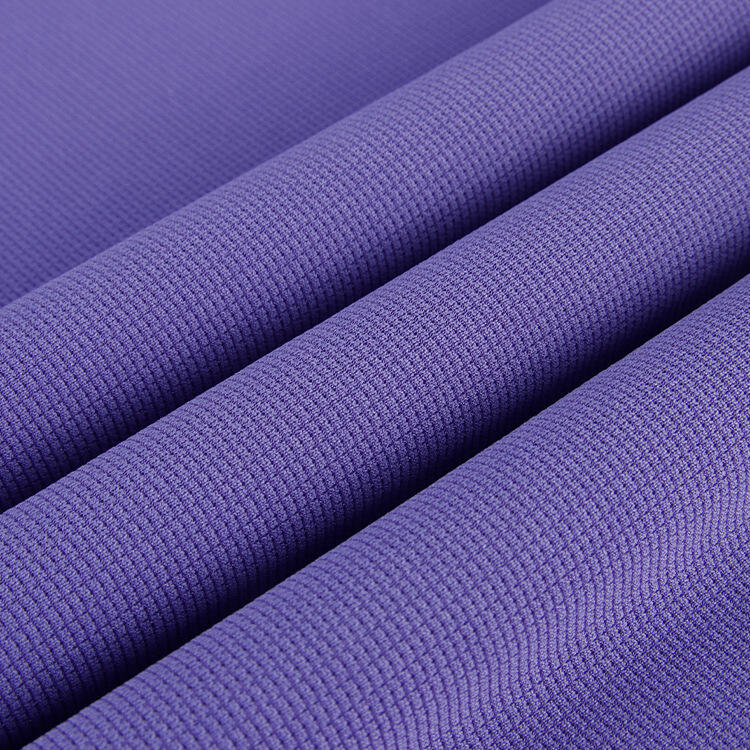
Creating polished, professional garments requires careful attention to finishing details, and few elements are as critical as collars and cuffs. These components not only frame the garment but also endure significant stress through repeated wear and laundering. Rib fabric has emerged as the preferred material for these applications due to its unique structural properties that combine elasticity, recovery, and aesthetic refinement. Understanding how to properly integrate rib fabric into collar and cuff construction enables designers to elevate garment quality while ensuring long-lasting performance and wearer comfort.
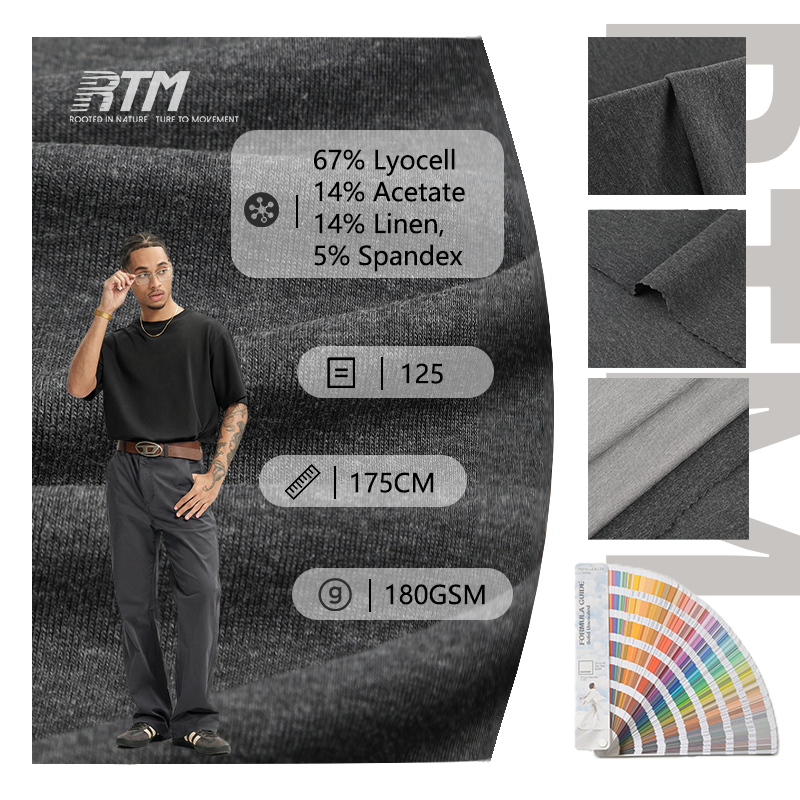
The application of rib fabric in collar and cuff design requires systematic planning from initial pattern development through final construction techniques. Designers must consider fabric weight, stretch properties, fiber composition, and finishing methods to achieve optimal results. This comprehensive approach ensures that collars maintain their shape around the neckline without gapping or rolling, while cuffs provide secure fit at the wrists without restricting movement. By mastering the technical aspects of rib fabric application, garment professionals can consistently produce refined pieces that meet both aesthetic and functional standards in contemporary fashion and uniform manufacturing.
Understanding Rib Fabric Structure for Collar and Cuff Applications
The Mechanical Properties That Make Rib Fabric Ideal
Rib fabric derives its exceptional suitability for collars and cuffs from its distinctive knit construction, which creates vertical wales on both fabric faces. This double-knit structure produces inherent elasticity in the crosswise direction while maintaining stability lengthwise, a property combination perfectly suited to collar and cuff requirements. When applied to necklines, rib fabric naturally contracts to follow body contours without creating excessive bulk, while at wrist openings it provides gentle compression that keeps sleeves in position during activity. The balanced recovery of quality rib fabric ensures these components return to their original dimensions after stretching, preventing the sagging and distortion that compromise garment appearance over time.
The ribbed surface texture also contributes practical advantages beyond mechanical performance. The vertical ridge pattern creates visual interest that distinguishes collar and cuff areas from main garment panels, establishing clear design demarcation without requiring contrasting colors or additional trim. This textural differentiation works particularly well in casual sportswear, activewear, and contemporary knitwear where subtle detailing enhances overall design sophistication. Additionally, the three-dimensional surface structure of rib fabric provides slightly increased insulation at collar and cuff zones, offering enhanced comfort in transitional weather conditions while maintaining breathability through the open knit construction.
Fiber Content Considerations for Performance Optimization
Selecting appropriate fiber composition in rib fabric directly impacts the performance characteristics of finished collars and cuffs. Cotton-rich rib fabric blends offer excellent moisture absorption and skin comfort, making them ideal for casualwear and everyday garments where breathability and natural hand feel are priorities. The addition of elastane or spandex fibers, typically ranging from four to eight percent, dramatically enhances recovery properties while maintaining the natural aesthetic of cotton-dominant blends. This fiber combination ensures collars retain their snug fit around the neckline through repeated wear cycles, while cuffs maintain consistent compression at the wrists without becoming loose or stretched.
Alternative fiber compositions address specific performance requirements in specialized garment categories. Lyocell and modal blends in rib fabric provide exceptional softness and drape, particularly valuable in premium base layers and intimate apparel where skin contact comfort is paramount. Synthetic fiber blends incorporating polyester or nylon deliver enhanced durability and color retention in activewear applications where frequent laundering and exposure to perspiration demand robust performance. Wool-blend rib fabric offers natural temperature regulation and resilience in cold-weather garments, though these formulations require more careful handling during construction to prevent distortion. Understanding these fiber-specific characteristics allows designers to match rib fabric selection precisely to intended garment use and target market expectations.
Weight and Gauge Selection for Specific Garment Types
The weight and knitting gauge of rib fabric must align with the scale and structure of the base garment to achieve visual harmony and functional performance. Lightweight rib fabric weighing between 180 and 220 grams per square meter works optimally for refined applications such as polo shirts, lightweight cardigans, and spring-season tops where delicate proportions prevent collars and cuffs from appearing heavy or stiff. These finer gauge constructions typically feature one-by-one or two-by-one rib patterns that create subtle texture without excessive bulk, ensuring smooth transitions between body fabric and trim components. The reduced weight also facilitates easier sewing and finishing, particularly when working with delicate base materials that could pucker under heavier trim application.
Medium to heavyweight rib fabric ranging from 240 to 320 grams per square meter provides the substantial hand and visual presence required for outerwear, sweatshirts, and cold-weather garments. These heavier constructions typically employ wider rib patterns such as two-by-two or three-by-three configurations that create pronounced texture and enhanced warmth retention. The increased fabric density delivers superior shape retention in larger collar structures and wider cuff bands, ensuring these components maintain their intended form even when supporting heavier garment weight. However, heavier rib fabric demands adjusted construction techniques including appropriate needle selection, modified stitch length, and potentially reinforced seam construction to accommodate the increased material thickness without causing equipment strain or seam failure.
Pattern Development and Cutting Techniques for Rib Fabric Components
Calculating Proper Dimensions for Collar Bands
Accurate collar band dimensioning represents the foundation of successful rib fabric application in neckline finishing. The collar band must be cut shorter than the neckline opening to create the negative ease necessary for proper fit and appearance. Standard practice involves calculating collar band length at approximately eighty to ninety percent of the finished neckline measurement, with the exact ratio depending on the stretch characteristics of the specific rib fabric being used. Fabrics with higher elastane content and greater recovery require more aggressive reduction ratios, while those with minimal stretch need more conservative adjustments to prevent excessive strain during attachment. This dimensional relationship ensures the collar sits smoothly against the neck without gapping or standing away from the body.
Collar band width calculation must account for both aesthetic proportions and practical functionality. Finished collar widths typically range from two to four centimeters for refined applications, extending to six to eight centimeters for more casual or athletic styling. When cutting rib fabric for collars, designers must add seam allowances to both long edges plus account for the fold line if creating a self-faced collar construction. The grain direction of rib fabric placement significantly affects performance, with the ribs typically oriented vertically when the collar is in wearing position to maximize circumferential stretch while preventing vertical growth that could cause the collar to become floppy or lose its structure over time.
Engineering Cuff Bands for Optimal Fit and Function
Cuff band development follows similar negative ease principles but requires additional consideration for the functional demands of wrist openings. The circumference of rib fabric cuff bands should measure approximately seventy to eighty-five percent of the intended wrist opening, creating sufficient compression to keep sleeves in position while allowing comfortable hand passage during dressing. This reduction ratio must be carefully balanced against the stretch limits of the specific rib fabric being used, as excessive compression can cause equipment damage during sewing or create uncomfortable restriction for the wearer. Testing with sample constructions using actual production fabric ensures the calculated dimensions will perform as intended across the full size range.
Cuff height determination depends on garment style and intended use category. Sport and activewear garments typically feature taller cuffs ranging from six to twelve centimeters to provide extended coverage and secure fit during movement, while dress casual and refined sportswear employ shorter cuffs of three to six centimeters for a more tailored appearance. The grain orientation of rib fabric in cuff applications mirrors collar construction, with ribs running vertically to maximize circumferential stretch. When cutting cuff bands, maintaining consistent stretch direction across all pieces ensures uniform performance throughout the garment size run, preventing fit variations that could compromise quality perception or return rates in commercial production.
Cutting Methods That Preserve Fabric Integrity
Proper cutting techniques are essential when working with rib fabric to prevent edge distortion and maintain accurate component dimensions. Rotary cutting tools with sharp blades produce the cleanest edges with minimal fabric disturbance, particularly important when cutting narrow collar and cuff bands where even slight edge rolling can affect finished appearance. When using straight knife cutting machines in production environments, reduced cutting height and slower blade speed help minimize fabric compression and stretching during the cutting process. Pattern weights or temporary pinning should secure rib fabric during cutting rather than relying on fabric tension, as stretching the material during cutting will result in components that contract to smaller than intended dimensions once released.
Layout planning for rib fabric components requires attention to directional consistency and efficient material utilization. All collar and cuff pieces for a single garment should be cut from the same fabric direction to ensure matching stretch characteristics and visual appearance. When working with dyed or finished rib fabric, checking for directional shading differences prevents mismatched components in the finished garment. Nesting patterns efficiently while maintaining proper grain alignment maximizes yield from rib fabric yardage, though designers should avoid extreme pattern manipulation that could compromise the intended stretch properties of cut components. Allowing cut pieces to relax for several hours before sewing enables any cutting-induced tension to dissipate, ensuring more predictable behavior during assembly operations.
Construction Techniques for Professional Collar and Cuff Application
Seam Selection and Stitch Parameter Optimization
The seam construction method used to attach rib fabric collars and cuffs fundamentally affects both appearance and durability of the finished garment. Flatlock seaming produces the cleanest, most professional appearance for rib fabric applications, creating a flat, flexible seam that follows the natural stretch of the material without creating bulk or rigidity. This seam type works particularly well for visible collar and cuff attachments where the seam becomes a design feature rather than a structural necessity to hide. The three or four-thread flatlock configuration provides adequate strength for these applications while maintaining the flexibility necessary to accommodate the stretch characteristics of rib fabric during wear and laundering.
Overlock seaming represents the standard industrial approach for most collar and cuff applications, offering excellent strength, stretch accommodation, and efficient production speed. A four-thread or five-thread overlock configuration provides the security necessary for these high-stress garment areas while the multiple needle threads create sufficient width to distribute tension across the seam zone. Stitch density should be calibrated to the weight and stretch of the specific rib fabric being used, with typical settings ranging from twelve to fifteen stitches per inch for medium-weight materials. Excessive stitch density can create rigid seams that inhibit natural fabric stretch and may cause seam puckering, while insufficient density risks inadequate seam strength and potential failure during aggressive wear or laundering.
Attachment Sequence and Tension Management
The sequence in which rib fabric components are attached to garment bodies significantly impacts ease of construction and quality of finished results. Collar attachment typically occurs after shoulder seams are completed but before side seams are closed, allowing flat access to the neckline area and easier manipulation of both collar band and body fabric. The collar band should first be formed into a continuous loop by joining its short ends, then quartered with marking pins or temporary stitches that correspond to center front, center back, and shoulder seam positions on the neckline. This quartering method ensures even distribution of the collar band around the neckline opening, preventing localized stretching or gathering that would compromise appearance and fit.
During actual attachment, controlled tension application represents the critical factor in achieving professional results with rib fabric. The collar or cuff band should be stretched evenly to match the length of the opening to which it is being attached, with this stretching distributed uniformly rather than concentrated in specific areas. Many industrial machines feature differential feed mechanisms that automatically manage this tension relationship, with typical settings ranging from 0.7 to 0.9 ratio to create the necessary negative ease. When sewing manually or on standard equipment, operators must develop the skill to maintain consistent tension throughout the seam, avoiding the common error of stretching more aggressively at seam beginning and end points, which creates wavy, unprofessional-looking attachments.
Topstitching and Edge Finishing Methods
Topstitching around collar and cuff attachments serves both functional and aesthetic purposes in refined garment construction. A single or double row of cover stitch topstitching secures the seam allowances in position, preventing them from rolling or twisting inside the garment during wear and laundering. This topstitching also creates visual definition that emphasizes the collar and cuff as distinct design elements while demonstrating construction quality and attention to detail. The cover stitch format provides the stretch necessary to move with rib fabric without popping or breaking, using a looping underside structure that flexes under tension rather than the locked stitches that could fail in stretch applications.
Thread selection for topstitching on rib fabric applications requires consideration of both strength and stretch compatibility. Textured polyester thread offers excellent strength and recovery properties that match the behavior of rib fabric blends containing elastane, preventing thread breakage during extreme stretch events while maintaining seam integrity through repeated laundering. Thread color can either match the rib fabric for a tonal, refined appearance or contrast intentionally to emphasize the topstitching as a design detail. Stitch length for cover stitch topstitching typically ranges from three to four millimeters, balancing adequate stitch density for security with sufficient length to prevent stitch buildup that could create stiffness or interfere with natural fabric drape and recovery.
Quality Control and Performance Testing Standards
Dimensional Stability Assessment
Rigorous dimensional stability testing ensures that rib fabric collars and cuffs maintain their intended fit and appearance through the garment lifecycle. Initial testing should measure collar and cuff dimensions immediately after construction, then again after laundering cycles that simulate typical consumer care. Industry standards typically require measurement after three and five wash cycles using appropriate temperature and agitation settings for the garment category. Acceptable performance allows no more than five percent dimensional change in collar circumference and cuff opening measurements, ensuring the garment continues to fit as intended rather than becoming loose and sloppy or conversely, uncomfortably tight due to fabric shrinkage.
Vertical growth testing specifically assesses whether collar bands begin to elongate and lose their structure after repeated wear and washing. This phenomenon, often called 'bacon neck' in industry terminology, results from inadequate fabric recovery or inappropriate construction methods that allow the collar to stretch permanently in the vertical dimension. Testing protocols involve hanging weighted garments to simulate extended wear periods, with collar height measured at regular intervals. Premium quality garments using properly selected and constructed rib fabric should show minimal vertical elongation, typically less than three percent, ensuring collars maintain their crisp, professional appearance rather than becoming saggy and distorted.
Seam Performance and Durability Verification
Seam strength testing for collar and cuff attachments must verify that these high-stress areas can withstand forces encountered during normal wear and aggressive laundering. Standard testing protocols apply controlled tension perpendicular to the seam line, measuring the force required to cause seam failure through either thread breakage or fabric tearing. Acceptable performance standards vary by garment category, but collar and cuff seams should generally withstand forces of at least forty to fifty Newtons without failure, significantly exceeding the typical stresses encountered during dressing, movement, or laundering activities.
Seam appearance retention testing evaluates whether topstitching and edge finishing remain intact and attractive after laundering and wear simulation. This assessment examines stitch formation quality, checking for skipped stitches, irregular tension, or thread deterioration that could compromise appearance or structural integrity. The seam should lie flat without puckering, rolling, or creating visible ridges that would indicate tension imbalance or inappropriate stitch parameter selection. Rib fabric used in collar and cuff applications should not show excessive needle damage or holes along stitch lines, which could indicate inappropriate needle selection or excessive sewing tension during construction operations.
Comfort and Fit Evaluation Through Wear Testing
Systematic wear testing provides invaluable real-world performance data about collar and cuff comfort and functionality that laboratory testing alone cannot reveal. Test protocols typically involve multiple wearers representing the target size range wearing sample garments for extended periods during activities appropriate to the garment category. Evaluators assess whether collars maintain comfortable contact around the neck without creating pressure points, chafing, or gaps that allow the collar to lift away from the body. Cuff performance evaluation examines whether the bands stay in position at the wrists during arm movement without sliding down the forearms or creating uncomfortable compression that restricts circulation.
Feedback collection during wear testing should specifically address how rib fabric components perform across different environmental conditions and activity levels. Premium rib fabric formulations maintain their comfort and performance characteristics across temperature variations, neither becoming excessively stiff in cold conditions nor losing elasticity and support in warm, humid environments. The moisture management properties of the rib fabric blend should prevent collars and cuffs from becoming uncomfortably saturated or remaining damp for extended periods after perspiration or washing. This comprehensive wear testing approach ensures that technical specifications and construction methods translate into genuine wearing satisfaction for end consumers.
FAQ
What stretch percentage should rib fabric have for collar and cuff applications?
Optimal rib fabric for collars and cuffs should demonstrate thirty to fifty percent stretch in the cross-grain direction with at least ninety percent recovery after stretching. This range provides sufficient elasticity to create the negative ease necessary for proper fit while ensuring the components return to their original dimensions after stress. Fabrics with less than thirty percent stretch may not provide adequate ease of dressing or comfortable fit, while those exceeding sixty percent stretch often lack the structural stability necessary to maintain shape over time. The recovery percentage is equally important, as fabrics that stretch adequately but fail to fully recover will gradually become loose and lose their functional effectiveness.
Can rib fabric be used for collars in woven shirt construction?
Yes, rib fabric collars can be successfully integrated into woven shirt designs to create sport-casual hybrid styles that combine the structure of woven bodies with the comfort and flexibility of knit collars. This approach works particularly well for performance dress shirts, travel-friendly business casual garments, and contemporary sport shirts where enhanced comfort and reduced wrinkling are valued attributes. The construction technique requires careful management of the transition between woven body fabric and knit collar, typically using a facing or reinforcement at the neckline seam to prevent distortion. The rib fabric selected for these applications should have moderate rather than aggressive stretch to maintain appropriate formality and prevent excessive casualization of the garment appearance.
How should rib fabric collars and cuffs be pressed during finishing?
Pressing rib fabric components requires reduced temperature and minimal pressure compared to woven fabrics to prevent flattening the dimensional rib structure or causing permanent distortion. Steam rather than dry heat works most effectively, using temperatures between 140 and 160 degrees Celsius depending on fiber content, with synthetic blends requiring lower settings. The pressing motion should be gentle laying and lifting rather than sliding or aggressive pressure that could stretch the fabric. Many manufacturers use specialized collar and cuff pressing equipment with curved surfaces that conform to the dimensional shape of these components. After pressing, rib fabric should be allowed to cool completely in its relaxed position before handling to ensure dimensional stability, as moving the fabric while still warm can cause unintended stretching or shape distortion.
What causes rib fabric cuffs to lose elasticity over time?
Loss of elasticity in rib fabric cuffs typically results from degradation of elastane fibers due to exposure to heat, chlorine, perspiration salts, or mechanical fatigue from repeated stretching. High-temperature laundering and machine drying accelerate elastane breakdown, as these synthetic fibers begin to lose molecular integrity above certain temperature thresholds. Chlorine-based bleaches and some body care products containing certain alcohols or oils can chemically attack elastane, causing permanent damage. Mechanical fatigue occurs when cuffs are repeatedly stretched beyond their optimal range or maintained in stretched positions for extended periods. Preventing elasticity loss requires proper care including washing in cool to warm water, avoiding chlorine bleach, air drying or using low tumble heat, and selecting rib fabric with appropriate stretch ratios that do not require extreme extension to achieve the desired fit.