
 EN


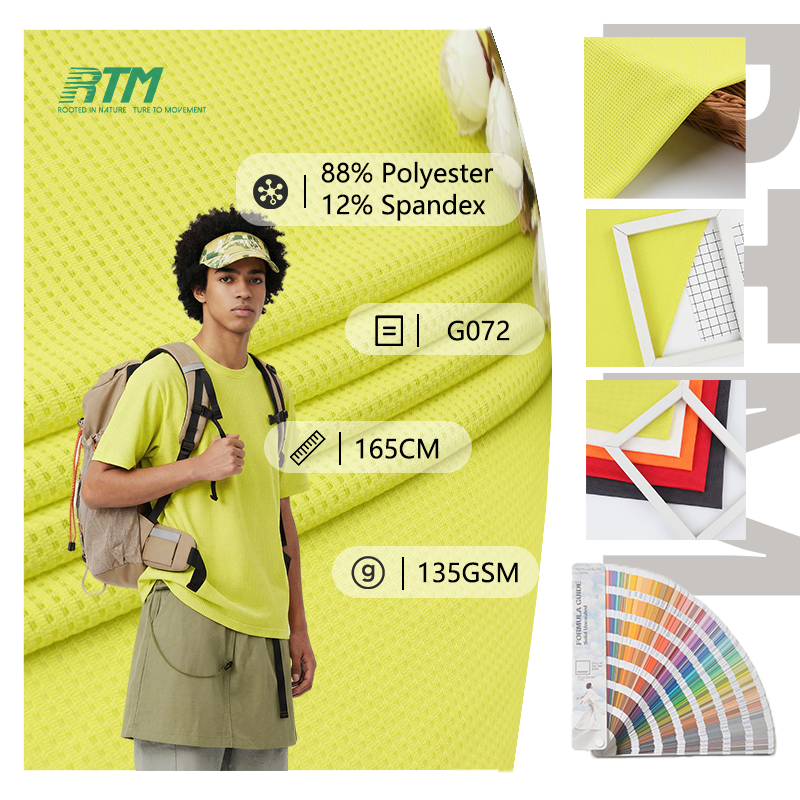
Colorfastness is a critical quality attribute for dyed nylon spandex fabric used in sportswear, swimwear, and activewear applications. The combination of nylon fibers with spandex elastane creates unique performance characteristics, but maintaining vibrant color through washing, exposure to sunlight, and chlorine requires careful attention throughout the production process. Poor colorfastness can result in fading, color bleeding, or uneven discoloration, ultimately compromising the aesthetic appeal and commercial value of finished garments. Understanding the factors that influence color retention in nylon spandex fabric is essential for manufacturers and textile professionals seeking to deliver consistent, high-quality products to their customers.
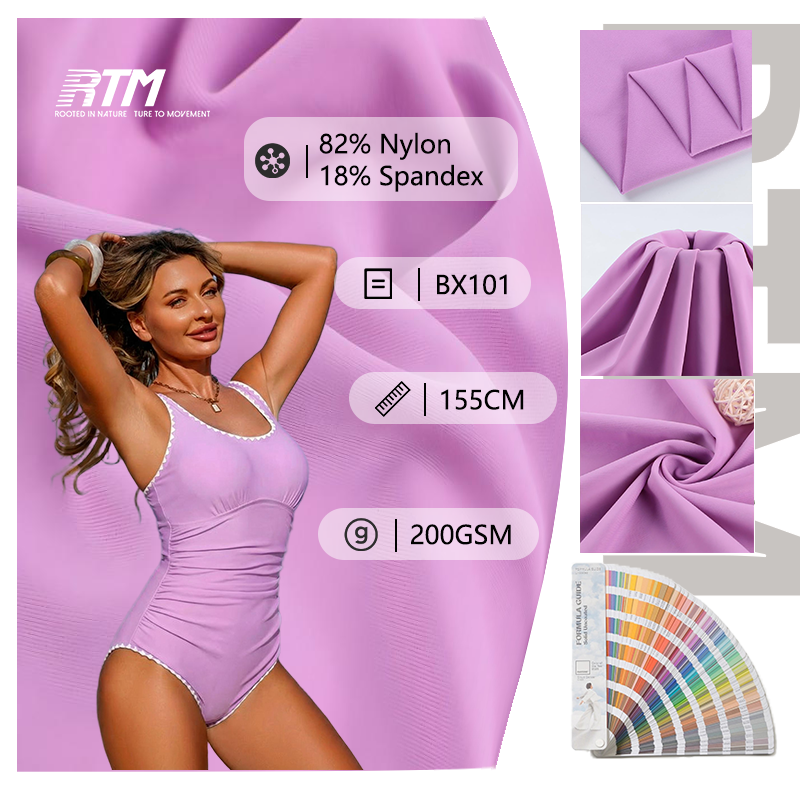
Ensuring excellent colorfastness in nylon spandex fabric requires a comprehensive approach that spans dyeing chemistry, process control, and post-treatment applications. Nylon spandex fabric presents distinct challenges because spandex fibers have different dyeing affinities and temperature tolerances compared to nylon filaments, necessitating carefully balanced dye formulations and heating profiles. The effectiveness of any colorfastness strategy depends on selecting appropriate dye types, optimizing dyeing parameters, implementing proper finishing treatments, and conducting rigorous quality testing before shipment. This guide explores the key methods and best practices for maintaining superior color retention in nylon spandex fabric throughout its lifecycle.
Selecting the Right Dye Chemistry for Nylon Spandex Fabric
Understanding Dye Types and Fiber Compatibility
The choice of dye significantly influences the colorfastness of nylon spandex fabric. Acid dyes are the most commonly used option for nylon fibers because they bond effectively to nylon's amino groups, creating strong color retention. However, nylon spandex fabric requires careful attention because spandex does not absorb acid dyes efficiently, meaning the color is primarily imparted to the nylon component while spandex may appear lighter or show uneven coloring. Reactive dyes offer an alternative for nylon applications, forming covalent bonds with the fiber that resist fading during washing and sunlight exposure. Disperse dyes, traditionally used for polyester, can supplement nylon spandex fabric formulations but should be evaluated for their contribution to overall colorfastness performance.
Optimizing Dye Liquor Formulation
Creating a balanced dye liquor is fundamental to achieving consistent colorfastness in nylon spandex fabric. The pH of the dyebath must be carefully controlled, typically between 4.5 and 5.5 for acid dyes on nylon spandex fabric, to ensure proper dye absorption without damaging spandex fibers. Insufficient acid promotes uneven dyeing and poor color exhaustion, while excessive acid can weaken both nylon and spandex, compromising fabric hand feel and elasticity. Auxiliaries such as leveling agents and penetrating agents help ensure uniform color distribution across nylon spandex fabric, reducing the risk of streaking or blotchy areas. The concentration of salt in the dyebath also requires precise control to promote even dye migration and exhaustion, preventing both under-dyeing and over-dyeing that would compromise colorfastness in nylon spandex fabric.
Controlling Dyeing Process Parameters
Temperature Management and Heating Rates
Temperature control is critical for achieving superior colorfastness in nylon spandex fabric because spandex begins to degrade at elevated temperatures, typically above 95–100°C depending on the specific elastane grade. Raising temperature too quickly can cause uneven dye fixation, weak bonding to nylon spandex fabric, and premature elastane degradation. A gradual heating rate of approximately 1–2°C per minute allows dye molecules to diffuse evenly into nylon fibers while protecting spandex from thermal damage. The peak dyeing temperature for nylon spandex fabric should typically remain between 85–95°C to balance colorfastness requirements with elastane preservation. Holding this optimal temperature for 30–60 minutes at pH 4.5–5.0 maximizes dye exhaustion and bonding strength, resulting in nylon spandex fabric with superior resistance to fading during use.
Time and Dyebath Stability
Extended dyeing duration supports deeper color penetration and more robust colorfastness in nylon spandex fabric. Short dyeing cycles of 20–30 minutes may result in surface dyeing that fades quickly, while longer cycles of 45–90 minutes allow dye molecules to fully exhaust and develop stronger color bonds within nylon spandex fabric. During dyeing, continuous gentle agitation prevents fiber tangling and ensures even exposure of nylon spandex fabric to the dye liquor. Water quality significantly impacts nylon spandex fabric colorfastness; hard water containing calcium and magnesium ions can interfere with dye absorption, so using softened or deionized water is recommended. Maintaining stable dyebath temperature and pH throughout the cycle prevents the formation of weak or variable color zones in nylon spandex fabric.
Implementing Post-Dyeing Treatments and Quality Assurance
Fixing and Rinsing Procedures
After dyeing, proper fixing and rinsing directly determine the final colorfastness of nylon spandex fabric. A fixing agent, such as cationic dyes or color fixatives, can be applied after the dyeing cycle to strengthen dye-fiber bonds and improve washfastness of nylon spandex fabric. The fixing step is performed at a lower temperature, typically 60–70°C, to avoid spandex damage while curing the dye bond. Thorough rinsing with gradually cooling water removes unfixed dyes and excess auxiliaries from nylon spandex fabric, reducing bleeding and staining during later washing and wear. For maximum colorfastness, nylon spandex fabric should be rinsed at least three to four times, gradually lowering water temperature from 60°C to 40°C and finally to cold water, ensuring complete removal of loose dyes before finishing steps.
Testing and Quality Control Standards
Rigorous testing protocols are essential to verify colorfastness of nylon spandex fabric before commercial shipment. ISO and AATCC standards define specific wash fastness, light fastness, and perspiration fastness tests that measure how well nylon spandex fabric resists color change and bleeding under real-world conditions. Wash fastness testing simulates multiple laundry cycles, revealing whether nylon spandex fabric maintains its color after typical consumer care. Light fastness testing exposes nylon spandex fabric to controlled UV radiation for extended periods to assess color stability in outdoor and sunny environments, particularly important for swimwear and beach apparel. Chlorine and salt water resistance testing is critical for evaluating nylon spandex fabric used in swimwear, as pool chlorine and ocean salt accelerate color degradation if the nylon spandex fabric is not properly treated.
FAQ
What causes color bleeding in nylon spandex fabric?
Color bleeding occurs when unfixed dyes remain on the surface of nylon spandex fabric after dyeing and rinsing. This typically results from insufficient dyebath exhaustion, inadequate fixing, or incomplete rinsing steps. Nylon spandex fabric with high residual dye will transfer color to adjacent garments or skin during washing or wearing. Ensuring optimal dyebath pH, adequate dyeing time, and thorough post-dyeing rinsing prevents this issue and ensures nylon spandex fabric maintains good colorfastness.
How does spandex content affect colorfastness of nylon spandex fabric?
Spandex does not absorb dyes as readily as nylon, so higher spandex percentages in nylon spandex fabric result in lighter appearance and potentially lower wash and light fastness ratings. The elastic fibers in nylon spandex fabric require special handling to avoid degradation, limiting the dyeing temperature and time that can be applied. Balancing spandex content between performance requirements and colorfastness goals is essential when formulating nylon spandex fabric specifications for athletic and swimwear applications.
Can pre-treatment improve colorfastness of nylon spandex fabric?
Yes, pre-treatment of nylon spandex fabric with scouring agents removes sizing, oils, and impurities that can inhibit even dye absorption. Clean, pre-treated nylon spandex fabric absorbs dyes more uniformly, resulting in better color development and superior fastness properties. Additionally, applying mordanting agents or conditioning treatments to nylon spandex fabric before dyeing can enhance dye bonding and improve overall colorfastness ratings across all test categories.