
 EN
EN


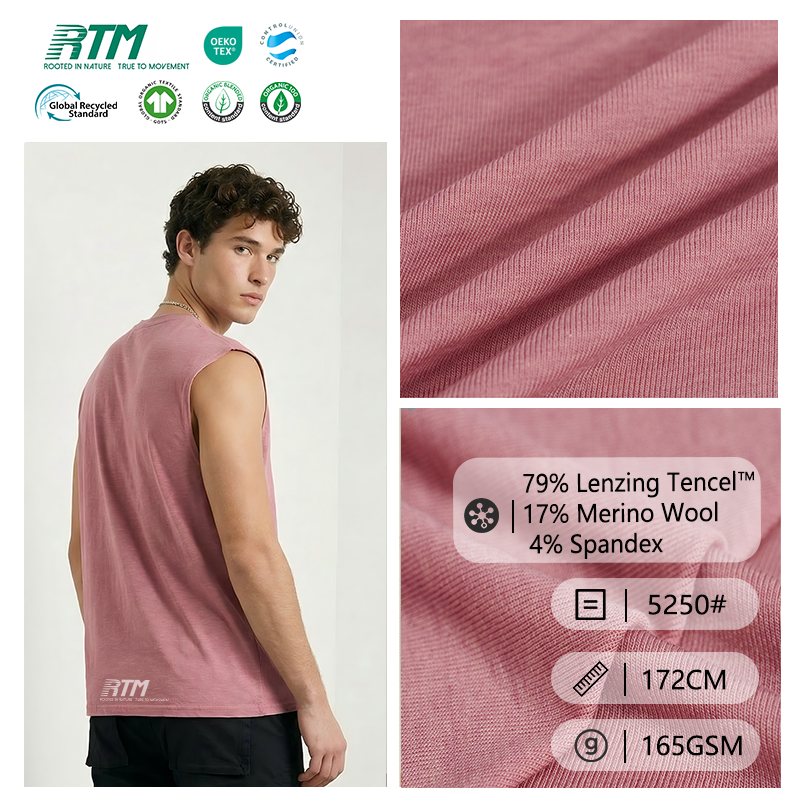
The global textile industry faces unprecedented pressure to align with sustainability standards as regulatory frameworks tighten and consumer expectations shift toward environmentally responsible production. Recycled fabrics have emerged as a strategic solution for manufacturers and brands seeking to demonstrate measurable environmental commitments while maintaining product performance and market competitiveness. Prioritizing recycled fabrics is no longer an optional enhancement but a fundamental requirement for businesses aiming to meet evolving compliance mandates, reduce resource dependency, and secure long-term viability in increasingly sustainability-conscious markets.
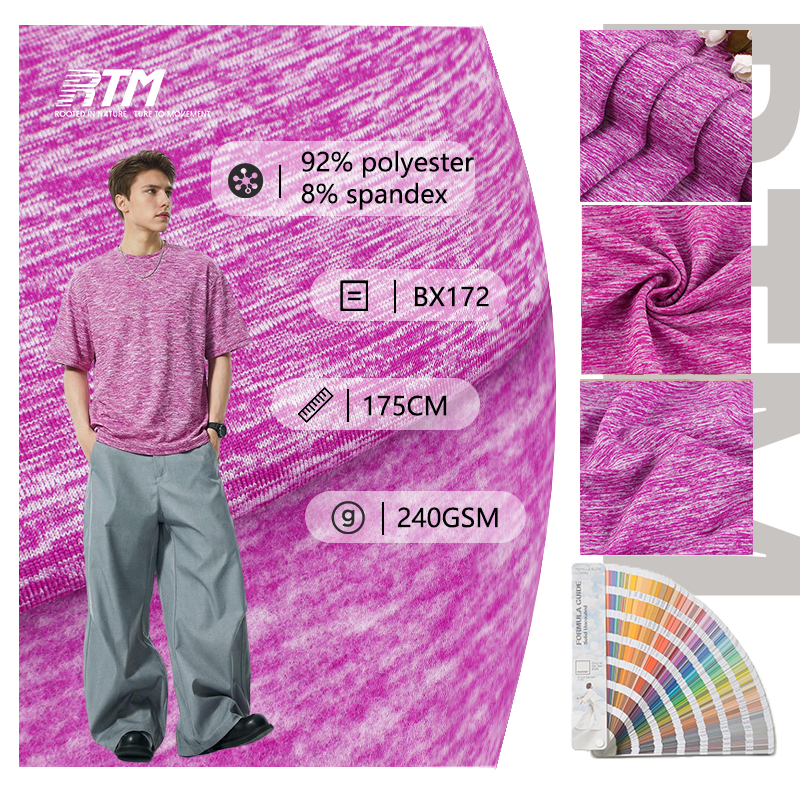
Understanding why recycled fabrics should be prioritized requires examining the intersection of environmental impact reduction, regulatory compliance mechanisms, supply chain resilience, and brand differentiation strategies. The adoption of recycled fabrics addresses critical sustainability metrics including carbon footprint reduction, water consumption minimization, waste diversion from landfills, and circular economy integration. As global sustainability standards become more stringent across regions including the European Union, North America, and Asia-Pacific markets, textile producers must proactively integrate recycled content to maintain market access, avoid penalties, and capitalize on emerging opportunities in sustainable product segments.
Regulatory Drivers Behind Recycled Fabric Adoption
Evolving Global Sustainability Standards and Compliance Requirements
International sustainability frameworks increasingly mandate minimum recycled content thresholds and transparency in material sourcing across textile supply chains. The European Union's Circular Economy Action Plan establishes binding targets for textile waste reduction and recycled material utilization, requiring manufacturers to demonstrate verifiable recycled content percentages in their products. Similar regulatory movements in California through extended producer responsibility legislation and in China through green manufacturing policies create compliance imperatives that make recycled fabrics essential rather than optional. These regulations typically include penalties for non-compliance, restricted market access for products failing to meet standards, and preferential treatment for verified sustainable materials.
Certification schemes such as the Global Recycled Standard, Recycled Claim Standard, and Cradle to Cradle certification provide frameworks for documenting and verifying recycled fabric content throughout manufacturing processes. Meeting these standards requires documented chain-of-custody tracking, third-party verification, and consistent quality control measures that validate environmental claims. Manufacturers prioritizing recycled fabrics position themselves to efficiently navigate these certification processes, reducing time-to-market for compliant products and avoiding costly retrofitting of production systems. The documentation infrastructure required for certification also creates operational efficiencies that benefit overall quality management and traceability systems.
Corporate Sustainability Reporting and Stakeholder Accountability
Institutional investors, corporate buyers, and retail partners increasingly demand detailed environmental performance data including recycled material utilization rates as part of sustainability reporting requirements. Major fashion brands and apparel retailers have established public commitments to achieve specific percentages of recycled content in their product lines by defined target years, creating downstream pressure on fabric suppliers to provide certified recycled fabrics. This stakeholder accountability extends beyond voluntary commitments to mandatory disclosure requirements under frameworks like the Task Force on Climate-related Financial Disclosures and emerging supply chain due diligence legislation.
The integration of recycled fabrics directly impacts multiple environmental performance indicators that companies must report including Scope 3 emissions, water usage intensity, and waste generation metrics. Brands that fail to demonstrate progress toward recycled content targets face reputational risks, potential delisting from sustainable investment indices, and reduced access to green financing mechanisms. Fabric manufacturers prioritizing recycled materials therefore become preferred suppliers for companies seeking to meet their own sustainability commitments, creating competitive advantages in procurement processes and long-term partnership opportunities. The alignment between supplier capabilities and buyer sustainability requirements has become a critical factor in vendor selection and contract renewal decisions.
Environmental Impact Reduction Through Recycled Fabric Systems
Resource Conservation and Emissions Reduction Benefits
The production of recycled fabrics generates substantially lower environmental impacts compared to virgin fiber production across multiple dimensions. Recycled polyester production, for example, requires approximately sixty percent less energy than virgin polyester manufacturing and reduces carbon dioxide emissions by significant margins according to lifecycle assessment studies. Water consumption decreases dramatically when using recycled feedstocks, as the water-intensive dyeing and finishing processes associated with virgin fiber production are partially or entirely avoided depending on the recycling technology employed. These resource efficiency gains translate directly into measurable contributions toward corporate carbon neutrality goals and water stewardship commitments.
Beyond direct production impacts, recycled fabrics contribute to waste diversion strategies that address the growing problem of textile waste accumulation in landfills and natural environments. Post-consumer textile waste represents millions of tons of material annually that could be recovered and reintegrated into production cycles rather than disposed of as waste. The prioritization of recycled fabrics creates demand signals that support the development of collection infrastructure, sorting facilities, and recycling technologies necessary to close material loops. This systemic approach addresses both the input side of resource consumption and the output side of waste generation, creating comprehensive environmental benefits that align with circular economy principles embedded in global sustainability standards.
Chemical Use Reduction and Pollution Prevention
Recycled fabrics often require fewer chemical inputs during processing compared to virgin materials, particularly when mechanical recycling methods are employed. The reduction in dyeing requirements for certain recycled fabrics decreases the release of hazardous substances into water systems, addressing pollution concerns that have led to stricter wastewater discharge regulations in textile manufacturing regions. Chemical recycling technologies, while more energy-intensive than mechanical methods, can produce high-purity recycled feedstocks that require minimal additional chemical treatment to achieve desired performance characteristics. This pollution prevention dimension is increasingly important as global sustainability standards incorporate stricter limits on hazardous substance use and discharge under frameworks such as ZDHC and REACH regulations.
The adoption of recycled fabrics supports broader chemical management improvements by encouraging manufacturers to implement cleaner production technologies and closed-loop chemical systems. Facilities that process recycled fabrics frequently invest in advanced wastewater treatment systems, chemical recovery processes, and substitution programs that replace hazardous substances with safer alternatives. These operational improvements create compliance advantages as environmental regulations become more stringent and enforcement mechanisms strengthen across manufacturing regions. The integration of recycled fabrics therefore serves as a catalyst for comprehensive environmental management system upgrades that extend beyond material selection to encompass entire production processes.
Market Positioning and Competitive Advantages
Consumer Demand Shifts and Brand Differentiation
Consumer awareness of environmental issues has driven measurable preference shifts toward products made with recycled fabrics, particularly among younger demographic segments and in developed markets. Market research consistently demonstrates that significant percentages of consumers express willingness to pay premium prices for products with verified sustainable attributes including recycled content. This consumer demand creates market opportunities for brands that prominently feature recycled fabrics in their product lines and communicate sustainability attributes through transparent labeling and marketing. The differentiation value of recycled fabrics extends beyond environmental benefits to include quality perceptions, as advanced recycling technologies now produce materials that match or exceed virgin fabric performance in key characteristics.
Brand positioning around recycled fabrics enables companies to access growing sustainable product market segments and build customer loyalty through alignment with consumer values. Retail channels increasingly feature dedicated sustainable product sections and filtering options that highlight recycled content, creating visibility advantages for products made with recycled fabrics. The storytelling potential associated with recycled materials provides marketing content that resonates with environmentally conscious consumers and generates engagement across digital platforms. Companies that prioritize recycled fabrics early gain first-mover advantages in establishing sustainability credentials and building brand associations that become difficult for competitors to replicate as sustainable product segments mature.
Supply Chain Resilience and Risk Mitigation
Diversifying material sources to include recycled fabrics reduces dependency on virgin raw material supply chains that face increasing volatility from resource scarcity, geopolitical factors, and climate-related disruptions. The development of local and regional recycling infrastructure creates alternative feedstock sources that can buffer against supply chain disruptions affecting virgin material production. This resilience dimension has gained strategic importance as global supply chains have experienced repeated disruptions and as sustainability standards increasingly emphasize regional sourcing and reduced transportation impacts. Manufacturers with established recycled fabric sourcing capabilities demonstrate operational flexibility that enhances business continuity and reduces exposure to raw material price volatility.
The integration of recycled fabrics also positions companies to anticipate and adapt to future regulatory changes rather than reacting under compliance pressure. Proactive adoption of recycled materials creates institutional knowledge, supplier relationships, and technical capabilities that require significant time to develop and cannot be rapidly replicated by competitors. This preparedness provides strategic advantages as sustainability standards evolve and as market expectations shift toward higher recycled content requirements. Companies that delay prioritization of recycled fabrics face increasing costs and complexity in achieving compliance as regulations tighten and as supply of high-quality recycled materials becomes concentrated among early-adopter partnerships.
Technical Performance and Quality Considerations
Advanced Recycling Technologies and Material Quality
Modern recycling technologies have eliminated previous quality compromises associated with recycled fabrics, enabling production of materials that meet rigorous performance specifications for demanding applications. Chemical recycling processes can break down polymer structures to molecular levels and rebuild them with virgin-equivalent properties, while advanced mechanical recycling systems incorporate sophisticated sorting and processing steps that preserve fiber integrity. These technological advances mean that recycled fabrics can now achieve the same durability, colorfastness, strength, and aesthetic qualities as virgin materials, removing technical barriers that previously limited their adoption in performance-critical and premium product categories.
The quality assurance systems surrounding recycled fabrics have matured significantly, with standardized testing protocols and certification requirements ensuring consistent performance characteristics. Manufacturers of recycled fabrics implement rigorous quality control measures including fiber length analysis, tensile strength testing, pilling resistance evaluation, and colorfastness verification to meet buyer specifications. The traceability systems required for recycled content verification also create transparency around material origins and processing histories that support quality management objectives. This combination of technological capability and quality assurance infrastructure means that prioritizing recycled fabrics no longer requires accepting performance trade-offs, removing a significant historical barrier to adoption.
Innovation Opportunities and Product Development
The development of recycled fabrics drives innovation in textile technology as manufacturers work to optimize recycling processes, improve material properties, and expand application possibilities. Investment in recycled fabric capabilities creates technical expertise and processing knowledge that can generate competitive advantages through proprietary methods, unique material characteristics, and specialized performance attributes. Companies engaged in recycled fabric development often discover process improvements and efficiency gains that benefit their broader operations beyond sustainability objectives. The innovation momentum created by focusing on recycled fabrics attracts technical talent, research partnerships, and investment capital that strengthen overall organizational capabilities.
Prioritizing recycled fabrics opens opportunities for developing differentiated product lines that combine sustainability attributes with enhanced functionality for specific applications. The integration of recycled content with performance features such as moisture management, temperature regulation, antimicrobial properties, and durability enhancements creates unique market positions that competitors without recycled fabric capabilities cannot replicate. This innovation dimension extends to aesthetic qualities as well, with developments in dyeing techniques, finishing processes, and texture creation specifically optimized for recycled fabrics. The technical challenges inherent in working with recycled materials stimulate creative problem-solving that often yields unexpected benefits and applications beyond initial sustainability objectives.
Economic Viability and Business Case Considerations
Cost Structures and Long-Term Economic Benefits
While recycled fabrics may carry premium pricing compared to some virgin materials in current market conditions, the total cost of ownership calculation increasingly favors recycled options when regulatory compliance costs, reputational risks, and market access considerations are factored into economic analysis. The avoidance of future compliance penalties, the preservation of market access as regulations tighten, and the premium pricing potential in sustainable product segments create economic value that offsets direct material cost differences. Additionally, the resource efficiency improvements associated with recycled fabric production translate into operational cost savings in energy consumption, water usage, and waste disposal that accumulate over time.
The economic case for prioritizing recycled fabrics strengthens as recycling infrastructure scales and as technology improvements drive down production costs. Market projections indicate that price parity between recycled and virgin materials will be achieved in key fabric categories within foreseeable timeframes as collection systems mature, processing technologies optimize, and production volumes increase. Companies that establish recycled fabric capabilities early benefit from learning curve effects and supplier relationship advantages that create cost efficiencies unavailable to late entrants. The long-term economic trajectory clearly favors recycled materials as regulatory pressures increase virgin material costs through carbon pricing mechanisms, extended producer responsibility fees, and restricted access to virgin feedstocks.
Investment Requirements and Implementation Pathways
Transitioning to prioritize recycled fabrics requires strategic investment in supplier qualification, quality assurance systems, and potentially equipment modifications to handle material characteristic variations. However, these investments are substantially lower than the costs associated with fundamental production system changes or market repositioning efforts that would be required under scenarios where companies delay adaptation to sustainability standards. The implementation pathway for integrating recycled fabrics can be staged through pilot programs, limited product line conversions, and gradual scaling that distributes investment requirements over manageable timeframes while building organizational capabilities incrementally.
Financial incentives including green financing options, government subsidies for sustainable manufacturing, and preferential procurement terms from major buyers increasingly support investments in recycled fabric capabilities. These economic support mechanisms reduce the net capital requirements for transitioning to recycled fabrics and improve return on investment calculations. Companies that document their use of recycled fabrics gain access to sustainability-linked financing instruments with favorable terms and to customer programs that provide volume commitments or pricing premiums for verified sustainable products. The availability of these financial mechanisms creates economic conditions that make prioritizing recycled fabrics not only environmentally responsible but also financially advantageous compared to maintaining status quo reliance on virgin materials.
FAQ
What percentage of recycled content is required to meet most global sustainability standards?
Most global sustainability standards establish minimum recycled content thresholds ranging from twenty percent to fifty percent depending on the specific framework, product category, and market region. European Union regulations under the Circular Economy Action Plan progressively increase minimum requirements over time, with targets reaching thirty percent or higher for certain textile categories by 2030. The Global Recycled Standard requires products claiming recycled content to contain at least twenty percent recycled material for most applications, while some brand-specific commitments and retail requirements establish higher thresholds. Manufacturers should verify specific requirements for their target markets and product categories, as standards continue to evolve toward higher recycled content expectations and more stringent verification requirements.
How do recycled fabrics compare to virgin materials in terms of performance and durability?
Advanced recycled fabrics produced through modern mechanical and chemical recycling technologies now match virgin material performance across critical characteristics including tensile strength, abrasion resistance, colorfastness, dimensional stability, and aesthetic qualities. Chemical recycling processes that depolymerize materials to molecular levels create recycled feedstocks that are chemically identical to virgin polymers, eliminating any performance differences. High-quality mechanical recycling systems that carefully sort and process materials can produce recycled fabrics suitable for demanding applications including athletic wear, outdoor gear, and technical textiles. Some recycled fabrics may exhibit slightly different handling characteristics during manufacturing that require minor process adjustments, but these differences do not translate into inferior end-product performance when proper quality control measures are implemented. The performance gap that existed with earlier recycling technologies has been largely eliminated through technological advances and improved processing methods.
What are the main challenges in sourcing consistent quality recycled fabrics?
The primary challenges in sourcing recycled fabrics include ensuring consistent material quality across production batches, verifying authentic recycled content through transparent supply chains, and managing potential variations in material characteristics that result from diverse feedstock sources. Collection and sorting infrastructure maturity varies significantly across regions, affecting the availability and quality of recycled feedstocks for fabric production. Color consistency can present challenges when working with post-consumer recycled materials due to the mixed nature of feedstocks, though advanced sorting technologies and chemical recycling methods increasingly address this issue. Establishing reliable supplier relationships with recycled fabric manufacturers that maintain rigorous quality control systems and transparent certification processes is essential for overcoming these challenges. The recycled fabrics market continues to mature with improved standardization, expanded production capacity, and enhanced traceability systems that progressively reduce sourcing challenges over time.
Do recycled fabrics cost more than virgin fabrics and how does this affect competitiveness?
Current market pricing for recycled fabrics varies depending on material type, quality specifications, and recycling technology employed, with some recycled fabrics carrying modest premiums while others approach price parity with virgin alternatives. The price premium, where it exists, typically ranges from five to fifteen percent for mechanically recycled materials and can be higher for chemically recycled alternatives, though these differentials are narrowing as production scales increase and technologies optimize. However, the total economic analysis must consider regulatory compliance costs, market access preservation, brand differentiation value, and consumer willingness to pay premiums for sustainable products, which collectively offset direct material cost differences in most business scenarios. Companies that transparently communicate the sustainability benefits of recycled fabrics often successfully command retail price premiums that more than compensate for any material cost increases, making recycled fabric prioritization economically viable and competitively advantageous in sustainability-conscious market segments.
Table of Contents
- Regulatory Drivers Behind Recycled Fabric Adoption
- Environmental Impact Reduction Through Recycled Fabric Systems
- Market Positioning and Competitive Advantages
- Technical Performance and Quality Considerations
- Economic Viability and Business Case Considerations
-
FAQ
- What percentage of recycled content is required to meet most global sustainability standards?
- How do recycled fabrics compare to virgin materials in terms of performance and durability?
- What are the main challenges in sourcing consistent quality recycled fabrics?
- Do recycled fabrics cost more than virgin fabrics and how does this affect competitiveness?