
 EN
EN



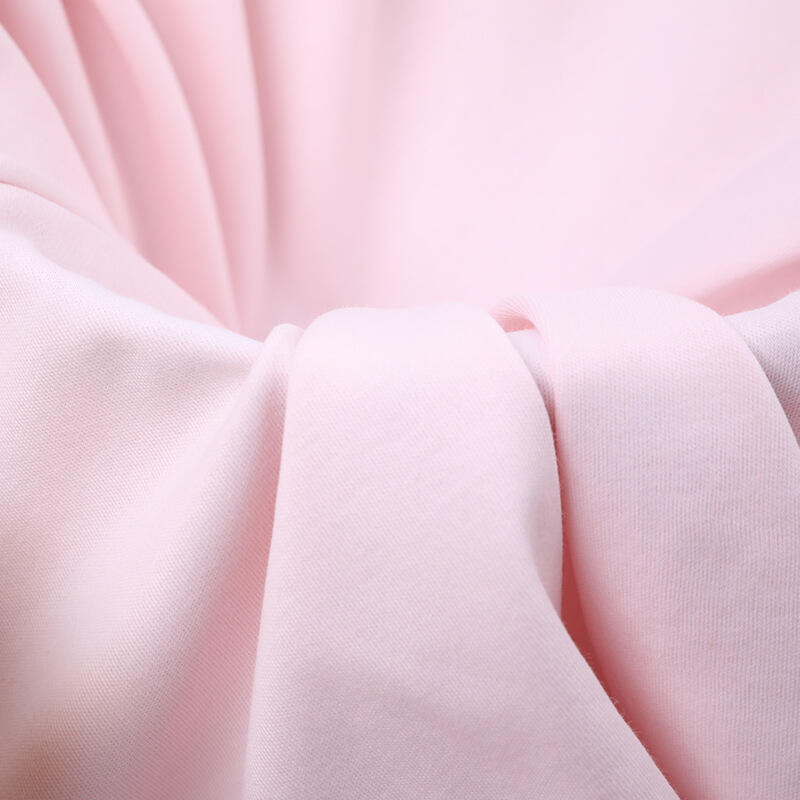
Choosing the right rib fabric for elastic waistbands and hems is a critical decision that directly impacts the comfort, durability, and overall quality of your garments. The selection process involves understanding fabric composition, stretch recovery properties, weight characteristics, and compatibility with your specific application. Professional garment manufacturers recognize that rib fabric serves as more than just a finishing touch—it functions as an essential structural component that must maintain its elasticity through countless wear and wash cycles while providing a comfortable, secure fit.
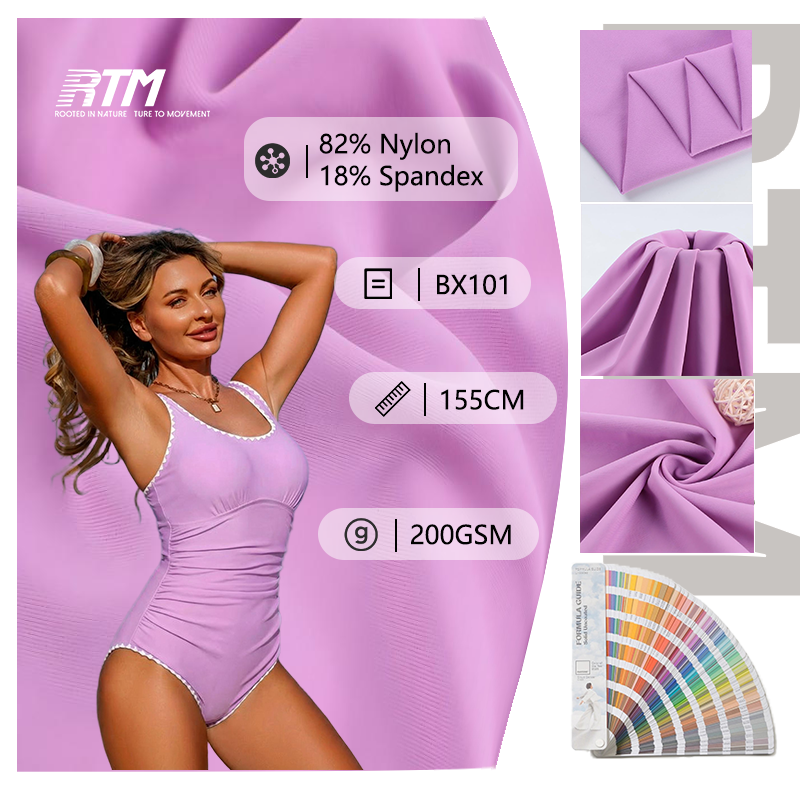
The complexity of rib fabric selection extends beyond basic stretch requirements to encompass factors such as fiber content compatibility, shrinkage behavior, colorfastness properties, and manufacturing considerations. Different applications demand specific performance characteristics, and understanding these requirements enables you to make informed decisions that result in superior finished products. Whether you're producing athletic wear, casual garments, or specialized clothing items, the right rib fabric choice can significantly enhance product performance and customer satisfaction.
Understanding Rib Fabric Construction and Properties
Fundamental Structure of Rib Fabric
Rib fabric is distinguished by its unique knit construction that creates vertical ridges and valleys, resulting in exceptional stretch and recovery properties in the crosswise direction. This construction involves alternating knit and purl stitches that form the characteristic ribbed appearance while providing superior elasticity compared to plain knit fabrics. The ribbed structure naturally contracts, creating a snug fit that makes it ideal for waistbands and hems where secure, comfortable closure is essential.
The technical construction of rib fabric involves specific stitch formations that determine its stretch characteristics, recovery performance, and overall durability. Understanding these structural elements helps in selecting rib fabric that will perform consistently over time. The gauge of the knitting machine, yarn tension, and stitch density all contribute to the final properties of the rib fabric, influencing how it will behave in your specific application.
Quality rib fabric maintains its dimensional stability while providing the necessary stretch for comfortable wear. The construction must balance elasticity with durability, ensuring that repeated stretching and washing cycles don't compromise the fabric's performance. This balance is achieved through careful selection of fiber content, knitting parameters, and finishing processes that enhance the fabric's natural properties.
Fiber Content Considerations
The fiber composition of rib fabric fundamentally determines its performance characteristics, stretch behavior, and compatibility with different garment types. Cotton-based rib fabric offers natural breathability and comfort but requires elastic fiber content such as spandex or elastane to achieve adequate stretch and recovery. The percentage of elastic fibers directly impacts the fabric's stretch capacity and return-to-shape properties, making this a crucial consideration in your selection process.
Synthetic fiber blends in rib fabric provide enhanced durability, moisture management, and color retention compared to natural fiber options. Polyester blends offer excellent wash-and-wear properties while maintaining dimensional stability through multiple laundry cycles. Nylon-based rib fabric delivers superior strength and abrasion resistance, making it particularly suitable for activewear applications where durability is paramount.
The choice between natural and synthetic fiber content in rib fabric depends on your specific application requirements, target market preferences, and performance expectations. Each fiber type brings distinct advantages and limitations that must be evaluated against your product specifications and quality standards.
Evaluating Stretch and Recovery Performance
Measuring Stretch Characteristics
Proper evaluation of rib fabric stretch characteristics requires understanding both the degree of stretch and the speed of recovery after stretching. Standard testing methods measure stretch percentage in both directions, with crosswise stretch being the primary concern for waistband and hem applications. Quality rib fabric should provide consistent stretch performance across the fabric width while maintaining uniform recovery properties.
The relationship between stretch capacity and recovery time is critical for rib fabric performance in elastic applications. Fabrics that stretch adequately but recover slowly can result in loose, sagging waistbands and hems that lose their shape after wear. Testing should evaluate both immediate recovery and long-term shape retention to ensure the rib fabric maintains its performance throughout the garment's lifecycle.
Professional evaluation of rib fabric stretch properties includes assessment under various conditions including different temperatures, humidity levels, and after multiple wash cycles. This comprehensive testing approach ensures that your selected rib fabric will perform consistently in real-world conditions and maintain its quality over time.
Recovery and Shape Retention
Shape retention in rib fabric is governed by the elastic fiber content, knit structure, and finishing processes applied during manufacturing. Superior rib fabric maintains its original dimensions and appearance even after repeated stretching and washing, preventing the common problem of waistbands and hems that become loose and baggy over time. The recovery mechanism involves the elastic fibers returning to their original length while the base fibers provide structural support.
Long-term shape retention testing reveals how rib fabric will perform throughout a garment's useful life, identifying potential issues before they affect end-user satisfaction. Factors such as elastic fiber degradation, yarn slippage, and structural deformation can compromise shape retention, making thorough evaluation essential for quality assurance.
The interaction between stretch and recovery properties determines the overall functionality of rib fabric in elastic applications. Optimal performance requires a balance where the fabric stretches sufficiently for comfort and ease of movement while consistently returning to its original shape and providing secure fit and appearance.
Weight and Thickness Selection Criteria
Matching Weight to Application
The weight of rib fabric significantly influences its suitability for different waistband and hem applications, with heavier fabrics providing more structure and support while lighter options offer greater comfort and flexibility. Heavyweight rib fabric works well for structured garments, outerwear, and applications where substantial support is required, while lightweight options are preferred for intimate apparel, activewear, and garments where bulk minimization is important.
Proper weight selection for rib fabric involves considering the weight of the main garment fabric to ensure compatibility and appropriate proportional balance. Mismatched weights can result in puckering, distortion, or inadequate support, compromising the overall appearance and function of the finished garment. The rib fabric weight should complement the main fabric while providing the necessary structural support for its intended function.
Industry standards provide guidelines for rib fabric weight selection based on garment type and intended use, but practical evaluation should also consider factors such as season suitability, comfort requirements, and manufacturing processes. The optimal weight balances functionality, comfort, and aesthetic considerations specific to your application.
Thickness and Bulk Considerations
The thickness of rib fabric affects both its appearance and performance in waistband and hem applications, with thicker fabrics providing more pronounced texture and greater structural support. However, excessive thickness can create unwanted bulk, particularly in fitted garments or applications where smooth lines are desired. The thickness must be appropriate for the intended use and compatible with the overall garment design.
Bulk management in rib fabric selection involves considering how the fabric will behave when folded, sewn, or gathered in the finished application. Thicker rib fabric may require different construction techniques or seam finishes to achieve professional results, while very thin fabrics might not provide adequate structure or durability for demanding applications.
The relationship between thickness and stretch properties in rib fabric requires careful evaluation, as thicker fabrics may have different stretch characteristics compared to thinner versions of the same construction. This relationship impacts both the comfort and functionality of the finished garment, making it an important consideration in the selection process.
Color Matching and Aesthetic Considerations
Color Coordination Strategies
Successful color matching between rib fabric and main garment fabrics requires understanding how different fiber contents and fabric constructions accept and retain dyes. Rib fabric color should either perfectly match the main fabric or provide intentional contrast that enhances the garment's design aesthetic. Color variations that appear accidental or unplanned can significantly detract from the overall appearance and perceived quality of the finished product.
The process of achieving accurate color matches in rib fabric involves considering factors such as dye lot consistency, color fastness properties, and how colors may shift after washing or extended wear. Different fiber contents in rib fabric compared to the main fabric can result in slightly different color characteristics even when dyed with the same colorants, requiring careful evaluation and potential adjustment of dyeing processes.
Professional color evaluation for rib fabric includes assessment under various lighting conditions to ensure acceptable appearance in different environments. Color metamerism, where colors appear to match under one light source but differ under another, can be particularly problematic in rib fabric applications where color consistency is critical for product quality.
Surface Texture and Finish Effects
The surface characteristics of rib fabric contribute significantly to the overall aesthetic appeal and tactile quality of waistbands and hems, with different finishes providing varying levels of smoothness, sheen, and texture. Brushed finishes on rib fabric can provide additional softness and warmth but may affect color depth and uniformity. Smooth finishes offer clean, professional appearance but may show wear patterns more readily.
Surface treatments applied to rib fabric can enhance performance characteristics while influencing appearance, including anti-pilling treatments, moisture-wicking finishes, and antibacterial coatings. These treatments must be compatible with the intended application and manufacturing processes while maintaining the fabric's essential stretch and recovery properties.
The interaction between rib fabric surface characteristics and the main garment fabric affects both appearance and performance, requiring evaluation of how different textures and finishes will work together in the completed garment. Compatibility in both visual and tactile aspects ensures professional results and customer satisfaction.
Performance Requirements for Specific Applications
Athletic and Activewear Specifications
Athletic and activewear applications demand rib fabric with enhanced moisture management capabilities, superior stretch and recovery properties, and resistance to odor retention and bacterial growth. These specialized requirements necessitate synthetic fiber blends that can withstand intense physical activity while maintaining comfort and appearance. The rib fabric must perform consistently during high-stress activities and recover quickly between uses.
Performance rib fabric for activewear typically incorporates advanced fiber technologies that provide moisture-wicking properties, quick-dry capabilities, and enhanced durability under stress. The fabric must maintain its stretch characteristics even when wet and continue to provide secure fit and support throughout extended wear periods. UV resistance may also be important for outdoor activity applications.
Testing protocols for activewear rib fabric include evaluation under conditions that simulate actual use, including perspiration exposure, repeated stretching cycles, and various temperature and humidity conditions. This comprehensive testing ensures that the selected rib fabric will maintain its performance characteristics throughout the demanding conditions typical of athletic use.
Casual and Fashion Garment Requirements
Casual and fashion garments require rib fabric that balances comfort, appearance, and durability while potentially offering design flexibility for creative applications. Color variety, texture options, and seasonal appropriateness become more important considerations compared to high-performance applications. The rib fabric must complement the overall garment aesthetic while providing reliable function.
Fashion applications of rib fabric may involve decorative elements, contrasting colors, or unique textures that contribute to the garment's style appeal. However, these aesthetic enhancements must not compromise the fundamental performance requirements of stretch, recovery, and durability that are essential for waistband and hem functionality.
The selection process for fashion garment rib fabric includes consideration of trend compatibility, seasonal color palettes, and target market preferences while maintaining focus on the technical requirements necessary for proper function. This balance ensures that aesthetic goals are achieved without sacrificing performance or quality standards.
FAQ
What is the ideal stretch percentage for rib fabric used in waistbands?
The ideal stretch percentage for rib fabric in waistbands typically ranges from 40% to 60% in the crosswise direction, with the specific requirement depending on the garment type and fit specifications. Athletic wear may require higher stretch percentages up to 80%, while structured garments may perform well with 30-40% stretch. The key is ensuring adequate stretch for comfort and ease of wear while maintaining sufficient recovery to prevent sagging and loss of shape over time.
How do I determine if a rib fabric will maintain its shape after washing?
Shape retention after washing can be evaluated through pre-production testing that includes multiple wash and dry cycles using conditions similar to end-user care practices. Quality rib fabric should return to within 5% of its original dimensions after washing and show no significant reduction in stretch or recovery properties. Look for fabrics with appropriate elastic fiber content (typically 3-5% spandex minimum) and pre-shrinking treatments that minimize dimensional changes during laundering.
Can I use the same rib fabric for both waistbands and sleeve cuffs?
Yes, the same rib fabric can often be used for both waistbands and sleeve cuffs, provided it meets the performance requirements for both applications. However, consider that sleeve cuffs may experience different stress patterns and may benefit from slightly lighter weight rib fabric to reduce bulk and improve comfort. The key is ensuring the fabric provides appropriate stretch, recovery, and durability for the most demanding application while maintaining aesthetic consistency across all uses in the garment.
What are the signs of poor quality rib fabric that I should avoid?
Poor quality rib fabric typically exhibits inconsistent stretch properties across its width, slow recovery after stretching, excessive curling at cut edges, and poor dimensional stability after washing. Additional warning signs include uneven knit structure, loose or tight areas within the fabric, poor color consistency, and inadequate elastic fiber content that results in limited stretch capacity. Quality rib fabric should feel substantial yet flexible, recover quickly from stretching, and maintain consistent appearance and properties throughout the piece.