
 EN
EN



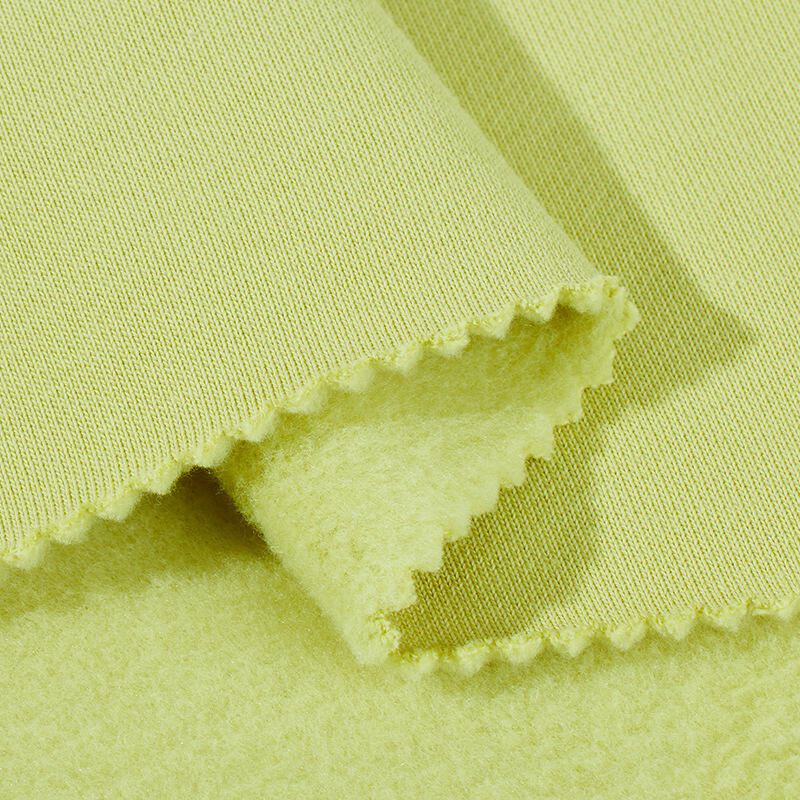
Selecting the appropriate weight of jersey fabric for seasonal collections is a fundamental decision that influences garment comfort, performance, and commercial success. The weight of jersey fabric, measured in grams per square meter (GSM) or ounces per square yard, directly affects drape, breathability, warmth retention, and overall aesthetic appeal. Understanding how fabric weight correlates with seasonal demands enables designers, merchandisers, and manufacturers to create collections that meet consumer expectations while optimizing production efficiency and cost management. This strategic selection process requires careful consideration of climate conditions, end-use applications, fiber content, and market positioning to ensure each garment delivers the intended wearing experience throughout its designated season.
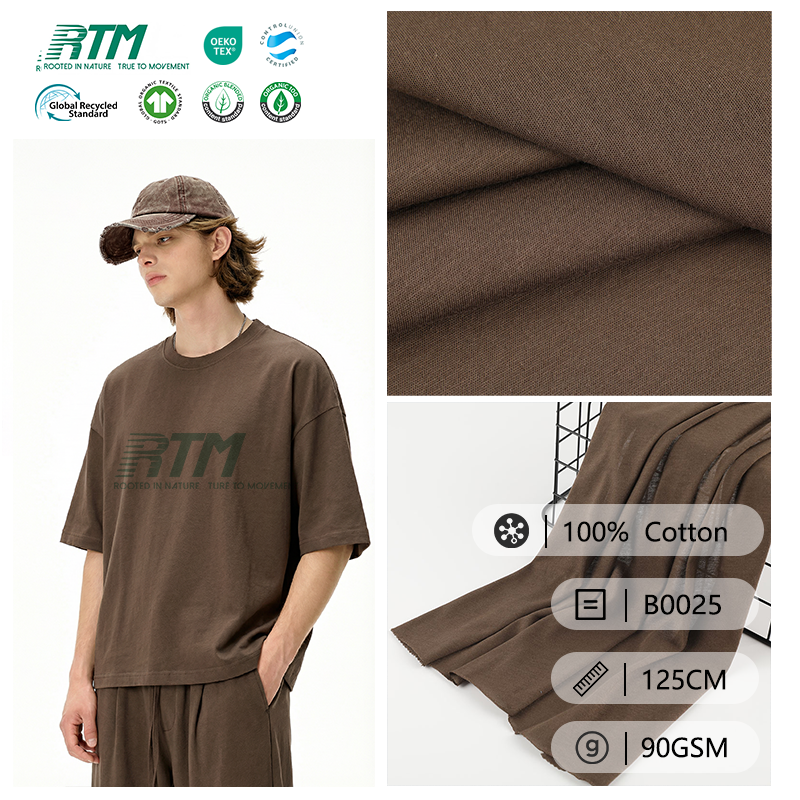
The process of matching jersey fabric weight to seasonal requirements involves analyzing multiple interconnected factors including thermal regulation properties, moisture management capabilities, structural stability, and consumer wearing patterns. Lightweight jersey fabrics typically range from 120 to 180 GSM and provide excellent breathability for warm weather applications, while midweight options between 180 to 240 GSM offer transitional versatility suitable for spring and autumn collections. Heavyweight jersey fabric selections exceeding 240 GSM deliver substantial warmth and durability for winter garments and layering pieces. Beyond these baseline classifications, the actual performance characteristics depend significantly on fiber composition, knit construction density, finishing treatments, and intended garment design, making fabric weight selection a nuanced technical and creative decision that balances functional requirements with aesthetic objectives and manufacturing considerations.
Understanding Jersey Fabric Weight Classifications and Seasonal Suitability
Lightweight Jersey Fabric Characteristics for Summer Collections
Lightweight jersey fabric options ranging from 120 to 180 GSM represent the ideal choice for summer apparel and warm-climate collections where breathability, moisture wicking, and cooling comfort take priority. These lighter constructions feature more open knit structures that facilitate air circulation and rapid moisture evaporation, essential properties for maintaining wearer comfort during high-temperature conditions. The reduced fabric density minimizes heat retention while maintaining sufficient coverage and opacity for most garment applications. Summer-weight jersey fabric typically incorporates fibers with inherent cooling properties such as cotton, modal, or specialized performance synthetics designed to enhance thermal regulation. The drape characteristics of lightweight jersey fabric create fluid silhouettes that move naturally with the body, contributing to the relaxed aesthetic associated with warm-weather casual wear and activewear categories.
When selecting lightweight jersey fabric for seasonal collections, designers must balance weight reduction with structural integrity to prevent transparency issues, excessive stretching, and premature fabric distortion. Single jersey constructions in lighter weights require careful consideration of stitch density and yarn twist to maintain dimensional stability during wearing and laundering cycles. The fiber content significantly influences performance outcomes, with combed cotton jersey fabric delivering superior softness and breathability, while cotton-synthetic blends offer enhanced shape retention and wrinkle resistance. Finishing treatments such as enzymatic washing or silicon softening can further optimize hand feel and drape without compromising the inherent breathability that makes lightweight jersey fabric suitable for hot weather applications. Technical specifications including stretch recovery percentage, moisture vapor transmission rate, and dimensional change after washing become critical selection criteria when evaluating summer-weight jersey fabric options for commercial production.
Midweight Jersey Fabric Applications for Transitional Seasons
Midweight jersey fabric selections in the 180 to 240 GSM range provide versatile performance characteristics suited to spring and autumn collections where temperature fluctuations demand adaptable thermal properties. This weight category offers a balanced combination of warmth, breathability, and structural substance that accommodates layering strategies and variable wearing conditions throughout transitional seasons. The increased fabric density compared to summer weights provides improved opacity, enhanced drape quality, and superior shape retention while maintaining sufficient air permeability for comfort during moderate activity levels. Midweight jersey fabric serves effectively across diverse garment categories including casual tops, dresses, activewear, and light outerwear applications where moderate insulation complements rather than overwhelms the wearer's thermal regulation needs.
The selection of midweight jersey fabric for transitional collections requires analysis of regional climate patterns, target consumer lifestyles, and specific garment construction details that influence thermal performance. Double jersey constructions or interlock knit structures in midweight classifications deliver enhanced stability and a more substantial hand feel compared to single jersey alternatives at similar weights, making them particularly suitable for structured garments and pieces requiring minimal edge finishing. Fiber blends combining natural and synthetic components optimize the performance balance for transitional seasons, with cotton-polyester jersey fabric offering durability and easy care properties while rayon or modal blends enhance drape and moisture management. The versatility of midweight jersey fabric extends across multiple price points and market segments, from premium pima cotton jersey offerings to economical polyester-cotton blends, enabling strategic fabric selection aligned with brand positioning and target retail price architectures.
Heavyweight Jersey Fabric Selection for Winter and Cold Weather
Heavyweight jersey fabric options exceeding 240 GSM provide the thermal insulation and structural density required for winter collections and cold-weather garment applications where warmth retention becomes the primary functional requirement. These substantial constructions feature tighter knit structures with reduced air permeability that trap body heat while offering wind resistance and protective coverage against harsh environmental conditions. The increased fabric weight delivers enhanced durability suitable for outerwear applications, layering pieces, and garments subjected to frequent wear and laundering cycles. Heavyweight jersey fabric typically incorporates fibers with inherent insulating properties such as cotton fleece, wool blends, or brushed synthetic materials that create air pockets within the fabric structure to maximize thermal efficiency without excessive bulk.
When evaluating heavyweight jersey fabric for winter collections, designers must consider the relationship between warmth provision and garment weight, as excessively heavy fabrics can restrict movement and create wearing fatigue despite their thermal advantages. French terry and fleece-backed jersey constructions offer efficient warmth-to-weight ratios by incorporating textured interior surfaces that enhance insulation while maintaining manageable fabric weights suitable for active outerwear and athleisure applications. The selection process should account for intended layering positions within complete outfit systems, with base layers requiring moisture management properties even in heavyweight constructions, while outer layers prioritize wind resistance and durable surface characteristics. jersey fabric options in heavyweight categories demand rigorous testing for dimensional stability, pilling resistance, and colorfastness to ensure long-term performance that justifies the premium pricing typically associated with substantial cold-weather constructions.
Technical Factors Influencing Jersey Fabric Weight Selection
Fiber Content Impact on Seasonal Performance
The fiber composition of jersey fabric fundamentally determines its thermal regulation properties, moisture management capabilities, and overall suitability for specific seasonal applications regardless of the nominal fabric weight. Natural fibers such as cotton provide excellent breathability and moisture absorption, making cotton jersey fabric particularly appropriate for warm-weather collections even in slightly heavier weights, as the inherent fiber properties facilitate cooling through evaporative processes. Pima and Egyptian cotton varieties offer superior fiber length and strength, enabling production of lightweight jersey fabric constructions that maintain structural integrity and resist pilling despite their delicate weight classifications. Wool and wool-blend jersey fabrics deliver exceptional thermal regulation across varying conditions due to the fiber's unique ability to absorb moisture vapor while maintaining insulating properties, making them valuable for transitional season collections where temperature variability demands adaptive performance.
Synthetic fibers and fiber blends expand the functional capabilities of jersey fabric across seasonal applications by introducing performance characteristics not available in purely natural fiber constructions. Polyester jersey fabric offers superior shape retention, wrinkle resistance, and quick-drying properties that benefit activewear and travel-oriented collections regardless of season, while the fiber's inherent low moisture absorption can limit breathability in warm conditions unless offset by specialized yarn structures or moisture-wicking finishes. Rayon and modal fibers derived from cellulosic sources combine natural-like breathability with enhanced drape characteristics, creating lightweight jersey fabric options with luxurious hand feel suitable for premium warm-weather collections. Strategic fiber blending enables optimization of multiple performance parameters simultaneously, with cotton-polyester jersey fabric combinations balancing natural comfort with synthetic durability and dimensional stability across the weight spectrum from summer lightweights to winter heavyweights.
Knit Construction Variables and Seasonal Adaptation
The specific knit construction method employed in jersey fabric production significantly influences the relationship between fabric weight and seasonal performance characteristics, as different knitting techniques create distinct structural properties that affect thermal regulation, drape, and durability. Single jersey constructions, characterized by their smooth face and textured reverse side, represent the most common structure for lightweight to midweight jersey fabric applications where maximum breathability and soft drape take priority. The relatively open loop structure of single jersey knits facilitates air circulation and moisture transmission, making them inherently suitable for warm-weather applications even when produced in slightly heavier weights. However, single jersey constructions exhibit greater propensity for edge rolling and dimensional instability compared to double-knit alternatives, requiring careful consideration of garment design and finishing techniques when selecting these fabrics for seasonal collections.
Double jersey and interlock knit constructions create more stable, substantial fabric structures that perform effectively across midweight and heavyweight classifications while offering superior dimensional stability and reduced transparency. These constructions feature interlocking loops that produce fabrics with identical appearance on both sides and minimal tendency toward edge curling, making them particularly suitable for structured garments and pieces requiring clean edge finishing without extensive hemming treatments. The increased structural density of double jersey fabric naturally creates heavier weight classifications, but the enhanced stability and durability often justify the additional weight for transitional and winter collections where garment longevity and professional appearance outweigh concerns about maximum breathability. Specialized knit variations including French terry, fleece-backed jersey, and pointelle constructions introduce textural elements that modify thermal properties independent of basic fabric weight, enabling creation of summer-appropriate heavyweight jersey fabric options through moisture-wicking terry loops or winter-suitable lightweight constructions through brushed fleece surfaces that enhance warmth retention.
Finishing Treatments and Seasonal Performance Optimization
Post-knitting finishing treatments applied to jersey fabric substantially modify the final performance characteristics and seasonal suitability of the material, often transforming fabrics that might otherwise prove marginal for specific applications into optimized solutions for targeted climate conditions. Mechanical finishing processes such as brushing, napping, and sueding alter surface characteristics and thermal properties by raising fiber ends that trap air and increase insulation value, effectively converting midweight jersey fabric into cold-weather appropriate materials through structural modification rather than weight addition. Conversely, compacting and calendering treatments increase fabric density and reduce air permeability, creating smoother, more wind-resistant surfaces suitable for transitional outerwear applications while potentially limiting breathability in warm conditions. Chemical finishing treatments including moisture-wicking agents, antimicrobial compounds, and UV protection additives enhance functional performance for specific seasonal demands without altering the fundamental weight classification of the jersey fabric.
The selection of appropriate finishing treatments should align with both the intended seasonal application and the inherent characteristics of the base jersey fabric construction and fiber content. Enzymatic bio-polishing treatments applied to cotton jersey fabric remove protruding fiber ends to reduce pilling tendency and create exceptionally smooth surfaces with enhanced drape, making them particularly valuable for premium summer-weight collections where fabric hand feel significantly influences consumer perception of quality and value. Silicon softening treatments provide luxurious tactile properties and improved sewability across jersey fabric weight ranges, though excessive application can impair moisture absorption and breathability critical for warm-weather performance. Mechanical pre-shrinking processes ensure dimensional stability across subsequent laundering cycles, a particularly important consideration for lightweight jersey fabric constructions where even minor shrinkage percentages can significantly alter garment fit and wearing comfort. The comprehensive finishing specification represents an integral component of seasonal jersey fabric selection, requiring coordination between design intent, technical performance requirements, and cost parameters to achieve optimal commercial outcomes.
Practical Selection Methodology for Seasonal Jersey Fabric Specifications
Climate Analysis and Regional Market Considerations
Effective selection of jersey fabric weight for seasonal collections begins with detailed analysis of the specific climate conditions and temperature ranges characteristic of the target market regions during the intended wearing season. Geographic markets exhibit substantial variation in seasonal temperature profiles, with coastal regions experiencing moderated temperature swings and higher humidity levels compared to continental interiors where dramatic seasonal shifts and lower moisture levels dominate weather patterns. These regional climate variations directly influence the optimal jersey fabric weight selections, as garments designed for humid subtropical summers require lighter weights with maximum breathability, while collections targeting dry continental climates can accommodate slightly heavier weights that provide sun protection and abrasion resistance without creating oppressive heat retention. Historical temperature data, humidity patterns, and precipitation frequency for specific market regions should inform the establishment of fabric weight parameters for each seasonal collection, ensuring alignment between product specifications and actual wearing conditions encountered by end consumers.
Beyond basic temperature considerations, successful seasonal jersey fabric selection accounts for cultural wearing preferences, lifestyle patterns, and indoor climate control prevalence within target markets. Populations in regions with extensive air conditioning infrastructure often prefer slightly heavier summer jersey fabric options that provide comfort in aggressively cooled indoor environments while remaining tolerable for brief outdoor exposure during transit between climate-controlled spaces. Conversely, markets with limited heating infrastructure during cold seasons may require heavier winter jersey fabric selections that provide substantial insulation for extended periods in cool indoor environments. Consumer activity levels and garment usage patterns further refine fabric weight selection, with activewear categories demanding lighter, more breathable jersey fabric constructions regardless of season, while loungewear and sleepwear applications may prioritize thermal comfort through heavier weights even in moderate climates. Comprehensive market research combining climate data analysis with consumer preference studies enables data-driven jersey fabric weight selection that maximizes commercial success by aligning product specifications with actual wearing requirements and purchasing motivations.
End-Use Application and Garment Design Integration
The specific garment category and design details significantly influence appropriate jersey fabric weight selection for seasonal collections, as different apparel applications impose varying performance requirements and aesthetic expectations that interact with basic seasonal considerations. Base layer garments including underwear, undershirts, and performance athletic wear prioritize moisture management and next-to-skin comfort over insulation provision, typically requiring lightweight jersey fabric constructions even for winter collections where these pieces function within layered outfit systems. The close body contact characteristic of base layer applications amplifies the importance of soft hand feel and four-way stretch properties, often necessitating specialized jersey fabric constructions with modified weight-to-performance ratios optimized for these demanding applications. Mid-layer garments such as casual tops, hoodies, and light sweaters accommodate broader weight ranges and benefit from the additional structure and opacity provided by midweight jersey fabric selections that balance comfort with professional appearance and shape retention.
Specific design elements including garment silhouette, construction methods, and intended wearing duration further refine optimal jersey fabric weight selection within seasonal parameters. Fitted garments with minimal ease allowance require jersey fabric with excellent stretch recovery and dimensional stability regardless of weight classification, as fabric relaxation and growth during wearing significantly impacts fit quality and consumer satisfaction. Oversized or relaxed silhouettes tolerate greater variation in jersey fabric performance characteristics and often benefit from slightly heavier weights that provide sufficient body and drape to create the intended aesthetic without appearing limp or unstructured. Garments intended for extended wearing duration such as dresses and jumpsuits demand superior comfort properties including breathability and low surface friction, potentially favoring lighter jersey fabric weights even for transitional seasons where heavier options might initially appear appropriate based solely on temperature considerations. The integration of design intent with technical fabric specifications requires collaborative communication between creative and technical teams to ensure jersey fabric weight selections support both aesthetic vision and functional performance requirements throughout the seasonal collection development process.
Cost Management and Supply Chain Optimization
Economic considerations including material costs, minimum order quantities, and production efficiency significantly influence practical jersey fabric weight selection for seasonal collections, particularly within competitive market segments where retail price positioning constrains available material budgets. Fabric pricing typically correlates directly with weight classification, as heavier jersey fabric constructions require proportionally greater fiber input and extended knitting time, resulting in higher per-meter costs that directly impact garment production economics. Strategic weight selection balances performance requirements with cost constraints by identifying the minimum fabric weight that delivers acceptable seasonal functionality while maximizing margin potential within target retail price points. Value engineering approaches may substitute slightly heavier jersey fabric with superior structural stability for lighter weights requiring additional processing or specialized finishing treatments, achieving equivalent functional performance at reduced total material and processing costs.
Supply chain considerations including supplier capabilities, lead time requirements, and inventory management strategies introduce additional practical constraints on seasonal jersey fabric weight selection that extend beyond pure technical and aesthetic factors. Established supplier relationships and existing fabric libraries often favor selection of jersey fabric weights with proven production reliability and established quality benchmarks, reducing development risk and accelerating time-to-market for seasonal collections. Minimum order quantity requirements imposed by knitting mills and fabric converters may necessitate consolidation of weight specifications across multiple garment styles within seasonal collections to achieve economic production volumes, particularly for specialized jersey fabric constructions or custom colorways with limited broader market applicability. Inventory risk management strategies influence decisions regarding fabric weight standardization versus seasonal specialization, with year-round core weights offering inventory flexibility and reduced obsolescence risk compared to season-specific weight selections that maximize performance but increase carrying costs and stockout potential during production cycles. Comprehensive consideration of these economic and operational factors ensures jersey fabric weight selection supports both product excellence and business profitability throughout seasonal collection planning and execution phases.
Quality Evaluation and Performance Validation for Seasonal Jersey Fabrics
Physical Testing Protocols for Weight-Performance Verification
Rigorous physical testing of jersey fabric samples provides objective performance data essential for validating the suitability of specific weight classifications for intended seasonal applications before committing to bulk production orders. Standard fabric weight measurement procedures following ASTM D3776 protocols establish baseline GSM values under controlled conditioning, but comprehensive evaluation extends beyond simple weight documentation to assess the functional properties that determine seasonal performance including air permeability, moisture vapor transmission rate, thermal resistance, and dimensional stability. Air permeability testing measured in cubic feet per minute per square foot quantifies the breathability characteristics critical for warm-weather jersey fabric applications, with higher permeability values indicating superior ventilation and cooling potential. Conversely, thermal resistance testing using calibrated hot plate apparatus evaluates insulation efficiency relevant to cold-weather fabric selections, establishing quantitative performance benchmarks that enable objective comparison across jersey fabric weight classifications and construction variations.
Mechanical property testing including stretch and recovery analysis, burst strength evaluation, and abrasion resistance assessment provides essential data regarding the durability and wearing comfort of jersey fabric across weight categories for specific seasonal applications. Four-way stretch testing measuring both horizontal and vertical elongation percentages along with recovery after deformation quantifies the comfort and fit retention properties particularly important for lightweight jersey fabric constructions where structural integrity challenges increase as weight decreases. Pilling resistance testing following accelerated wearing simulation protocols identifies potential surface degradation issues that disproportionately affect consumer satisfaction with jersey fabric garments, particularly in midweight classifications where fiber migration and surface fuzzing become visible quality defects. Dimensional change testing after multiple laundering cycles verifies the stability of jersey fabric weight and structure under realistic care conditions, ensuring that seasonal performance characteristics remain consistent throughout the garment's useful life rather than degrading after initial consumer purchase and wearing experiences.
Wear Trial Assessment and Consumer Feedback Integration
Real-world wear trial programs conducted under actual seasonal conditions provide invaluable qualitative feedback regarding jersey fabric weight appropriateness that complements laboratory testing data and informs refinement of specifications for commercial production. Structured wear trial protocols distribute prototype garments constructed from candidate jersey fabric weights to representative consumer panels who evaluate comfort, thermal regulation effectiveness, and overall satisfaction during typical wearing scenarios spanning the target seasonal temperature range. Participant feedback regarding specific performance attributes including moisture accumulation, temperature comfort zones, restrictive feeling, and garment weight perception reveals subtle distinctions between nominally similar jersey fabric weights that objective testing may not fully capture. Comparative wear trials evaluating multiple weight options simultaneously within controlled participant groups generate preference data that directly informs final fabric selection decisions, reducing the risk of market rejection due to misalignment between technical specifications and consumer expectations.
Integration of consumer feedback mechanisms throughout seasonal collection development cycles creates continuous improvement opportunities for jersey fabric weight selection methodologies and specification refinement. Post-purchase surveys and customer service inquiry analysis reveal patterns regarding seasonal appropriateness of specific jersey fabric weights across diverse market segments and climate regions, identifying opportunities to adjust future collection specifications based on demonstrated consumer preferences rather than theoretical performance assumptions. Social media monitoring and online review analysis provide real-time feedback regarding jersey fabric performance perceptions that complement traditional market research methodologies, particularly valuable for identifying unexpected wearing scenarios or climate condition edge cases where standard weight recommendations prove inadequate. The systematic collection and analysis of consumer performance feedback establishes empirical foundations for jersey fabric weight selection guidelines that evolve with changing market preferences, climate patterns, and competitive landscape dynamics, ensuring ongoing alignment between product specifications and market requirements across seasonal collection cycles.
Supplier Capability Assessment and Quality Consistency Validation
Thorough evaluation of potential jersey fabric suppliers' technical capabilities and quality control systems ensures consistent delivery of specified fabric weights with appropriate seasonal performance characteristics throughout production cycles spanning multiple orders and manufacturing locations. Supplier qualification processes should include detailed review of knitting equipment specifications, yarn sourcing practices, process control systems, and in-line testing protocols that collectively determine the manufacturing facility's ability to produce jersey fabric meeting precise weight and performance specifications. On-site facility audits verify the implementation of documented quality systems and assess the actual production conditions under which seasonal jersey fabric will be manufactured, identifying potential sources of variation that could compromise consistency across bulk production volumes. Capability studies analyzing weight variation within and between production batches establish statistical performance baselines that inform acceptance criteria and tolerance specifications appropriate to each supplier's demonstrated manufacturing control level.
Ongoing quality monitoring programs extending beyond initial supplier qualification maintain jersey fabric weight and performance consistency across the extended supply relationship, detecting gradual process drift or sudden quality disruptions before they impact garment production and consumer satisfaction. Systematic testing of incoming fabric lots against approved reference standards verifies compliance with weight specifications and seasonal performance requirements, with documented results creating quality history databases that enable trend analysis and early identification of emerging consistency issues. Collaborative supplier partnerships incorporating regular communication regarding quality performance, continuous improvement initiatives, and technical problem-solving support optimize jersey fabric consistency while building relationship strength that facilitates rapid resolution of occasional quality incidents without disrupting production schedules. The investment in comprehensive supplier evaluation and ongoing monitoring ensures that seasonal jersey fabric selections deliver consistent performance throughout collection lifecycles, protecting brand reputation and consumer satisfaction while minimizing costly quality-related production disruptions and customer returns.
FAQ
What GSM range is considered ideal for summer jersey fabric garments?
Summer jersey fabric typically falls within the 120 to 180 GSM range to provide optimal breathability and moisture management for warm-weather wearing conditions. This lightweight classification facilitates air circulation and rapid evaporative cooling while maintaining sufficient fabric structure for most casual apparel applications. The specific ideal weight within this range depends on fiber content, knit construction, and intended garment style, with athletic wear often utilizing the lighter end of the spectrum while casual tops may incorporate slightly heavier options for improved opacity and drape. Regional climate variations also influence optimal summer weight selection, as humid environments benefit from maximum breathability at the lower weight range while dry climates can accommodate slightly heavier constructions that provide additional sun protection and durability.
How does fiber content affect the seasonal performance of jersey fabric at similar weights?
Fiber content fundamentally determines the thermal regulation and moisture management properties of jersey fabric regardless of the nominal weight classification. Cotton jersey fabric provides excellent breathability and moisture absorption, making it suitable for warm weather even in moderate weights, while synthetic fibers like polyester offer superior shape retention but may limit breathability unless specially engineered. Wool and wool-blend jersey fabrics deliver adaptive thermal regulation across varying conditions due to the fiber's unique moisture vapor management capabilities, making them valuable for transitional seasons. Fiber blends strategically combine properties of different materials, with cotton-polyester jersey fabric balancing natural comfort with synthetic durability and quick-drying performance suitable for activewear applications across multiple seasons.
Can heavy jersey fabric be suitable for summer collections in any circumstances?
Heavyweight jersey fabric exceeding 240 GSM is generally inappropriate for summer collections due to excessive heat retention and limited breathability, though specific construction variations can create exceptions to this guideline. French terry jersey with moisture-wicking loop structures on the interior surface can provide cooling effects despite substantial fabric weight by facilitating rapid sweat evaporation, making these constructions suitable for athletic wear in warm conditions. Additionally, heavyweight jersey fabric may be appropriate for summer evening wear in regions with significant day-night temperature variations or for air-conditioned indoor environments where insulation rather than cooling becomes the priority. However, these represent specialized applications rather than mainstream summer collection strategies, and designers should carefully evaluate consumer wearing patterns and climate specifics before incorporating heavyweight jersey fabric into warm-weather offerings.
What testing should be conducted before finalizing jersey fabric weight for a seasonal collection?
Comprehensive fabric testing should include weight verification following ASTM D3776 standards, air permeability measurement to quantify breathability, moisture vapor transmission rate testing for thermal comfort assessment, and dimensional stability evaluation after multiple laundering cycles. Mechanical testing including stretch and recovery analysis, burst strength measurement, and pilling resistance evaluation provides essential durability and comfort data. Additionally, thermal resistance testing helps validate insulation properties for cold-weather jersey fabric selections. Beyond laboratory testing, structured wear trials under actual seasonal conditions generate qualitative consumer feedback regarding comfort and thermal regulation effectiveness that complements objective test data. This multi-layered validation approach ensures jersey fabric weight selections deliver both technical performance and consumer satisfaction throughout the intended wearing season.
Table of Contents
- Understanding Jersey Fabric Weight Classifications and Seasonal Suitability
- Technical Factors Influencing Jersey Fabric Weight Selection
- Practical Selection Methodology for Seasonal Jersey Fabric Specifications
- Quality Evaluation and Performance Validation for Seasonal Jersey Fabrics
-
FAQ
- What GSM range is considered ideal for summer jersey fabric garments?
- How does fiber content affect the seasonal performance of jersey fabric at similar weights?
- Can heavy jersey fabric be suitable for summer collections in any circumstances?
- What testing should be conducted before finalizing jersey fabric weight for a seasonal collection?