
 EN
EN



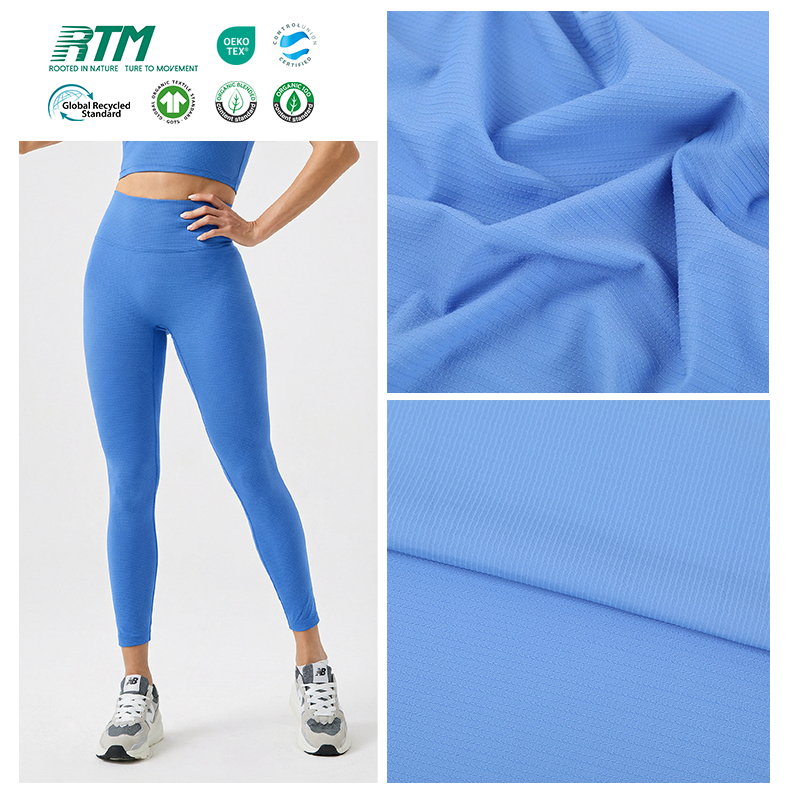
Maintaining the elasticity of nylon spandex fabric in swimwear is crucial for ensuring long-lasting performance and comfort. This synthetic blend combines the durability of nylon with the stretch properties of spandex, creating an ideal material for swimwear applications. The unique characteristics of nylon spandex fabric make it resistant to chlorine, salt water, and UV exposure while providing exceptional flexibility and recovery. Understanding proper care techniques will help preserve these essential qualities and extend the lifespan of your swimwear investments.
Understanding Nylon Spandex Fabric Properties
Chemical Composition and Structure
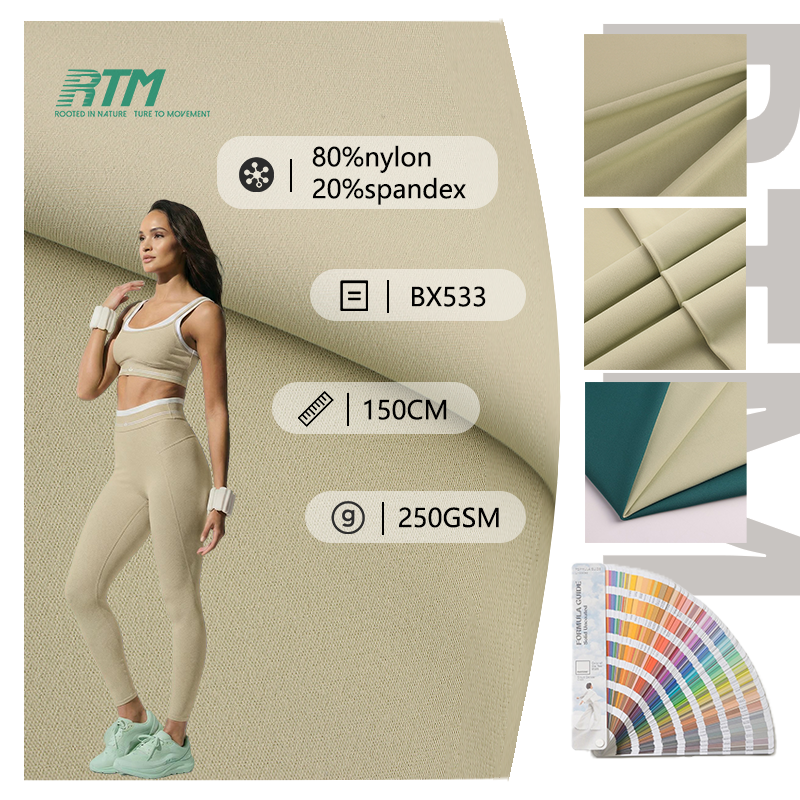
The molecular structure of nylon spandex fabric consists of polyamide chains interwoven with elastane fibers. This combination creates a material that can stretch up to four times its original length while maintaining its shape recovery properties. The nylon component provides strength and abrasion resistance, while the spandex elements contribute flexibility and elasticity. The typical blend ratio ranges from 80% nylon to 20% spandex, though variations exist depending on the intended application and performance requirements.
The thermoplastic nature of nylon spandex fabric allows it to soften when heated and harden when cooled. This characteristic makes it particularly susceptible to heat damage, which can permanently compromise the elasticity. Understanding this fundamental property is essential for developing proper maintenance routines that preserve the fabric's integrity over time.
Elasticity Mechanisms
The elasticity of nylon spandex fabric relies on the molecular mobility of the polymer chains within the material. When stretched, these chains align and extend, storing potential energy that drives the recovery process when tension is released. The crosslinking between nylon and spandex fibers creates a network that distributes stress evenly across the fabric surface.
Environmental factors such as temperature, humidity, and chemical exposure can significantly impact these molecular interactions. High temperatures can cause permanent deformation by disrupting the polymer chain alignment, while chemical exposure may break down the crosslinks that maintain elasticity. Proper care practices must address these vulnerabilities to maintain optimal performance.
Proper Washing Techniques
Temperature Control
Temperature management is the most critical aspect of washing nylon spandex fabric garments. Cold water washing, typically below 30°C (86°F), helps preserve the molecular structure and prevents thermal damage. Hot water can cause the spandex fibers to lose their elasticity permanently by altering the polymer chain configuration.
Pre-treating stains with cold water and gentle soap before washing can eliminate the need for higher temperatures. Soaking the garment for 15-30 minutes in cold water with a mild detergent effectively removes chlorine, salt, and organic matter without compromising the fabric's elasticity. This approach maintains the integrity of the nylon spandex fabric while ensuring thorough cleaning.
Detergent Selection
Choosing the appropriate detergent is essential for preserving nylon spandex fabric elasticity. Gentle, pH-neutral detergents without fabric softeners or bleach work best for these materials. Fabric softeners can coat the fibers and reduce their ability to stretch and recover properly.
Specialized sports detergents designed for synthetic fabrics often contain enzymes that break down chlorine residues and other pool chemicals. These formulations help maintain the nylon spandex fabric performance characteristics while providing thorough cleaning. Avoid using powder detergents, which may not dissolve completely in cold water and can leave residues that affect elasticity.
Drying and Storage Methods
Air Drying Techniques
Proper drying methods are crucial for maintaining the elasticity of nylon spandex fabric swimwear. Air drying in a shaded area prevents UV damage and heat exposure that can degrade the elastic properties. Direct sunlight can cause the spandex fibers to break down over time, leading to permanent loss of stretch and recovery.
Laying the garment flat on a clean towel helps maintain its shape during the drying process. Hanging wet nylon spandex fabric can cause stretching and distortion, particularly in areas where the weight of the water creates tension. Reshaping the garment while damp ensures it dries in its original configuration.
Heat Avoidance
Never use machine dryers, radiators, or direct heat sources to dry nylon spandex fabric garments. The high temperatures generated by these methods can cause irreversible damage to the elastic fibers. Even low heat settings in dryers can gradually degrade the spandex component over multiple cycles.
Room temperature drying typically takes 2-4 hours for thin swimwear fabrics, depending on humidity levels. Ensuring adequate ventilation around the drying garment speeds the process without introducing harmful heat. This patience in the drying process significantly extends the lifespan and performance of nylon spandex fabric items.
Chemical Exposure Management
Chlorine Protection
Chlorine exposure is one of the most significant threats to nylon spandex fabric elasticity in swimwear applications. Pool chemicals can break down the polymer chains in spandex, causing gradual loss of stretch and recovery properties. Immediate rinsing after swimming removes chlorine residues before they can penetrate deeply into the fabric structure.
Using chlorine-removing products specifically designed for swimwear can neutralize harmful chemicals that regular washing might not eliminate. These specialized treatments help maintain the nylon spandex fabric integrity while removing the distinctive chlorine odor. Regular use of such products extends garment life significantly.
Salt Water Considerations
Ocean swimming exposes nylon spandex fabric to salt deposits that can crystallize within the fiber structure as the water evaporates. These salt crystals can cause abrasion and stiffness that compromises elasticity. Thorough rinsing with fresh water immediately after ocean exposure prevents salt buildup.
The alkaline nature of seawater can also affect the pH balance of nylon spandex fabric, potentially weakening the fiber bonds over time. Using a pH-balancing rinse or mild acidic solution can neutralize these effects and restore the fabric to its optimal condition for maximum elasticity retention.
Long-term Preservation Strategies
Rotation and Rest Periods
Implementing a rotation system for nylon spandex fabric swimwear allows the elastic fibers time to recover between uses. Continuous stretching without adequate rest can lead to permanent deformation and loss of elasticity. Having multiple garments in rotation ensures each piece gets sufficient recovery time.
The molecular memory of nylon spandex fabric benefits from periods of relaxation where the polymer chains can return to their natural configuration. This recovery process is essential for maintaining long-term elasticity and preventing fatigue-related failures in high-stress areas of the garment.
Environmental Storage
Proper storage conditions significantly impact the longevity of nylon spandex fabric elasticity. Cool, dry environments with stable temperatures prevent degradation of the elastic properties. Avoiding areas with temperature fluctuations, such as attics or basements, helps maintain consistent fabric performance.
Storing garments flat or loosely folded prevents creasing and stress concentration that can weaken the nylon spandex fabric structure. Using breathable storage containers allows air circulation while protecting from dust and pests. Cedar blocks or lavender sachets provide natural protection without introducing chemicals that might affect elasticity.
Performance Testing and Monitoring
Elasticity Assessment
Regular assessment of nylon spandex fabric elasticity helps identify deterioration before it becomes severe. Simple stretch tests can reveal changes in recovery time and maximum extension capacity. Comparing the stretch characteristics of newer and older garments provides insight into the effectiveness of care routines.
Visual inspection for signs of thinning, pilling, or color changes indicates potential elasticity loss in nylon spandex fabric. These symptoms often appear before mechanical properties decline significantly, providing early warning for adjusting care practices or considering replacement.
Replacement Indicators
Knowing when to replace nylon spandex fabric garments prevents performance issues and potential embarrassment. Loss of shape recovery, visible thinning, or permanent stretching in high-stress areas indicates that the elastic properties have degraded beyond effective restoration.
Keeping records of purchase dates, usage frequency, and care history helps establish replacement schedules for nylon spandex fabric items. This proactive approach ensures optimal performance while maximizing the value of swimwear investments through proper lifecycle management.
FAQ
How often should I wash nylon spandex fabric swimwear?
Nylon spandex fabric swimwear should be rinsed immediately after each use and thoroughly washed after every 2-3 uses, depending on the level of chemical exposure. Immediate rinsing removes chlorine and salt that can damage elasticity, while regular washing eliminates accumulated residues and maintains hygiene.
Can I use fabric softener on nylon spandex fabric?
No, fabric softeners should be avoided when caring for nylon spandex fabric as they coat the fibers and reduce their ability to stretch and recover properly. The chemical residues from fabric softeners can also interfere with the moisture-wicking properties and overall performance of the material.
What temperature water is best for washing nylon spandex fabric?
Cold water below 30°C (86°F) is optimal for washing nylon spandex fabric. Higher temperatures can permanently damage the elastic properties by disrupting the molecular structure of the spandex fibers, leading to loss of stretch and recovery capabilities.
How long does nylon spandex fabric swimwear typically last with proper care?
With proper care and maintenance, high-quality nylon spandex fabric swimwear can maintain its elasticity and performance for 6-12 months of regular use. Factors such as frequency of use, chemical exposure levels, and adherence to proper care techniques significantly influence longevity.