
 EN
EN



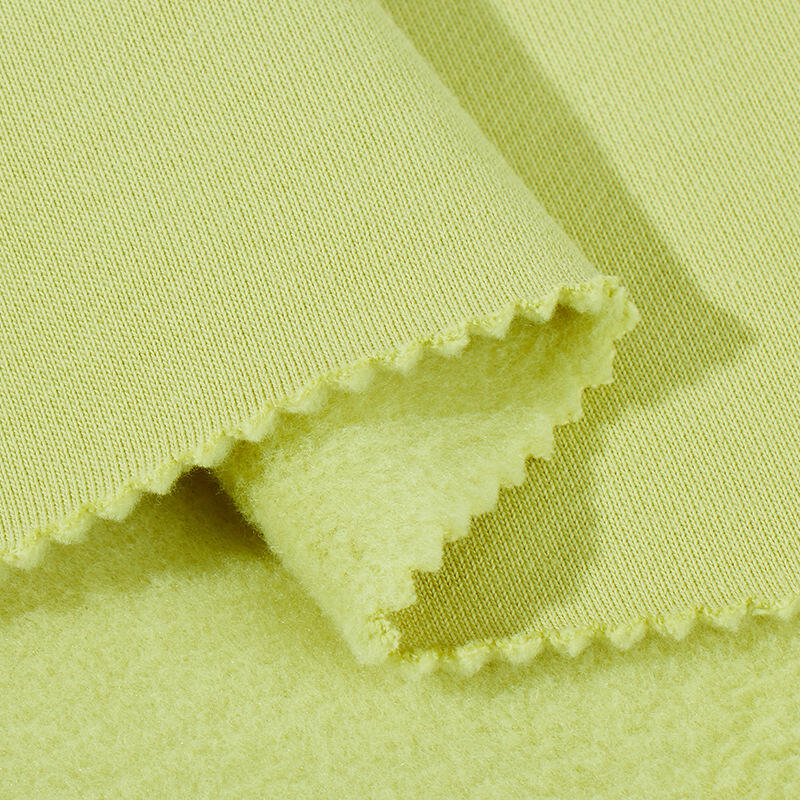
Understanding fleece fabric thermal properties becomes crucial when selecting materials for extreme cold weather applications. Modern textile engineering has transformed fleece from a simple synthetic alternative to wool into a sophisticated material system designed for optimal thermal regulation. The thermal characteristics of fleece directly impact its effectiveness in maintaining body heat, managing moisture, and providing comfort during prolonged exposure to harsh environmental conditions.
Understanding the Science Behind Fleece Thermal Insulation
Fiber Structure and Heat Retention Mechanisms
The thermal efficiency of fleece fabric stems from its unique microfiber structure, which creates thousands of microscopic air pockets throughout the material. These air chambers act as thermal barriers, preventing heat transfer from the body to the external environment. The polyester fibers in quality fleece are engineered with specific diameters and surface textures that maximize this air-trapping capability while maintaining structural integrity under stress.
Advanced fleece manufacturing processes utilize different pile heights and fiber densities to optimize thermal performance. The relationship between fiber diameter, pile density, and thermal resistance follows established textile physics principles, where smaller air pockets provide better insulation per unit weight. This scientific approach to fleece fabric thermal properties enables manufacturers to create materials with predictable thermal characteristics for specific temperature ranges.
Thermal Conductivity and Resistance Values
Professional-grade fleece materials demonstrate thermal conductivity values ranging from 0.035 to 0.055 watts per meter-kelvin, depending on construction density and fiber quality. These measurements indicate superior insulation performance compared to traditional wool fabrics of equivalent weight. The thermal resistance, measured in CLO units, typically ranges from 0.8 to 1.2 for standard fleece weights, making it suitable for moderate to severe cold weather conditions.
Testing protocols for fleece fabric thermal properties follow standardized methods including ASTM D1518 for thermal resistance and ISO 11092 for thermal and water-vapor resistance. These standardized measurements ensure consistent performance expectations across different manufacturing batches and enable accurate comparison between various fleece specifications for end-use applications.
Material Composition Impact on Cold Weather Performance
Polyester Blend Advantages in Extreme Temperatures
Pure polyester fleece maintains its insulating properties across a wide temperature range, from -20°F to 40°F, without significant degradation in thermal performance. The synthetic nature of polyester fibers prevents moisture absorption that would compromise insulation effectiveness, unlike natural fibers that can lose thermal efficiency when wet. This characteristic makes polyester-based fleece particularly valuable for activities involving perspiration or exposure to snow and moisture.
Advanced polyester formulations incorporate hollow fiber technology, where individual strands contain air-filled cores that enhance thermal retention while reducing overall fabric weight. This innovation in fleece fabric thermal properties creates materials that provide warmth equivalent to heavier traditional insulators while offering superior packability and comfort during active use.
Spandex Integration for Enhanced Thermal Comfort
The addition of 3-7% spandex to fleece compositions significantly improves thermal comfort through enhanced fit and reduced air gaps at garment interfaces. Proper fit is essential for thermal efficiency, as loose-fitting garments allow convective heat loss that reduces the effectiveness of the fleece's insulating properties. The elasticity provided by spandex ensures consistent contact with the body while maintaining freedom of movement.
Spandex-enhanced fleece demonstrates superior thermal retention during dynamic activities where traditional rigid fabrics might gap or bunch, creating thermal bridges. The fleece fabric thermal properties of elastane blends show improved performance metrics in real-world testing scenarios involving movement and varying body positions.
Construction Methods Affecting Thermal Efficiency
Double-Sided Brushing Techniques
Double-sided brushing creates additional surface area and air-trapping capacity on both fabric faces, effectively doubling the thermal boundary layer thickness. This construction method produces fleece with enhanced thermal properties by creating two distinct insulating zones that work in combination to resist heat transfer. The brushed surfaces also improve moisture management by increasing wicking surface area.
Professional manufacturing processes control brushing depth and direction to optimize thermal performance while maintaining fabric durability. The mechanical brushing process aligns fibers to create consistent thermal barriers without compromising the structural integrity of the base fabric, ensuring long-term thermal performance under repeated use and laundering cycles.
Pile Height and Density Optimization
Optimal thermal performance in fleece requires precise control of pile height relative to fabric density, with the most effective configurations typically featuring pile heights between 3-8mm at densities of 300-500 grams per square meter. These specifications represent the sweet spot where fleece fabric thermal properties achieve maximum insulation efficiency without excessive bulk or weight penalties.
Variable pile construction techniques create zones of different thermal characteristics within a single fabric, allowing for targeted thermal management in specific garment areas. This approach enables designers to optimize warmth where needed while maintaining breathability in areas prone to overheating, creating more effective thermal regulation systems.
Performance Testing and Temperature Ratings
Standardized Thermal Testing Protocols
Comprehensive thermal testing of fleece fabrics involves controlled laboratory conditions using thermal manikins and environmental chambers to simulate extreme cold exposure scenarios. These tests measure heat flux through fabric samples at various temperature differentials, providing quantitative data on thermal resistance and effectiveness. Testing protocols account for wind speed, humidity, and activity level variables that affect real-world thermal performance.
Advanced testing methodologies incorporate dynamic thermal analysis that measures thermal response during movement and varying environmental conditions. This comprehensive approach to evaluating fleece fabric thermal properties ensures accurate performance predictions for specific use applications and environmental conditions.
Real-World Performance Validation
Field testing in actual extreme cold environments validates laboratory measurements and provides practical performance data for fleece thermal systems. Professional outdoor organizations and military testing facilities conduct extended exposure trials that measure thermal comfort, moisture management, and durability under realistic use conditions. These validation studies confirm the effectiveness of laboratory-measured thermal properties in practical applications.
Comparative performance studies demonstrate that high-quality fleece fabrics maintain consistent thermal properties across temperature ranges from -40°F to 50°F, making them suitable for diverse cold weather applications. The stability of fleece fabric thermal properties across this range provides reliability for users who encounter varying environmental conditions during single activities or across seasonal use patterns.
Applications in Extreme Cold Weather Gear
Base Layer and Mid-Layer Integration
Strategic layering systems utilize fleece thermal properties as part of comprehensive cold weather protection strategies, where fleece typically functions as an insulating mid-layer between moisture-wicking base layers and wind-resistant outer shells. The thermal characteristics of fleece complement other layer functions by providing consistent insulation while allowing moisture transfer from inner layers to outer vapor-permeable barriers.
Professional cold weather systems integrate fleece components with varying thermal properties to create graduated insulation profiles that optimize thermal comfort across different body regions. Understanding fleece fabric thermal properties enables system designers to select appropriate weights and constructions for specific layer positions and intended use scenarios.
Specialized Cold Weather Applications
Military and professional outdoor applications require fleece materials with enhanced thermal properties that maintain effectiveness under extreme conditions including wind, moisture, and extended wear periods. These specialized applications often specify fleece with thermal resistance values exceeding standard commercial grades, typically requiring custom manufacturing processes and quality control procedures.
Emergency and survival applications utilize fleece thermal characteristics for lightweight emergency shelter and clothing systems where thermal efficiency per unit weight becomes critical. The reliable thermal performance of quality fleece materials makes them suitable for emergency preparedness applications where consistent thermal protection is essential for safety and survival.
Maintenance and Care for Optimal Thermal Performance
Washing and Drying Considerations
Proper care procedures maintain fleece fabric thermal properties throughout the material's service life, with specific washing temperatures and detergent selections affecting long-term thermal performance. Cold water washing preserves fiber structure and thermal characteristics, while high temperatures can damage the microfiber architecture that creates thermal efficiency. Fabric softeners should be avoided as they coat fibers and reduce air-trapping capacity.
Controlled drying processes using low heat settings preserve the thermal properties of fleece by maintaining proper fiber alignment and preventing thermal damage to synthetic materials. Air drying or low-temperature machine drying maintains the structural integrity of the thermal insulation system while preventing shrinkage that could compromise fit and thermal efficiency.
Long-Term Performance Preservation
Regular maintenance schedules that include proper storage and periodic performance assessment ensure consistent thermal properties throughout the fleece material's usable life. Compression during storage can temporarily reduce thermal efficiency, but quality fleece materials typically recover their thermal characteristics when allowed to decompress and regain their original loft structure.
Performance monitoring through visual inspection and thermal testing helps identify when fleece materials may need replacement due to reduced thermal effectiveness. Understanding the degradation patterns of fleece fabric thermal properties enables users to maintain optimal cold weather protection by replacing materials before thermal performance falls below acceptable levels.
FAQ
How do fleece thermal properties compare to down insulation in extreme cold
Fleece fabric thermal properties offer consistent performance in wet conditions where down insulation fails, making fleece more reliable for extreme cold weather with moisture exposure. While down provides superior warmth-to-weight ratios in dry conditions, fleece maintains its insulating properties when damp or wet, providing more predictable thermal protection across varying environmental conditions. The choice between fleece and down depends on specific use requirements, with fleece being preferred for active applications and down for static cold weather exposure.
What temperature ranges are optimal for different fleece weights and constructions
Lightweight fleece with thermal properties suitable for 40-60°F conditions typically weighs 100-200 grams per square meter, while midweight fleece effective for 20-40°F ranges weighs 200-300 grams per square meter. Heavy-weight fleece designed for extreme cold below 20°F typically exceeds 300 grams per square meter and incorporates advanced thermal properties including enhanced pile construction and specialized fiber treatments. The optimal temperature range also depends on activity level, layering systems, and individual cold tolerance variations.
How does moisture affect fleece thermal efficiency in cold weather
Unlike natural insulators, fleece fabric thermal properties remain largely intact when exposed to moisture, losing only 10-15% of thermal efficiency when wet compared to 50-80% losses experienced by down or wool materials. The hydrophobic nature of polyester fibers prevents water absorption into the fiber core, maintaining air-trapping capacity even when surface moisture is present. This characteristic makes fleece particularly valuable for active cold weather applications where perspiration or external moisture exposure is likely.
What factors should be considered when selecting fleece for extreme cold weather gear
Selection of fleece for extreme cold requires evaluation of thermal resistance values, weight-to-warmth ratios, moisture management capabilities, and durability under harsh conditions. The fleece fabric thermal properties must match intended use temperatures, activity levels, and exposure duration. Additional considerations include compression resistance for packable applications, abrasion resistance for extended wear, and compatibility with layering systems. Professional applications may require fleece meeting specific military or outdoor industry standards for thermal performance and durability.
Table of Contents
- Understanding the Science Behind Fleece Thermal Insulation
- Material Composition Impact on Cold Weather Performance
- Construction Methods Affecting Thermal Efficiency
- Performance Testing and Temperature Ratings
- Applications in Extreme Cold Weather Gear
- Maintenance and Care for Optimal Thermal Performance
-
FAQ
- How do fleece thermal properties compare to down insulation in extreme cold
- What temperature ranges are optimal for different fleece weights and constructions
- How does moisture affect fleece thermal efficiency in cold weather
- What factors should be considered when selecting fleece for extreme cold weather gear