
 EN
EN


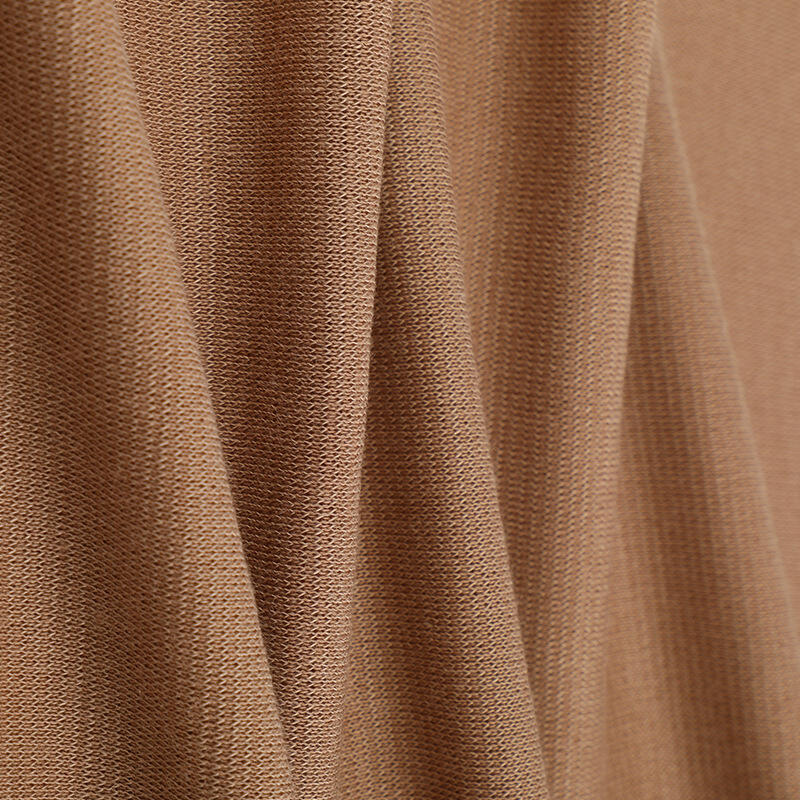
Selecting the right wool fabric for winter coat production is a critical decision that impacts both the quality and commercial success of your garments. The textile industry demands precision when sourcing materials, particularly for outerwear that must withstand harsh weather conditions while maintaining comfort and durability. Understanding the nuances of wool fabric selection requires expertise in fiber characteristics, weave structures, and performance specifications that align with your target market requirements.
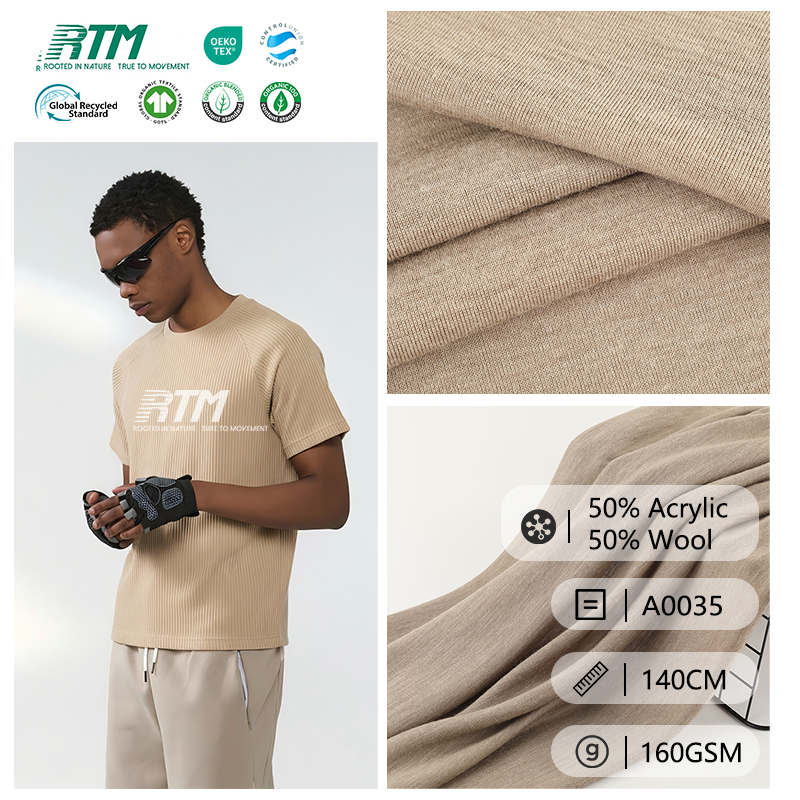
The foundation of exceptional winter coat manufacturing begins with comprehensive knowledge of wool fabric properties and their applications. Modern textile procurement professionals must navigate complex supply chains while ensuring consistent quality standards that meet both regulatory requirements and consumer expectations. Premium wool fabric sourcing involves evaluating multiple factors including fiber origin, processing methods, and finishing techniques that contribute to the final product's performance characteristics.
Understanding Wool Fiber Classifications and Quality Grades
Natural Wool Fiber Types and Origins
The classification system for wool fabric begins with understanding different sheep breeds and their unique fiber characteristics. Merino wool represents the finest grade, offering exceptional softness and temperature regulation properties that make it ideal for high-end winter coat production. This premium wool fabric typically measures between 18-24 microns in diameter, providing superior comfort against the skin while maintaining excellent insulation properties.
Cheviot and Romney wool varieties offer different characteristics suitable for various winter coat applications. Cheviot wool fabric provides robust durability with slightly coarser fibers measuring 27-33 microns, making it suitable for outdoor workwear and heavy-duty winter garments. Romney wool fabric falls into the medium-grade category with fibers measuring 32-38 microns, offering an excellent balance between cost-effectiveness and performance for mainstream winter coat production.
Grading Systems and Quality Standards
International wool fabric grading systems provide standardized methods for evaluating quality and consistency. The Bradford Count system remains widely used, with higher numbers indicating finer fiber quality. Premium wool fabric for winter coats typically ranges from 50s to 80s count, with super-fine varieties reaching 100s or higher for luxury applications.
Modern testing protocols evaluate wool fabric quality through multiple parameters including staple length, crimp consistency, and tensile strength. These measurements directly impact the manufacturing process and final garment performance. Quality wool fabric must demonstrate consistent color absorption, dimensional stability after washing, and resistance to pilling during extended wear cycles.
Weave Structures and Construction Methods
Traditional Weaving Techniques
The weave structure significantly influences wool fabric performance characteristics and suitability for winter coat applications. Plain weave wool fabric offers maximum stability and durability, making it ideal for structured coats and tailored garments. This fundamental construction provides excellent dimensional stability while allowing for precise pattern matching during the cutting and sewing process.
Twill weave wool fabric creates diagonal patterns that enhance drape characteristics and flexibility. The angled yarn intersection points distribute stress more evenly across the fabric surface, reducing wear concentration and extending garment lifespan. Herringbone and diagonal twill variations offer sophisticated aesthetics while maintaining the technical advantages of traditional twill construction methods.
Modern Fabric Construction Innovations
Contemporary wool fabric manufacturing incorporates advanced weaving technologies that optimize performance characteristics for specific winter coat applications. Double-weave construction creates two fabric layers connected by binding yarns, providing enhanced insulation without excessive bulk. This technique allows manufacturers to incorporate different fiber blends in each layer, optimizing comfort and weather protection simultaneously.
Jacquard weaving enables complex pattern integration directly into the wool fabric structure rather than through surface treatments. This approach ensures pattern durability and eliminates delamination concerns common with printed or bonded surface designs. Advanced jacquard wool fabric can incorporate multiple colors and textures while maintaining structural integrity throughout the garment lifecycle.
Performance Characteristics and Technical Specifications
Thermal Insulation Properties
The thermal performance of wool fabric depends on fiber structure, yarn twist, and fabric density. Natural wool fibers contain microscopic air pockets that trap warm air while allowing moisture vapor transmission. This unique combination provides superior comfort compared to synthetic alternatives, particularly in varying temperature conditions common during winter seasons.
Measuring thermal resistance requires standardized testing protocols that evaluate fabric performance under controlled conditions. Quality wool fabric for winter coats should demonstrate CLO values between 2.0-4.0, depending on intended applications. Higher values indicate superior insulation properties but may compromise flexibility and wearability for certain garment styles.
Moisture Management and Breathability
Wool fabric naturally regulates moisture through its hygroscopic properties, absorbing up to 30% of its weight in water vapor without feeling wet. This characteristic prevents the clammy sensation common with synthetic materials while maintaining insulation effectiveness even in humid conditions. The crimped fiber structure creates numerous micro-air channels that facilitate moisture transport away from the body.
Breathability testing measures air permeability and water vapor transmission rates to ensure optimal comfort during active wear. Premium wool fabric maintains moisture vapor transmission rates above 300 g/m²/24hr while providing adequate wind resistance for outer garment applications. This balance ensures wearer comfort across diverse activity levels and environmental conditions.
Quality Assessment and Testing Procedures
Physical Property Evaluation
Comprehensive wool fabric evaluation begins with physical property testing that measures tensile strength, tear resistance, and dimensional stability. These parameters directly impact manufacturing efficiency and garment durability. Quality wool fabric should demonstrate minimum tensile strength values of 400 Newtons in both warp and weft directions to withstand industrial sewing operations and consumer use.
Abrasion resistance testing using Martindale or Taber methods provides insights into long-term wear characteristics. Premium wool fabric for winter coats should withstand minimum 15,000 cycles without significant surface deterioration. This specification ensures acceptable appearance retention throughout normal garment lifecycle expectations while minimizing consumer complaints and warranty claims.
Chemical Composition Analysis
Modern wool fabric often incorporates blended fibers to optimize performance characteristics and cost effectiveness. Accurate fiber content analysis using microscopic examination and burn testing ensures compliance with labeling requirements and quality standards. Wool fabric blends commonly include polyester, nylon, or acrylic fibers that enhance specific properties while maintaining natural wool benefits.
Chemical testing protocols evaluate residual processing chemicals, dye fastness, and pH levels that could impact wearer comfort or garment performance. Quality wool fabric maintains pH levels between 4.5-7.5 and demonstrates excellent colorfastness to washing, dry cleaning, and light exposure. These specifications prevent color bleeding, fading, and skin irritation concerns during product lifecycle.
Sourcing Strategies and Supplier Evaluation
Global Supply Chain Considerations
Establishing reliable wool fabric supply chains requires understanding global production centers and their respective advantages. Australian and New Zealand suppliers offer premium Merino wool fabric with consistent quality and traceability systems that support sustainable sourcing initiatives. European mills provide advanced processing capabilities and innovative finishing treatments that enhance performance characteristics.
Asian manufacturing centers offer competitive pricing and large-scale production capabilities for volume requirements. However, quality consistency and lead time management require careful supplier selection and ongoing quality assurance programs. Establishing partnerships with mills that maintain international certifications ensures compliance with environmental and social responsibility standards increasingly demanded by global markets.
Supplier Qualification and Monitoring
Effective supplier evaluation processes examine technical capabilities, quality management systems, and production capacity alignment with your requirements. Site audits should evaluate equipment condition, process controls, and laboratory testing capabilities that ensure consistent wool fabric quality. Suppliers must demonstrate statistical process control implementation and continuous improvement programs that minimize variation and defects.
Long-term partnership development includes collaborative product development, seasonal forecasting, and risk management strategies. Quality wool fabric suppliers provide technical support, sample development services, and market intelligence that enhance your competitive position. Regular performance reviews and feedback mechanisms ensure continuous improvement and adaptation to changing market requirements.
Cost Analysis and Value Optimization
Total Cost of Ownership Evaluation
Analyzing wool fabric costs requires comprehensive evaluation beyond unit pricing to include quality-related factors that impact manufacturing efficiency and final product performance. Premium wool fabric with superior consistency reduces waste, improves productivity, and minimizes quality issues that could result in costly rework or customer returns.
Value engineering approaches examine performance specifications against cost implications to optimize material selection for specific applications. Higher-grade wool fabric may justify premium pricing through enhanced durability, superior aesthetics, and reduced processing requirements. This analysis ensures alignment between material costs and target market positioning while maintaining acceptable profit margins.
Market Positioning and Pricing Strategies
Understanding wool fabric cost structures enables strategic pricing decisions that balance competitiveness with quality positioning. Premium wool fabric typically represents 30-40% of total garment costs, making material selection critical for maintaining target margins while delivering expected quality levels.
Market analysis of competitor materials and positioning helps identify opportunities for differentiation through superior wool fabric selection. Investing in higher-quality materials often enables premium pricing strategies that more than offset increased material costs through enhanced brand perception and customer satisfaction metrics.
FAQ
What are the key differences between Merino and standard wool fabric for winter coats
Merino wool fabric offers significantly finer fibers measuring 18-24 microns compared to standard wool at 25-35 microns, resulting in superior softness and comfort. Merino provides better temperature regulation, moisture management, and odor resistance while maintaining excellent insulation properties. Standard wool fabric costs less but may feel scratchy against skin and offers reduced performance characteristics for premium winter coat applications.
How do I determine the appropriate fabric weight for different winter coat styles
Fabric weight selection depends on intended use and construction methods. Lightweight wool fabric (200-300 GSM) works well for fitted blazers and dress coats with additional lining. Medium weight options (300-450 GSM) suit most winter coat applications providing good insulation and drape. Heavy wool fabric (450+ GSM) is ideal for outdoor workwear and extreme weather protection but requires careful pattern design to prevent bulk.
What quality certifications should I look for when sourcing wool fabric
Look for Woolmark certification which guarantees pure new wool content and quality standards. OEKO-TEX Standard 100 ensures fabric safety and chemical compliance. Responsible Wool Standard (RWS) certification provides animal welfare and sustainable farming verification. Additional certifications like GOTS for organic wool fabric or Cradle to Cradle for environmental sustainability may be important depending on your brand positioning and target market requirements.
How can I minimize shrinkage issues with wool fabric in winter coat production
Pre-shrinking treatment during fabric preparation eliminates most dimensional change concerns. Specify pre-shrunk wool fabric from suppliers or arrange professional steam pressing before cutting. Maintain consistent humidity and temperature in cutting and sewing areas to prevent dimensional changes during production. Use appropriate interfacings and construction techniques that accommodate natural wool fabric movement while maintaining garment structure and fit consistency.
Table of Contents
- Understanding Wool Fiber Classifications and Quality Grades
- Weave Structures and Construction Methods
- Performance Characteristics and Technical Specifications
- Quality Assessment and Testing Procedures
- Sourcing Strategies and Supplier Evaluation
- Cost Analysis and Value Optimization
-
FAQ
- What are the key differences between Merino and standard wool fabric for winter coats
- How do I determine the appropriate fabric weight for different winter coat styles
- What quality certifications should I look for when sourcing wool fabric
- How can I minimize shrinkage issues with wool fabric in winter coat production