
 EN



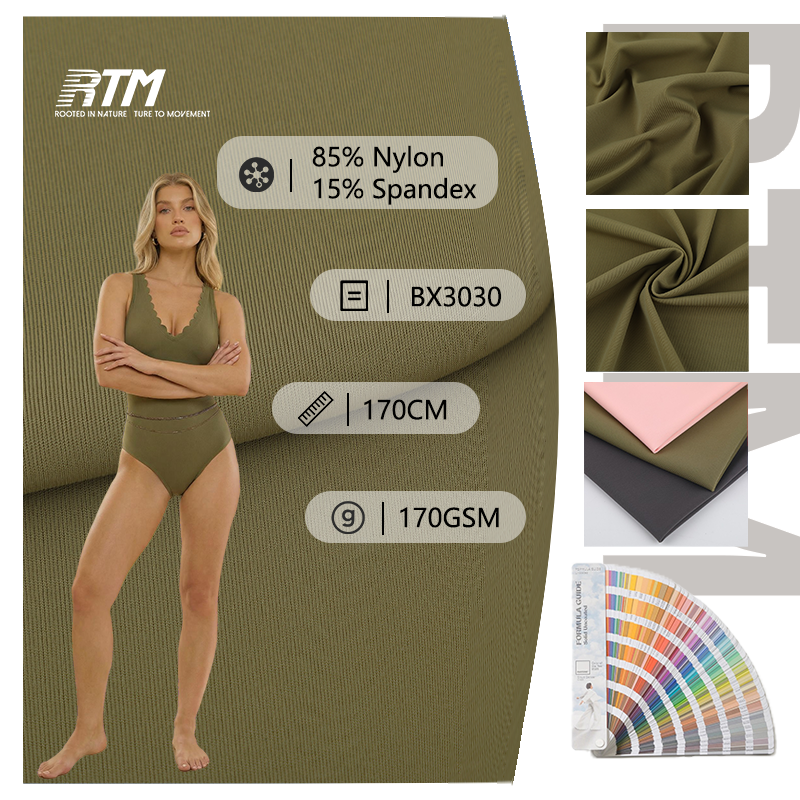
The fashion industry faces mounting pressure to reduce environmental impact, and one of the most effective solutions is the adoption of recycled fabrics in production. Recycled fabrics offer a compelling pathway to sustainable fashion by diverting textile waste from landfills while creating high-quality garments that meet modern consumer expectations. Brands and manufacturers seeking to reduce their carbon footprint are increasingly turning to recycled fabrics as a core component of their sustainability strategy. This shift represents more than a trend—it is a fundamental transformation in how fashion is produced, designed, and consumed globally.

Producing sustainable fashion using recycled fabrics requires understanding both the technical aspects of material processing and the practical considerations of modern apparel manufacturing. Recycled fabrics can be derived from post-consumer waste, post-industrial scraps, or regenerated fibers, each offering distinct advantages for different applications. The challenge lies in sourcing quality recycled fabrics, maintaining consistent production standards, and communicating the sustainability story to end consumers who increasingly demand transparency and responsibility from fashion brands.
Understanding Recycled Fabrics in Fashion Production
Types of Recycled Fabrics Available
Recycled fabrics come in several forms, each suited to different fashion applications. Mechanically recycled fabrics are produced by shredding and re-spinning used textiles into new yarn, a process particularly suited to natural fibers like cotton and wool. Chemically recycled fabrics involve dissolving textile waste and regenerating new fibers, producing high-quality recycled fabrics with properties comparable to virgin materials. Blended recycled fabrics combine regenerated fibers with virgin content or other recycled materials, offering cost-effectiveness and performance balance for mainstream fashion production. Each type of recycled fabrics presents unique opportunities for sustainable fashion brands to minimize environmental footprint while maintaining product quality and consumer satisfaction.
Quality Standards and Performance Metrics
When sourcing recycled fabrics for sustainable fashion production, quality assurance is critical. Recycled fabrics must meet durability, colorfastness, and dimensional stability standards required for retail garments. Testing protocols ensure that recycled fabrics perform identically to virgin materials in washing, wearing, and aging conditions. Manufacturers should verify that recycled fabrics meet relevant international certifications such as Global Organic Textile Standard (GOTS), Cradle to Cradle, or OEKO-TEX standards. These certifications provide credibility and transparency, proving to consumers that recycled fabrics used in their fashion items truly meet environmental and safety criteria, strengthening brand reputation in the sustainable fashion market.
Implementation Strategies for Sustainable Fashion Manufacturing
Sourcing and Supply Chain Integration
Successfully producing sustainable fashion depends on establishing reliable supply chains for recycled fabrics. Manufacturers must identify reputable suppliers who consistently provide recycled fabrics meeting quality and volume requirements. Developing long-term partnerships with recycled fabrics suppliers ensures stable pricing and predictable material availability for production planning. Transparency in supply chain sourcing strengthens the sustainability narrative and allows brands to communicate authentic stories about their recycled fabrics sourcing to consumers. Implementing traceability systems for recycled fabrics creates accountability throughout the manufacturing process, ensuring that materials genuinely come from recycled sources and meet environmental standards promised to end customers of sustainable fashion products.
Production Process Optimization
Transitioning to recycled fabrics often requires adjusting manufacturing processes to accommodate material characteristics. Recycled fabrics may have different dyeing, weaving, or knitting properties compared to virgin materials, necessitating equipment calibration and process refinement. Training production teams on handling recycled fabrics ensures consistent quality and reduces waste during cutting and assembly. Implementing efficient pattern layouts minimizes fabric waste when using recycled fabrics, directly improving production economics. Automation and digital tools help manufacturers monitor recycled fabrics quality in real-time, catching defects early and maintaining the standards consumers expect from sustainable fashion garments made with recycled fabrics.
Maximizing Business Value Through Recycled Fabrics Strategy
Market Differentiation and Consumer Appeal
Fashion brands using recycled fabrics gain significant competitive advantage in an increasingly conscious consumer market. Transparent communication about recycled fabrics sourcing and production processes builds brand trust and loyalty among sustainability-focused customers. Marketing sustainable fashion products made from recycled fabrics appeals to demographic segments willing to pay premium prices for environmentally responsible choices. Certification labels and third-party verification of recycled fabrics provide tangible proof of sustainability claims, reducing consumer skepticism. By positioning recycled fabrics as a core brand value rather than a marketing gimmick, manufacturers can differentiate their sustainable fashion collections and attract retailers and distributors seeking authentic environmental credentials.
Cost Management and Long-Term Profitability
While recycled fabrics may initially carry higher acquisition costs, strategic sourcing reduces pricing over time as scale increases and supply chains mature. Waste reduction during manufacturing with recycled fabrics improves overall production economics and material efficiency. Sustainable fashion products using recycled fabrics often command higher retail margins, offsetting material costs and generating superior profitability compared to conventional garments. Investment in recycled fabrics production capabilities positions manufacturers for future regulatory requirements, as governments increasingly mandate minimum recycled content in textile production. Long-term commitment to recycled fabrics strategy creates operational resilience, reduces raw material price volatility, and aligns manufacturing practices with emerging consumer values driving the sustainable fashion market forward globally.
FAQ
What certifications should recycled fabrics have for sustainable fashion?
Reputable recycled fabrics should carry certifications such as Global Organic Textile Standard (GOTS), Cradle to Cradle, OEKO-TEX Standard 100, or EU Ecolabel. These certifications verify that recycled fabrics meet environmental safety standards, were produced responsibly, and contain genuine recycled content. Choosing certified recycled fabrics ensures your sustainable fashion products meet consumer expectations and industry best practices, providing credibility for sustainability marketing claims.
Can recycled fabrics match the performance of virgin materials?
Modern recycled fabrics, particularly chemically recycled options, can achieve performance characteristics equal to or comparable with virgin materials. Recycled fabrics undergo rigorous testing for strength, elasticity, colorfastness, and durability to ensure they meet fashion industry standards. Proper selection of recycled fabrics type based on garment application, combined with quality supplier partnerships, ensures sustainable fashion products deliver the same wear experience and longevity consumers expect from conventional clothing.
How can brands effectively communicate recycled fabrics sustainability to consumers?
Transparent storytelling about recycled fabrics sourcing, production processes, and environmental impact builds authentic consumer connections. Brands should provide specific information about how much waste was diverted, water saved, or carbon emissions reduced through recycled fabrics use. Third-party certifications on garment tags and product descriptions add credibility to sustainability claims about recycled fabrics. Digital tools like QR codes linking to detailed sustainable fashion supply chain information help consumers verify authenticity and deepen engagement with brands committed to recycled fabrics production.