
 EN
EN



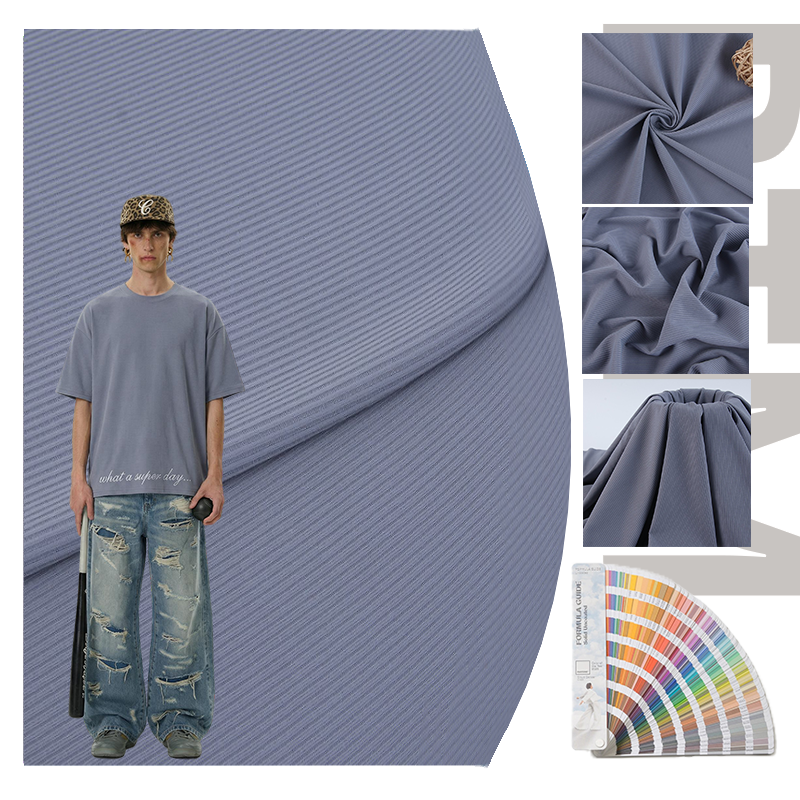
Interlock fabric's unique construction makes it an exceptional choice for printing applications, delivering consistent results through its inherently smooth surface characteristics. The double-knit structure of interlock fabric creates a stable, even textile foundation that eliminates many common printing challenges associated with single-knit alternatives. Understanding how interlock fabric achieves this smooth printing surface requires examining its fundamental knitting mechanics and structural properties that directly impact print quality and adhesion.
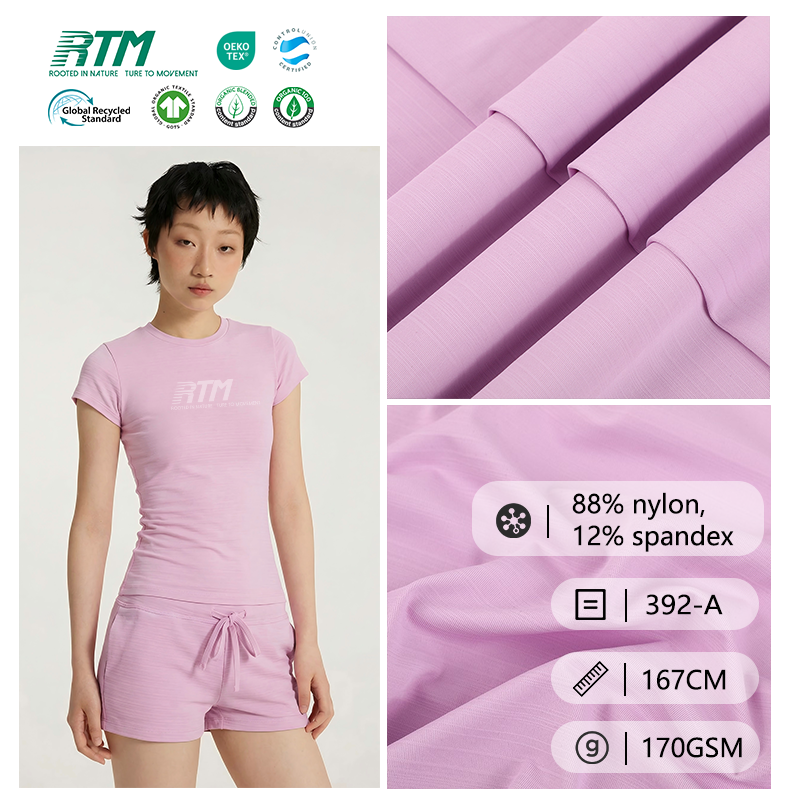
The printing advantages of interlock fabric stem from its dimensional stability and surface uniformity, which prevent common issues like ink bleeding, uneven coverage, and distorted designs. Unlike single-jersey knits that can curl and stretch unpredictably, interlock fabric maintains consistent tension across its surface, creating an ideal canvas for various printing methods including screen printing, digital printing, and heat transfer applications. This stability ensures that printed designs maintain their intended proportions and clarity throughout the fabric's lifecycle.
Structural Foundation of Interlock Fabric's Smooth Surface
Double-Knit Construction Mechanics
The smooth printing surface of interlock fabric originates from its double-knit construction, where two separate jersey layers are knitted simultaneously and interlocked through their loop structure. This manufacturing process creates a fabric with inherent stability that resists curling, stretching, and surface irregularities that can compromise print quality. The interlocking mechanism ensures that both fabric faces remain flat and uniform, providing consistent contact with printing equipment and materials.
Each yarn in interlock fabric forms loops that connect with adjacent yarns in both the course and wale directions, creating a locked structure that prevents individual loops from shifting or distorting during printing processes. This stability translates directly to improved registration accuracy in multi-color printing and reduced setup time for printing equipment operators.
Surface Texture Characteristics
The surface texture of interlock fabric results from the way loops are formed and positioned during the knitting process, creating a consistent, low-profile surface that minimizes variations in print ink absorption. The tight loop structure eliminates the gaps and irregularities common in looser knit constructions, ensuring that printing inks distribute evenly across the fabric surface without pooling or creating thin spots.
This uniform surface texture becomes particularly important when printing fine details or gradients, where even minor surface variations can create visible quality differences. The smooth characteristics of interlock fabric allow for crisp edge definition in printed designs and enable the use of thinner ink deposits while maintaining adequate coverage and color saturation.
Print Quality Enhancement Through Fabric Stability
Dimensional Control During Printing
Interlock fabric's resistance to dimensional change during printing processes directly contributes to superior print registration and design accuracy. The locked loop structure prevents the fabric from stretching or contracting unpredictably when subjected to printing pressures, heat, or moisture from ink systems. This dimensional stability ensures that multi-color designs align properly and that repeated printing passes maintain consistent positioning.
The balanced construction of interlock fabric means that stretch characteristics remain consistent in both lengthwise and crosswise directions, eliminating the differential stretch that can cause design distortion in single-knit fabrics. This balance becomes crucial when printing on garments or products where design placement must remain accurate across different fabric orientations and stress points.
Ink Adhesion and Penetration Optimization
The smooth surface of interlock fabric promotes optimal ink adhesion by providing consistent contact between the printing medium and the textile substrate. The uniform loop structure creates a predictable surface energy profile that allows inks to wet the fabric evenly and penetrate to the appropriate depth for durable printing results. This consistent wetting behavior reduces the likelihood of ink adhesion failures and improves wash fastness in finished products.
Interlock fabric's dense construction also provides sufficient fiber density to anchor inks mechanically while maintaining enough surface smoothness to prevent excessive ink absorption that can lead to poor color brightness or increased ink consumption. This balance between absorption and surface integrity makes interlock fabric particularly suitable for high-resolution printing applications where fine details must remain sharp and clear.
Printing Method Compatibility and Performance
Screen Printing Applications
Screen printing on interlock fabric benefits significantly from the material's smooth surface characteristics, which ensure consistent squeegee contact and uniform ink deposition across the print area. The stable surface prevents screen mesh from sinking into fabric irregularities that can cause ink starvation or uneven coverage in critical design areas. This consistency allows screen printers to achieve predictable results with standard printing parameters and reduced setup time.
The dimensional stability of interlock fabric during screen printing eliminates the need for excessive off-contact distances that can compromise print sharpness in other fabric types. Printers can maintain closer screen-to-substrate contact while still achieving clean ink release, resulting in sharper edge definition and more precise color registration in multi-color designs.
Digital and Heat Transfer Printing
Digital printing technologies perform exceptionally well on interlock fabric due to its smooth surface providing consistent ink droplet placement and minimal ink spread. The uniform surface texture ensures that digital print heads maintain consistent distance from the substrate, preventing nozzle strikes and maintaining print quality throughout long production runs. This reliability makes interlock fabric ideal for short-run digital printing applications where setup consistency is critical.
Heat transfer applications benefit from interlock fabric's thermal stability and smooth surface contact during the transfer process. The even surface ensures complete contact between transfer materials and the fabric, eliminating hot spots or gaps that can cause transfer failures. The fabric's resistance to thermal distortion maintains design registration during heat application, ensuring consistent results across large production runs.
Quality Control and Performance Optimization
Surface Preparation and Pre-Treatment
The smooth surface of interlock fabric simplifies pre-treatment processes required for optimal printing performance, as the uniform texture allows for even application of pre-treatment chemicals and sizing agents. This consistency reduces the variables that can affect print quality and makes it easier to achieve repeatable results across different fabric lots. The stable surface also retains pre-treatment applications better than fabrics with irregular surface textures.
Pre-treatment penetration remains consistent across interlock fabric due to its uniform loop structure, ensuring that chemical preparations reach the appropriate depth without over-penetrating or creating surface buildup that could interfere with ink adhesion. This controlled penetration contributes to more predictable printing behavior and improved color reproduction accuracy.
Post-Print Processing and Durability
The smooth surface characteristics that benefit initial printing also contribute to superior post-print processing results, including heat setting, curing, and finishing operations. The uniform surface ensures even heat distribution during curing processes, preventing hot spots that can cause color variations or fabric damage. This consistency extends to washing and finishing operations where the stable surface maintains print integrity.
Long-term print durability benefits from interlock fabric's resistance to surface distortion and pilling, which can compromise printed designs over time. The locked loop structure maintains surface smoothness through repeated wear and laundering cycles, ensuring that printed designs retain their original appearance and color saturation throughout the product's service life.
FAQ
What makes interlock fabric smoother than single-jersey knits for printing?
Interlock fabric's double-knit construction creates a locked loop structure that prevents curling and surface irregularities common in single-jersey knits. The interlocking mechanism between two jersey layers results in superior dimensional stability and a consistently flat surface that maintains uniform contact with printing equipment and materials.
Can interlock fabric handle high-resolution printing applications?
Yes, interlock fabric excels in high-resolution printing due to its smooth, uniform surface texture that allows for precise ink placement and sharp edge definition. The stable surface prevents ink spreading and maintains fine detail clarity, making it suitable for complex designs requiring accurate color registration and crisp line reproduction.
How does interlock fabric's surface affect ink consumption during printing?
The smooth surface of interlock fabric optimizes ink consumption by providing controlled absorption and consistent wetting behavior. The uniform surface prevents excessive ink penetration while ensuring adequate coverage, resulting in efficient ink usage and consistent color saturation across the printed area.
Does the smooth surface of interlock fabric require special printing equipment or techniques?
Interlock fabric's smooth surface actually simplifies printing operations and typically works well with standard printing equipment and techniques. The dimensional stability and consistent surface characteristics reduce the need for specialized adjustments, making it compatible with conventional screen printing, digital printing, and heat transfer applications without requiring significant process modifications.
Table of Contents
- Structural Foundation of Interlock Fabric's Smooth Surface
- Print Quality Enhancement Through Fabric Stability
- Printing Method Compatibility and Performance
- Quality Control and Performance Optimization
-
FAQ
- What makes interlock fabric smoother than single-jersey knits for printing?
- Can interlock fabric handle high-resolution printing applications?
- How does interlock fabric's surface affect ink consumption during printing?
- Does the smooth surface of interlock fabric require special printing equipment or techniques?