
 EN
EN


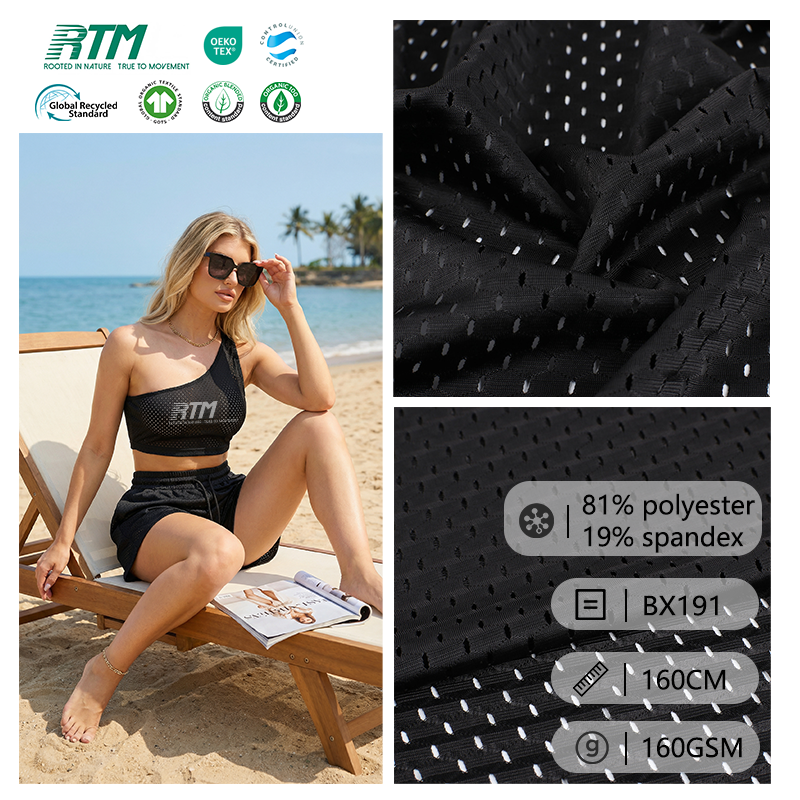
Selecting the right chlorine-resistant swimming fabric is crucial for luxury swimwear manufacturers and designers who demand both performance and aesthetics. The harsh chemical environment of swimming pools can quickly degrade ordinary fabrics, leading to color fading, loss of elasticity, and premature deterioration. Understanding the properties and characteristics of specialized swimming fabrics ensures that your luxury swimwear maintains its premium quality, vibrant colors, and perfect fit even after extensive exposure to chlorinated water.
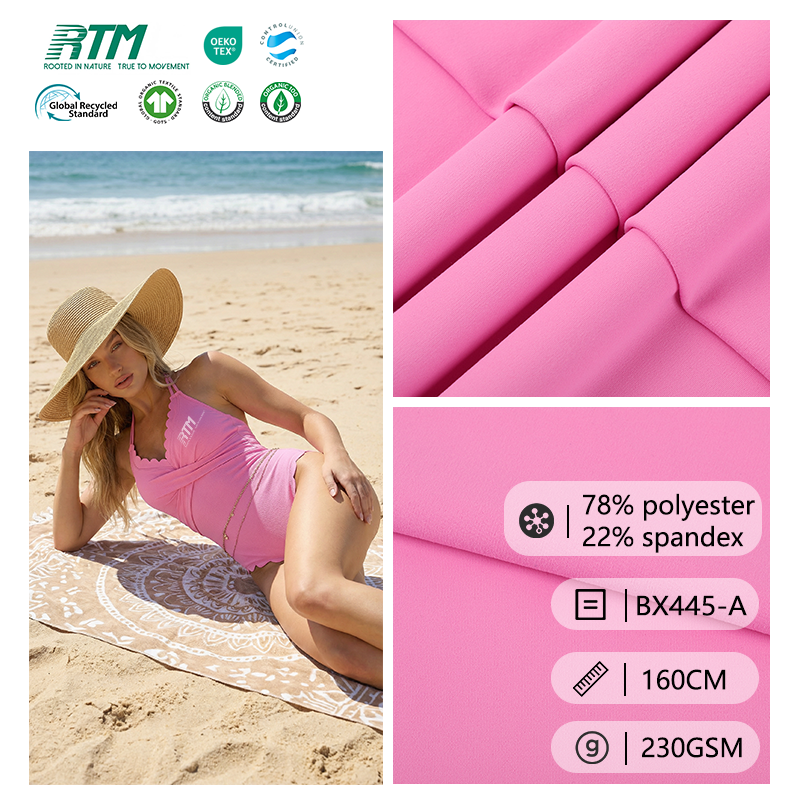
Understanding Chlorine-Resistant Fabric Technology
Chemical Composition and Fiber Structure
The foundation of effective chlorine-resistant swimming fabric lies in its specialized chemical composition. Premium fabrics typically combine polyester with elastane or spandex, creating a molecular structure that resists chlorine degradation. The polyester component provides excellent chlorine resistance due to its synthetic polymer chains, while elastane maintains the fabric's stretch and recovery properties essential for swimwear performance.
Advanced manufacturing processes involve treating the fabric with specialized chemical finishes that create a protective barrier against chlorine molecules. These treatments penetrate deep into the fiber structure, ensuring long-lasting protection without compromising the fabric's natural feel or appearance. The molecular bonding process creates cross-links within the fabric that prevent chlorine from breaking down the polymer chains, maintaining the integrity of the chlorine-resistant swimming fabric over time.
Performance Characteristics and Durability
High-quality chlorine-resistant swimming fabric exhibits superior performance characteristics that extend far beyond basic chemical resistance. These fabrics maintain their shape retention properties even after hundreds of hours in chlorinated water, ensuring that luxury swimwear continues to fit perfectly without sagging or stretching. The enhanced durability means reduced replacement costs and consistent brand quality for swimwear manufacturers.
Color fastness represents another critical performance aspect of premium chlorine-resistant swimming fabric. Advanced dyeing techniques and colorfast treatments ensure that vibrant colors remain stable and attractive throughout the fabric's lifespan. This color stability is particularly important for luxury swimwear brands that rely on distinctive color palettes and patterns to differentiate their products in the competitive market.
Key Selection Criteria for Premium Applications
Fabric Weight and Texture Considerations
The weight of chlorine-resistant swimming fabric significantly impacts both performance and luxury appeal. Medium-weight fabrics typically ranging from 180 to 220 GSM provide the optimal balance between durability, comfort, and aesthetic appeal. These weights offer sufficient opacity to prevent transparency issues while maintaining the smooth, sleek appearance expected in high-end swimwear applications.
Texture plays an equally important role in fabric selection for luxury swimwear. Premium chlorine-resistant swimming fabric should exhibit a smooth, soft hand feel that enhances wearer comfort while maintaining its structural integrity. The surface texture should resist pilling and abrasion, ensuring that the fabric maintains its pristine appearance even after frequent use and washing cycles.
Stretch and Recovery Properties
Exceptional stretch and recovery characteristics define superior chlorine-resistant swimming fabric for luxury applications. The fabric should offer four-way stretch capabilities with at least 50% stretch in both directions, allowing for unrestricted movement during swimming activities. Recovery properties are equally crucial, with premium fabrics returning to their original dimensions within seconds of stretching.
The elastane content typically ranges from 15% to 25% in high-performance chlorine-resistant swimming fabric, providing the necessary stretch while maintaining structural stability. This elastane percentage ensures that the fabric conforms to body contours while resisting permanent deformation that can compromise the garment's fit and appearance over time.
Testing and Quality Assurance Standards
Laboratory Testing Protocols
Rigorous testing protocols ensure that chlorine-resistant swimming fabric meets the demanding requirements of luxury swimwear applications. Standard testing procedures involve exposing fabric samples to concentrated chlorine solutions for extended periods, simulating years of typical swimming pool exposure. These tests evaluate color retention, fabric strength, stretch recovery, and overall structural integrity.
Advanced testing facilities utilize specialized equipment to measure the fabric's resistance to chlorine degradation at the molecular level. UV resistance testing is also critical, as chlorine-resistant swimming fabric must withstand both chemical and environmental stresses encountered in outdoor swimming environments. These comprehensive testing procedures provide manufacturers with detailed performance data to make informed fabric selection decisions.
Industry Certification Requirements
Leading certification bodies have established specific standards for chlorine-resistant swimming fabric performance in luxury applications. OEKO-TEX Standard 100 certification ensures that fabrics meet strict criteria for chemical safety and environmental responsibility. Additional certifications may include STANDARD 100 by OEKO-TEX and GREENGUARD Gold certification for products intended for sensitive environments.
Manufacturing facilities producing premium chlorine-resistant swimming fabric typically maintain ISO 9001 quality management system certification, ensuring consistent production processes and quality control measures. These certifications provide assurance that the fabric meets international standards for performance, safety, and environmental sustainability.
Manufacturing and Processing Considerations
Knitting Techniques and Construction Methods
Advanced knitting techniques play a crucial role in producing superior chlorine-resistant swimming fabric for luxury swimwear applications. Warp knitting methods, particularly utilizing Raschel or tricot machines, create fabric structures with enhanced dimensional stability and resistance to laddering. These construction methods ensure that the chlorine-resistant swimming fabric maintains its integrity even when subjected to stress during swimming activities.
Seamless knitting technologies enable the production of chlorine-resistant swimming fabric with minimal weak points and enhanced comfort properties. These advanced manufacturing processes create fabrics with consistent thickness and stretch characteristics throughout the entire textile structure, eliminating potential failure points that could compromise the garment's longevity and performance.
Finishing Processes and Surface Treatments
Specialized finishing processes enhance the performance characteristics of chlorine-resistant swimming fabric beyond its inherent properties. Anti-microbial treatments prevent bacterial growth and odor development, maintaining freshness even in humid swimming environments. These treatments are particularly important for luxury swimwear that may be worn for extended periods during recreational activities.
Surface treatments may also include water-repellent finishes that reduce water absorption and accelerate drying times. While chlorine-resistant swimming fabric is designed for water exposure, these treatments enhance comfort by reducing the weight of wet garments and improving the overall swimming experience for luxury swimwear users.
Color and Design Integration
Dyeing Techniques for Chlorine Resistance
Achieving vibrant, long-lasting colors in chlorine-resistant swimming fabric requires specialized dyeing techniques that ensure colorfast properties. Solution dyeing methods, where colorants are added during the fiber production process, provide superior color retention compared to traditional piece dyeing methods. This approach creates colors that are integral to the fiber structure, making them highly resistant to chlorine bleaching effects.
Advanced digital printing technologies enable complex patterns and designs on chlorine-resistant swimming fabric while maintaining chemical resistance properties. These printing methods use specialized inks and fixation processes that bond permanently with the fabric structure, ensuring that intricate designs remain sharp and vibrant throughout the garment's lifespan.
Pattern Development and Design Flexibility
Modern chlorine-resistant swimming fabric offers extensive design flexibility for luxury swimwear applications. Jacquard knitting techniques can incorporate complex patterns and textures directly into the fabric structure, creating unique visual and tactile effects that enhance the luxury appeal. These structural patterns maintain their definition and appearance even after prolonged exposure to chlorinated water.
Color blocking and gradient effects can be achieved through precise control of the knitting and dyeing processes, allowing designers to create distinctive looks that set luxury swimwear apart from conventional products. The stable nature of premium chlorine-resistant swimming fabric ensures that these design elements remain crisp and well-defined throughout the garment's service life.
Economic and Sustainability Factors
Cost-Benefit Analysis for Premium Applications
While premium chlorine-resistant swimming fabric commands higher initial costs compared to standard materials, the long-term economic benefits justify the investment for luxury swimwear applications. Extended product lifespan reduces replacement frequency, improving customer satisfaction and brand loyalty. The superior performance characteristics also support premium pricing strategies that enhance profit margins for swimwear manufacturers.
Manufacturing efficiency improvements result from the consistent performance characteristics of high-quality chlorine-resistant swimming fabric. Reduced defect rates and processing complications streamline production workflows, reducing overall manufacturing costs despite the higher raw material investment. These efficiency gains compound over large production volumes, making premium fabrics economically attractive for established manufacturers.
Environmental Impact and Sustainability
Sustainable production methods for chlorine-resistant swimming fabric focus on minimizing environmental impact while maintaining superior performance characteristics. Recycled polyester content can reach up to 50% in some premium fabrics without compromising chlorine resistance or durability. These recycling initiatives support circular economy principles while reducing dependence on virgin petroleum-based materials.
Water conservation in manufacturing processes represents another important sustainability consideration for chlorine-resistant swimming fabric production. Advanced dyeing and finishing technologies reduce water consumption by up to 30% compared to traditional methods, while closed-loop systems minimize waste discharge. These environmental improvements align with growing consumer demand for sustainable luxury products.
FAQ
How long does chlorine-resistant swimming fabric maintain its properties
Premium chlorine-resistant swimming fabric typically maintains its performance characteristics for 300-500 hours of pool exposure, equivalent to several years of regular swimming activity. The actual lifespan depends on chlorine concentration, water temperature, and care practices. Proper rinsing after each use and following manufacturer washing instructions can extend the fabric's effective lifespan significantly.
Can chlorine-resistant swimming fabric be used for other applications beyond swimwear
While specifically designed for swimming applications, chlorine-resistant swimming fabric performs excellently in other demanding environments. Athletic wear, activewear, and spa garments benefit from the fabric's moisture management, durability, and chemical resistance properties. The fabric's versatility makes it suitable for any application requiring exposure to chemicals, frequent washing, or demanding performance requirements.
What care instructions ensure maximum lifespan for chlorine-resistant swimming fabric
Optimal care for chlorine-resistant swimming fabric includes immediate rinsing with fresh water after pool exposure, washing in cool water with mild detergent, and air drying away from direct sunlight. Avoid fabric softeners, bleach, and high-temperature washing or drying, as these can degrade the specialized chemical treatments that provide chlorine resistance. Following these guidelines maximizes the fabric's performance and lifespan.
How does chlorine-resistant swimming fabric compare to regular polyester blends
Chlorine-resistant swimming fabric significantly outperforms regular polyester blends in pool environments, maintaining color, elasticity, and structural integrity for 5-10 times longer. While initial costs are higher, the extended lifespan and superior performance characteristics provide better long-term value. Regular polyester blends may fade, lose stretch, and deteriorate within weeks of regular pool use, making chlorine-resistant options essential for quality swimwear applications.
Table of Contents
- Understanding Chlorine-Resistant Fabric Technology
- Key Selection Criteria for Premium Applications
- Testing and Quality Assurance Standards
- Manufacturing and Processing Considerations
- Color and Design Integration
- Economic and Sustainability Factors
-
FAQ
- How long does chlorine-resistant swimming fabric maintain its properties
- Can chlorine-resistant swimming fabric be used for other applications beyond swimwear
- What care instructions ensure maximum lifespan for chlorine-resistant swimming fabric
- How does chlorine-resistant swimming fabric compare to regular polyester blends