
 EN
EN



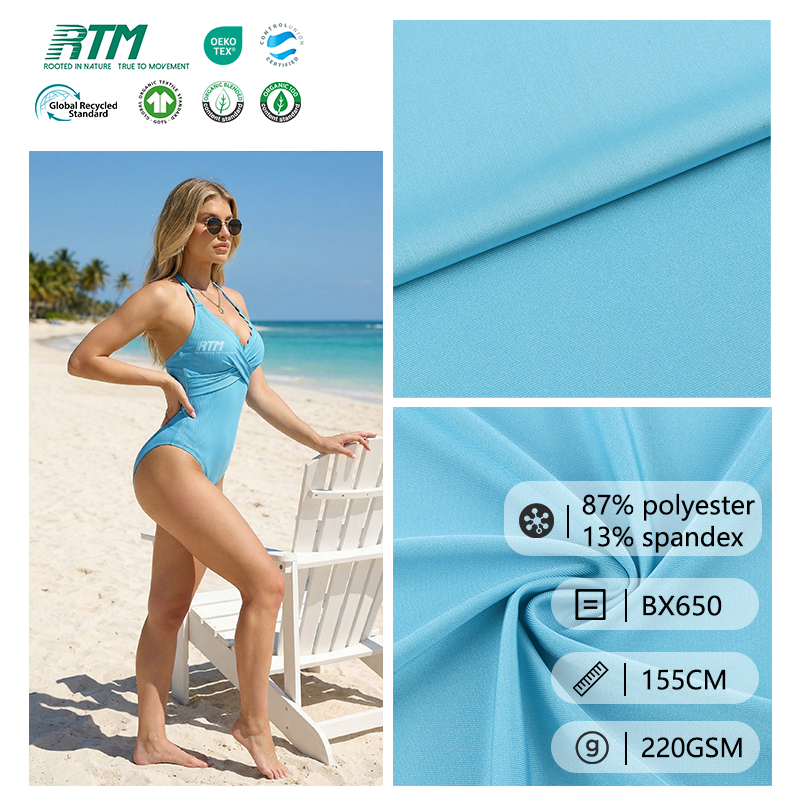
The world of competitive swimming has witnessed remarkable transformations over the past decade, with swimming fabric technology leading the charge in revolutionizing athletic performance. Professional athletes today demand materials that not only enhance their speed in water but also provide durability, comfort, and protection during intensive training sessions. This evolution in swimming fabric technology represents a convergence of advanced materials science, biomechanics research, and cutting-edge manufacturing processes that collectively push the boundaries of what swimmers can achieve in the pool.
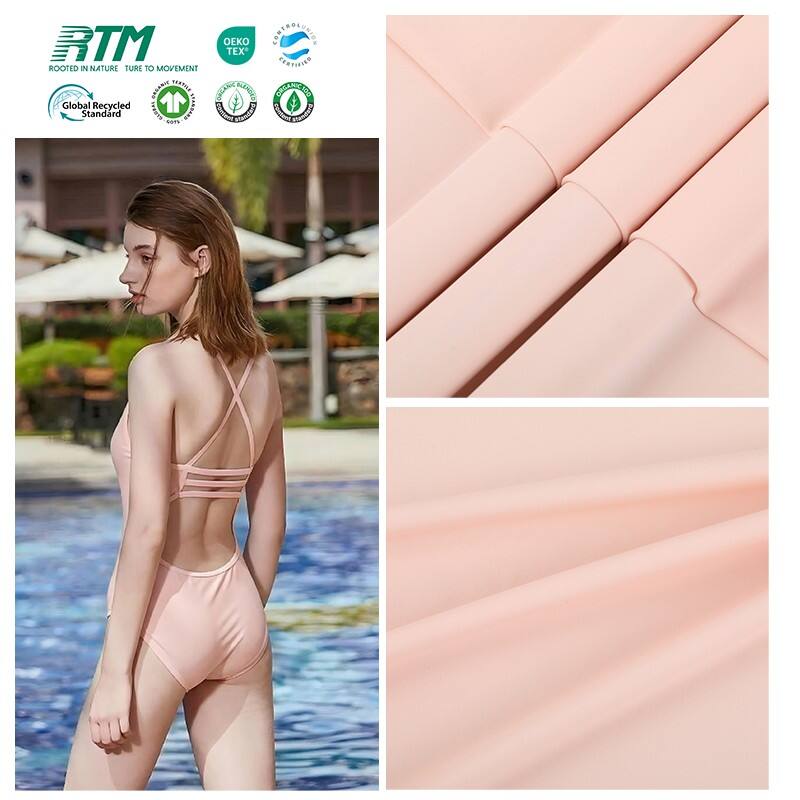
Modern swimming fabric technology encompasses sophisticated fiber compositions, innovative weaving techniques, and specialized treatments that address multiple performance aspects simultaneously. The integration of high-stretch nylon and spandex blends has become particularly significant, offering athletes the perfect balance between flexibility and structural integrity. These advanced materials undergo rigorous testing to ensure they maintain their properties under the demanding conditions of professional swimming environments.
Advanced Material Composition in Modern Swimwear
High-Performance Nylon-Spandex Blends
The foundation of contemporary swimming fabric technology rests on carefully engineered nylon-spandex combinations that deliver exceptional stretch recovery and dimensional stability. Professional swimmers require materials that can withstand thousands of strokes without losing their shape or performance characteristics. These advanced fiber blends typically feature weight specifications around 170 grams per square meter, providing optimal coverage while maintaining minimal drag resistance through water.
Manufacturing processes for these high-performance blends involve precise control over fiber orientation and tension during weaving. The resulting fabrics exhibit superior elasticity in multiple directions, allowing swimmers to maintain full range of motion while benefiting from compression support. This swimming fabric technology ensures that competitive athletes can focus entirely on their technique without being hindered by restrictive or poorly performing materials.
Durability Enhancement Through Advanced Processing
Professional swimming environments expose fabrics to harsh chemical treatments, constant stretching forces, and intensive washing cycles. Swimming fabric technology has responded by developing specialized finishing treatments that significantly enhance wear resistance and longevity. These processes involve molecular-level modifications that strengthen fiber bonds and improve resistance to chlorine degradation, UV exposure, and mechanical stress.
The wear-resistant properties of modern swimming fabrics result from innovative cross-linking treatments and protective coatings applied during manufacturing. These enhancements ensure that professional athletes can rely on consistent performance throughout extended training periods and competitive seasons. The investment in advanced swimming fabric technology ultimately reduces replacement costs and maintains optimal performance standards for serious competitors.
Performance Benefits for Professional Athletes
Hydrodynamic Optimization
The evolution of swimming fabric technology has focused intensively on reducing drag and improving hydrodynamic efficiency. Modern fabrics feature surface textures and fiber orientations specifically designed to minimize turbulence and promote smooth water flow around the swimmer's body. These microscopic surface modifications can result in measurable performance improvements that prove crucial in competitive scenarios where fractions of seconds determine victory.
Professional swimmers benefit from fabrics that maintain consistent surface properties throughout their useful life. The swimming fabric technology employed in high-end competitive wear incorporates specialized weaving patterns that create optimal water interaction characteristics. These technical innovations translate directly into improved stroke efficiency and reduced energy expenditure during races and training sessions.
Compression and Support Systems
Contemporary swimming fabric technology incorporates graduated compression features that provide targeted muscle support without restricting natural movement patterns. Professional athletes require materials that offer strategic compression to key muscle groups while maintaining flexibility in areas requiring maximum range of motion. This sophisticated approach to fabric engineering represents a significant advancement over traditional uniform compression garments.
The implementation of zone-specific compression through advanced swimming fabric technology requires precise control over fabric stretch properties and recovery characteristics. Different areas of competitive swimwear can now feature varying levels of compression and support, optimized for the specific biomechanical demands of competitive swimming strokes. This targeted approach helps athletes maintain proper body positioning and reduces fatigue during extended training sessions.
Environmental Protection and UV Resistance
Solar Protection Innovation
Professional swimmers often train in outdoor facilities or open water environments where prolonged sun exposure presents significant health risks. Modern swimming fabric technology addresses these concerns through integrated UV protection systems that block harmful radiation while maintaining breathability and comfort. These protective features are achieved through specialized fiber treatments and additive technologies that do not compromise the fabric's primary performance characteristics.
The development of UV-protective swimming fabric technology involves careful selection of materials and treatments that provide consistent protection throughout the garment's lifespan. Professional athletes require reliable protection that remains effective despite frequent exposure to chlorinated water, washing cycles, and mechanical stress. Advanced fabric formulations maintain their protective properties while delivering the performance benefits essential for competitive swimming applications.
Chemical Resistance Properties
Pool environments expose swimmers to various chemicals used for water treatment and maintenance. Swimming fabric technology has evolved to provide enhanced resistance to chlorine, bromine, and other common pool chemicals that can degrade conventional materials. Professional athletes benefit from fabrics that maintain their color, elasticity, and structural integrity despite constant exposure to these harsh chemical environments.
The chemical resistance built into modern swimming fabric technology results from specialized polymer formulations and protective treatments applied during manufacturing. These enhancements ensure that professional swimwear maintains consistent performance characteristics throughout extended use in chemically treated water environments. Athletes can focus on their training and competition without concern about premature fabric degradation affecting their equipment reliability.
Manufacturing Innovation and Quality Control
Precision Engineering Processes
The production of professional-grade swimming fabric technology requires sophisticated manufacturing processes that maintain strict tolerances and quality standards. Advanced knitting and weaving equipment enables the creation of complex fabric structures with precisely controlled stretch characteristics and dimensional stability. These manufacturing innovations ensure that every meter of fabric meets the exacting requirements of professional athletic applications.
Quality control systems in swimming fabric technology manufacturing involve multiple testing stages that verify performance characteristics, durability, and safety standards. Professional athletes depend on consistent material properties that enable predictable performance outcomes. The implementation of advanced testing protocols ensures that swimming fabric technology meets or exceeds the demanding requirements of competitive swimming environments.
Sustainable Production Methods
Modern swimming fabric technology increasingly incorporates sustainable production methods and environmentally responsible material choices. Professional athletes and sports organizations are placing greater emphasis on environmental stewardship without compromising performance requirements. Advanced manufacturing processes optimize resource utilization and minimize waste while maintaining the high-quality standards essential for competitive applications.
The integration of sustainability principles into swimming fabric technology development reflects broader industry trends toward environmental responsibility. Professional swimmers benefit from access to high-performance materials produced through processes that minimize environmental impact. This approach ensures that advancement in swimming fabric technology supports both athletic achievement and environmental conservation objectives.
Future Developments and Emerging Technologies
Smart Fabric Integration
The future of swimming fabric technology promises integration of smart materials and sensor technologies that provide real-time performance feedback to athletes and coaches. These innovations will enable continuous monitoring of biomechanical parameters, stroke efficiency, and physiological responses during training and competition. Professional swimmers will benefit from immediate access to performance data that can inform technique adjustments and training optimization strategies.
Emerging swimming fabric technology incorporating smart materials will maintain the essential performance characteristics of traditional high-performance fabrics while adding new capabilities. The challenge lies in integrating electronic components and sensors without compromising the fabric's stretch, durability, or hydrodynamic properties. These developments represent the next evolutionary step in swimming fabric technology for professional applications.
Biomimetic Design Approaches
Research into biomimetic swimming fabric technology draws inspiration from the natural world to create materials that replicate the efficiency of aquatic organisms. Professional swimmers may soon benefit from fabrics that incorporate surface textures and properties similar to shark skin or other marine creatures known for their swimming efficiency. These biomimetic approaches represent a fundamental shift in swimming fabric technology development philosophy.
The implementation of biomimetic principles in swimming fabric technology requires interdisciplinary collaboration between materials scientists, marine biologists, and athletic performance specialists. Professional athletes will ultimately benefit from these innovative approaches through improved hydrodynamic efficiency and enhanced performance capabilities. The evolution of swimming fabric technology continues to push the boundaries of what is possible in competitive swimming applications.
FAQ
What makes modern swimming fabric technology different from traditional swimwear materials
Modern swimming fabric technology incorporates advanced fiber compositions, specialized treatments, and precision manufacturing processes that deliver superior performance, durability, and protection compared to traditional materials. These innovations provide professional athletes with enhanced hydrodynamic efficiency, targeted compression support, and resistance to environmental factors that can degrade conventional fabrics.
How does swimming fabric technology impact competitive performance
Swimming fabric technology directly influences competitive performance through reduced drag, improved muscle support, and enhanced comfort during extended training and competition. Professional athletes benefit from materials that optimize water flow, provide strategic compression, and maintain consistent properties throughout intensive use, ultimately contributing to improved stroke efficiency and reduced energy expenditure.
What should professional swimmers look for in high-performance fabric technology
Professional swimmers should prioritize swimming fabric technology that offers optimal stretch recovery, durability under harsh conditions, UV protection, and chemical resistance. Key specifications include appropriate weight-to-performance ratios, consistent dimensional stability, and proven longevity under professional training conditions. The fabric should maintain its performance characteristics throughout extended use in various aquatic environments.
How will future developments in swimming fabric technology benefit athletes
Future swimming fabric technology developments will provide athletes with smart material integration for real-time performance monitoring, biomimetic surface properties for enhanced efficiency, and sustainable production methods. These innovations will enable more precise training optimization, improved competitive performance, and environmentally responsible equipment choices while maintaining the high-performance standards essential for professional swimming applications.
Table of Contents
- Advanced Material Composition in Modern Swimwear
- Performance Benefits for Professional Athletes
- Environmental Protection and UV Resistance
- Manufacturing Innovation and Quality Control
- Future Developments and Emerging Technologies
-
FAQ
- What makes modern swimming fabric technology different from traditional swimwear materials
- How does swimming fabric technology impact competitive performance
- What should professional swimmers look for in high-performance fabric technology
- How will future developments in swimming fabric technology benefit athletes