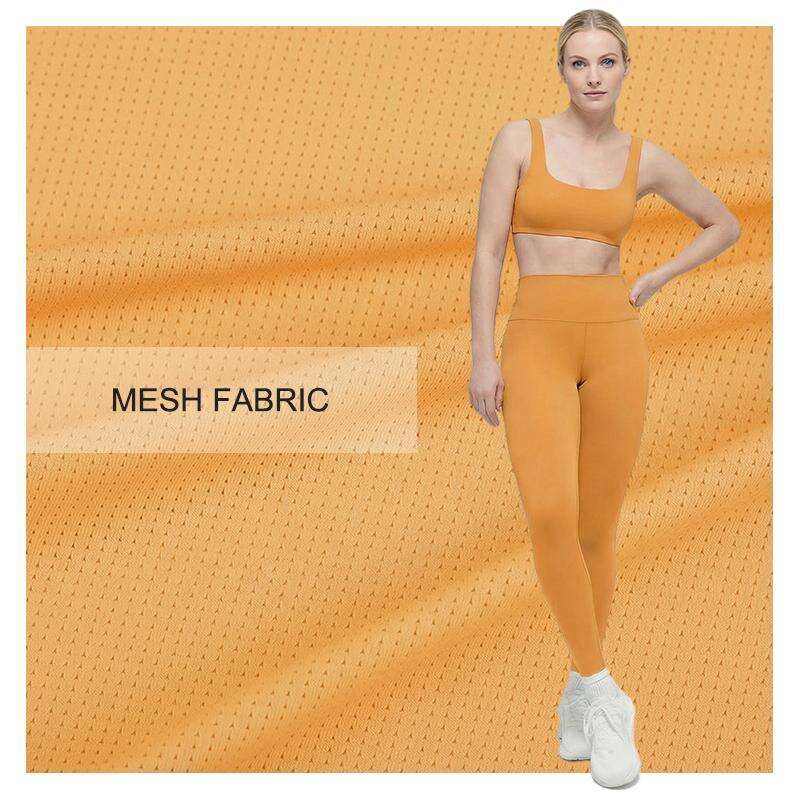
Premium Knit Mesh Fabric - Superior Breathability, Durability & Custom Solutions

Get a Free Quote

Our representative will contact you soon.
Email
Mobile/WhatsApp
Name
Company Name
Message
0/1000

knit mesh fabric

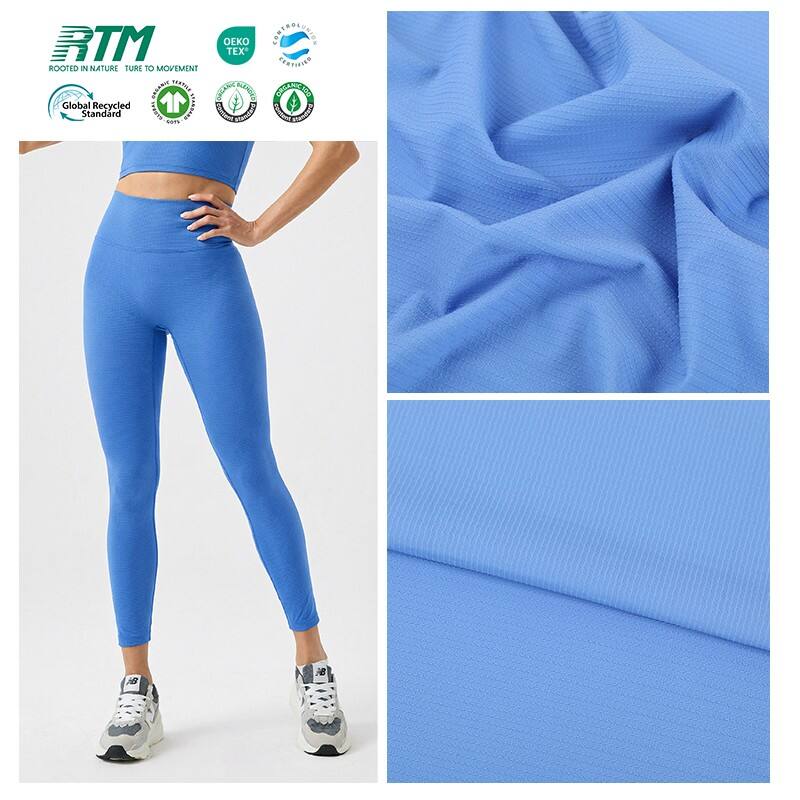
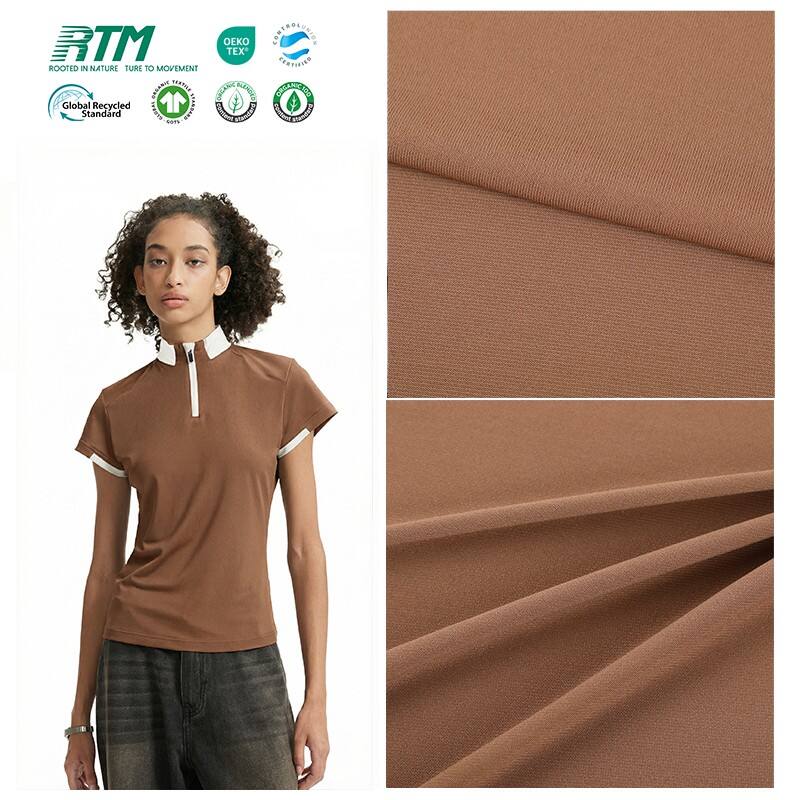
Knit mesh fabric represents a revolutionary textile innovation that combines the structural integrity of traditional knitting with the enhanced airflow properties of mesh construction. This specialized fabric is created through advanced knitting techniques that form interconnected loops with strategically placed openings, resulting in a lightweight yet durable material that excels in both performance and comfort applications. The manufacturing process involves precise control of yarn tension and stitch formation to create consistent mesh patterns that maintain structural stability while maximizing breathability. Knit mesh fabric utilizes various fiber types including polyester, nylon, cotton, and specialized synthetic blends, each contributing unique properties to the final product. The technological features of knit mesh fabric include superior moisture-wicking capabilities, exceptional stretch and recovery properties, and outstanding dimensional stability. These fabrics demonstrate remarkable tear resistance despite their open structure, making them suitable for demanding applications. The knitting process allows for customization of mesh density, opening size, and fabric weight according to specific requirements. Advanced manufacturing techniques enable the integration of antimicrobial treatments, UV protection, and other functional finishes directly into the fabric structure. Applications for knit mesh fabric span numerous industries including athletic apparel, medical textiles, automotive interiors, home furnishings, and industrial filtration systems. In sportswear, knit mesh fabric provides essential ventilation zones in garments while maintaining necessary coverage and support. Medical applications utilize the fabric's biocompatible properties and ease of sterilization for surgical drapes and wound care products. The automotive industry incorporates knit mesh fabric in seat covers and interior panels where breathability and durability are paramount. Industrial applications leverage the fabric's filtration capabilities and chemical resistance for air purification systems and protective equipment. The versatility of knit mesh fabric makes it an ideal choice for any application requiring the perfect balance of airflow, comfort, and structural integrity.

New Product Recommendations

Knit mesh fabric delivers exceptional breathability that surpasses traditional solid fabrics, allowing air to circulate freely through the material and preventing heat buildup during physical activity or extended wear. This superior ventilation reduces perspiration accumulation and creates a more comfortable microclimate against the skin, making it particularly valuable for athletic wear and workwear applications. The moisture-wicking properties of knit mesh fabric actively transport perspiration away from the body, keeping users dry and comfortable throughout their activities. Unlike conventional fabrics that trap moisture, knit mesh fabric facilitates rapid evaporation through its open structure, maintaining optimal comfort levels even during intense physical exertion. The lightweight nature of knit mesh fabric reduces garment weight significantly compared to traditional materials, providing freedom of movement without sacrificing coverage or protection. This weight reduction proves especially beneficial in athletic applications where every gram matters for performance optimization. Durability stands as another major advantage, with knit mesh fabric demonstrating exceptional resistance to stretching, tearing, and general wear despite its seemingly delicate appearance. The knitted construction distributes stress evenly across the fabric structure, preventing localized failure points that commonly occur in woven materials. Flexibility and stretch recovery ensure that knit mesh fabric maintains its shape and fit over time, adapting to body movements without permanent distortion. This elasticity eliminates the restriction often associated with rigid fabrics, allowing for natural movement patterns in athletic and casual applications. The quick-drying properties of knit mesh fabric reduce maintenance requirements and improve hygiene by minimizing the time moisture remains in contact with the material. Easy care characteristics make knit mesh fabric suitable for frequent washing and sanitization without degradation of performance properties. Cost-effectiveness emerges through the fabric's longevity and reduced maintenance needs, providing excellent value over the product lifecycle. Manufacturing versatility allows for customization of mesh density, color, and finishing treatments to meet specific application requirements. The fabric's compatibility with various printing and dyeing processes enables creative design possibilities while maintaining functional performance. Environmental benefits include reduced water usage during care and extended product lifespan, contributing to sustainable textile practices.

Tips And Tricks

Get a Free Quote

Our representative will contact you soon.
Email
Mobile/WhatsApp
Name
Company Name
Message
0/1000

knit mesh fabric

Superior Moisture Management and Breathability Performance

Superior Moisture Management and Breathability Performance

The exceptional moisture management capabilities of knit mesh fabric represent one of its most valuable features, delivering unparalleled comfort in demanding environments where traditional fabrics fall short. This advanced textile technology combines strategic mesh openings with moisture-wicking fiber properties to create a comprehensive hydration control system that actively works to keep users dry and comfortable. The open structure of knit mesh fabric allows unrestricted airflow across the skin surface, facilitating natural cooling through enhanced evaporation rates that can be up to three times faster than conventional solid fabrics. This rapid moisture transport prevents the accumulation of perspiration that leads to discomfort, skin irritation, and bacterial growth in traditional materials. The knitted construction creates capillary channels within the fabric structure that actively pull moisture away from the skin through advanced wicking mechanisms, distributing it across a larger surface area for accelerated evaporation. Professional athletes and fitness enthusiasts particularly benefit from this moisture management system, as it maintains optimal body temperature regulation during intense physical activity. The fabric's ability to maintain its breathability properties even when wet ensures consistent performance throughout extended wear periods. Industrial workers in hot environments experience significant comfort improvements when wearing knit mesh fabric garments, as the enhanced ventilation reduces heat stress and improves overall safety. Medical professionals appreciate the fabric's ability to prevent moisture buildup under protective equipment, reducing the risk of skin complications during long procedures. The moisture management properties of knit mesh fabric also contribute to improved hygiene by creating an environment less conducive to bacterial and fungal growth. Advanced fiber treatments can be integrated into the knit mesh fabric structure to further enhance antimicrobial properties while maintaining the natural moisture-wicking capabilities. This combination of breathability and moisture control makes knit mesh fabric the superior choice for any application where user comfort and performance are priorities.
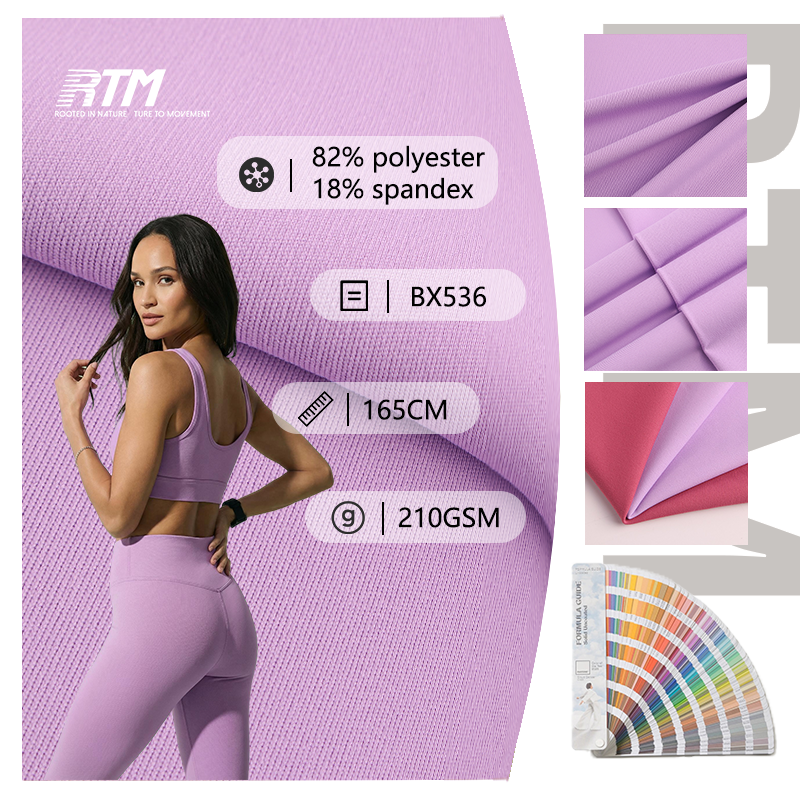
Exceptional Durability and Structural Integrity

Exceptional Durability and Structural Integrity

The remarkable durability of knit mesh fabric stems from its innovative construction methodology that creates a resilient textile structure capable of withstanding demanding conditions while maintaining its functional properties over extended periods. Unlike traditional woven fabrics that can suffer catastrophic failure when individual threads break, the interlocked loop structure of knit mesh fabric distributes stress forces throughout the entire fabric matrix, preventing localized damage from propagating into larger tears or holes. This inherent structural advantage makes knit mesh fabric particularly suitable for applications involving repeated stretching, bending, and abrasion exposure. The knitting process creates multiple interconnection points between fibers, forming a network that provides redundant support pathways even when individual loops are damaged. Professional testing demonstrates that quality knit mesh fabric can withstand thousands of stretch cycles without significant degradation in performance characteristics, making it ideal for athletic wear that must endure repetitive movement patterns. The fabric's resistance to snags and runs surpasses that of many traditional textiles, as the knitted structure allows localized damage to be contained without affecting surrounding areas. Industrial applications benefit from the fabric's ability to maintain structural integrity under challenging conditions including chemical exposure, temperature variations, and mechanical stress. The dimensional stability of knit mesh fabric ensures that products maintain their intended fit and appearance throughout their service life, reducing replacement costs and improving user satisfaction. Advanced manufacturing techniques allow for the integration of reinforcement fibers at stress points without compromising the fabric's flexibility or breathability characteristics. The tear strength of properly constructed knit mesh fabric often exceeds that of solid fabrics of comparable weight, demonstrating the efficiency of the knitted structure in distributing mechanical forces. Quality control processes ensure consistent performance across production batches, providing reliability for manufacturers and end users alike. The longevity of knit mesh fabric products contributes to sustainability goals by reducing replacement frequency and associated environmental impacts.
Versatile Manufacturing Customization and Application Flexibility

Versatile Manufacturing Customization and Application Flexibility

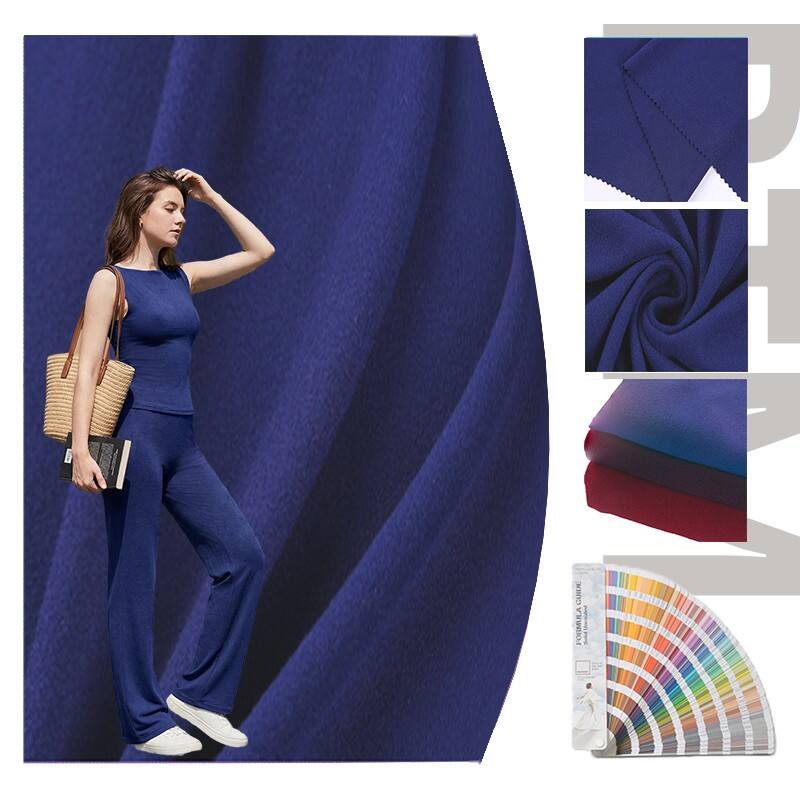
The manufacturing flexibility of knit mesh fabric enables unprecedented customization opportunities that allow designers and engineers to create textiles precisely tailored to specific application requirements, making it one of the most adaptable materials in modern textile production. Advanced knitting technologies permit precise control over mesh density, opening size, fabric weight, and structural characteristics, enabling the creation of specialized fabrics for diverse industries ranging from aerospace to medical devices. This customization capability extends to fiber selection, where manufacturers can incorporate various materials including high-performance synthetics, natural fibers, and specialty yarns to achieve desired properties such as flame resistance, electrical conductivity, or enhanced strength. The knitting process allows for the integration of multiple yarn types within a single fabric structure, creating zones with different characteristics while maintaining overall structural integrity. Color customization options include yarn dyeing, piece dyeing, and digital printing technologies that can create complex patterns and designs without compromising the fabric's functional properties. Specialized finishing treatments can be applied during manufacturing to impart additional features such as water repellency, antimicrobial protection, UV resistance, or enhanced soil release properties. The ability to vary mesh patterns within a single fabric enables the creation of garments with targeted ventilation zones, support areas, and aesthetic elements that optimize both function and appearance. Three-dimensional knitting capabilities allow for the production of seamless knit mesh fabric components that eliminate potential failure points while reducing manufacturing complexity. Industrial applications benefit from the ability to engineer specific filtration characteristics, porosity levels, and chemical resistance properties into the fabric structure during production. Medical device manufacturers utilize the customization flexibility to create biocompatible knit mesh fabric with precise mechanical properties required for implantable devices and surgical applications. The scalability of knitting processes enables both small-batch custom production and large-volume manufacturing while maintaining consistent quality standards. Research and development initiatives continue to expand the customization possibilities, with emerging technologies enabling the integration of smart fibers, sensors, and other advanced materials into knit mesh fabric structures for next-generation applications.

Get a Free Quote

Our representative will contact you soon.
Email
Mobile/WhatsApp
Name
Company Name
Message
0/1000