EN
EN



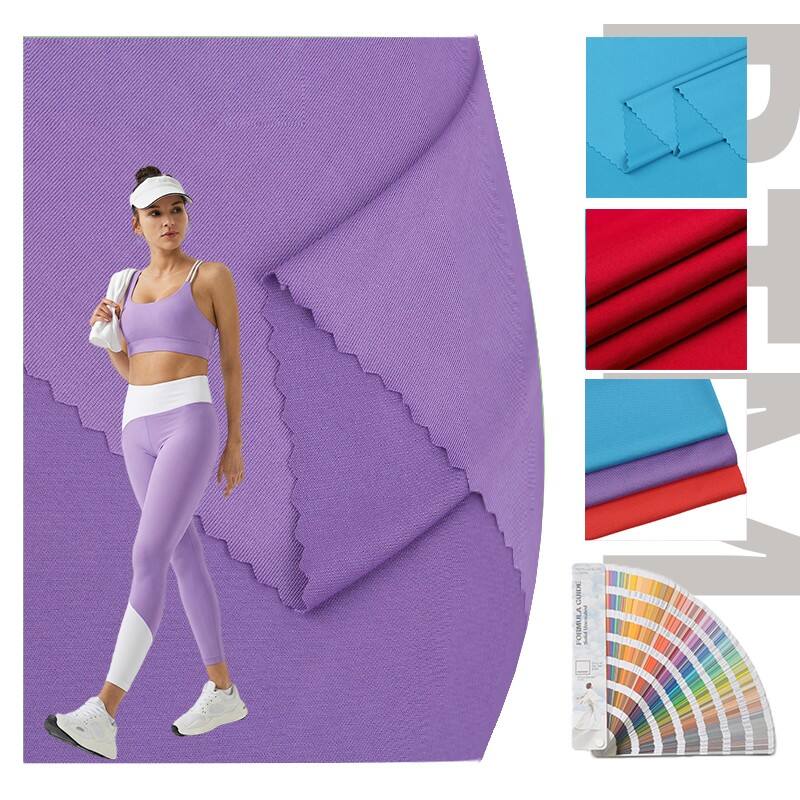

Superior Breathability and Temperature Regulation
The soft mesh fabric's most distinctive feature centers on its unparalleled breathability, achieved through precisely engineered open-weave construction that creates optimal air circulation pathways. This advanced textile structure allows continuous airflow to pass through the fabric, creating a natural cooling effect that significantly outperforms traditional solid materials. The strategic spacing between fabric threads forms micro-channels that facilitate rapid heat dissipation and moisture evaporation, maintaining a comfortable microclimate next to the skin. This temperature regulation capability becomes especially valuable during physical activities, hot weather conditions, or situations requiring extended wear periods. The soft mesh fabric's breathability extends beyond simple air permeability to include sophisticated moisture management properties that actively transport perspiration away from the body's surface. This moisture-wicking action prevents the accumulation of sweat and humidity that typically causes discomfort and skin irritation in conventional fabrics. Professional athletes and active individuals particularly benefit from this feature, as it helps maintain peak performance levels by preventing overheating and dehydration. The fabric's breathable nature also supports better hygiene by reducing bacterial growth and odor formation that thrive in moist, poorly ventilated environments. Medical professionals recognize the importance of breathable textiles in preventing skin conditions and promoting healing in therapeutic applications. The soft mesh fabric's ability to maintain air circulation while providing coverage makes it ideal for wound dressings, compression garments, and patient apparel where skin health is paramount. In industrial applications, workers exposed to challenging environmental conditions benefit from the fabric's temperature regulation properties, which help prevent heat stress and improve overall comfort during long shifts. The breathability advantage also translates to energy savings in climate-controlled environments, as individuals wearing soft mesh fabric garments often require less artificial cooling, contributing to reduced energy consumption and environmental impact.