
 EN
EN


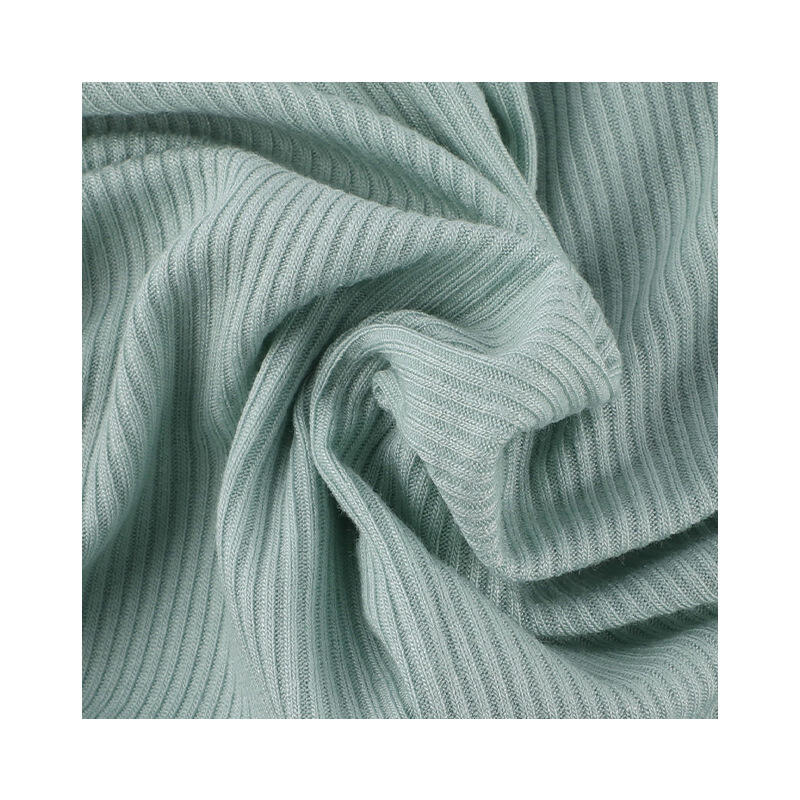
The rise of casual loungewear has brought waffle knit texture to the forefront of modern fashion conversations. Designers, brands, and everyday consumers are all gravitating toward this distinctive surface pattern, and the reasons go far beyond simple aesthetics. Waffle knit texture delivers a combination of visual character, tactile comfort, and functional performance that few other fabric constructions can match. As the boundary between homewear and streetwear continues to blur, waffle knit texture has become a defining feature of the relaxed, cozy wardrobe that consumers are actively building today.
Understanding the trend means looking at waffle knit texture from multiple angles: the way it looks, the way it feels, and the way it performs in real wear conditions. Loungewear buyers today are more informed and more intentional than ever before. They are not simply choosing a garment based on price or brand recognition. They want fabrics that justify their investment through comfort, durability, and style versatility. Waffle knit texture answers all of these demands simultaneously, which is precisely why it continues to gain momentum across casual and loungewear categories worldwide.
The Visual and Tactile Appeal of Waffle Knit Texture
A Surface Pattern That Commands Attention
The most immediately recognizable quality of waffle knit texture is its grid-like, three-dimensional surface. The raised squares and recessed channels that define waffle knit texture create a visual depth that flat fabrics simply cannot replicate. This structural appearance communicates quality and craftsmanship at first glance, making waffle knit texture exceptionally appealing in a market where visual presentation drives purchasing decisions. When consumers browse loungewear online or in-store, waffle knit texture stands out as something that looks premium even before it is touched.
Beyond its visual presence, waffle knit texture delivers a tactile experience that reinforces its high-perceived value. The raised honeycomb pattern creates pockets of air between the fabric and the skin, producing a soft, cushioned sensation that feels noticeably different from jersey or ribbed knits. This sensory quality is a key reason why waffle knit texture has resonated so strongly with consumers who prioritize comfort in their loungewear choices. The feel of waffle knit texture is both distinctive and immediately pleasurable, creating a strong emotional connection between the wearer and the garment.
Aesthetic Versatility Across Modern Style Directions
Waffle knit texture adapts naturally to a wide range of aesthetic directions. Whether a brand is positioning itself in the minimalist, earthy, or luxe-casual space, waffle knit texture integrates seamlessly without looking out of place. Neutral tones work especially well with waffle knit texture because the surface pattern itself provides visual interest, reducing the need for bold prints or embellishments. This versatility makes waffle knit texture a practical choice for designers looking to build cohesive capsule collections within the loungewear segment.
Functional Benefits That Drive the Waffle Knit Texture Trend
Breathability and Moisture Management
One of the most important functional advantages of waffle knit texture is its natural breathability. The grid structure of waffle knit texture creates channels that allow air to circulate across the body surface, preventing the buildup of heat during extended wear. This is particularly relevant in loungewear, where garments are worn for long periods in indoor environments. Waffle knit texture helps regulate body temperature more effectively than denser knit constructions, contributing to a consistently comfortable wearing experience throughout the day.
Moisture management is another area where waffle knit texture performs well. The textured surface increases the total surface area of the fabric, which supports faster evaporation of moisture. For consumers who wear loungewear during light activity, relaxation, or sleep, waffle knit texture offers a practical comfort advantage that goes beyond simple softness. Brands that incorporate waffle knit texture into their product lines can communicate these functional benefits clearly, adding tangible value to their marketing and product positioning.
Durability and Shape Retention in Daily Use
Waffle knit texture also performs well in terms of long-term durability. The interlocked construction that creates the characteristic grid of waffle knit texture distributes stress across the fabric more evenly than many simpler knit structures. This means garments made with waffle knit texture are less likely to develop thin spots, sagging, or distortion after repeated washing and wearing. For a loungewear consumer who wears the same pieces frequently, the lasting structural integrity of waffle knit texture is a strong reason to choose it over alternatives.
Waffle Knit Texture in Fabric Selection and Design Decisions
Choosing the Right Fiber Composition for Waffle Knit Texture
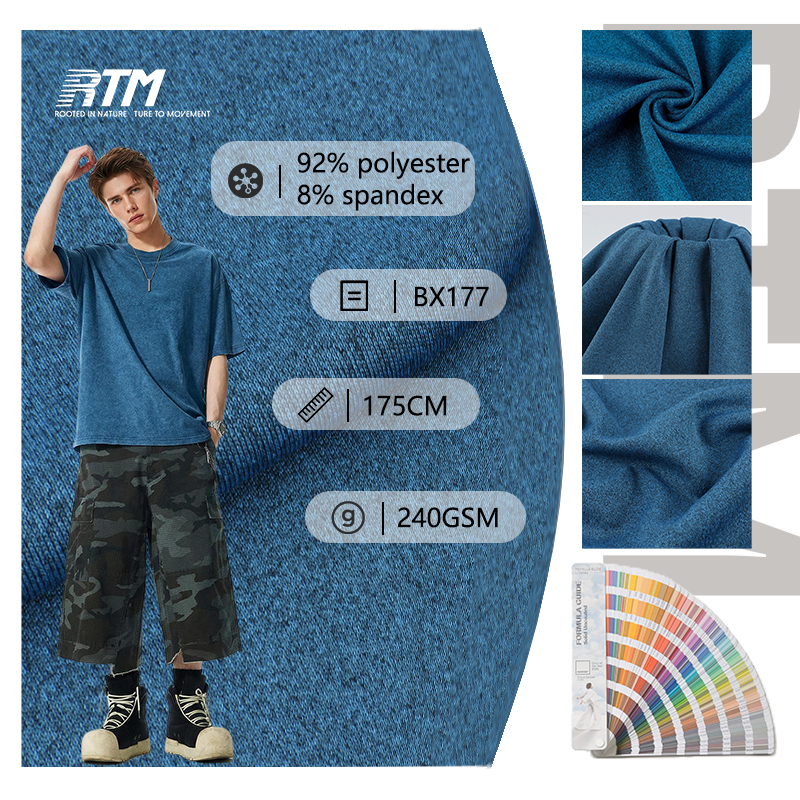
The performance and feel of waffle knit texture depend significantly on the fiber composition used in its construction. Cotton-based waffle knit texture offers natural softness and breathability that appeals to consumers with sensitive skin or strong preferences for natural fibers. Polyester-spandex blends can produce waffle knit texture with added stretch recovery, wrinkle resistance, and color retention, making them well suited for fashion-forward loungewear collections. When selecting waffle knit texture fabric for a specific product, designers need to evaluate how fiber choice will affect drape, hand feel, stretch, and care requirements.
Blended constructions that incorporate spandex into waffle knit texture are increasingly popular in modern loungewear because they combine the visual and tactile qualities of traditional waffle knit texture with the practical stretch performance that active consumers demand. A waffle knit texture with four-way stretch allows garments to move naturally with the body, making them appropriate for a wider range of activities beyond purely sedentary use. This expanded application range is one reason why waffle knit texture has grown beyond niche knitwear categories into mainstream casual and loungewear collections.
Weight and Drape Considerations for Seasonal Use
The weight of waffle knit texture plays an important role in its seasonal suitability and overall market positioning. Lighter waffle knit texture works well for spring and summer loungewear, offering coverage without warmth. Medium-weight waffle knit texture is versatile enough for transitional seasons and works particularly well in layered styling concepts. Heavier waffle knit texture provides genuine warmth and is appropriate for cooler months or colder indoor environments. Brands selecting waffle knit texture for their collections should align fabric weight carefully with the intended seasonal use case to ensure customer satisfaction and repeat purchasing behavior.
FAQ
What makes waffle knit texture different from regular knit fabrics?
Waffle knit texture is distinguished by its three-dimensional grid surface created by raised squares and recessed channels. Unlike flat jersey or smooth knit fabrics, waffle knit texture adds visual depth, tactile interest, and improved breathability due to the air pockets formed within its structure. These characteristics give waffle knit texture a noticeably different look and feel compared to conventional knit constructions.
Is waffle knit texture suitable for year-round loungewear production?
Yes, waffle knit texture can be adapted for year-round use by varying fabric weight and fiber composition. Lightweight waffle knit texture suits warmer months, while medium and heavyweight versions are well suited for cooler seasons. The breathable, moisture-managing properties of waffle knit texture also make it comfortable across a broad range of temperatures, supporting its use in all-season loungewear ranges.
How should brands communicate the value of waffle knit texture to buyers?
Brands should highlight the visual distinctiveness, comfort performance, and durability of waffle knit texture in product descriptions and marketing materials. Emphasizing the breathability, shape retention, and tactile quality of waffle knit texture helps buyers understand what differentiates it from standard knit options. Pairing waffle knit texture with strong lifestyle imagery also reinforces its premium casual positioning and supports higher perceived value at the point of sale.