
 EN
EN



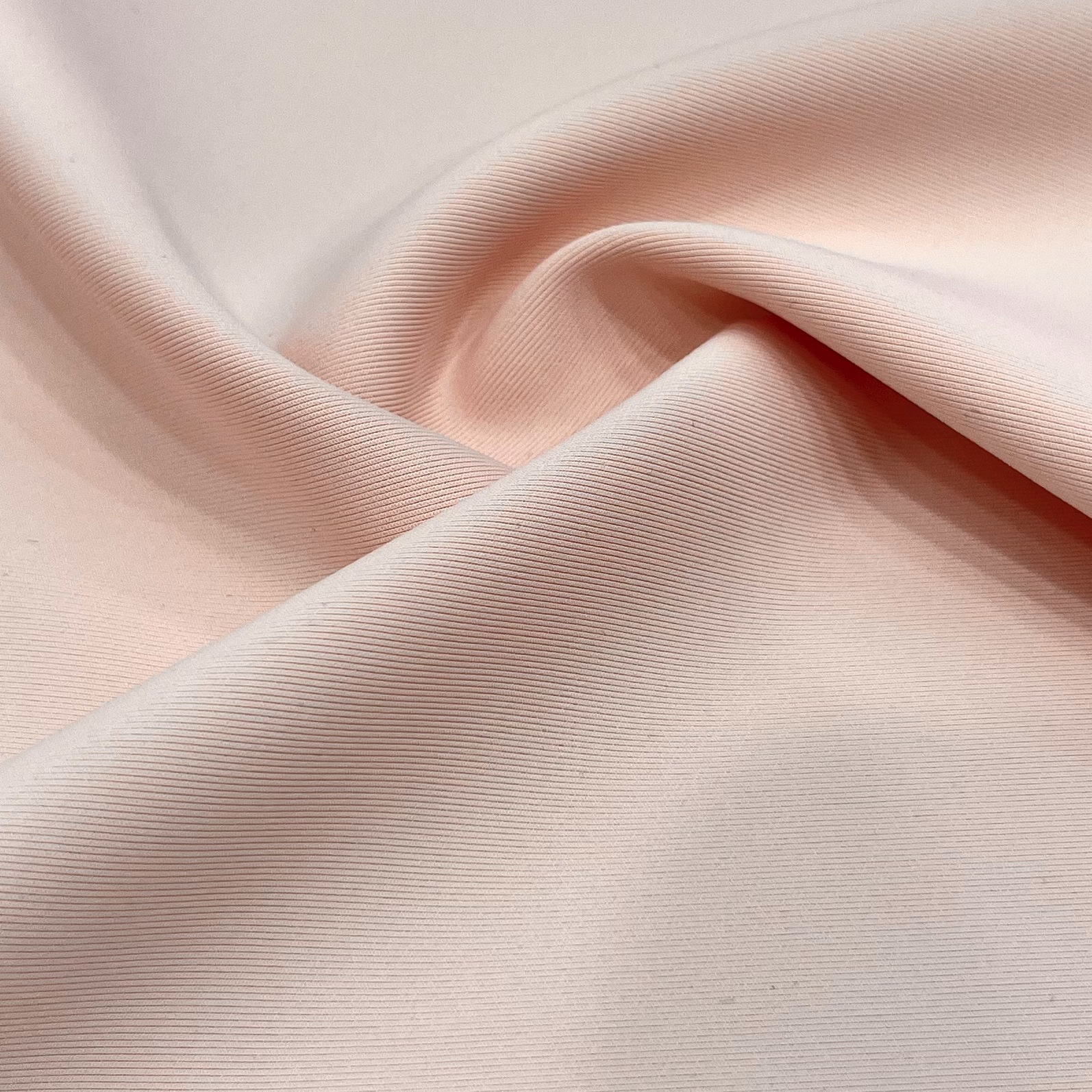
The fashion industry is shifting rapidly toward sustainable materials, and lyocell fabric has emerged as one of the most compelling options for designers who care about environmental impact. With its unique combination of softness, breathability, and a genuinely responsible production process, lyocell fabric is no longer a niche choice. It has become a trusted material in contemporary apparel design, particularly among those who want their collections to reflect both quality and ecological responsibility.
Understanding why lyocell fabric resonates so strongly with eco-conscious designers requires looking at multiple angles — from how it is made to how it performs on the body and throughout the garment lifecycle. This article explores the core reasons why lyocell fabric continues to earn preference among forward-thinking designers and sustainable fashion brands. Whether you are sourcing for a spring collection or evaluating long-term material strategies, lyocell fabric deserves serious consideration.
The Sustainable Production Story Behind Lyocell Fabric
Closed-Loop Manufacturing That Reduces Waste
One of the most significant reasons eco-conscious designers trust lyocell fabric is its production method. Lyocell fabric is derived from wood pulp, typically sourced from sustainably managed forests such as eucalyptus. The manufacturing process uses a closed-loop solvent system, meaning the chemical solvent used to dissolve the pulp is recovered and reused at a rate of over 99 percent. This dramatically reduces chemical waste and water usage compared to conventional textile production. For designers who prioritize transparency and responsibility in their supply chain, lyocell fabric offers a production story that is genuinely credible.
Biodegradability and End-of-Life Responsibility
Lyocell fabric is biodegradable under the right conditions, which addresses one of the most pressing concerns in sustainable fashion — what happens to a garment after it is discarded. Unlike synthetic fibers that persist in landfills for decades, lyocell fabric can break down naturally, reducing long-term environmental burden. This property makes lyocell fabric especially attractive to brands building circular fashion models. When a designer chooses lyocell fabric, they are selecting a material that supports responsibility not just at the point of production, but throughout the entire garment lifespan. The alignment between material choice and brand values becomes far more authentic with lyocell fabric in the mix.
Performance and Sensory Qualities That Designers Value
Exceptional Softness and Drape for Modern Apparel
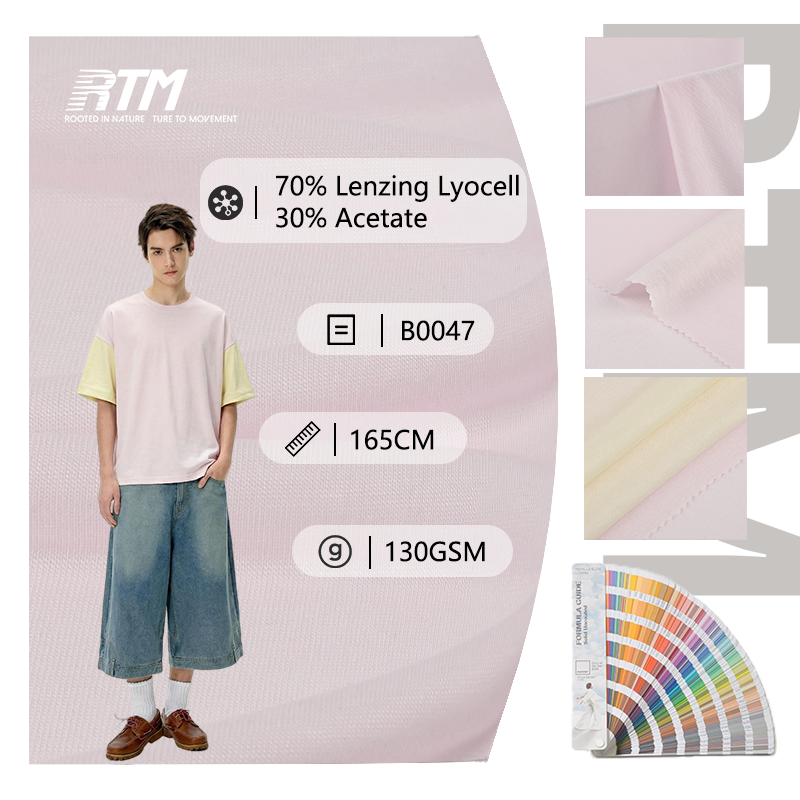
Lyocell fabric is widely recognized for its exceptional softness, which rivals that of silk and modal. The fine fiber structure of lyocell fabric creates a smooth surface that feels comfortable directly against skin, making it ideal for T-shirts, blouses, dresses, and garments worn close to the body. Designers working on spring and summer collections particularly value the way lyocell fabric drapes naturally without adding stiffness or bulk. A quality lyocell fabric, such as a knitted blend combining lyocell with acetate, delivers a fluid silhouette that enhances the overall aesthetic of lightweight apparel. The sensory quality of lyocell fabric is not a compromise — it genuinely competes with premium conventional textiles.
Moisture Management and Breathability
Beyond softness, lyocell fabric offers strong moisture-wicking and breathability properties. The fiber structure of lyocell fabric absorbs moisture efficiently and releases it quickly, keeping the wearer comfortable in warm conditions. This makes lyocell fabric a practical choice for activewear, travel clothing, and everyday wear in humid or warm climates. Designers who work on performance-oriented sustainable collections find that lyocell fabric bridges the gap between ecological responsibility and functional performance. The ability of lyocell fabric to manage body temperature and moisture without relying on synthetic coatings or treatments adds to its appeal as a clean, reliable textile. Sourcing a lyocell fabric with shrink-resistant properties further ensures durability alongside these performance benefits.
Design Versatility and Commercial Viability of Lyocell Fabric
Compatibility With Blends and Finishing Techniques
Lyocell fabric is highly compatible with a range of fiber blends and textile finishing processes. Designers often combine lyocell fabric with fibers such as acetate, cotton, or elastane to enhance specific properties like stretch, sheen, or structure. A knitted lyocell fabric blend with acetate, for example, offers a lustrous appearance and excellent recovery, making it suitable for fitted spring and summer T-shirts. This versatility means lyocell fabric can be adapted across a broad spectrum of garment categories without compromising its core sustainable identity. The ability to engineer lyocell fabric blends to meet precise design specifications is a significant commercial advantage for apparel brands.
Consumer Demand and Market Positioning
Consumer awareness of sustainable materials has grown considerably, and lyocell fabric benefits directly from this shift. Shoppers increasingly read labels, ask about fiber origins, and expect transparency from the brands they support. When a designer incorporates lyocell fabric into a collection, it provides a tangible, communicable sustainability credential. Lyocell fabric carries recognized certifications and is associated with responsible sourcing, which supports premium pricing and brand differentiation. For designers building an eco-conscious identity, using lyocell fabric is both an ethical decision and a smart commercial strategy. The market position of lyocell fabric continues to strengthen as sustainability becomes a core purchasing driver rather than a secondary consideration.
FAQ
Is lyocell fabric suitable for sensitive skin?
Yes, lyocell fabric is generally considered suitable for sensitive skin. Its smooth fiber surface reduces friction and irritation, and it is free from many of the chemical residues associated with conventionally processed textiles. The moisture-wicking properties of lyocell fabric also help prevent the build-up of sweat, which can aggravate skin sensitivity. Many dermatologists and textile experts recommend lyocell fabric for people with eczema or other skin sensitivities.
How does lyocell fabric compare to cotton in terms of sustainability?
Lyocell fabric generally has a lower environmental footprint than conventional cotton. Cotton cultivation requires significant water and pesticide use, while lyocell fabric is produced through a closed-loop process with minimal chemical waste. The wood pulp used in lyocell fabric production comes from faster-growing trees that require less land and water. Overall, lyocell fabric is considered a more sustainable alternative to conventional cotton, particularly when sourced from certified responsible forest management programs.
Can lyocell fabric be used for year-round collections?
Lyocell fabric is most commonly featured in spring and summer collections due to its breathability and lightweight feel. However, lyocell fabric blended with heavier fibers can also work well in transitional or light autumn garments. Its temperature-regulating qualities make lyocell fabric adaptable across seasons when engineered appropriately. Designers exploring year-round sustainable collections will find that lyocell fabric serves as a flexible base material with strong seasonal versatility.