
 EN
EN


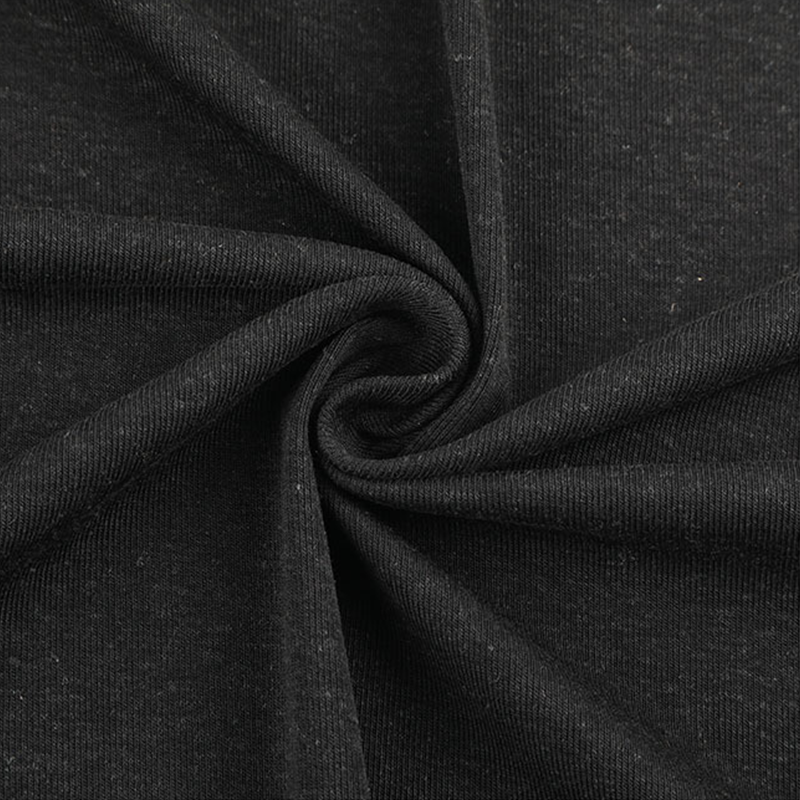
Choosing the right organic cotton fabric for baby and children's clothing is one of the most important decisions a parent, designer, or children's wear brand can make. Organic cotton fabric is grown without synthetic pesticides or harmful chemicals, making it significantly safer for sensitive infant and toddler skin. With so many options available today, understanding exactly what to look for in organic cotton fabric ensures that the garments you create or purchase truly deliver on their promise of safety, comfort, and durability.
The market for organic cotton fabric has grown considerably as consumers and brands become more conscious of textile safety and environmental impact. Not every product labeled 'natural' or 'eco-friendly' qualifies as certified organic cotton fabric, however. This guide walks you through the specific criteria, certifications, weight considerations, and structural qualities that define truly suitable organic cotton fabric for baby and children's garments. By the end, you will have a clear framework for making informed sourcing decisions.
Understanding Certifications for Organic Cotton Fabric
Why Certification Matters for Children's Wear
When selecting organic cotton fabric for baby items and children's clothing, certification is your first and most essential checkpoint. A genuine certification confirms that the organic cotton fabric has been produced according to rigorous agricultural and processing standards. The most widely recognized standard is the Global Organic Textile Standard, commonly known as GOTS. GOTS-certified organic cotton fabric must meet strict environmental and social criteria throughout the entire supply chain, from raw fiber to finished fabric. Without this kind of verified certification, claims about organic cotton fabric remain unverifiable and potentially misleading.
Another important standard is the OEKO-TEX STANDARD 100, which tests organic cotton fabric for harmful substances including residual chemicals, dyes, and heavy metals. While OEKO-TEX certification is not exclusively for organic cotton fabric, it provides an additional layer of assurance for baby and children's products. When sourcing organic cotton fabric, always request the relevant certification documents from your supplier and verify their authenticity through the issuing body's official database. This step protects both your brand and the end consumer.
Reading Certification Labels on Organic Cotton Fabric
Certification labels on organic cotton fabric indicate which stage of processing has been verified. A 'Grade A' or 'certified organic' label on organic cotton fabric at the fiber stage does not automatically mean the finished fabric was processed without chemical finishes. Always confirm that the organic cotton fabric certification covers both the raw material and the fabric processing stage. This distinction is particularly critical for baby clothing, where direct skin contact makes chemical exposure a genuine health concern. Reputable suppliers of organic cotton fabric will provide full chain-of-custody documentation without hesitation.
Fabric Weight and Weave Structure for Children's Garments
Selecting the Right Weight of Organic Cotton Fabric
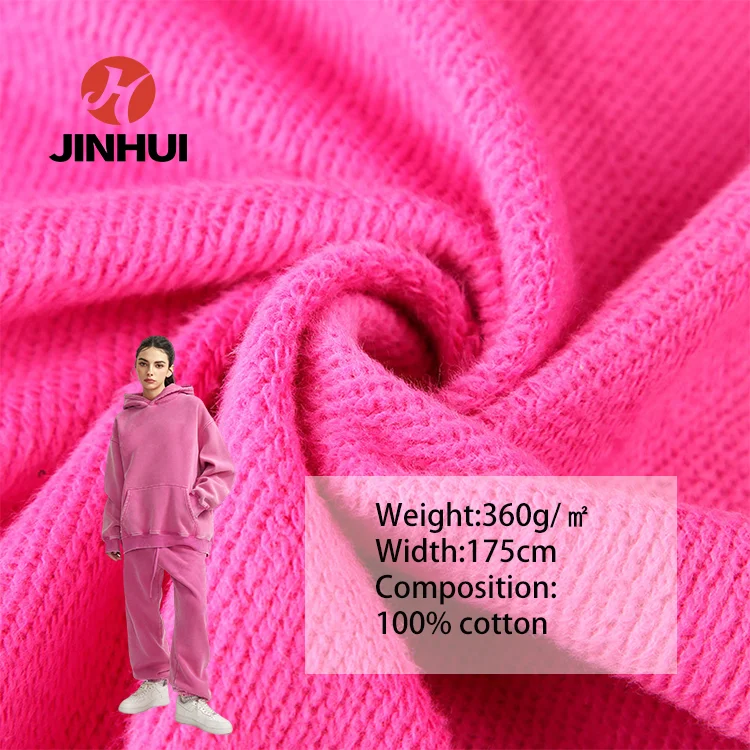
Fabric weight plays a decisive role in how organic cotton fabric performs in children's garments. Lightweight organic cotton fabric in the range of 100 to 150 GSM is typically suited for summer bodysuits, inner layers, and sleepwear where breathability is the priority. Medium-weight organic cotton fabric between 180 and 220 GSM works well for everyday T-shirts, dresses, and casual tops that need to hold their shape through repeated washing. For outerwear, hoodies, and heavier casual wear designed for boys and girls, a heavier organic cotton fabric above 280 GSM delivers the warmth, structure, and durability that active children require. A organic cotton fabric specifically engineered for heavy-weight applications offers shrink resistance and a premium hand feel, making it particularly well-suited to children's hoodies and sweatshirts.
When reviewing fabric weight specifications, always request a physical swatch of the organic cotton fabric before committing to a bulk order. Swatches allow you to evaluate the hand feel, drape, and thickness of the organic cotton fabric firsthand. This tactile assessment is especially valuable when the organic cotton fabric will be used for garments worn directly against a baby's or young child's skin. Weight specifications printed on a data sheet alone do not capture the full sensory profile of organic cotton fabric.
Weave and Knit Structures in Organic Cotton Fabric
The structural construction of organic cotton fabric directly affects its stretch, recovery, and comfort. Woven organic cotton fabric, such as poplin or twill, provides a stable structure suitable for shirts, trousers, and structured garments. Knit organic cotton fabric, including jersey and interlock, offers natural stretch and recovery, which makes it ideal for baby bodysuits, leggings, and fitted children's garments. Interlock-knit organic cotton fabric is particularly valued for its smooth surface and double-layer construction, which adds softness and opacity without requiring additional weight. Understanding the construction type helps you match the organic cotton fabric to the specific garment design requirements.
Shrink Resistance and Long-Term Performance of Organic Cotton Fabric
Why Shrink Resistance Matters in Organic Cotton Fabric for Kids
One of the most practical concerns when working with organic cotton fabric for children's clothing is dimensional stability after washing. Standard organic cotton fabric can shrink significantly during the first several washes, which creates sizing inconsistencies and frustrates end consumers. For children's garments, where accurate sizing is critical for safety and comfort, selecting a pre-shrunk or shrink-resistant organic cotton fabric is a worthwhile investment. Pre-shrinking is typically achieved through a controlled mechanical compaction process applied to the organic cotton fabric during finishing, without introducing harmful chemicals. Always ask your supplier whether the organic cotton fabric has undergone any pre-shrink treatment and what the expected residual shrinkage percentage is.
Evaluating Colorfastness and Dye Safety in Organic Cotton Fabric
For children's clothing, the dyes used in organic cotton fabric must meet high safety standards. Reactive dyes that are free from azo compounds and heavy metals are considered the safest option for coloring organic cotton fabric intended for babies and young children. Colorfastness to washing and rubbing is another key performance metric. Organic cotton fabric used in children's garments should maintain its color through a minimum of 30 wash cycles without significant fading or color transfer. Request wash-fastness test reports from your supplier when evaluating any organic cotton fabric for children's wear applications. This documentation supports your quality assurance process and protects your brand reputation.
FAQ
What certifications should I look for when buying organic cotton fabric for baby clothing?
The most important certifications to look for in organic cotton fabric for baby clothing are GOTS and OEKO-TEX STANDARD 100. GOTS-certified organic cotton fabric confirms that both the farming and processing stages meet strict organic and safety criteria. OEKO-TEX certification additionally verifies that the organic cotton fabric has been tested for harmful substances. Always verify certification documents directly through the issuing body's database before finalizing any sourcing decision.
What GSM weight of organic cotton fabric is best for children's hoodies?
For children's hoodies and sweatshirts, a heavy-weight organic cotton fabric above 280 GSM is generally recommended. This weight of organic cotton fabric provides the warmth, structure, and durability that children's outerwear requires. It also tends to be more shrink-resistant and holds its shape better after repeated washing compared to lighter organic cotton fabric grades.
How do I test organic cotton fabric quality before placing a bulk order?
Before placing a bulk order of organic cotton fabric, always request physical swatches and ask for third-party test reports covering shrinkage, colorfastness, and chemical safety. Wash the organic cotton fabric swatch at least three times to observe real-world shrinkage and color retention. Confirm that the organic cotton fabric supplier can provide certification documentation, wash-fastness results, and GSM specifications in writing to support your quality assurance process.