
 EN


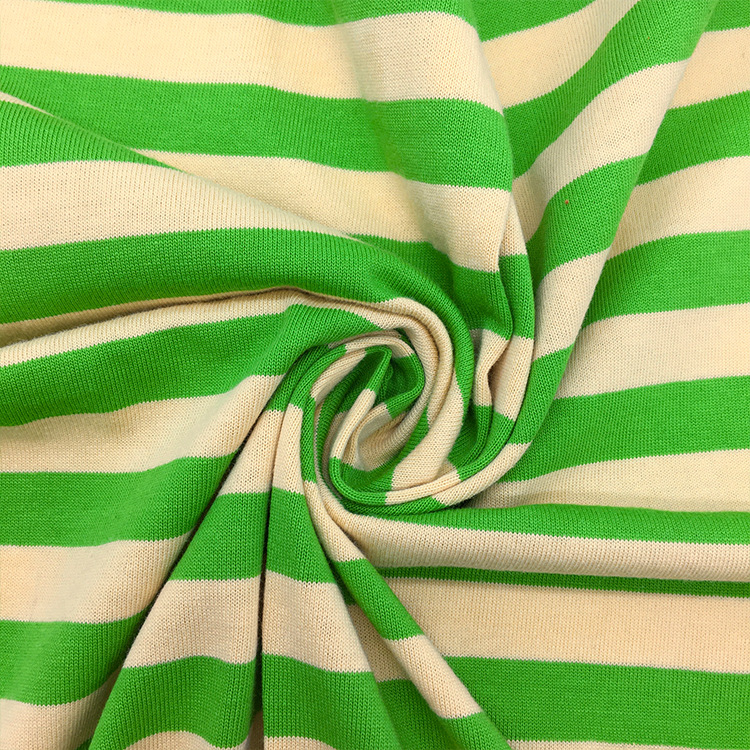
When it comes to everyday clothing comfort, knitted fabric stands out as the preferred choice for millions of people worldwide. The question of why knitted fabric delivers exceptional comfort goes beyond simple feel—it involves a combination of structural properties, material science, and practical performance that distinguishes it from woven alternatives. Understanding these factors helps consumers make informed decisions about their wardrobe investments and enables manufacturers to meet the genuine comfort expectations of modern wearers.

The comfort revolution in textile manufacturing has fundamentally transformed how people approach everyday clothing selection. Knitted fabric has emerged as a technical solution that addresses multiple comfort requirements simultaneously, from moisture management to stretch recovery. This comprehensive advantage explains why knitted fabric remains the dominant choice across t-shirts, casual wear, underwear, and base layers in professional and leisure contexts.
Structural Design and Elastic Properties
How Knitted Fabric Achieves Superior Stretch
Knitted fabric derives its exceptional comfort from its fundamental construction method, which involves interlocking loops of yarn rather than perpendicular warp and weft threads. This loop-based architecture creates inherent elasticity that allows knitted fabric to move with the body naturally. When a wearer stretches or bends, knitted fabric stretches with them, then returns to its original shape without excessive stress on the garment or the wearer's skin. This dynamic response is central to why knitted fabric feels more comfortable during physical activity and throughout daily movement.
The stretch recovery property of knitted fabric makes it ideal for clothing that must accommodate varied body positions. Unlike woven fabrics that can feel restrictive or create binding sensation at seams and edges, knitted fabric adapts fluidly to arm movements, sitting positions, and everyday gestures. High-quality knitted fabric engineered with appropriate fiber blends maintains this elasticity through hundreds of wash cycles, ensuring long-term comfort performance that justifies the investment in premium clothing pieces.
Fiber Composition Optimization
The comfort characteristics of knitted fabric are significantly enhanced through strategic fiber selection and blending. Pure cotton knitted fabric offers natural breathability and skin-friendly properties, while adding small percentages of spandex to knitted fabric creates recovery and shape retention capabilities. This combination—such as 89% cotton with 11% spandex in quality knitted fabric—represents the optimal balance between breathability and elasticity for everyday wear applications. Manufacturers have perfected these ratios through extensive testing to ensure knitted fabric delivers consistent comfort without sacrificing durability.
Different performance requirements call for different knitted fabric compositions. Lightweight knitted fabric with higher breathability suits warm climates and active wear scenarios, while heavier knitted fabric with increased insulation works better for cooler seasons and layering situations. The versatility of knitted fabric formulations means consumers can select specific blends matched to their climate, activity level, and comfort preferences, making knitted fabric adaptable across diverse lifestyle needs.
Thermal Regulation and Moisture Management
Breathability Mechanisms in Knitted Fabric
One of the most significant reasons knitted fabric delivers superior everyday comfort is its exceptional breathability. The looped structure of knitted fabric creates micro air channels throughout the material, allowing heat and moisture vapor to move away from the skin efficiently. This thermal regulation property means that knitted fabric maintains a comfortable microclimate against the skin regardless of ambient temperature fluctuations. When compared to tightly woven alternatives, knitted fabric provides noticeably better air circulation, reducing the clammy feeling that can develop during moderate activity or warm weather exposure.
Quality knitted fabric engineered with natural fibers amplifies these breathability benefits. Cotton-based knitted fabric in particular demonstrates superior moisture-wicking capacity, pulling perspiration away from the skin surface and distributing it across the fabric where it can evaporate more readily. This moisture management property of knitted fabric prevents the uncomfortable sensation of sweat accumulation and contributes significantly to all-day wearing comfort. Consumers who switch to premium knitted fabric often report noticeably improved comfort during extended wear periods.
Temperature Adaptation Across Seasons
Knitted fabric demonstrates remarkable versatility across temperature ranges, making it suitable for layering and transitional season wear. Lightweight knitted fabric provides sufficient insulation for spring and fall without creating excessive warmth, while medium-weight and heavy-weight knitted fabric options support comfortable winter wear. The breathable nature of knitted fabric means it regulates temperature intelligently—trapping necessary body heat when needed while allowing excess heat to dissipate during active periods. This adaptive property is why knitted fabric appears across virtually every clothing category from base layers to mid-layer garments and even lightweight outwear applications.
The ability of knitted fabric to function effectively across seasons reduces the need for multiple specialized garments. A versatile knitted fabric piece can transition from spring layering to summer casual wear to fall transitional dressing, providing consistent comfort across these varied contexts. This practical comfort characteristic makes knitted fabric an economically and functionally smart choice for everyday wardrobes.
Skin-Friendly Properties and Long-Term Wearability
Softness and Tactile Comfort
The tactile experience of wearing knitted fabric contributes directly to everyday comfort satisfaction. Premium knitted fabric produced with high-quality cotton or cotton-blend fibers feels noticeably soft against skin, creating a pleasant wearing sensation from the moment a garment is put on. The surface finish of well-manufactured knitted fabric is smooth without the rough texture sometimes present in lower-quality woven garments. This softness characteristic of knitted fabric makes extended wear sessions—such as all-day office wear or casual weekend clothing—genuinely more comfortable for sensitive skin types.
Quality knitted fabric maintains its softness through proper care and multiple washing cycles, which distinguishes premium products from budget alternatives that lose their tactile appeal quickly. The fiber structure of knitted fabric resists pilling and surface degradation better than loosely constructed textiles, meaning the comfort experience remains consistent over months and years of regular wear. This durability of knitted fabric comfort justifies the investment in better-quality pieces that deliver consistent satisfaction.
Reduced Skin Irritation and Chafing
The structural properties of knitted fabric significantly reduce the skin irritation and chafing problems associated with some fabric types. The smooth loop surface of quality knitted fabric creates minimal friction against skin, making it particularly suitable for people with sensitive skin conditions or those prone to irritation. Unlike rough woven fabrics with raised fibers or loose weave structures that can catch and pull skin, knitted fabric provides a gentle wearing surface that accommodates sensitive areas like shoulders, underarms, and waistbands.
Eco-friendly knitted fabric options made from sustainably sourced cotton or organic fibers further enhance skin compatibility by eliminating harsh chemical residues. The natural properties of knitted fabric combined with responsible production methods create garments that feel genuinely good against skin throughout full days of wearing. This skin-friendly characteristic explains why dermatologists and comfort-focused consumers specifically seek out knitted fabric clothing for everyday wear applications.
Practical Performance and Real-World Comfort Benefits
Movement Freedom and Active Comfort
Beyond static comfort, knitted fabric excels at accommodating dynamic body movements throughout daily activities. Whether bending, reaching, sitting, or engaging in casual exercise, knitted fabric stretches and recovers without creating uncomfortable binding or restriction sensations. The elasticity built into knitted fabric architecture means wearers experience true freedom of movement rather than the compromised mobility that sometimes accompanies tighter or stiffer fabric alternatives. This movement-friendly characteristic makes knitted fabric ideal for work environments requiring physical activity and for active casual lifestyles.
Professional and athletic contexts have extensively validated the movement advantages of knitted fabric through decades of real-world use. Knitted fabric garments maintain comfort during extended sitting, frequent positional changes, and active engagement without creating the fatigue or discomfort associated with restrictive materials. This performance consistency explains why knitted fabric dominates professional casual wear, athletic base layers, and everyday casual clothing categories.
Durability Contributing to Consistent Comfort
The long-term comfort value of knitted fabric depends fundamentally on its durability and shape retention through regular use and washing. Premium knitted fabric formulations maintain structural integrity through hundreds of wash cycles, ensuring the elasticity and softness that define comfort remain consistent over extended ownership periods. This durability of knitted fabric means initial comfort satisfaction doesn't degrade into loose, shapeless garments that feel uncomfortable or unflattering after a few months.
Proper manufacturing of knitted fabric produces tight, consistent loop structures that resist unraveling and premature wear. High-quality knitted fabric engineered with appropriate fiber blends and construction techniques outperforms budget alternatives dramatically in long-term comfort maintenance. Consumers investing in quality knitted fabric clothing gain not only immediate comfort benefits but sustained satisfaction across years of regular wear, making the investment economically and functionally worthwhile.
FAQ
Why is knitted fabric more comfortable than woven fabric for everyday clothing?
Knitted fabric surpasses woven fabric in everyday comfort primarily due to its loop-based structure that creates inherent elasticity and better breathability. Knitted fabric stretches naturally with body movements, preventing the restriction and binding that woven fabrics can cause. Additionally, knitted fabric offers superior moisture-wicking, maintains better thermal regulation, and typically feels softer against skin. These combined properties make knitted fabric the comfort-optimized choice for daily wear applications.
How does knitted fabric maintain comfort through multiple wash cycles?
Quality knitted fabric manufactured with proper fiber composition and construction techniques maintains its comfort properties through hundreds of wash cycles. Premium knitted fabric with appropriate spandex content retains elasticity without degrading, while high-quality cotton fibers in knitted fabric resist pilling and surface damage. Following proper care instructions—gentle washing, appropriate drying methods, and minimal heat exposure—ensures knitted fabric remains soft, stretchy, and comfortable for extended ownership periods. The durability of knitted fabric directly correlates with the initial manufacturing quality and fiber selection.
What fiber composition makes knitted fabric ideal for sensitive skin?
Knitted fabric composed primarily of natural cotton offers excellent properties for sensitive skin due to cotton's hypoallergenic characteristics and breathability. Eco-friendly or organic knitted fabric options eliminate harsh chemical residues that can irritate skin. Adding small percentages of spandex to knitted fabric—such as 89% cotton with 11% spandex—creates optimal comfort for sensitive skin by combining cotton's gentleness with elasticity benefits. Knitted fabric featuring these compositions minimizes skin irritation, chafing, and discomfort while maintaining exceptional durability and wearability.