
 EN
EN



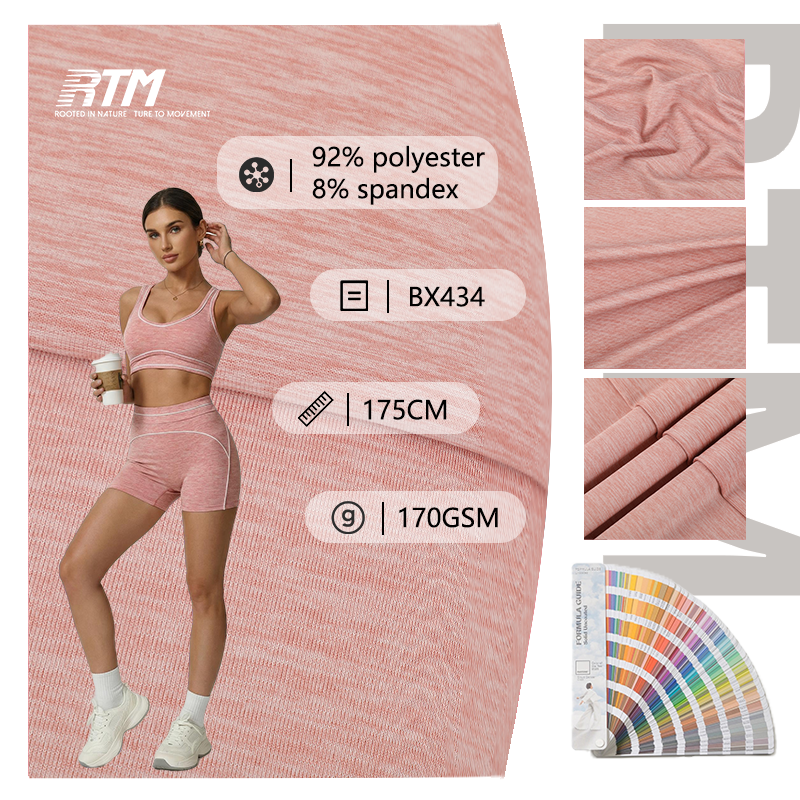
The modern fitness industry has witnessed an unprecedented surge in yoga practice, driving demand for specialized apparel that meets the unique requirements of this ancient discipline. High-quality yoga fabrics represent the cornerstone of effective athletic wear, requiring a delicate equilibrium between supportive compression and luxurious soft touch. This balance directly impacts performance, comfort, and the overall yoga experience, making fabric selection a critical consideration for both manufacturers and practitioners seeking optimal functionality in their activewear investments.
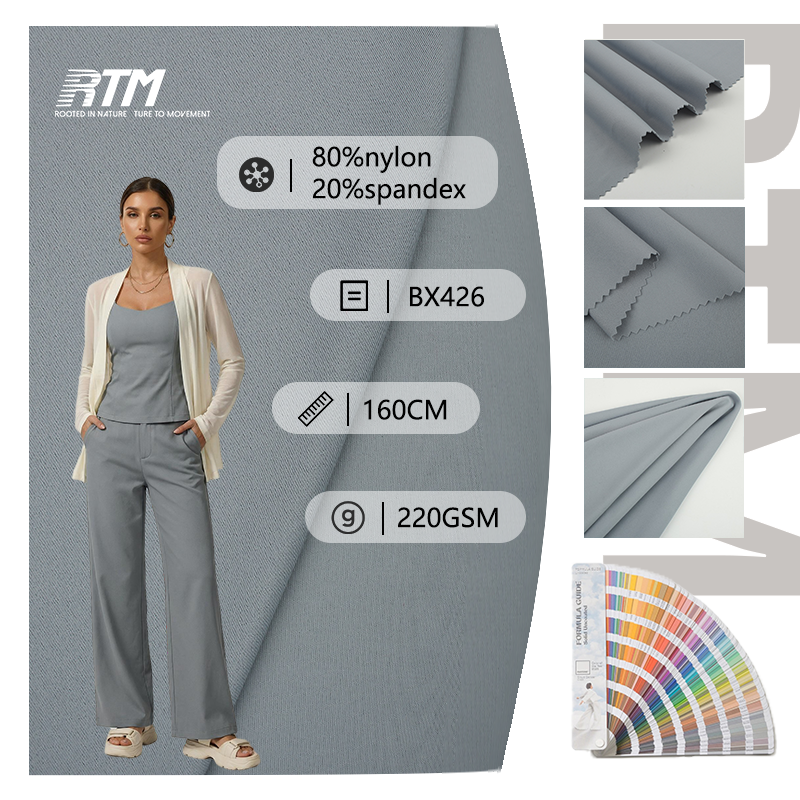
The Science Behind Compression in Yoga Fabrics
Muscular Support and Stability Enhancement
Compression technology in yoga fabrics serves multiple physiological functions that directly enhance performance and reduce injury risk. The strategic application of pressure through fabric construction supports muscle groups during dynamic movements, reducing excessive vibration and providing proprioceptive feedback that improves body awareness. This enhanced stability becomes particularly crucial during challenging poses that require sustained muscle engagement and precise alignment control throughout extended practice sessions.
Advanced yoga fabrics incorporate graduated compression zones that target specific muscle groups based on biomechanical analysis of common yoga movements. These targeted pressure points help maintain proper form while reducing muscle fatigue, allowing practitioners to hold poses longer and transition more smoothly between positions. The compression also promotes better circulation, facilitating oxygen delivery to working muscles and supporting faster recovery between intensive practice sessions.
Blood Circulation and Recovery Benefits
The compression element in premium yoga fabrics stimulates venous return, promoting efficient blood flow throughout the body during practice. This enhanced circulation delivers essential nutrients and oxygen to muscle tissues while facilitating the removal of metabolic waste products that can cause stiffness and soreness. The result is improved endurance during lengthy sessions and accelerated recovery following intense practice, enabling more consistent training schedules and progressive skill development.
Research demonstrates that properly designed compression garments can reduce exercise-induced muscle damage and inflammatory markers, leading to decreased delayed-onset muscle soreness. For yoga practitioners who engage in daily or multiple sessions per day, these recovery benefits become essential for maintaining performance quality and preventing overuse injuries that could interrupt their practice routine.
The Importance of Soft Touch in Athletic Performance
Skin Comfort and Temperature Regulation
The soft touch characteristic of quality yoga fabrics ensures optimal skin comfort during extended practice sessions where friction and irritation could become significant distractions. Advanced fiber technologies create smooth surfaces that glide effortlessly against skin, preventing chafing and hot spots that commonly develop during repetitive movements or sustained poses. This comfort factor becomes increasingly important as practice intensity and duration increase, where minor irritations can escalate into major discomfort issues.
Temperature regulation capabilities integrated into soft-touch yoga fabrics help maintain optimal body temperature throughout varying practice intensities. The fabric surface facilitates efficient moisture transport while providing thermal comfort that adapts to changing environmental conditions and metabolic demands. This adaptive response prevents overheating during vigorous sequences while maintaining warmth during slower, more meditative practices.
Psychological Comfort and Focus Enhancement
The tactile experience provided by soft-touch yoga fabrics contributes significantly to psychological comfort and mental focus during practice. When clothing feels pleasant against the skin, practitioners can direct their attention more fully toward breathing techniques, alignment principles, and mindful movement patterns rather than being distracted by uncomfortable sensations. This enhanced focus directly translates to improved practice quality and deeper mind-body connection development.
Premium yoga fabrics create a sensory experience that supports the meditative aspects of yoga practice. The luxurious feel against skin promotes relaxation and confidence, encouraging practitioners to explore more challenging poses and sequences. This psychological comfort factor often determines whether individuals maintain consistent practice habits or abandon their yoga journey due to equipment-related dissatisfaction.
Achieving the Perfect Balance Through Advanced Materials
Fiber Composition and Blend Ratios
Modern yoga fabrics achieve the ideal compression-softness balance through carefully engineered fiber blends that combine synthetic and natural materials in precise ratios. Nylon provides durability and compression properties while spandex contributes stretch and recovery characteristics essential for dynamic movement. The integration of specialized synthetic fibers creates fabrics that maintain their compression properties while delivering exceptional softness and moisture management capabilities.
The molecular structure of advanced yoga fabrics incorporates microfiber technologies that create ultra-fine surface textures, resulting in silk-like softness without compromising structural integrity. These engineered surfaces reduce friction while maintaining the grip characteristics necessary for proper alignment during challenging poses. The result is fabric that feels luxurious while providing the technical performance demanded by serious practitioners.
Knitting Techniques and Construction Methods
Specialized knitting techniques play a crucial role in achieving optimal balance between compression and soft touch in yoga fabrics. Single-knit constructions with engineered stretch properties allow for multi-directional flexibility while maintaining consistent compression throughout various movement ranges. These construction methods ensure that compression remains effective without creating restrictive pressure points that could limit mobility or comfort during practice.
Advanced manufacturing processes incorporate seamless construction techniques that eliminate potential irritation points while maintaining structural integrity throughout the garment. These methods create smooth, continuous surfaces that move harmoniously with the body, providing consistent compression support without compromising the soft-touch experience that enhances overall comfort and performance.
Performance Benefits in Yoga Practice
Enhanced Range of Motion and Flexibility
Quality yoga fabrics with balanced compression and softness characteristics enable practitioners to achieve greater range of motion by providing appropriate support without restriction. The compression element helps stabilize joints during deep stretches while the soft touch ensures that fabric movement doesn't impede natural body mechanics. This combination allows for more effective flexibility development and safer progression through challenging sequences.
The four-way stretch properties inherent in premium yoga fabrics accommodate the full spectrum of yoga movements, from gentle restorative poses to dynamic vinyasa sequences. This adaptability ensures that clothing enhances rather than limits physical expression, allowing practitioners to focus on proper technique and breath work rather than fighting against restrictive garments that compromise form and safety.
Moisture Management and Hygiene
Advanced yoga fabrics incorporate moisture-wicking technologies that transport perspiration away from skin while maintaining the soft touch experience throughout extended practice sessions. This moisture management prevents the clammy, uncomfortable sensations that can develop during intensive practice while preserving the fabric's compression properties and overall performance characteristics. Effective moisture transport also supports temperature regulation and prevents bacterial growth that could lead to odor issues.
The antimicrobial properties integrated into quality yoga fabrics help maintain hygiene standards during repeated use between washing cycles. These treatments work synergistically with moisture management systems to create an environment that discourages bacterial proliferation while maintaining fabric integrity and performance characteristics over extended use periods.
Industry Standards and Quality Considerations
Testing and Performance Metrics
Professional-grade yoga fabrics undergo rigorous testing protocols that evaluate compression consistency, surface smoothness, stretch recovery, and durability under simulated use conditions. These standardized assessments ensure that fabric performance meets the demanding requirements of regular yoga practice while maintaining the delicate balance between supportive compression and comfortable soft touch characteristics throughout the garment's useful life.
Quality control measures for yoga fabrics include abrasion resistance testing, color fastness evaluation, and dimensional stability assessment under various environmental conditions. These comprehensive testing procedures guarantee that the compression-softness balance remains consistent across different manufacturing batches and maintains performance standards throughout normal wear and care cycles.
Environmental and Sustainability Factors
Contemporary yoga fabrics increasingly incorporate sustainable manufacturing processes and eco-friendly materials that deliver optimal performance without compromising environmental responsibility. Recycled fibers and sustainable production methods create high-performance textiles that maintain the essential balance between compression and soft touch while supporting broader environmental stewardship goals valued by the yoga community.
The longevity of quality yoga fabrics represents an important sustainability consideration, as garments that maintain their compression and softness properties throughout extended use periods reduce replacement frequency and overall environmental impact. This durability factor makes premium fabrics a more sustainable choice despite higher initial investment costs.
FAQ
How does compression in yoga fabrics differ from regular athletic wear compression?
Yoga fabrics require a more subtle, graduated compression that supports muscle stability without restricting the deep stretches and varied positions essential to yoga practice. Unlike high-compression athletic wear designed for running or cycling, yoga fabrics must provide gentle support that adapts to extreme range of motion while maintaining consistent pressure distribution throughout complex movement patterns.
What makes yoga fabrics maintain their soft touch after repeated washing?
Premium yoga fabrics utilize advanced fiber treatments and specialized yarn constructions that resist surface roughening and maintain their smooth texture through multiple wash cycles. The molecular structure of high-quality synthetic blends inherently resists degradation from washing and wear, while proper care techniques help preserve the fabric's original soft-touch characteristics throughout its lifespan.
Can yoga fabrics with proper compression-softness balance prevent workout injuries?
While yoga fabrics cannot prevent all injuries, the appropriate balance of compression and softness can significantly reduce injury risk by providing muscular support, improving proprioceptive awareness, and eliminating clothing-related distractions that might compromise proper form. The compression element helps maintain joint stability during challenging poses, while the soft touch ensures comfort that allows practitioners to focus on safe technique execution.
How do environmental factors affect the compression and softness properties of yoga fabrics?
Temperature and humidity changes can temporarily affect fabric performance, with higher temperatures generally increasing stretch properties and moisture potentially impacting surface texture. Quality yoga fabrics are engineered to minimize these environmental effects through advanced fiber technologies and construction methods that maintain consistent compression and softness characteristics across varying practice conditions and climate environments.
Table of Contents
- The Science Behind Compression in Yoga Fabrics
- The Importance of Soft Touch in Athletic Performance
- Achieving the Perfect Balance Through Advanced Materials
- Performance Benefits in Yoga Practice
- Industry Standards and Quality Considerations
-
FAQ
- How does compression in yoga fabrics differ from regular athletic wear compression?
- What makes yoga fabrics maintain their soft touch after repeated washing?
- Can yoga fabrics with proper compression-softness balance prevent workout injuries?
- How do environmental factors affect the compression and softness properties of yoga fabrics?