
 EN
EN


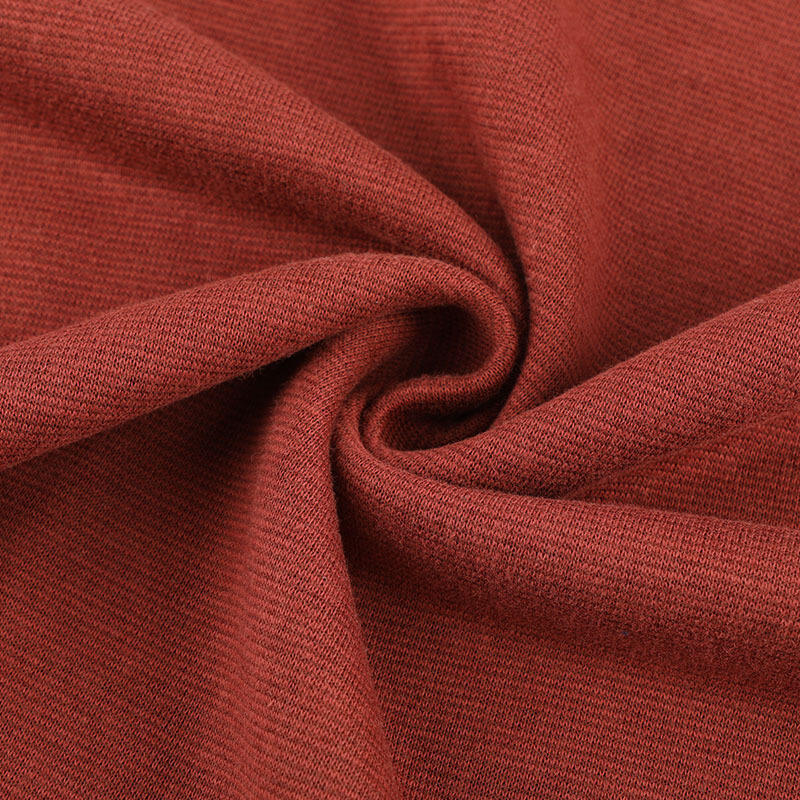
Identifying premium wool fabric is a critical skill for bespoke tailoring professionals who demand excellence in their craft. The quality of premium wool fabric directly impacts the durability, comfort, and aesthetic appeal of custom garments, making fabric selection a cornerstone of successful tailoring operations. Understanding the distinctive characteristics that separate superior wool from inferior alternatives requires knowledge of fiber properties, manufacturing processes, and quality assessment techniques that professional tailors rely upon daily.
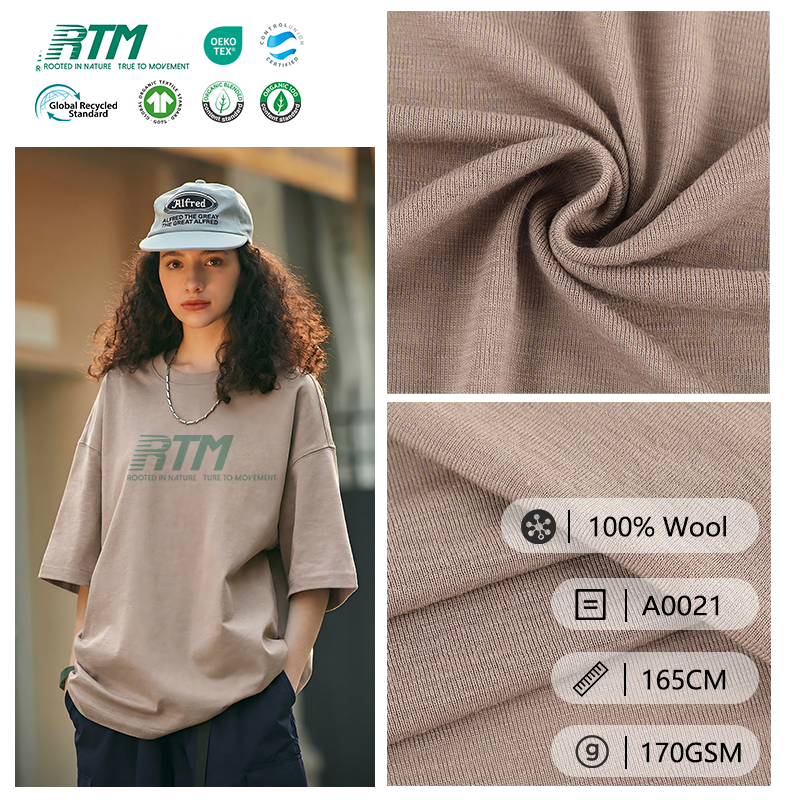
Understanding Wool Fiber Quality Fundamentals
Micron Measurement and Fiber Diameter
The micron count represents one of the most reliable indicators when evaluating premium wool fabric quality. Finer wool fibers, typically measuring between 18-21 microns, create softer textures and superior drape characteristics essential for high-end garments. Premium wool fabric sourced from merino sheep often achieves micron counts below 19, delivering exceptional comfort against the skin while maintaining structural integrity throughout the garment's lifespan.
Professional tailors can assess fiber fineness through tactile evaluation, where premium wool fabric exhibits a smooth, silky feel without the coarseness associated with lower-grade materials. The relationship between micron count and fabric performance becomes particularly evident in finished garments, where finer fibers contribute to better wrinkle resistance and enhanced wearing comfort.
Staple Length and Fiber Consistency
Staple length directly influences the strength and smoothness of premium wool fabric, with longer fibers typically ranging from 65-100mm in high-quality materials. Longer staples create stronger yarns with fewer fiber ends protruding from the fabric surface, resulting in reduced pilling and improved longevity. Premium wool fabric manufacturers carefully select fleeces with consistent staple lengths to ensure uniform yarn quality throughout the weaving process.
Examining fiber consistency involves checking for uniform crimp patterns and color distribution within the premium wool fabric structure. Inconsistent crimping or color variations often indicate blended grades or processing shortcuts that compromise overall fabric quality. Professional-grade premium wool fabric maintains consistent fiber characteristics that translate into predictable behavior during cutting, sewing, and pressing operations.
Visual and Tactile Assessment Techniques
Surface Texture Analysis
Premium wool fabric displays distinctive surface characteristics that trained professionals can identify through careful visual inspection. The fabric surface should exhibit a clean, even appearance without excessive hairiness, slubs, or irregular yarn spacing that might compromise the finished garment's appearance. High-quality premium wool fabric typically shows a subtle luster that reflects light uniformly across the surface, indicating proper fiber alignment during the weaving process.
Examining the fabric under different lighting conditions reveals important quality indicators, as premium wool fabric maintains color consistency and surface smoothness regardless of illumination angle. Inferior materials often display uneven dye penetration or surface irregularities that become apparent under varying light sources, making thorough visual assessment crucial for quality determination.
Drape and Hand Feel Evaluation
The drape characteristics of premium wool fabric provide immediate feedback about fiber quality and fabric construction. Superior wool fabrics exhibit fluid movement and natural fall when held vertically, demonstrating the inherent flexibility and recovery properties essential for tailored garments. Premium wool fabric should feel substantial yet supple, with sufficient body to maintain garment shape while allowing comfortable movement.
Hand feel assessment involves testing the fabric's response to gentle stretching and compression, where premium wool fabric demonstrates excellent recovery properties and resilience. The material should spring back to its original dimensions without permanent deformation, indicating proper fiber processing and yarn construction techniques that ensure long-term garment performance.
Manufacturing Process Indicators
Weave Structure and Density
Premium wool fabric construction employs precise weaving techniques that create consistent thread spacing and optimal fabric density for specific applications. Professional tailors examine the weave structure using magnification tools to identify regular interlacement patterns and uniform yarn tension throughout the fabric. High-quality premium wool fabric displays tight, even weaving without loose threads or irregular spacing that could affect garment stability.
Fabric density measurements, expressed in grams per square meter, provide quantitative data about premium wool fabric quality and suitability for different garment types. Suiting weights typically range from 240-340 gsm, while coating weights may exceed 450 gsm, with premium wool fabric maintaining consistent density across the entire piece without thin spots or thick areas that indicate manufacturing defects.
Finishing Process Quality
The finishing processes applied to premium wool fabric significantly impact its final performance characteristics and appearance quality. Professional finishing techniques include controlled shrinkage, pressing, and chemical treatments that stabilize the fabric dimensions and enhance surface properties. Premium wool fabric undergoes careful finishing that preserves natural fiber characteristics while improving practical performance attributes.
Examining edge finishing quality provides insights into overall manufacturing standards, as premium wool fabric suppliers typically employ clean, straight cuts with minimal fraying or loose threads. The fabric edges should maintain their integrity during handling and storage, indicating proper stabilization treatments that prevent unraveling and maintain dimensional stability throughout the garment construction process.
Testing Methods for Quality Verification
Physical Performance Tests
Professional quality assessment of premium wool fabric includes standardized physical tests that measure strength, elasticity, and dimensional stability. Tensile strength testing reveals the fabric's ability to withstand stress during garment construction and wearing, while premium wool fabric should demonstrate consistent strength values in both warp and weft directions. These tests provide objective data that supplements subjective quality assessments.
Shrinkage testing determines how premium wool fabric responds to moisture and heat exposure, critical factors in tailoring operations. Quality materials undergo pre-shrinking treatments that minimize dimensional changes during pressing and cleaning processes. Testing samples under controlled conditions helps verify the stability of premium wool fabric and predict its behavior throughout the garment's lifecycle.
Chemical Composition Analysis
Advanced testing methods can verify the purity and composition of premium wool fabric through fiber content analysis and chemical testing procedures. These tests detect the presence of synthetic blends or treatment chemicals that might affect fabric performance or customer satisfaction. Premium wool fabric should meet specified purity standards while maintaining natural wool characteristics essential for high-end garment applications.
Burn testing provides a simple field test for identifying genuine wool content in premium wool fabric samples. Pure wool burns slowly with a characteristic odor and leaves a crushable ash residue, distinguishing it from synthetic materials or heavily treated fibers. This practical test helps verify fabric authenticity when detailed laboratory analysis is not available.
Supplier Evaluation and Sourcing Strategies
Vendor Assessment Criteria
Establishing relationships with reputable suppliers ensures consistent access to authentic premium wool fabric that meets professional tailoring standards. Qualified suppliers provide detailed specifications, quality certifications, and traceable sourcing information that demonstrates their commitment to maintaining premium wool fabric standards. Vendor evaluation should include assessment of their quality control processes, inventory management, and customer support capabilities.
Long-term partnerships with premium wool fabric suppliers enable tailors to develop familiarity with specific product lines and quality characteristics. Reliable suppliers maintain consistent quality standards across different production runs while providing technical support and customization options that enhance the value of premium wool fabric investments for professional tailoring operations.
Certification and Documentation
Premium wool fabric suppliers should provide comprehensive documentation including fiber content certificates, origin verification, and quality test results that validate their product claims. These documents serve as quality assurance tools and provide valuable information for customer communications about garment specifications. Proper documentation also supports warranty claims and quality disputes that may arise during the tailoring process.
Industry certifications such as the Woolmark symbol provide additional assurance about premium wool fabric authenticity and quality standards. These third-party certifications require suppliers to meet specific criteria for fiber content, processing methods, and performance characteristics, giving tailors confidence in their premium wool fabric selections and supporting their professional reputation with clients.
Storage and Handling Best Practices
Environmental Control Requirements
Proper storage conditions preserve the quality characteristics of premium wool fabric and prevent deterioration during inventory periods. Climate-controlled environments with stable temperature and humidity levels protect wool fibers from moisture damage and insect infestation that can compromise fabric integrity. Premium wool fabric requires protection from direct sunlight and chemical exposure that might cause color fading or fiber degradation.
Storage facilities should maintain humidity levels between 55-65% and temperatures around 65-70°F to optimize premium wool fabric preservation. Proper ventilation prevents moisture accumulation while avoiding excessive air movement that might create dust or debris accumulation on fabric surfaces. These environmental controls ensure premium wool fabric maintains its original quality characteristics until garment construction begins.
Handling and Inspection Protocols
Establishing standardized handling procedures minimizes damage risks and maintains premium wool fabric quality during storage and preparation phases. Workers should use clean hands or gloves when handling fabric to prevent oil transfer or contamination that might affect dyeing or finishing processes. Regular inspection schedules help identify potential issues before they compromise premium wool fabric usability.
Documentation systems track premium wool fabric inventory, including purchase dates, supplier information, and quality inspection results. These records support quality control processes and help identify patterns or issues that might affect future purchasing decisions. Proper documentation also facilitates efficient inventory management and ensures first-in-first-out rotation that prevents premium wool fabric aging in storage.
FAQ
What is the ideal micron count for premium wool fabric in suiting applications
Premium wool fabric for suiting applications typically features micron counts between 18-21, with super fine grades measuring below 19 microns. These finer fibers create smoother surfaces, better drape, and enhanced comfort while maintaining the structural integrity required for tailored garments. Micron counts below 16 may sacrifice durability for softness, while counts above 22 can feel coarse against the skin.
How can tailors distinguish between genuine premium wool fabric and synthetic blends
Genuine premium wool fabric exhibits distinctive characteristics including natural elasticity, breathability, and a characteristic burning smell when tested. The burn test produces slowly burning fibers that leave crushable ash, unlike synthetic materials that melt or produce acrid odors. Additionally, premium wool fabric demonstrates natural temperature regulation and moisture-wicking properties that synthetic blends cannot fully replicate.
What storage conditions best preserve premium wool fabric quality
Premium wool fabric requires climate-controlled storage with humidity levels between 55-65% and temperatures around 65-70°F. The storage area should provide protection from direct sunlight, chemical exposure, and insect infestation while maintaining adequate ventilation. Fabric should be stored flat or properly rolled to prevent creasing and maintain its original characteristics until use.
How does premium wool fabric processing affect final garment performance
Processing quality directly impacts premium wool fabric performance through finishing treatments that control shrinkage, enhance durability, and improve surface characteristics. Proper processing includes controlled pre-shrinking, careful pressing, and stabilization treatments that ensure dimensional stability during garment construction and cleaning. Well-processed premium wool fabric maintains consistent behavior throughout the tailoring process and delivers superior long-term performance.
Table of Contents
- Understanding Wool Fiber Quality Fundamentals
- Visual and Tactile Assessment Techniques
- Manufacturing Process Indicators
- Testing Methods for Quality Verification
- Supplier Evaluation and Sourcing Strategies
- Storage and Handling Best Practices
-
FAQ
- What is the ideal micron count for premium wool fabric in suiting applications
- How can tailors distinguish between genuine premium wool fabric and synthetic blends
- What storage conditions best preserve premium wool fabric quality
- How does premium wool fabric processing affect final garment performance