
 EN
EN


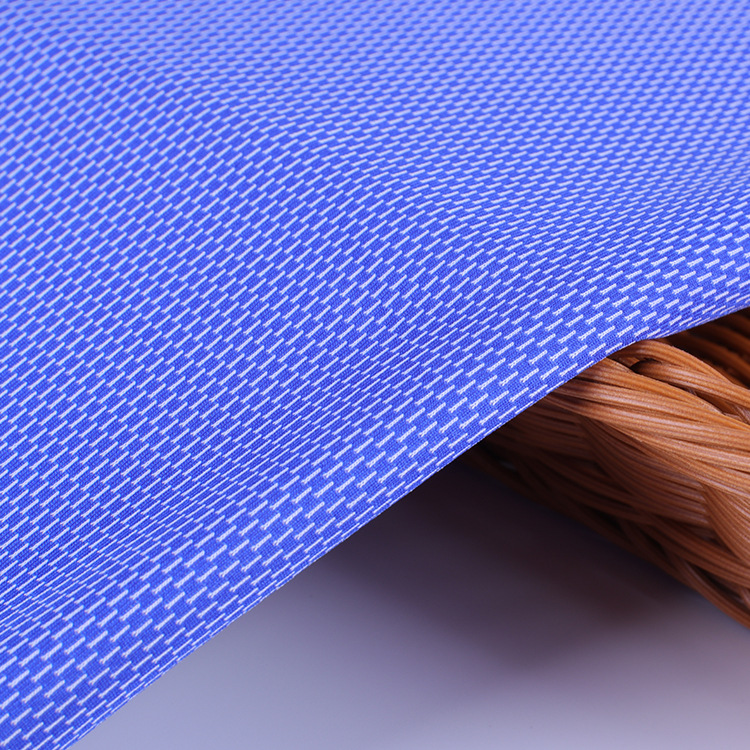
Selecting the right mesh fabric for lining in premium sports jackets is a critical decision that directly impacts comfort, breathability, and durability of the final garment. The mesh fabric for lining serves as an invisible but essential layer that enhances moisture management, reduces skin irritation, and extends the functional lifespan of high-end athletic wear. When manufacturers and designers choose mesh fabric for lining, they must balance performance characteristics with cost efficiency and aesthetic appeal. Understanding the key factors that influence mesh fabric for lining selection ensures that your premium sports jackets deliver the comfort and performance that discerning athletes and consumers expect.
The mesh fabric for lining in sports jackets must satisfy multiple performance demands simultaneously. It must wick moisture away from the body, maintain structural integrity through repeated washing and wearing, and remain soft enough to prevent chafing during intense physical activity. Poor selection of mesh fabric for lining can lead to discomfort, reduced breathability, and premature garment failure, ultimately damaging brand reputation and customer satisfaction. This guide explores the essential criteria for evaluating and selecting the optimal mesh fabric for lining for your premium sports jacket collection.
Understanding Breathability and Moisture Management in Mesh Fabric for Lining
Air Permeability and Vapor Transmission
Breathability is the foundational performance metric for mesh fabric for lining selection. High-quality mesh fabric for lining must allow consistent airflow between the inner body layer and outer shell material, preventing heat and moisture accumulation. Vapor transmission rate, measured in grams per square meter per 24 hours, determines how effectively the mesh fabric for lining removes perspiration from athletic wear. Premium mesh fabric for lining typically features open knit structures with perforated zones that maximize vapor movement while maintaining fabric stability. Testing the breathability of mesh fabric for lining before full-scale production ensures that your sports jackets deliver the cooling sensation athletes demand during intense workouts.
Moisture-Wicking Fiber Technology
The fiber composition of mesh fabric for lining directly influences moisture management performance. Polyester and polyester-blend mesh fabric for lining excels at wicking sweat away from skin because synthetic fibers resist water absorption while redirecting moisture laterally across the fabric surface. Natural fibers like cotton, though comfortable, absorb moisture and retain dampness, making them unsuitable for high-performance mesh fabric for lining in premium sports jackets. Advanced mesh fabric for lining formulations incorporate specialty yarns with enhanced wicking properties, creating superior moisture management compared to standard materials. When evaluating mesh fabric for lining suppliers, request moisture-wicking test data and performance certifications to confirm that the material meets your premium product standards.
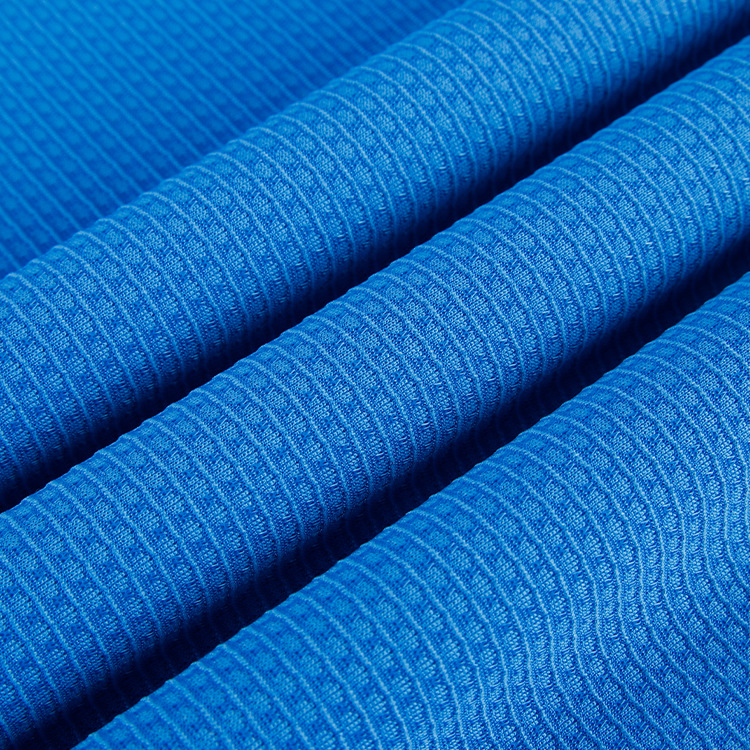
Durability, Strength, and Longevity Considerations
Tensile Strength and Abrasion Resistance
Premium sports jackets demand mesh fabric for lining that withstands repeated wear, washing cycles, and vigorous athletic movement without degradation. Tensile strength, measured in newtons per linear centimeter, indicates how well mesh fabric for lining resists tearing and seam splitting during active use. High-denier polyester mesh fabric for lining, typically 75 to 150 denier, provides superior durability compared to lightweight alternatives. Abrasion testing, such as the Martindale method, evaluates how resistant your chosen mesh fabric for lining is to pilling, surface wear, and fiber breakage. Investing in durable mesh fabric for lining reduces warranty claims and ensures that premium jackets maintain their performance benefits throughout their intended lifespan.
Thermal and Wash Stability
Mesh fabric for lining must maintain its dimensional integrity and performance characteristics through multiple laundry cycles and varied storage conditions. High-quality mesh fabric for lining resists shrinkage, color fading, and elastic degradation when exposed to water temperatures typical of consumer care routines. Thermal stability testing confirms that mesh fabric for lining retains its breathability and structural properties even after exposure to heat during drying and pressing processes. Evaluating mesh fabric for lining against industrial wash standards, such as AATCC or ISO protocols, provides quantifiable durability metrics. Premium sports jacket manufacturers prioritize mesh fabric for lining with proven stability records because this directly correlates with customer satisfaction and repeat purchases.
Aesthetic Appeal and Comfort Integration
Softness, Hand-Feel, and Skin Compatibility
Beyond technical performance, mesh fabric for lining must deliver superior comfort against the skin throughout intense athletic sessions. The hand-feel of mesh fabric for lining influences consumer perception of product quality and premium positioning in the marketplace. Fine-denier mesh fabric for lining with smooth, rounded fiber edges minimizes skin irritation and provides the luxurious texture expected in high-end athletic wear. Some mesh fabric for lining options incorporate antimicrobial treatments or advanced fiber processing to enhance comfort and reduce odor accumulation in active wear. Testing the tactile qualities of mesh fabric for lining through consumer panels and athlete feedback ensures your sports jackets meet expectations for premium comfort levels.
Color, Opacity, and Visual Design
The visual appearance of mesh fabric for lining contributes to the overall aesthetic of premium sports jackets, particularly when visible through translucent or semi-transparent outer shells. High-quality mesh fabric for lining maintains vibrant colors through repeated washing and UV exposure, preventing fading or discoloration that diminishes product appeal. Opacity considerations ensure that mesh fabric for lining provides appropriate coverage and doesn't create unflattering visual effects beneath lightweight outer fabrics. Coordinating mesh fabric for lining colors with jacket branding and design themes strengthens brand identity and product coherence. Premium brands leverage mesh fabric for lining as a design element, using contrasting colors or textured patterns to enhance the visual storytelling of their athletic wear collections.
FAQ
What denier weight is best for mesh fabric for lining in sports jackets?
The optimal denier weight for mesh fabric for lining typically ranges from 75 to 150 denier, depending on the specific application and performance requirements. Lighter denier mesh fabric for lining, around 75 to 100 denier, maximizes breathability and minimizes bulk, making it ideal for lightweight athletic wear. Heavier denier mesh fabric for lining, between 120 and 150 denier, provides superior durability and abrasion resistance, making it suitable for high-intensity sports or frequent-use applications. Testing different denier weights of mesh fabric for lining with your specific outer shell materials and target athlete demographics helps determine the optimal balance between comfort and durability for your premium sports jacket line.
How does mesh fabric for lining compare to traditional cotton lining?
Mesh fabric for lining significantly outperforms traditional cotton lining in moisture management and quick-dry capabilities, key performance factors for premium sports jackets. While cotton lining feels soft and natural, it absorbs perspiration and retains moisture, compromising breathability and creating uncomfortable damp conditions during athletic activity. Mesh fabric for lining, particularly polyester-based formulations, wicks moisture away from skin and dries rapidly, maintaining comfort throughout intense workouts. Cotton lining also degrades faster under repeated washing and intense physical stress compared to synthetic mesh fabric for lining. For premium sports jackets targeting serious athletes, mesh fabric for lining is the superior choice because it delivers measurable performance benefits that justify the higher price point.
What testing standards should I require from mesh fabric for lining suppliers?
Reputable suppliers of mesh fabric for lining should provide comprehensive test reports covering tensile strength, tear resistance, abrasion durability, moisture vapor transmission, and color fastness according to recognized standards. Request AATCC and ISO test certifications for your mesh fabric for lining to ensure compliance with international performance benchmarks and consumer protection requirements. Moisture-wicking capabilities should be quantified through moisture management fabric testing protocols, demonstrating that your mesh fabric for lining performs as advertised. Ask suppliers for documentation of thermal stability, pilling resistance, and shrinkage data specific to their mesh fabric for lining products. Verifying that mesh fabric for lining meets or exceeds these testing standards protects your brand reputation and ensures consistent product quality across production batches.