
 EN
EN


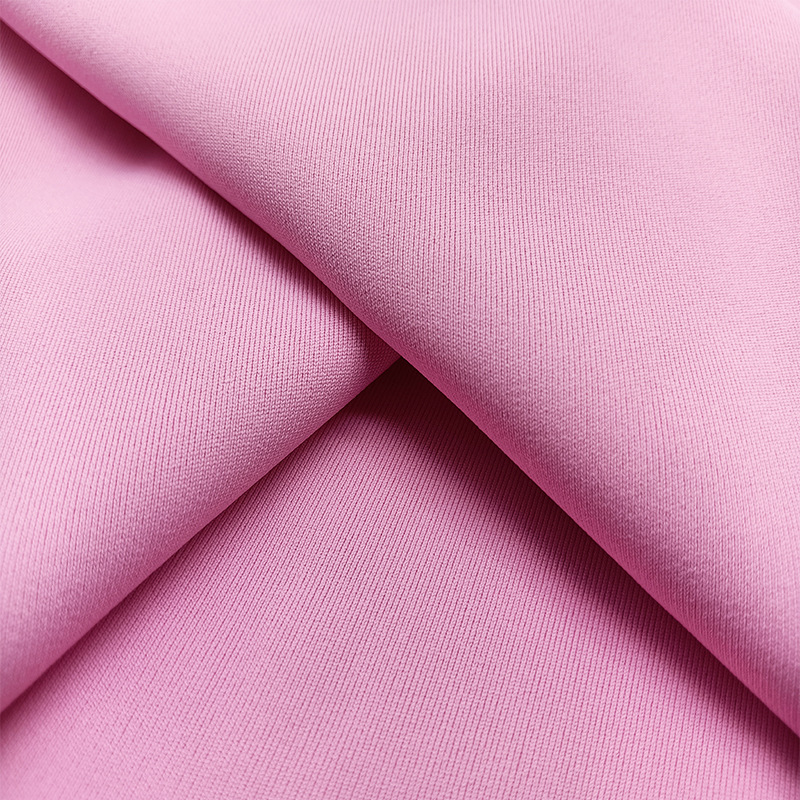
Every purchasing decision your brand makes carries environmental weight, and the textile industry stands as one of the most resource-intensive sectors globally. Recycled fabrics offer a transformative pathway to meaningfully reduce your brand's carbon footprint while maintaining product quality and performance. By shifting from virgin material sourcing to recycled fabrics, companies demonstrate genuine commitment to sustainability—a value increasingly central to consumer loyalty and corporate responsibility. The transition to recycled fabrics isn't merely an environmental gesture; it's a strategic business decision that aligns production practices with modern market expectations and regulatory trends.
Understanding how recycled fabrics reduce carbon emissions requires examining the full lifecycle of textile production. From raw material extraction through manufacturing, traditional virgin textiles demand substantial energy, water, and chemical inputs. Recycled fabrics bypass many of these resource-intensive early stages, dramatically lowering the overall environmental burden. When your brand adopts recycled fabrics, you're not simply choosing an alternative material—you're fundamentally restructuring your supply chain to support a circular economy model that benefits both your business and the planet.
The Carbon Impact of Textile Production
How Virgin Textiles Drive Emissions
Conventional textile manufacturing generates substantial carbon emissions at every stage. Growing raw cotton requires significant pesticide and fertilizer applications, both energy-intensive processes. Synthetic fibers derived from petroleum demand extraction, refining, and polymerization—all carbon-heavy operations. Dyeing and finishing processes consume enormous quantities of water and chemicals while releasing heat and emissions. When you compare this traditional pathway to recycled fabrics, the environmental case becomes compelling. Recycled fabrics skip the agricultural and petrochemical extraction phases entirely, immediately reducing upstream carbon generation. This foundational difference makes recycled fabrics a powerful tool for brands serious about lowering their environmental impact.
Lifecycle Assessment of Recycled Materials
A complete lifecycle assessment demonstrates why recycled fabrics outperform virgin alternatives. Recycled fabrics require collection, sorting, and processing—steps that consume energy but far less than growing or extracting raw materials. The actual fiber regeneration process, whether mechanical or chemical, operates at lower temperature and chemical intensity than primary production. Transportation distances often decrease because recycling facilities can operate regionally, keeping supply chains shorter and emissions contained. By choosing recycled fabrics, your brand benefits from these cumulative reductions across collection, processing, manufacturing, and delivery stages. Each phase contributes to a substantially smaller carbon footprint compared to virgin textile production.
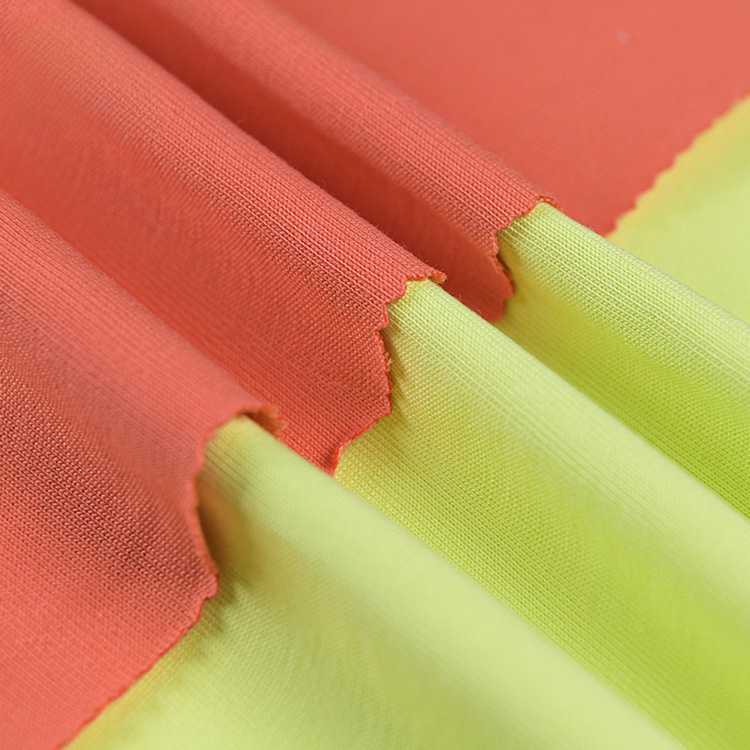
Business and Brand Benefits of Recycled Fabrics
Meeting Consumer Expectations
Modern consumers increasingly expect sustainability commitments from the brands they support. Research consistently shows that purchasing decisions favor companies demonstrating genuine environmental responsibility. When your brand prominently features recycled fabrics in product lines, you signal alignment with consumer values around sustainability. This positioning strengthens brand reputation, particularly among younger demographics and environmentally conscious segments. Marketing transparency around your use of recycled fabrics builds trust and differentiates your offerings in competitive markets. Customers recognize that choosing brands committed to recycled fabrics means their purchases contribute to reduced environmental harm. This emotional and ethical connection translates into loyalty, repeat purchases, and positive word-of-mouth marketing.
Regulatory Compliance and Future-Proofing
Environmental regulations continue tightening globally, with extended producer responsibility and carbon accounting requirements becoming standard. Brands that proactively adopt recycled fabrics position themselves ahead of compliance curves. European Union directives, corporate sustainability reporting standards, and supply chain transparency mandates all reward companies using recycled fabrics and demonstrating reduced carbon footprints. By integrating recycled fabrics into your sourcing strategy now, you avoid costly retrofitting and compliance penalties later. This forward-looking approach protects your brand's operational continuity and market access. Additionally, supply chain resilience improves when you diversify material sources—recycled fabrics reduce dependency on volatile virgin material markets subject to climate disruption and geopolitical pressures.
Implementation Strategies for Adopting Recycled Fabrics
Starting Your Transition
Successful adoption of recycled fabrics begins with a clear assessment of your current production portfolio. Identify product categories where recycled fabrics can substitute effectively for virgin materials without compromising performance or aesthetics. Sports and activewear, casual apparel, and accessories represent excellent starting points for recycled fabrics integration. Begin with pilot programs or limited collections to validate quality, supplier reliability, and customer reception. This staged approach reduces financial risk while generating real-world performance data on your recycled fabrics products. Document these results to build internal stakeholder support and inform larger-scale transitions across your brand.
Working with Reliable Suppliers
Quality and consistency directly depend on supplier selection and relationship management. Choose suppliers specializing in recycled fabrics with documented certification and transparent sourcing practices. Request detailed information about material origin, recycling methodology, and quality control protocols for recycled fabrics. Establish long-term partnerships that allow for collaborative innovation and continuous improvement in recycled fabrics specifications. Visit facilities to understand processing capabilities and confirm that recycled fabrics meet your technical and aesthetic requirements. Strong supplier relationships ensure that your commitment to recycled fabrics translates into dependable, high-quality materials that support your production schedules and brand standards.
FAQ
Do recycled fabrics perform as well as virgin materials?
Yes, modern recycled fabrics perform comparably to virgin alternatives when sourced from quality suppliers. Recycled fabrics used in sports apparel, activewear, and everyday clothing meet rigorous durability, stretch, breathability, and colorfastness standards. Advanced fiber regeneration technologies ensure recycled fabrics maintain structural integrity through multiple wear and wash cycles. Performance differences, when they exist, are often negligible to consumer experience. Selection depends on matching recycled fabrics characteristics to specific end-use requirements rather than assuming inherent limitations. Your sourcing team can identify recycled fabrics that exceed virgin material performance for particular applications.
What cost implications come with using recycled fabrics?
Recycled fabrics pricing has become increasingly competitive as supply chains mature and demand grows. While recycled fabrics may carry slight cost premiums in early production stages, volume commitments and long-term supplier relationships typically reduce these differentials. Many brands find that premium positioning justified by sustainability stories offsets modest material cost increases. Additionally, recycled fabrics often reduce processing steps and chemical intensity, yielding savings in dyeing, finishing, and quality control. Long-term financial analysis typically demonstrates that transitioning to recycled fabrics improves margins while building brand value and customer loyalty.
How can brands communicate their use of recycled fabrics effectively?
Transparency and specificity strengthen communication around recycled fabrics adoption. Include fabric composition information on product tags and marketing materials, clearly identifying recycled fabrics content percentages. Share your sustainability story explaining why your brand chose recycled fabrics and the carbon reduction achieved. Use third-party certifications and standardized measurements to validate claims about recycled fabrics environmental impact. Engage customers through storytelling that connects product-level recycled fabrics choices to larger brand sustainability missions. Avoid vague 'eco-friendly' language; specific statements about recycled fabrics and quantified carbon savings build credibility and justify premium positioning.