
Premium Recycled Textile Materials: Sustainable, Durable & Cost-Effective Solutions

Get a Free Quote

Our representative will contact you soon.
Email
Mobile/WhatsApp
Name
Company Name
Message
0/1000

recycled textile materials

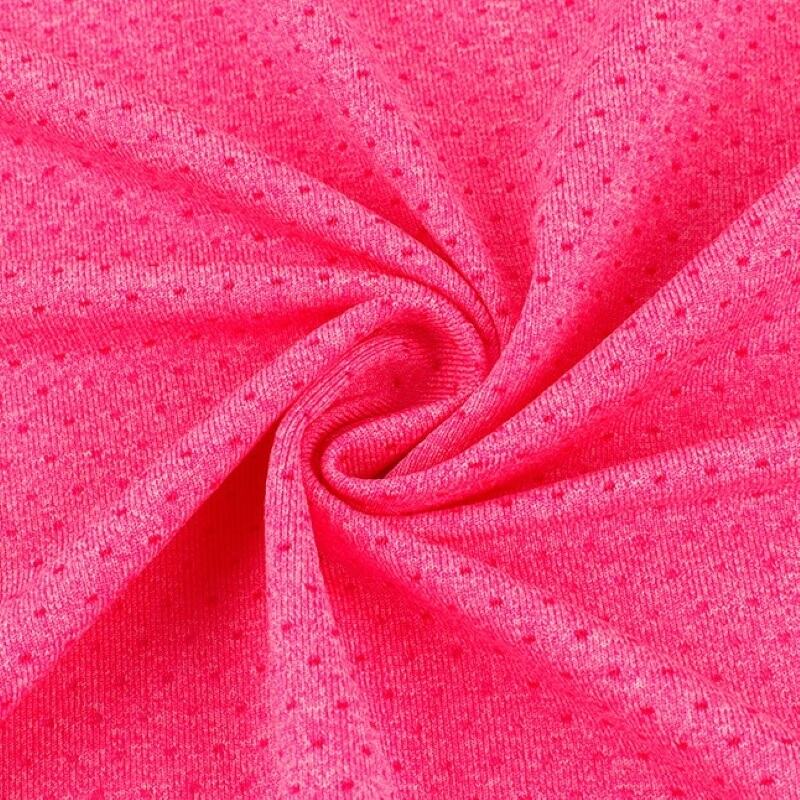
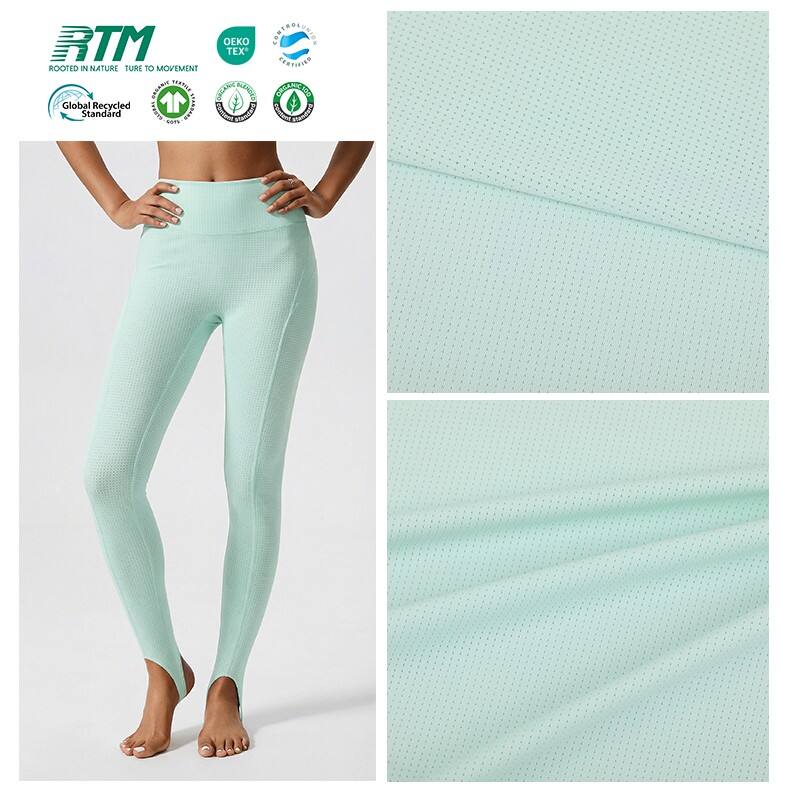
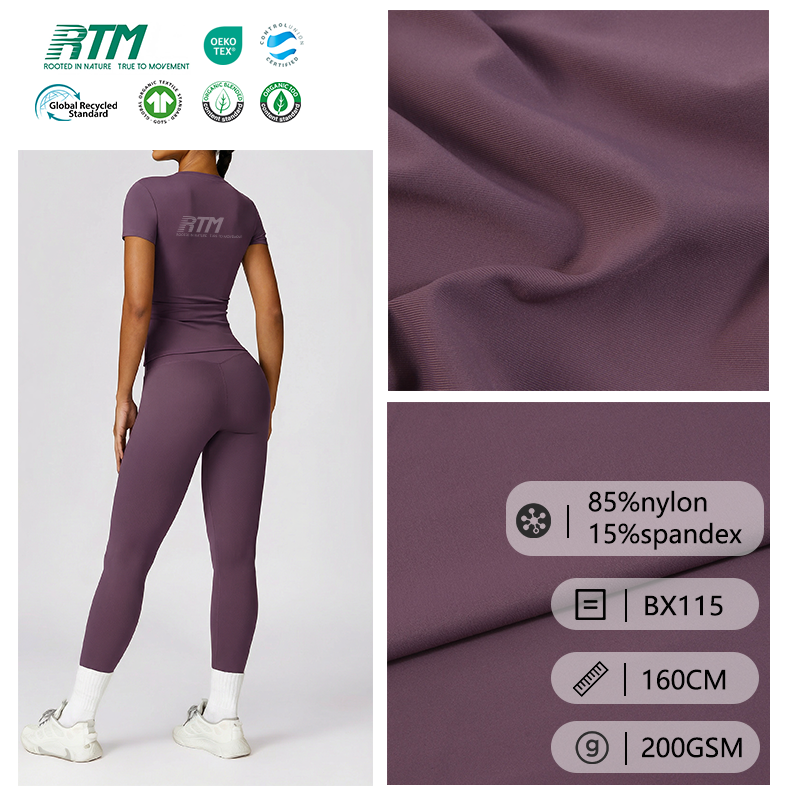
Recycled textile materials represent a revolutionary approach to sustainable manufacturing that transforms discarded fabrics and clothing into valuable new resources. These innovative materials emerge through sophisticated processing techniques that break down used textiles into their component fibers, which are then cleaned, refined, and reconstructed into fresh textile products. The primary function of recycled textile materials centers on reducing environmental waste while maintaining the quality and performance characteristics that consumers expect from traditional fabrics. Modern recycling technologies enable the recovery of various fiber types, including cotton, polyester, wool, and synthetic blends, creating versatile materials suitable for diverse applications. The technological features of recycled textile materials include enhanced durability through specialized treatment processes, improved colorfastness achieved through advanced dyeing techniques, and consistent quality control measures that ensure reliable performance across different product lines. These materials undergo rigorous testing to meet industry standards for strength, flexibility, and longevity. Applications for recycled textile materials span numerous industries, from fashion and home furnishings to automotive and industrial sectors. In the fashion industry, these materials create stylish clothing, accessories, and footwear that appeal to environmentally conscious consumers. Home textile applications include bedding, curtains, upholstery, and carpeting that deliver comfort and aesthetic appeal while supporting sustainable living practices. The automotive sector utilizes recycled textile materials for seat covers, interior panels, and insulation components, contributing to lighter vehicle weights and improved fuel efficiency. Industrial applications encompass protective clothing, filtration systems, and composite materials used in construction and manufacturing processes. The versatility of recycled textile materials makes them suitable for both high-performance applications requiring specific technical properties and everyday consumer products where comfort and appearance take precedence.

New Products

Recycled textile materials offer compelling environmental benefits that directly address growing concerns about waste reduction and resource conservation. By choosing these materials, customers actively participate in circular economy principles that minimize landfill accumulation and reduce the demand for virgin resources. This environmental stewardship translates into measurable positive impacts, including decreased water consumption during manufacturing processes and reduced energy requirements compared to producing new textiles from raw materials. The cost-effectiveness of recycled textile materials provides significant economic advantages for both manufacturers and end consumers. These materials typically cost less than their virgin counterparts while delivering comparable or superior performance characteristics. Customers benefit from competitive pricing without sacrificing quality, durability, or aesthetic appeal. The production efficiency gains achieved through recycling processes enable manufacturers to offer attractive pricing structures that make sustainable choices accessible to broader market segments. Quality improvements represent another substantial advantage of recycled textile materials. Advanced recycling technologies remove impurities and enhance fiber properties, often resulting in materials that exceed the performance of original textiles. These quality enhancements include improved resistance to wear, better moisture management properties, and enhanced colorfastness that maintains appearance over extended use periods. Customers receive products that last longer and perform better, providing superior value propositions compared to traditional alternatives. Innovation opportunities flourish within recycled textile materials development, leading to breakthrough products that combine sustainability with cutting-edge functionality. Research and development investments in recycling technologies continue producing materials with novel properties, such as antimicrobial treatments, temperature regulation capabilities, and enhanced breathability features. These innovations enable customers to access advanced textile solutions that were previously unavailable or prohibitively expensive. Market demand for sustainable products drives continuous improvement in recycled textile materials quality and variety. Consumer preferences increasingly favor environmentally responsible choices, creating strong market incentives for manufacturers to develop superior recycled materials. This demand-driven innovation cycle ensures that recycled textile materials continue evolving to meet changing customer needs while maintaining their environmental advantages. The versatility of recycled textile materials allows customers to make sustainable choices across multiple product categories without compromising on functionality or style preferences.

Tips And Tricks

Get a Free Quote

Our representative will contact you soon.
Email
Mobile/WhatsApp
Name
Company Name
Message
0/1000

recycled textile materials

Superior Environmental Performance Through Advanced Recycling Technology

Superior Environmental Performance Through Advanced Recycling Technology

Recycled textile materials demonstrate exceptional environmental performance through sophisticated processing technologies that transform waste into valuable resources while significantly reducing ecological footprints. The advanced recycling systems employed in creating these materials utilize innovative mechanical and chemical processes that efficiently separate, clean, and reconstitute textile fibers from various waste streams. These technologies achieve remarkable waste diversion rates, preventing millions of pounds of textile waste from entering landfills and incinerators annually. The environmental benefits extend beyond waste reduction to encompass substantial decreases in water consumption, energy usage, and greenhouse gas emissions compared to virgin textile production. Manufacturing recycled textile materials requires up to 70% less water than producing equivalent virgin materials, addressing critical water scarcity concerns in textile-producing regions. Energy consumption reductions of 40-60% are achievable through recycling processes that bypass energy-intensive steps required for growing, harvesting, and initial processing of raw materials. Carbon footprint reductions associated with recycled textile materials reach significant levels, often achieving 30-50% lower emissions than conventional textile production methods. These environmental improvements directly benefit customers who seek to reduce their personal or corporate environmental impacts while maintaining access to high-quality textile products. The closed-loop nature of recycled textile materials production creates sustainable supply chains that minimize resource extraction and environmental degradation. Companies utilizing these materials can confidently promote their environmental stewardship while meeting increasingly stringent sustainability requirements imposed by consumers, regulators, and industry standards. The comprehensive environmental benefits of recycled textile materials enable customers to make responsible choices that contribute to broader sustainability goals without sacrificing product quality, performance, or aesthetic appeal.
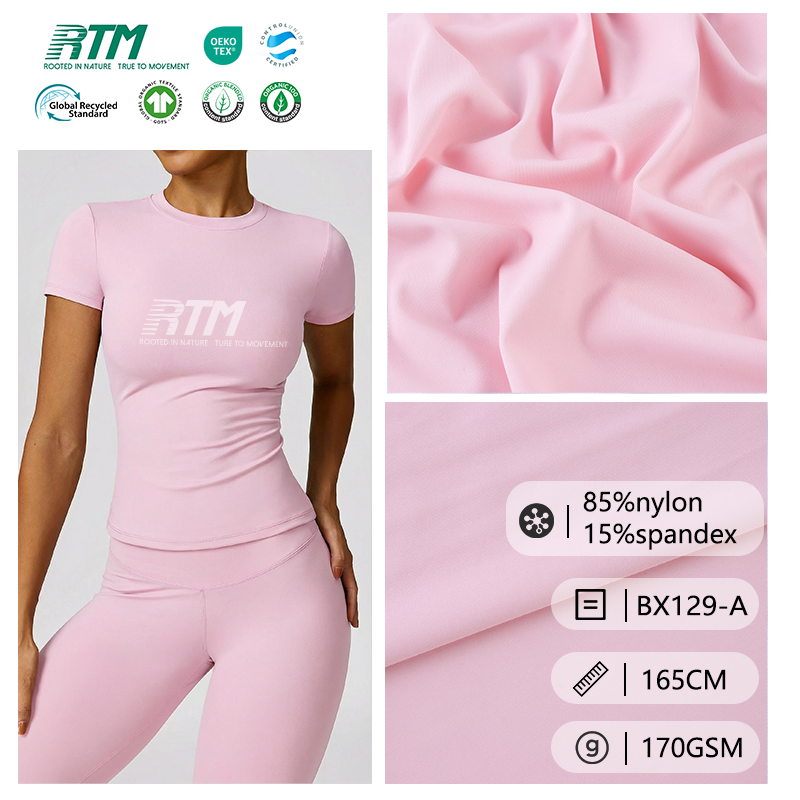
Enhanced Durability and Performance Characteristics

Enhanced Durability and Performance Characteristics

Recycled textile materials exhibit enhanced durability and performance characteristics that often surpass those of virgin materials, delivering exceptional value through extended product lifecycles and superior functionality. The recycling processes employed in creating these materials include sophisticated treatments that strengthen fiber structures, improve resistance to wear and tear, and enhance overall material properties. Advanced mechanical recycling techniques carefully preserve and optimize fiber integrity while removing impurities and damaged sections that could compromise performance. Chemical recycling methods break down materials to molecular levels before reconstructing them with improved characteristics, resulting in materials with enhanced strength, flexibility, and resilience. Quality control measures throughout recycling processes ensure consistent performance standards that meet or exceed industry specifications for various applications. The enhanced durability of recycled textile materials translates into longer-lasting products that provide superior return on investment for customers. Clothing made from these materials maintains its appearance, fit, and comfort through numerous wash cycles while resisting common forms of degradation such as pilling, fading, and fiber loss. Home textiles created from recycled materials demonstrate improved resistance to everyday wear, maintaining their aesthetic and functional properties over extended periods of use. Performance enhancements in recycled textile materials include improved moisture management capabilities that provide better comfort in activewear and outdoor applications. Advanced recycling processes can introduce specialized treatments that enhance breathability, temperature regulation, and antimicrobial properties without compromising material integrity. These performance improvements make recycled textile materials suitable for demanding applications where reliability and consistency are critical requirements. The durability advantages of recycled textile materials reduce replacement frequency, providing cost savings and convenience benefits that appeal to value-conscious customers. Extended product lifecycles contribute to overall sustainability by reducing consumption frequency and minimizing waste generation throughout the product use phase.
Cost-Effective Solutions with Premium Quality Standards

Cost-Effective Solutions with Premium Quality Standards

Recycled textile materials provide cost-effective solutions that maintain premium quality standards, enabling customers to achieve their sustainability goals while optimizing their budget allocations and performance requirements. The economic advantages of these materials stem from efficient recycling processes that transform abundant waste streams into valuable resources at lower costs than virgin material production. Manufacturing efficiencies achieved through established recycling infrastructure and optimized processing technologies enable competitive pricing structures that make sustainable choices financially attractive. The cost benefits extend throughout supply chains, from raw material acquisition through final product delivery, creating value propositions that appeal to cost-conscious consumers and businesses. Quality standards maintained in recycled textile materials production match or exceed those applied to virgin materials, ensuring that customers receive products that meet their performance expectations without premium pricing. Rigorous testing protocols verify that recycled materials satisfy industry specifications for strength, durability, colorfastness, and safety requirements across diverse application categories. Advanced quality control systems monitor every stage of the recycling process to maintain consistency and reliability in final products. The combination of competitive pricing and premium quality creates compelling value propositions for customers seeking to balance sustainability objectives with budget constraints. Bulk purchasing options for recycled textile materials often provide additional cost savings that make large-scale sustainability initiatives financially viable. Volume discounts and long-term supply agreements enable businesses to implement comprehensive sustainable sourcing strategies while maintaining cost competitiveness in their respective markets. The predictable pricing structure of recycled textile materials helps customers plan and budget for sustainable alternatives without concerns about price volatility. Investment in recycled textile materials generates returns through reduced replacement costs, enhanced brand reputation, and customer loyalty benefits that translate into tangible business value. The premium quality standards maintained in these materials ensure that customers receive reliable, consistent products that support their operational requirements while contributing to their sustainability objectives and cost optimization goals.

Get a Free Quote

Our representative will contact you soon.
Email
Mobile/WhatsApp
Name
Company Name
Message
0/1000