EN
EN



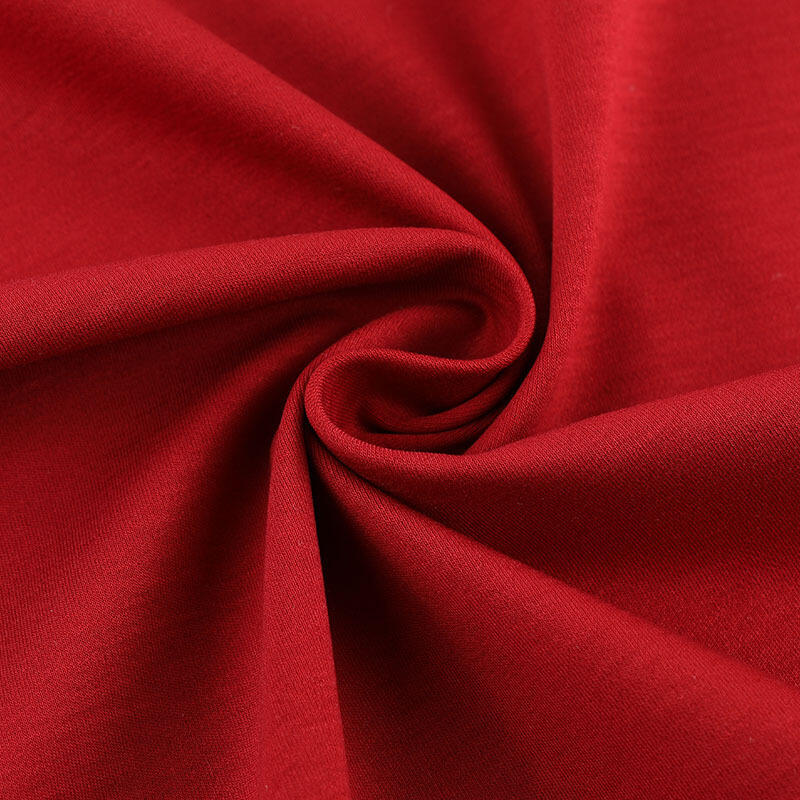
Advanced Circular Economy Integration
The recycled polyamide fabric exemplifies cutting-edge circular economy principles by transforming waste materials into premium textile products through sophisticated technological processes. This innovative approach addresses one of the textile industry's most pressing challenges: the massive accumulation of synthetic waste in global ecosystems. The fabric production process begins with comprehensive waste collection systems that gather discarded fishing nets from coastal communities, end-of-life carpets from commercial and residential sources, and industrial polyamide scraps from manufacturing facilities. These diverse waste streams undergo rigorous sorting and cleaning procedures to remove contaminants and foreign materials that could compromise final product quality. The depolymerization technology breaks down complex polymer chains at the molecular level, effectively erasing the history of the original waste materials while preserving the fundamental chemical properties that make polyamide such a versatile textile fiber. Advanced purification systems remove dyes, additives, and degradation products, ensuring the recycled polyamide fabric meets stringent quality standards. The repolymerization process reconstructs polymer chains with identical molecular weights and distributions as virgin materials, guaranteeing consistent performance characteristics. This technological achievement represents a significant breakthrough in sustainable manufacturing, proving that recycled materials can match virgin quality standards without compromising functionality. Environmental impact assessments demonstrate that each kilogram of recycled polyamide fabric prevents 4.2 kilograms of CO2 equivalent emissions compared to virgin production. The process diverts approximately 50% more waste from landfills compared to traditional mechanical recycling methods. Ocean cleanup initiatives specifically target abandoned fishing nets, with recycled polyamide fabric production providing economic incentives for coastal communities to participate in marine debris removal programs. The circular economy integration extends beyond waste input to encompass end-of-life planning for products made with recycled polyamide fabric. Manufacturers implement take-back programs that ensure worn-out garments return to the recycling stream, creating truly closed-loop systems. This comprehensive approach transforms linear consumption patterns into sustainable cycles that continuously regenerate raw materials while minimizing environmental impact.