
Premium Recycled Nylon Fabric - Sustainable High-Performance Textile Solutions

Get a Free Quote

Our representative will contact you soon.
Email
Mobile/WhatsApp
Name
Company Name
Message
0/1000

recycled nylon fabric

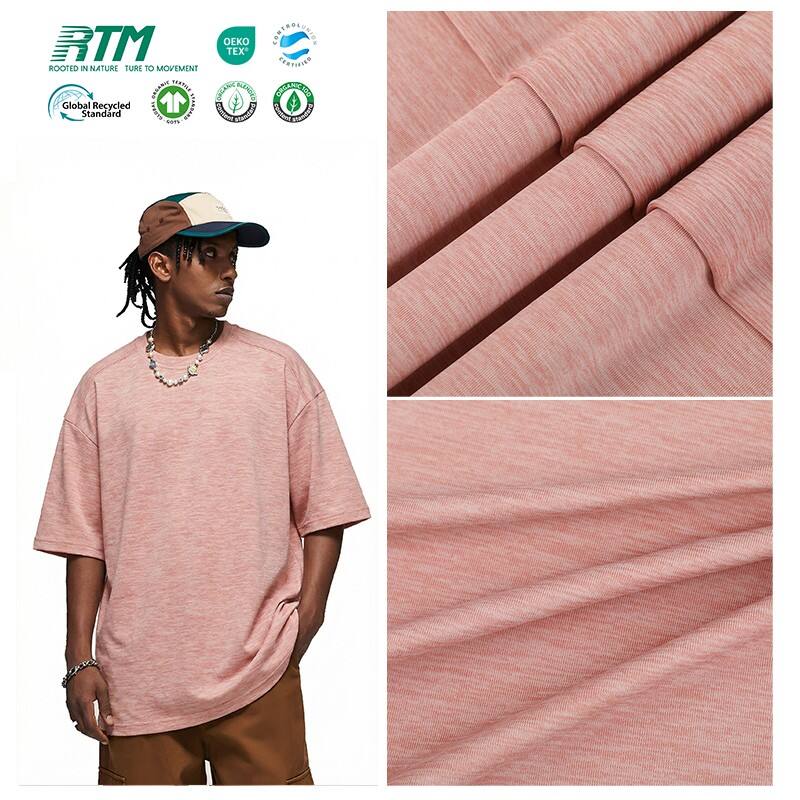
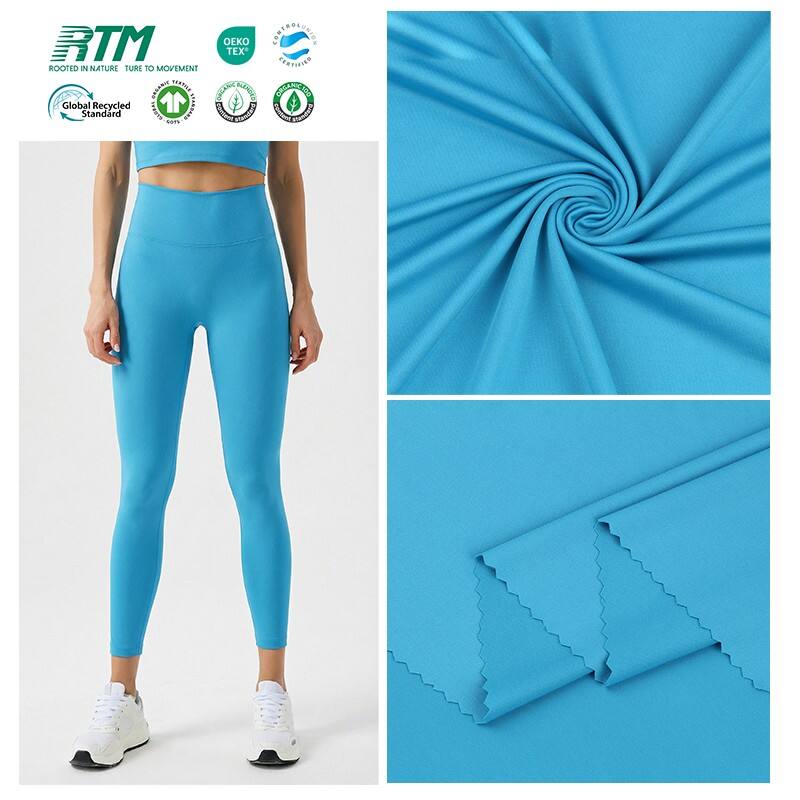
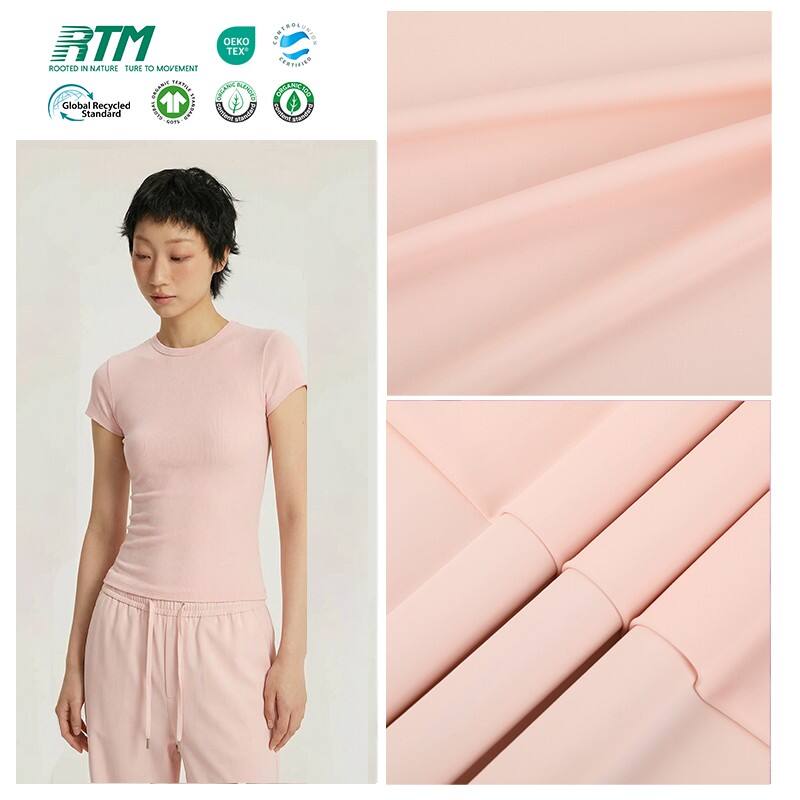
Recycled nylon fabric represents a revolutionary approach to sustainable textile manufacturing that transforms discarded nylon materials into high-performance fibers. This innovative recycled nylon fabric is created through advanced chemical and mechanical recycling processes that break down used nylon products, including fishing nets, carpet waste, and industrial fabric scraps, into their basic molecular components. The recycled nylon fabric maintains exceptional strength characteristics while significantly reducing environmental impact compared to virgin nylon production. The technological features of recycled nylon fabric include superior durability, moisture-wicking properties, and resistance to abrasion and tearing. Manufacturing processes for recycled nylon fabric involve collecting post-consumer and post-industrial nylon waste, cleaning and sorting materials, then utilizing depolymerization techniques to regenerate pure nylon polymers. These regenerated materials are then spun into new fibers that match the performance standards of traditional nylon. The recycled nylon fabric offers identical tensile strength, elasticity, and chemical resistance as conventional nylon while requiring 80% less energy during production. Applications for recycled nylon fabric span numerous industries including activewear, outdoor gear, automotive interiors, carpeting, and industrial textiles. Fashion brands increasingly choose recycled nylon fabric for athletic wear, swimwear, and luxury accessories due to its lightweight nature and excellent drape characteristics. The recycled nylon fabric demonstrates remarkable versatility in technical applications, from military equipment to aerospace components, where reliability and performance cannot be compromised. This sustainable alternative maintains consistent quality standards while supporting circular economy principles, making recycled nylon fabric an essential material for environmentally conscious manufacturers seeking to reduce their carbon footprint without sacrificing product performance or consumer satisfaction.

New Product Recommendations

Recycled nylon fabric delivers substantial environmental benefits that directly impact your business sustainability goals and consumer appeal. By choosing recycled nylon fabric, you reduce greenhouse gas emissions by up to 70% compared to virgin nylon production, creating a positive environmental story that resonates with eco-conscious customers. The recycled nylon fabric manufacturing process conserves natural resources by diverting waste from landfills and oceans, particularly ocean plastic pollution from discarded fishing nets and marine debris. This environmental advantage translates into enhanced brand reputation and increased customer loyalty for companies using recycled nylon fabric in their products. Cost effectiveness represents another significant advantage of recycled nylon fabric, as manufacturers benefit from stable pricing that is less volatile than petroleum-based virgin nylon markets. The recycled nylon fabric supply chain reduces dependency on crude oil fluctuations while providing consistent material availability for production planning. Performance advantages of recycled nylon fabric match or exceed traditional nylon specifications, offering identical strength, durability, and functional properties without compromise. Your products made with recycled nylon fabric maintain superior abrasion resistance, quick-drying capabilities, and colorfastness that customers expect from premium textiles. The recycled nylon fabric accepts dyes uniformly and processes through standard textile manufacturing equipment without requiring specialized handling or modifications. Versatility advantages make recycled nylon fabric suitable for diverse applications from technical outdoor gear to fashion apparel, allowing manufacturers to consolidate material sourcing while meeting varied product requirements. Quality consistency in recycled nylon fabric ensures predictable results across production runs, supporting efficient manufacturing processes and reducing waste from material defects. Market advantages include access to growing segments of environmentally aware consumers who actively seek products containing recycled nylon fabric, providing competitive differentiation and premium positioning opportunities. The recycled nylon fabric certification programs enable clear communication of sustainability benefits through recognized standards, supporting marketing efforts and retail partnerships focused on environmental responsibility.

Practical Tips

Get a Free Quote

Our representative will contact you soon.
Email
Mobile/WhatsApp
Name
Company Name
Message
0/1000

recycled nylon fabric

Superior Environmental Performance Through Advanced Recycling Technology

Superior Environmental Performance Through Advanced Recycling Technology

The environmental superiority of recycled nylon fabric stems from groundbreaking recycling technologies that transform waste into premium textile materials without compromising performance standards. This recycled nylon fabric production process diverts significant quantities of nylon waste from landfills and marine environments, directly addressing the global plastic pollution crisis while creating valuable raw materials. The advanced depolymerization technology used in recycled nylon fabric manufacturing breaks down waste nylon at the molecular level, removing impurities and contaminants to produce virgin-quality polymers that match original material specifications. This sophisticated approach to recycled nylon fabric production achieves remarkable environmental metrics, including 70% reduction in carbon emissions, 90% reduction in water consumption, and 80% decrease in energy usage compared to traditional nylon manufacturing. The recycled nylon fabric supply chain actively removes ocean plastic pollution by partnering with fishing communities to collect discarded nets and marine debris, creating economic incentives for waste recovery while producing sustainable materials. Environmental impact assessments demonstrate that recycled nylon fabric production prevents approximately 2.5 tons of CO2 emissions per ton of material produced, providing quantifiable sustainability benefits for manufacturers and end users. The closed-loop potential of recycled nylon fabric enables indefinite recycling cycles without material degradation, supporting true circular economy principles where waste becomes input for continuous production cycles. Life cycle analyses confirm that recycled nylon fabric maintains environmental advantages throughout its entire service life, from production through disposal, making it the optimal choice for companies committed to reducing their environmental footprint while delivering high-performance products to demanding markets.
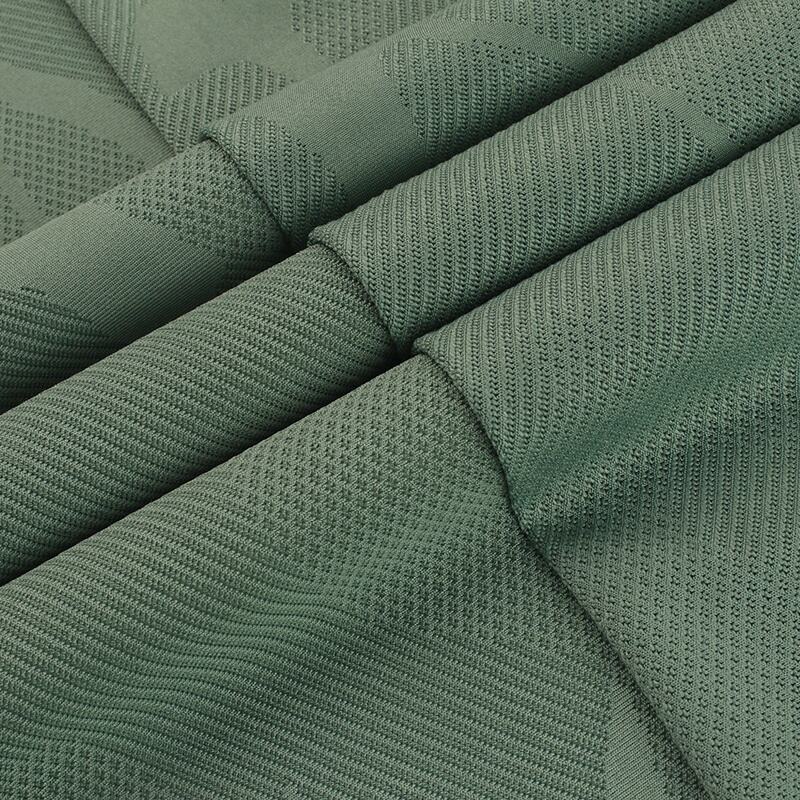
Uncompromised Performance Standards with Enhanced Durability

Uncompromised Performance Standards with Enhanced Durability

The performance characteristics of recycled nylon fabric demonstrate that sustainability and functionality work together seamlessly, delivering exceptional durability and technical properties that exceed industry standards. This recycled nylon fabric maintains identical molecular structure to virgin nylon, ensuring consistent tensile strength, elasticity, and abrasion resistance that technical applications demand. Rigorous testing protocols confirm that recycled nylon fabric performs equivalently to traditional nylon in critical areas including tear strength, colorfastness, and dimensional stability across temperature variations and repeated washing cycles. The enhanced durability of recycled nylon fabric results from refined manufacturing processes that eliminate impurities and optimize fiber structure, creating materials that often outperform conventional alternatives in longevity testing. Quality control measures for recycled nylon fabric include comprehensive material characterization, ensuring every production batch meets stringent specifications for mechanical properties, chemical resistance, and thermal stability. The recycled nylon fabric processing compatibility allows seamless integration into existing manufacturing systems without equipment modifications or process changes, reducing implementation costs while maintaining production efficiency. Performance testing of recycled nylon fabric under extreme conditions demonstrates superior resilience to UV exposure, moisture cycling, and mechanical stress, making it ideal for outdoor applications where material failure could compromise safety or functionality. The consistent performance of recycled nylon fabric across diverse applications from athletic wear to industrial components proves that environmental responsibility does not require performance compromises. Advanced fiber technology used in recycled nylon fabric production creates uniform material properties that ensure predictable behavior during garment construction, dyeing, and finishing processes, supporting efficient manufacturing while delivering reliable end-product performance that meets or exceeds customer expectations in demanding applications.
Economic Advantages and Market Positioning Benefits

Economic Advantages and Market Positioning Benefits

The economic advantages of recycled nylon fabric extend beyond material costs to encompass strategic business benefits that enhance competitive positioning and market access opportunities. Price stability represents a fundamental economic benefit of recycled nylon fabric, as production costs remain less volatile than petroleum-dependent virgin nylon markets, enabling more predictable budgeting and pricing strategies for manufacturers. The growing consumer demand for sustainable products creates premium market positioning opportunities for brands using recycled nylon fabric, allowing companies to capture higher margins while meeting environmental expectations of conscious consumers. Supply chain advantages of recycled nylon fabric include diversified sourcing options that reduce dependency on limited petroleum resources and geographic concentration of traditional nylon production, enhancing supply security and reducing procurement risks. Investment in recycled nylon fabric technology demonstrates forward-thinking corporate strategy that attracts environmentally focused investors and partners, potentially improving access to sustainable finance options and green investment opportunities. The recycled nylon fabric market continues expanding rapidly as regulations and consumer preferences shift toward sustainable materials, positioning early adopters for long-term competitive advantages and market share gains. Cost savings from using recycled nylon fabric include reduced waste disposal fees, lower carbon tax exposure in regulated markets, and potential incentives for sustainable manufacturing practices offered by governments and industry organizations. Marketing advantages of recycled nylon fabric enable authentic storytelling about environmental stewardship that resonates with target demographics, particularly younger consumers who prioritize sustainability in purchasing decisions. The recycled nylon fabric certification and traceability systems provide transparent supply chain documentation that supports ESG reporting requirements and sustainability communications, reducing compliance costs while enhancing corporate reputation and stakeholder confidence in environmental commitments.

Get a Free Quote

Our representative will contact you soon.
Email
Mobile/WhatsApp
Name
Company Name
Message
0/1000