EN
EN


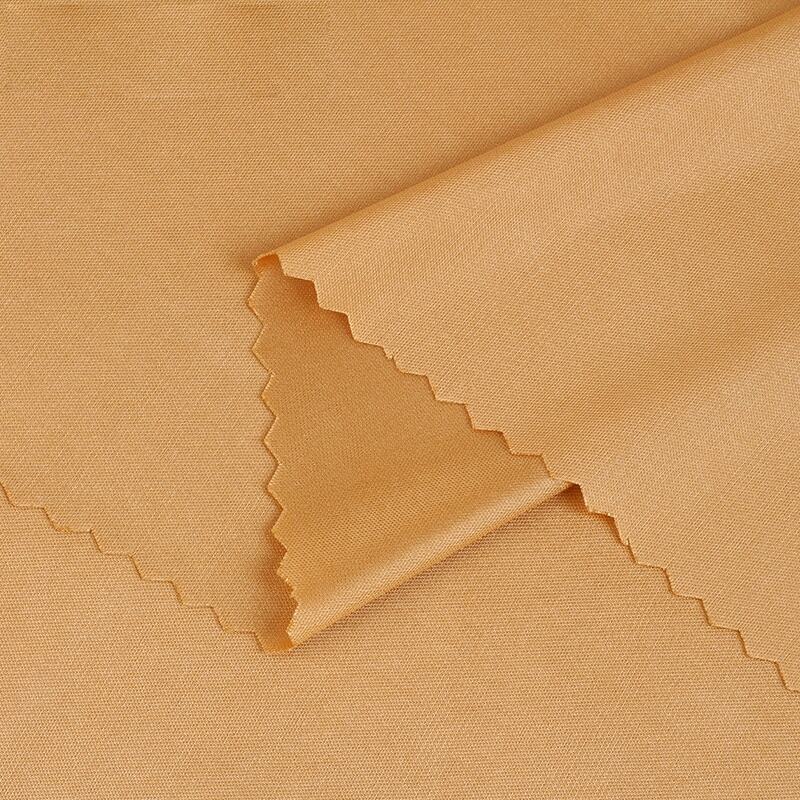
Superior Color Vibrancy and Longevity Through Advanced Printing Technology
The exceptional color performance of printed polyester fabric stems from cutting-edge printing technologies that create deep, lasting bonds between dyes and synthetic fibers. Unlike traditional natural fibers that may absorb colors unevenly or release them during washing, polyester's molecular structure provides optimal conditions for superior color retention and vibrancy. The printing process utilizes specialized disperse dyes that penetrate the polyester fibers at a molecular level, creating permanent color integration that resists fading, bleeding, and deterioration even under challenging conditions. This advanced printing technology enables manufacturers to achieve color accuracies and saturation levels that surpass many other textile options, making printed polyester fabric ideal for applications requiring consistent, professional appearance over extended periods. The significance of this feature extends beyond mere aesthetics, as reliable color performance directly impacts brand representation, customer satisfaction, and overall product value. Businesses investing in printed polyester fabric for uniforms, signage, or promotional materials can confidently expect their visual identity to remain intact throughout the product's lifetime, eliminating concerns about color degradation that could compromise professional image or marketing effectiveness. Consumer benefits include reduced replacement costs and enhanced satisfaction with purchases that maintain their original appeal. The UV resistance inherent in quality printed polyester fabric further enhances color longevity, making it suitable for outdoor applications where sun exposure would quickly fade other materials. This durability proves particularly valuable for awnings, outdoor furniture, sports equipment, and automotive applications where maintaining color integrity is essential for both functionality and appearance. The printing technology also enables complex, multi-color designs with precise registration and sharp detail reproduction, opening creative possibilities that were previously limited by technical constraints. Gradient effects, photographic images, and intricate patterns can be reproduced with remarkable clarity and consistency across large production runs, ensuring uniform quality whether producing single items or thousands of units. The environmental benefits of superior color longevity cannot be overlooked, as longer-lasting colors reduce the need for frequent replacements, ultimately decreasing textile waste and resource consumption while providing better value for consumers and businesses alike.