EN
EN



Superior Durability and Longevity Performance
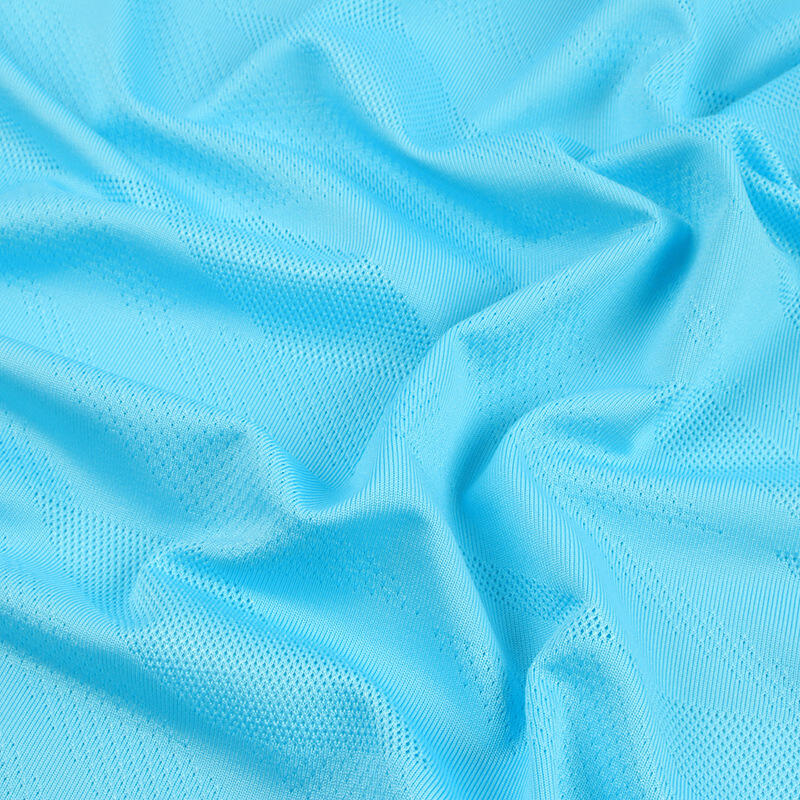
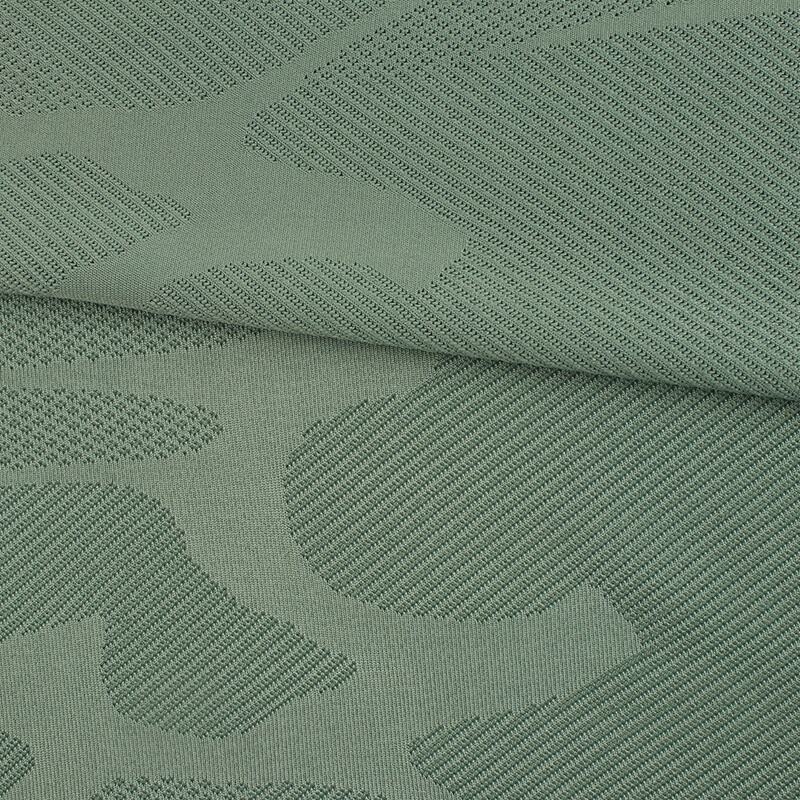
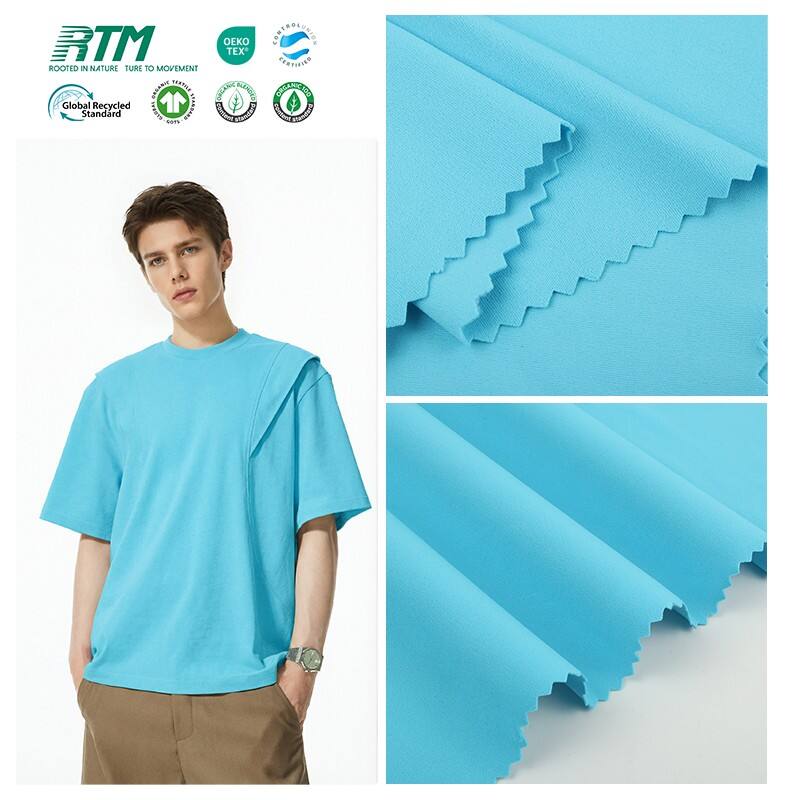
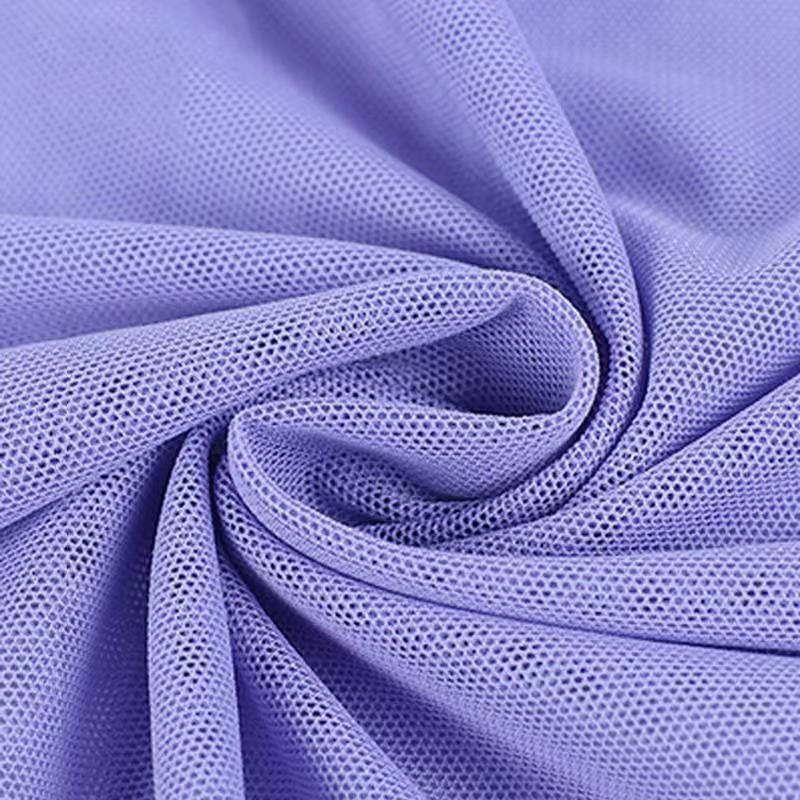
High quality polyester fabric sets the industry standard for durability and longevity, delivering exceptional performance that significantly outperforms traditional textile options. The material's molecular structure features strong polymer chains that resist mechanical stress, chemical degradation, and environmental damage throughout extended use cycles. Advanced manufacturing processes create uniform fiber density and consistent weave patterns that distribute stress evenly, preventing weak points that typically lead to premature failure in other fabrics. Laboratory testing demonstrates that high quality polyester fabric maintains 95% of its original tensile strength after 500 wash cycles, compared to cotton fabrics that typically retain only 60-70% of their initial strength under identical conditions. The fabric's resistance to abrasion exceeds military specifications, making it suitable for demanding applications including workwear, outdoor gear, and high-traffic commercial installations. UV stability testing reveals minimal degradation after 2000 hours of direct sunlight exposure, equivalent to approximately three years of typical outdoor use. This exceptional durability translates into substantial cost savings for consumers and businesses, as replacement frequency drops dramatically compared to natural alternatives. The material's ability to maintain structural integrity under repeated stress cycles makes it ideal for applications requiring consistent performance, such as medical textiles, automotive applications, and industrial uses. Chemical resistance properties ensure that exposure to common cleaning agents, perspiration, and environmental pollutants does not compromise the fabric's performance or appearance. Temperature cycling tests demonstrate that high quality polyester fabric maintains its properties across extreme temperature variations without developing brittleness, cracking, or dimensional changes. The fabric's resilience to mechanical damage, including punctures, tears, and pulls, provides users with confidence in product reliability and reduces the risk of unexpected failures during critical applications.