EN
EN


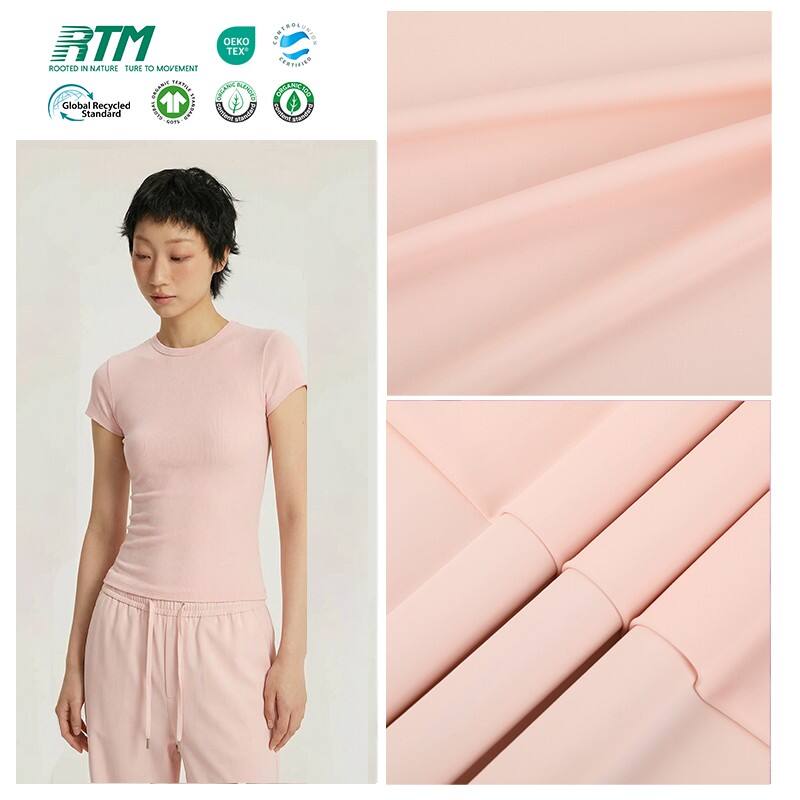
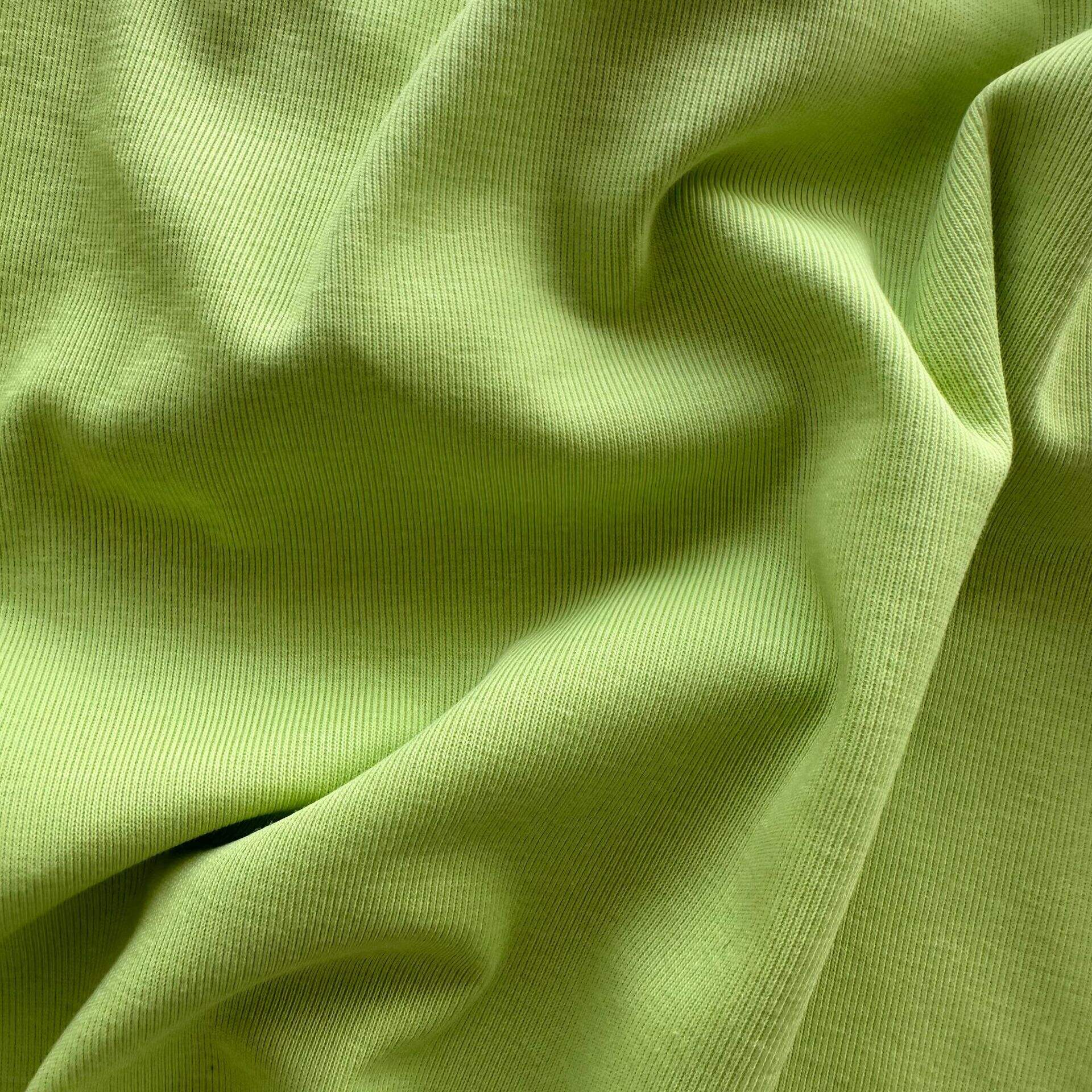
Uncompromised Skin Safety Through Chemical-Free Production
The most compelling feature of organic jersey cotton lies in its commitment to completely chemical-free production processes that prioritize your health and well-being above all else. Unlike conventional cotton manufacturing that relies heavily on synthetic pesticides, herbicides, fungicides, and chemical fertilizers, organic jersey cotton cultivation follows strict guidelines that prohibit the use of over 300 potentially harmful substances throughout the entire growing and processing cycle. This meticulous approach begins at the seed level, where only non-genetically modified, naturally occurring cotton varieties receive approval for organic certification. The farming process eliminates exposure to chlorpyrifos, glyphosate, and other neurotoxic compounds commonly found in traditional cotton production, substances that can remain as residues in finished fabrics and potentially transfer to your skin during wear. Processing facilities must demonstrate compliance with rigorous standards that prevent cross-contamination from conventional cotton sources, ensuring the integrity of every organic jersey cotton product. The dyeing and finishing processes utilize only approved natural and low-impact synthetic colorants that meet strict safety criteria for human contact, eliminating the risk of allergic reactions or skin sensitivities caused by harmful chemical residues. This comprehensive approach to safety makes organic jersey cotton particularly valuable for individuals with eczema, dermatitis, or chemical sensitivities who struggle to find comfortable clothing options. Parents especially appreciate the peace of mind that comes from dressing their children in garments free from potentially harmful chemical exposure, knowing that developing skin and immune systems remain protected from unnecessary toxic load. The certification process requires third-party verification and regular testing to ensure continued compliance, providing you with confidence that every purchase meets the highest safety standards available in the textile industry today.