EN
EN




Superior Chlorine Resistance and Longevity
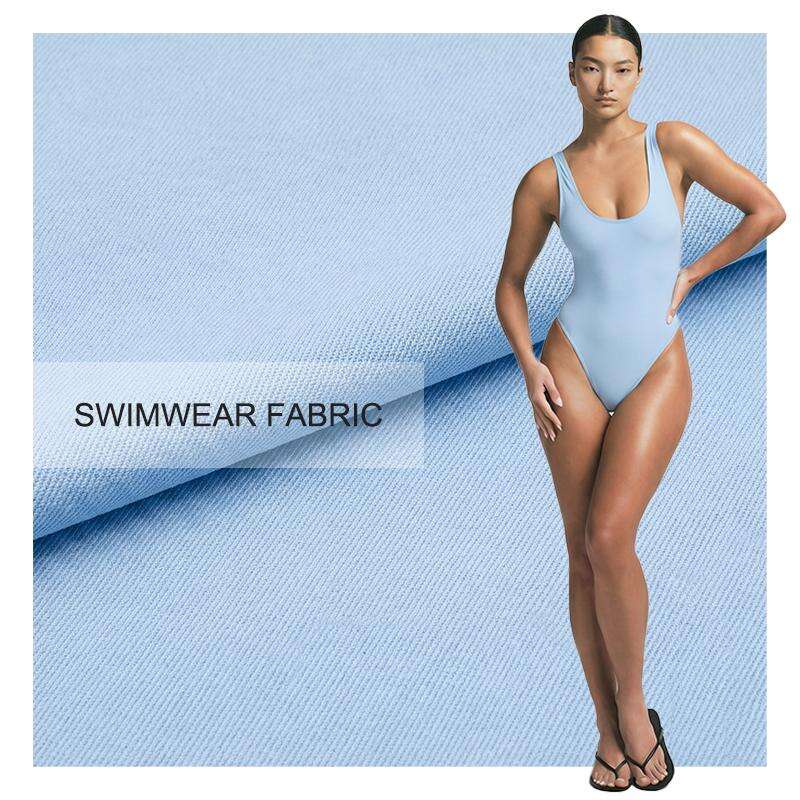
Nylon fabric for swimwear demonstrates exceptional resistance to chlorine degradation, a critical feature that sets it apart from other synthetic and natural fibers used in aquatic apparel. Traditional swimwear materials like cotton, polyester blends, and lower-grade synthetics deteriorate rapidly when exposed to the harsh chemical environment of chlorinated pools, leading to fiber breakdown, color loss, and structural failure within weeks of regular use. However, nylon fabric for swimwear undergoes specialized chemical treatments during manufacturing that create molecular bonds resistant to chlorine attack. This resistance stems from the fabric's inherent chemical structure, where the polymer chains maintain stability even under prolonged exposure to pool chemicals, salt water, and other aquatic treatments. The practical benefits for swimmers are substantial, as chlorine-resistant nylon fabric for swimwear maintains its original properties for months or even years of regular use, depending on usage frequency and care practices. Professional athletes and frequent swimmers particularly value this longevity because it ensures consistent performance characteristics throughout training cycles and competitive seasons. The economic advantages are equally compelling, as the extended lifespan of nylon fabric for swimwear reduces replacement costs significantly compared to inferior materials that require frequent replacement. This durability extends beyond chlorine resistance to include protection against UV degradation, salt water corrosion, and mechanical wear from pool surfaces and equipment. The fabric's molecular structure prevents the chain scission that causes other materials to become brittle and prone to tearing. Additionally, the chlorine resistance of nylon fabric for swimwear maintains the garment's compression properties, ensuring that the fit and support characteristics remain consistent over time rather than loosening as competing materials do when exposed to pool chemicals.