EN
EN



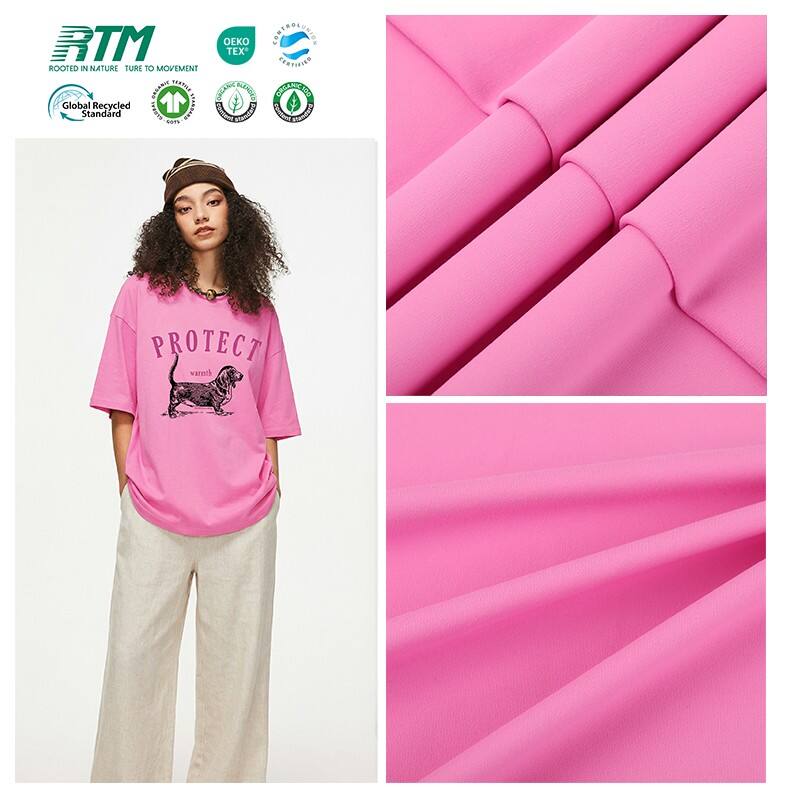
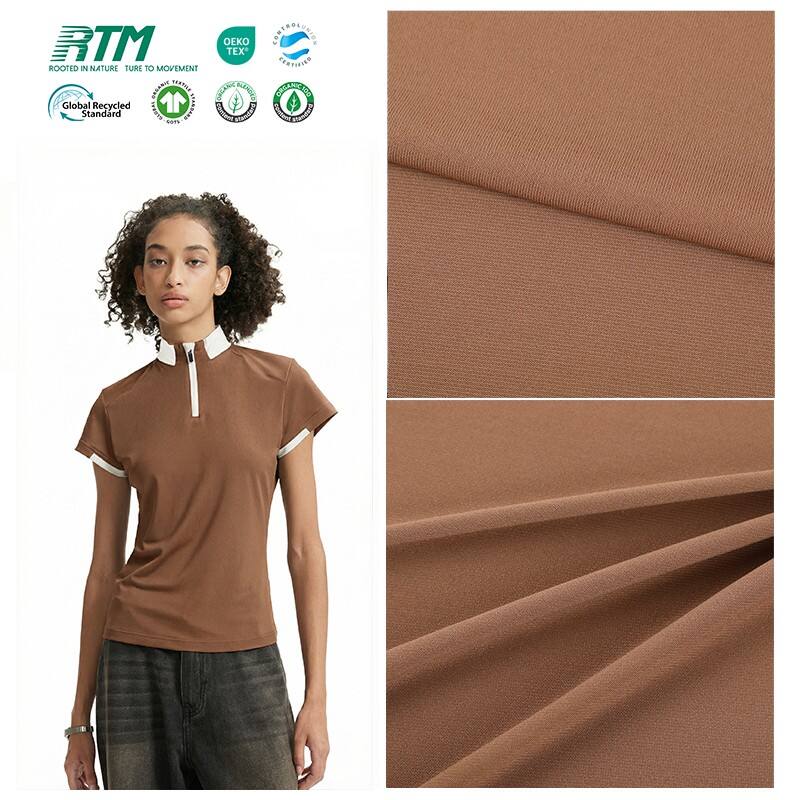
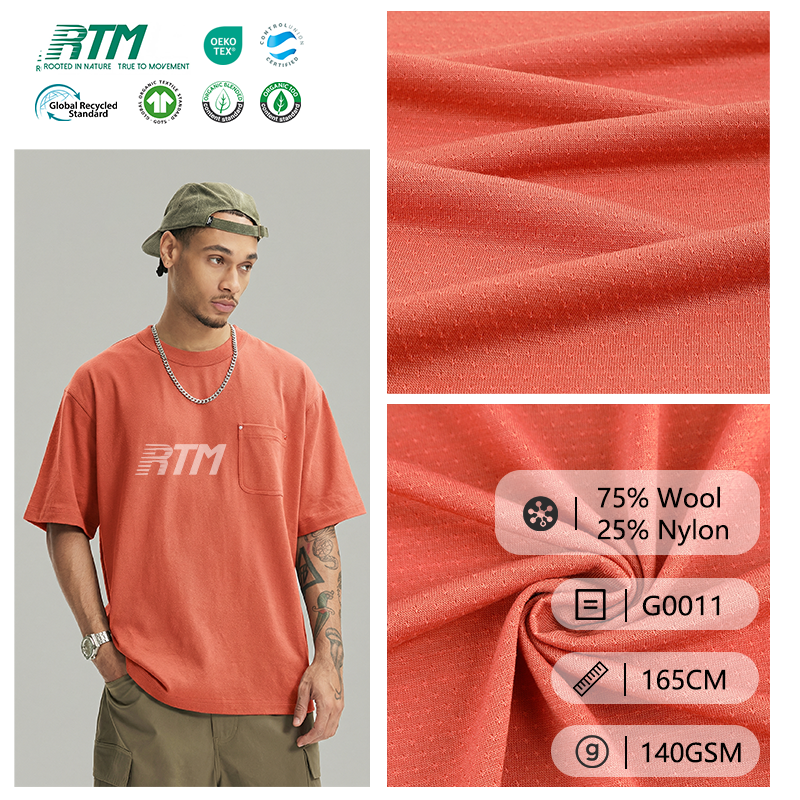
Superior Dimensional Stability and Shape Retention
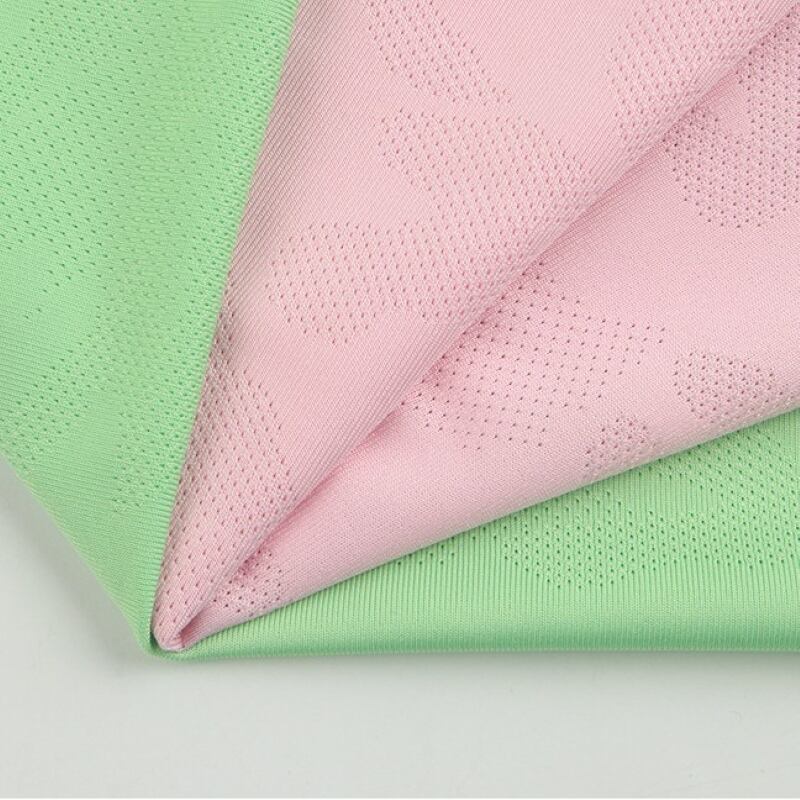
The exceptional dimensional stability of double interlock fabric stems from its unique construction method that creates a balanced structure resistant to distortion and stretching. This innovative knitting technique interlocks two separate fabric layers, creating a stable textile that maintains its original dimensions even under stress. The interlocking mechanism distributes tension evenly across the fabric surface, preventing localized stretching that commonly occurs in single-layer constructions. This stability proves particularly valuable in garment manufacturing, where consistent fabric behavior during cutting, sewing, and finishing operations ensures predictable results and reduces production waste. The shape retention properties extend beyond manufacturing benefits to provide long-term performance advantages for end users. Garments constructed from double interlock fabric resist the common problems of bagging at knees, stretching at cuffs, and distortion around seams that plague other knit constructions. The balanced structure prevents the fabric from developing permanent creases or wrinkles during normal wear, maintaining a professional appearance throughout the garment's lifespan. This dimensional stability also contributes to improved fit consistency, as the fabric returns to its original shape after stretching, ensuring garments continue to fit properly over time. The reduced tendency to curl at cut edges eliminates the need for special finishing techniques, simplifying manufacturing processes and reducing production costs. Quality control becomes more predictable when working with dimensionally stable double interlock fabric, as variations in stretch and recovery remain minimal across fabric rolls. This consistency enables manufacturers to achieve tighter tolerances in pattern making and grading, resulting in better-fitting finished products. The environmental impact also benefits from this stability, as longer-lasting garments reduce the need for frequent replacements, contributing to more sustainable consumption patterns.