EN
EN


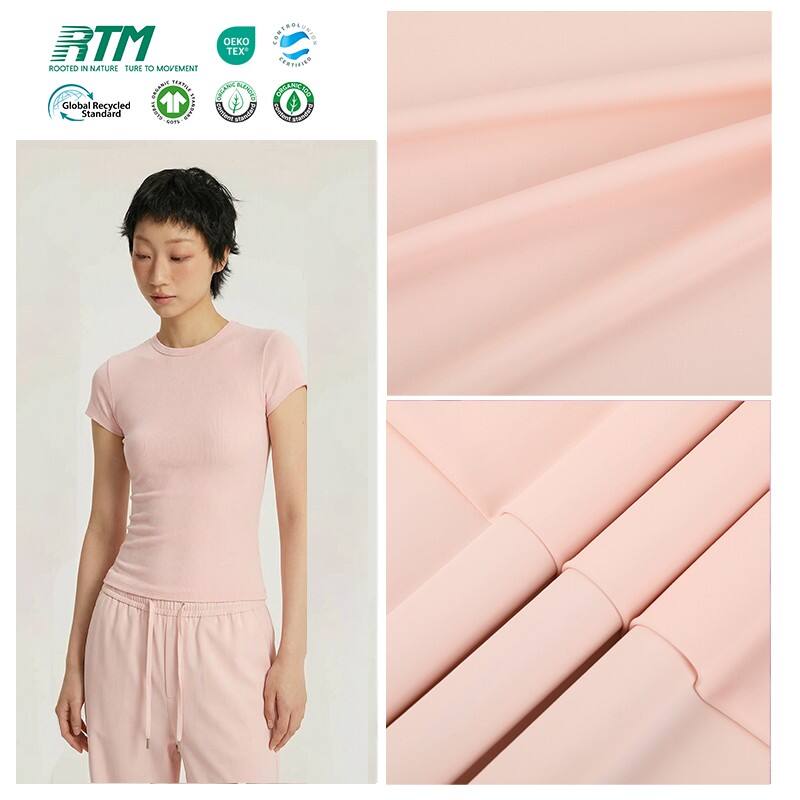
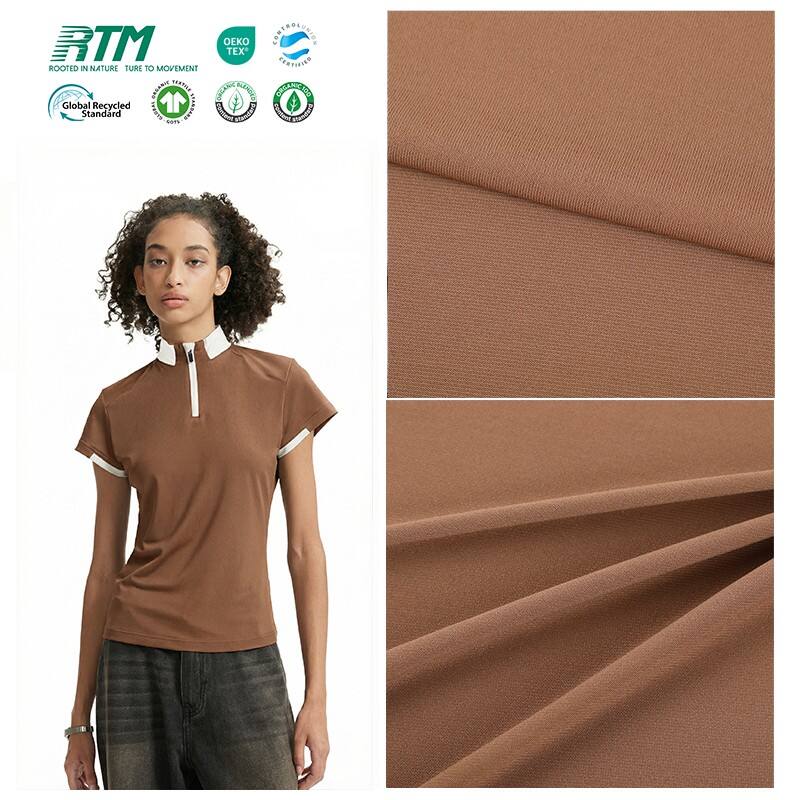
Exceptional Durability Through Premium Fiber Construction
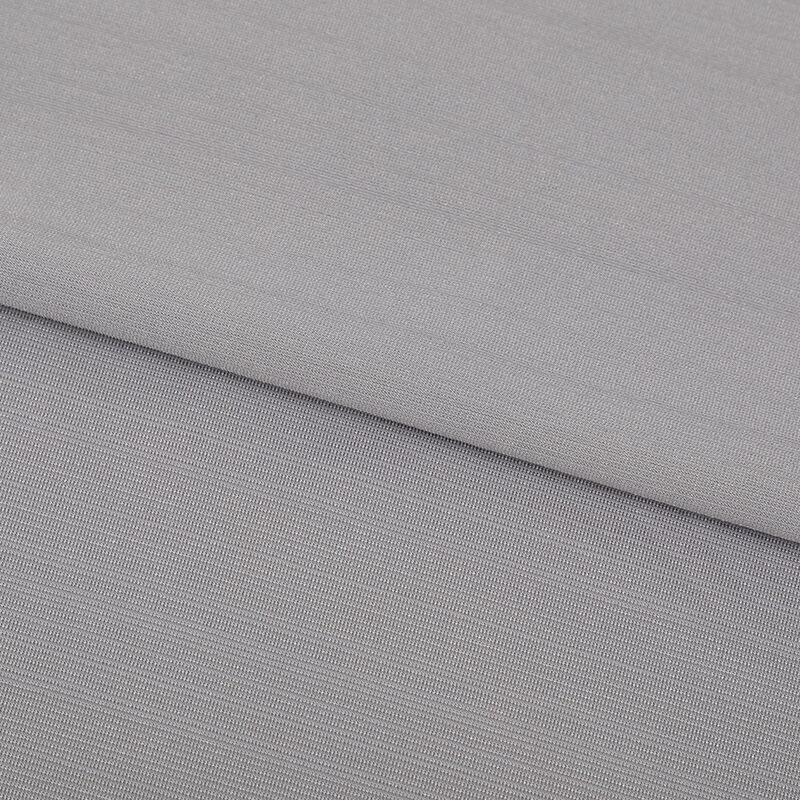
The exceptional durability of 100 pima cotton interlock fabric stems from its utilization of extra-long staple Pima cotton fibers combined with advanced interlock knitting technology. Pima cotton fibers measure significantly longer than conventional cotton varieties, typically ranging from 1.4 to 2.0 inches in length compared to regular cotton's 1.1 inch average. This extended fiber length creates fewer splice points during yarn production, resulting in smoother, stronger threads with reduced weak spots that could lead to fabric failure. The interlock knitting process further enhances durability by creating a double-knit structure where two separate fabric layers are mechanically interlocked together. This construction method distributes stress more evenly across the fabric surface, preventing localized wear patterns that commonly occur in single-knit fabrics. The interlocked layers provide mutual reinforcement, ensuring that if one layer experiences minor damage, the underlying layer maintains structural integrity. Manufacturing quality control measures ensure consistent fiber selection, utilizing only the highest grade Pima cotton that meets strict length, strength, and uniformity standards. Advanced spinning techniques create yarn with optimal twist levels that maximize fiber cohesion without compromising softness. The resulting fabric demonstrates superior tensile strength in both warp and weft directions, enabling garments to withstand regular wear stresses including stretching, bending, and friction. Washing durability becomes exceptional as the tightly interlocked structure resists fiber migration and maintains dimensional stability through multiple laundry cycles. Professional testing confirms that 100 pima cotton interlock fabric retains over 90 percent of its original tensile strength after 50 standard wash cycles, significantly outperforming conventional cotton fabrics. This durability translates into tangible customer benefits including longer garment lifespan, maintained appearance quality, and reduced replacement frequency, making it an intelligent investment for quality-conscious consumers seeking long-term value in their textile purchases.