Premium Interlock Fabric Supplier - Quality Knit Fabrics for Global Markets

Get a Free Quote

Our representative will contact you soon.
Email
Mobile/WhatsApp
Name
Company Name
Message
0/1000

interlock fabric supplier

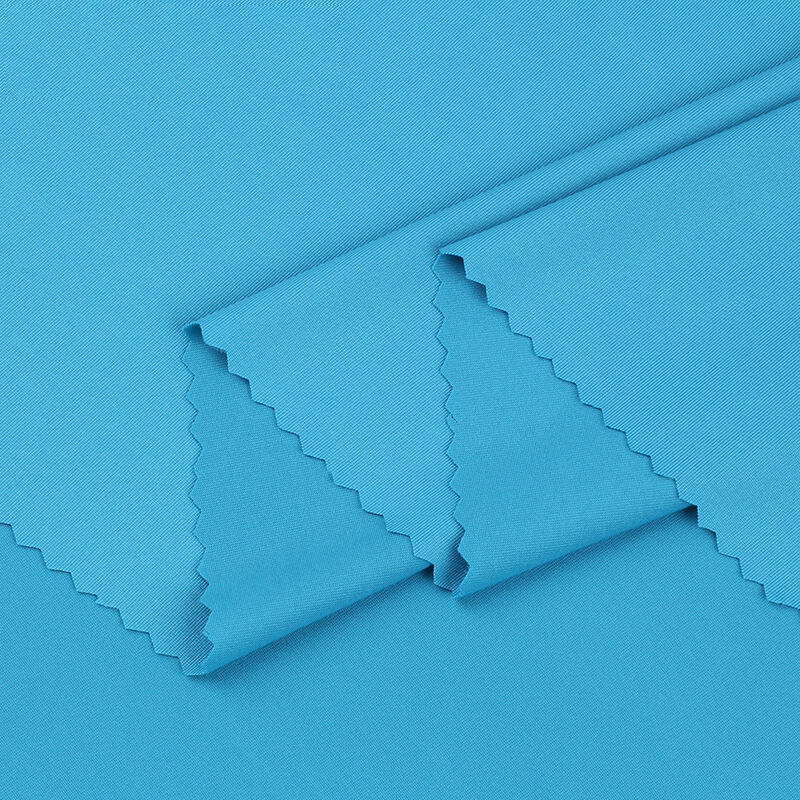
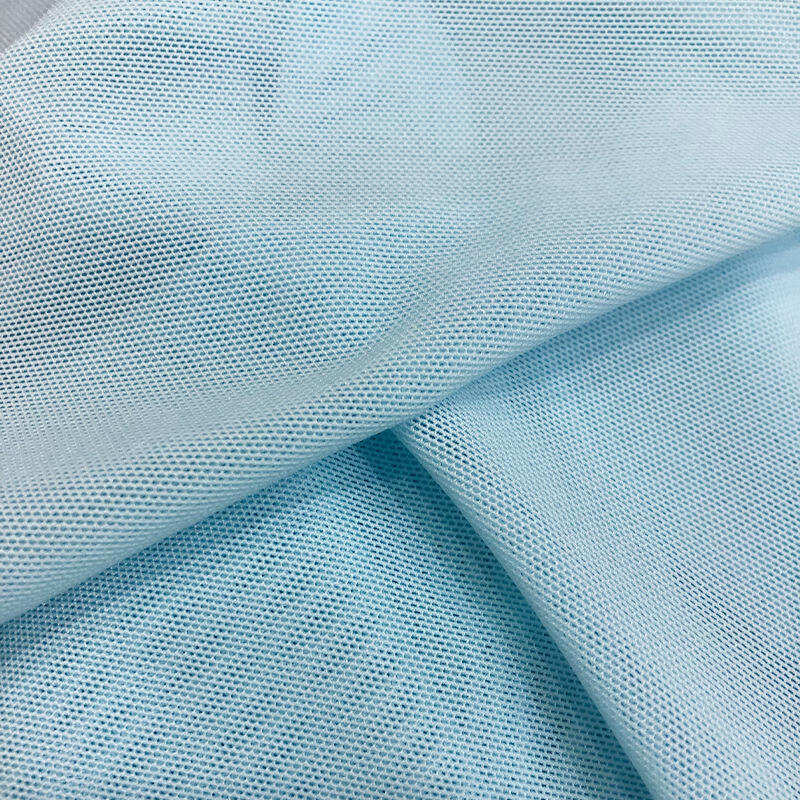
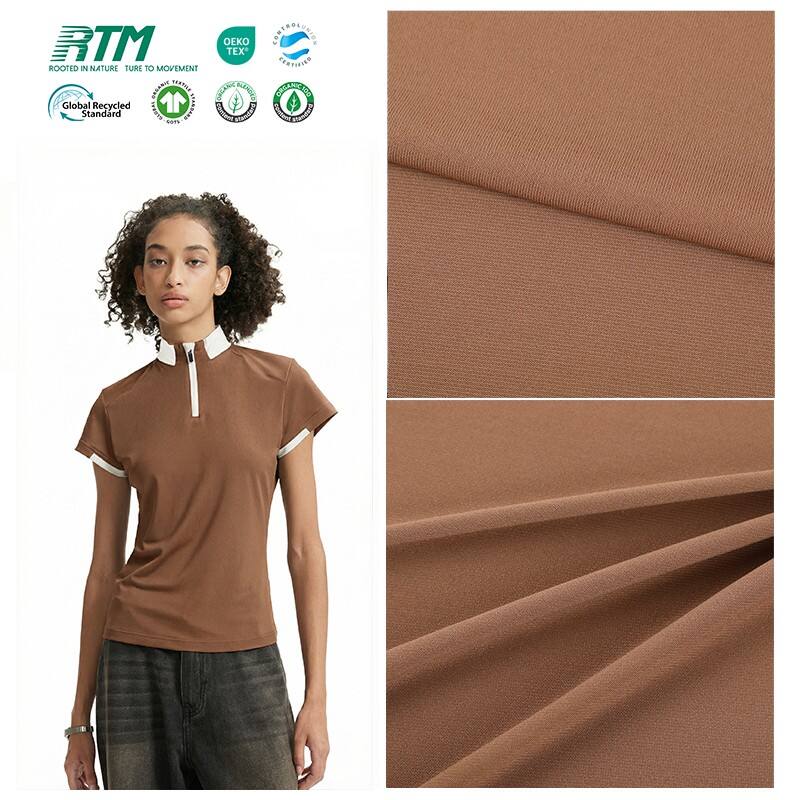
An interlock fabric supplier serves as a crucial partner in the textile industry, specializing in the production and distribution of high-quality interlock knit fabrics. These suppliers focus on manufacturing double-knit circular fabrics that feature interlocking loops on both sides, creating a stable, smooth, and durable material structure. The primary function of an interlock fabric supplier involves sourcing premium cotton, polyester, or blended fibers, processing them through advanced knitting machinery, and delivering finished products that meet specific industry standards. Modern interlock fabric suppliers utilize state-of-the-art circular knitting machines equipped with cylinder and dial needle beds that work simultaneously to create the characteristic interlocked structure. This technological approach ensures consistent fabric thickness, excellent dimensional stability, and superior stretch recovery properties. The manufacturing process incorporates computerized controls for precise gauge settings, tension management, and pattern variations, allowing suppliers to produce fabrics with different weights, textures, and performance characteristics. Quality control systems monitor every production stage, from fiber selection to final inspection, ensuring that each batch meets stringent specifications for colorfastness, shrinkage resistance, and mechanical properties. Interlock fabric suppliers cater to diverse market segments including apparel manufacturers, underwear brands, sportswear companies, and home textile producers. Their applications span across various product categories such as t-shirts, polo shirts, undergarments, activewear, pajamas, baby clothing, and bedding items. The versatility of interlock fabrics makes them suitable for both casual and performance-oriented garments, providing comfort, breathability, and durability. These suppliers often maintain extensive inventory systems, offer custom dyeing services, and provide technical support to help customers select appropriate fabric specifications for their specific applications, establishing themselves as essential partners in the global textile supply chain.

New Products

Working with a professional interlock fabric supplier delivers numerous practical benefits that directly impact your business operations and product quality. These suppliers maintain consistent inventory levels, ensuring reliable access to materials when you need them most. This reliability prevents production delays and helps you meet customer deadlines without compromise. The supplier's expertise in fabric construction translates to superior product performance, as they understand the technical requirements for different applications and can recommend optimal fabric specifications for your projects. Cost efficiency represents another significant advantage, as established interlock fabric suppliers leverage bulk purchasing power and streamlined production processes to offer competitive pricing. This cost advantage extends beyond initial purchase prices to include reduced waste, improved yield rates, and lower defect rates that minimize expensive production interruptions. Quality assurance programs implemented by reputable suppliers guarantee consistent fabric properties across all orders, reducing quality control costs and customer complaints. Their testing facilities verify colorfastness, dimensional stability, pilling resistance, and other critical performance metrics before shipment. Technical support services provided by interlock fabric suppliers prove invaluable for product development and troubleshooting. Their specialists can advise on fabric selection, care instructions, and processing techniques that optimize manufacturing efficiency. This expertise helps you avoid costly mistakes and accelerates time-to-market for new products. Customization capabilities allow you to differentiate your products in competitive markets, as suppliers can adjust fabric weight, texture, color, and finishing treatments to meet specific requirements. Sustainability initiatives adopted by modern interlock fabric suppliers align with growing consumer demands for environmentally responsible products. Many suppliers now offer organic cotton options, recycled fiber blends, and eco-friendly dyeing processes that support your sustainability goals while maintaining product quality. Supply chain transparency provided by established suppliers includes detailed documentation of fiber sources, manufacturing processes, and quality test results. This transparency supports compliance with industry regulations and customer auditing requirements. Geographic distribution networks maintained by major suppliers ensure faster delivery times and reduced shipping costs, particularly for international operations. Their logistics expertise handles complex import-export procedures, reducing administrative burdens on your team. Innovation partnerships with interlock fabric suppliers provide early access to new fiber technologies, finishing treatments, and performance enhancements that keep your products ahead of market trends.

Latest News

Get a Free Quote

Our representative will contact you soon.
Email
Mobile/WhatsApp
Name
Company Name
Message
0/1000

interlock fabric supplier

Advanced Manufacturing Technology and Quality Control

Advanced Manufacturing Technology and Quality Control

Leading interlock fabric suppliers distinguish themselves through cutting-edge manufacturing technology that ensures superior product consistency and performance. Their facilities feature the latest generation circular knitting machines with computerized controls that precisely manage needle selection, yarn tension, and stitch formation. This technological sophistication enables production of interlock fabrics with exceptional uniformity in weight, thickness, and surface appearance across entire production runs. The automated systems continuously monitor critical parameters such as fabric width, course density, and defect detection, immediately alerting operators to any deviations from specifications. Quality control laboratories equipped with advanced testing equipment verify fabric properties including tensile strength, elongation, dimensional stability, and color consistency. These comprehensive testing protocols ensure that every batch meets or exceeds customer expectations and industry standards. The supplier's investment in technology extends to sustainable manufacturing practices, incorporating water recycling systems, energy-efficient machinery, and waste reduction protocols that minimize environmental impact while maintaining production efficiency. Digital fabric inspection systems utilize high-resolution cameras and artificial intelligence algorithms to detect microscopic defects that human inspectors might miss, ensuring only perfect fabrics reach customers. Real-time production monitoring dashboards provide complete visibility into manufacturing progress, allowing for proactive scheduling adjustments and immediate response to quality issues. The integration of Enterprise Resource Planning systems enables seamless coordination between production planning, inventory management, and customer communications, resulting in improved delivery accuracy and shortened lead times. Temperature and humidity controls throughout the manufacturing facility maintain optimal conditions for consistent fiber processing and dimensional stability. Regular equipment maintenance schedules and operator training programs ensure continuous improvement in production capabilities and product quality. This technological excellence translates directly into reduced defect rates, improved customer satisfaction, and stronger long-term partnerships between suppliers and their clients.
Comprehensive Product Range and Customization Services

Comprehensive Product Range and Customization Services

A professional interlock fabric supplier offers an extensive product portfolio that accommodates diverse customer needs across multiple market segments. Their comprehensive range includes various fiber compositions from 100% cotton and polyester to sophisticated blends incorporating bamboo, modal, and performance fibers. Weight options span from lightweight 140 GSM fabrics suitable for undergarments to heavyweight 220 GSM materials perfect for outerwear applications. Surface treatments and finishes available through these suppliers include moisture-wicking coatings, antimicrobial treatments, UV protection, and flame-retardant properties that enhance fabric functionality for specific end uses. Color capabilities encompass standard shade cards with hundreds of options plus custom color matching services that can replicate any specified color within tight tolerance limits. The supplier's dyeing expertise includes solid colors, heathers, space-dyed effects, and specialty techniques like tie-dye and ombre patterns. Customization services extend to fabric construction modifications, allowing adjustment of stretch properties, surface texture, and thermal characteristics to match unique performance requirements. Technical support teams work closely with customers to develop custom specifications, providing detailed recommendations on fiber selection, construction parameters, and finishing treatments based on intended applications. Sample development services enable customers to evaluate multiple options before committing to production quantities, with rapid turnaround times for prototype fabrics. The supplier's design capabilities include creating exclusive patterns, textures, and color combinations that help customers differentiate their products in competitive markets. Minimum order quantities are structured to accommodate both large-scale manufacturers and smaller specialty brands, with flexible ordering systems that adapt to varying production schedules. Private labeling options allow customers to maintain brand consistency throughout their supply chain, with customized packaging and documentation that reinforces brand identity. Seasonal color trend forecasting services help customers stay ahead of market demands, with early access to trending colors and pattern developments. The supplier's global sourcing network ensures access to specialty fibers and treatments that may not be available through regional suppliers, expanding the possibilities for innovative product development.
Reliable Supply Chain and Global Distribution Network

Reliable Supply Chain and Global Distribution Network

Exceptional interlock fabric suppliers maintain robust supply chain networks that ensure consistent product availability and reliable delivery performance worldwide. Their strategic partnerships with fiber producers, yarn manufacturers, and logistics providers create redundant supply paths that minimize disruption risks and maintain continuous production capabilities. Multiple manufacturing locations across different geographic regions provide supply chain resilience while enabling competitive shipping costs and faster delivery times to customers globally. Sophisticated inventory management systems track raw material levels, work-in-progress, and finished goods across all locations, providing real-time visibility into product availability and production capacity. These systems utilize demand forecasting algorithms that analyze historical purchasing patterns, seasonal trends, and market indicators to optimize inventory levels and prevent stockouts. The supplier's logistics expertise encompasses international shipping regulations, customs documentation, and trade compliance requirements that streamline the import process for customers worldwide. Dedicated customer service teams in multiple time zones ensure responsive communication and rapid resolution of any supply chain issues. Emergency response protocols enable expedited production and shipping for urgent customer requirements, with backup suppliers and alternative routing options that maintain delivery commitments even during unexpected disruptions. Quality certification programs ensure that all manufacturing locations maintain consistent standards, with regular audits and cross-facility quality comparisons that verify product consistency across the global network. The supplier's digital platform provides customers with real-time order tracking, inventory status updates, and delivery notifications that enhance supply chain transparency and planning accuracy. Consolidated shipping options reduce transportation costs for customers with multiple product lines, while express delivery services accommodate urgent requirements. The global distribution network includes strategically located warehouses that enable regional inventory positioning, reducing lead times and shipping costs for frequent customers. Partnership agreements with major logistics providers ensure competitive shipping rates and reliable delivery performance to even remote destinations. Risk management protocols include contingency planning for natural disasters, political instability, and other potential supply chain disruptions. These comprehensive supply chain capabilities provide customers with confidence in consistent product availability, predictable delivery schedules, and responsive support that enables optimal production planning and customer service performance.

Get a Free Quote

Our representative will contact you soon.
Email
Mobile/WhatsApp
Name
Company Name
Message
0/1000