
 EN
EN



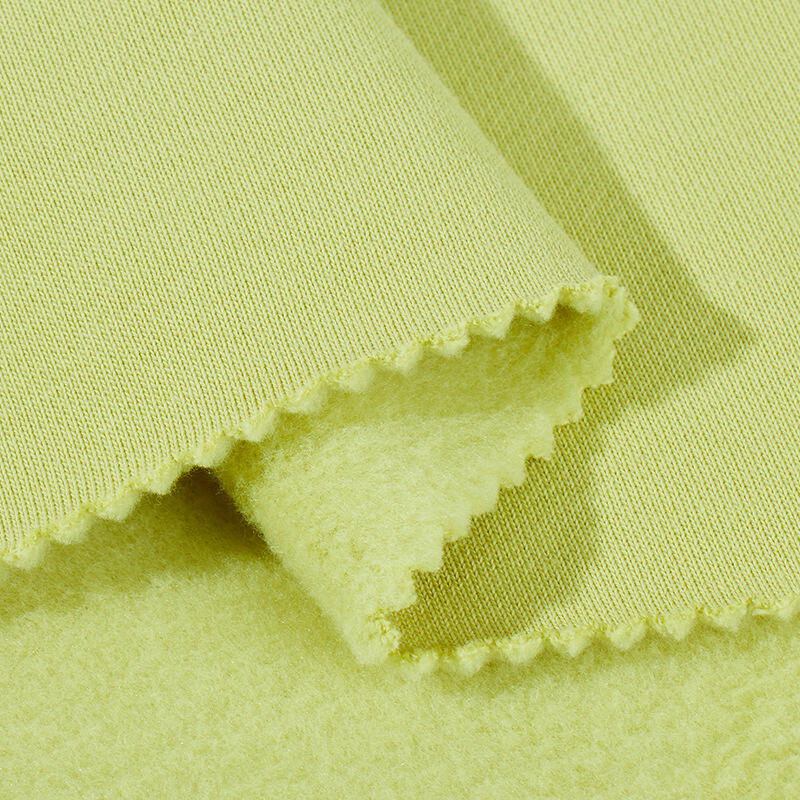
Selecting the softest fleece fabric for baby blankets and wraps requires careful consideration of material composition, texture quality, and safety standards. Parents and manufacturers alike seek the ultimate combination of comfort, durability, and gentleness against delicate baby skin. The softest fleece fabric options available today incorporate advanced textile technologies that deliver exceptional tactile experiences while maintaining practical benefits like easy care and long-lasting performance. Understanding the key characteristics that define superior fleece quality empowers consumers to make informed decisions when choosing materials for infant bedding and clothing applications.
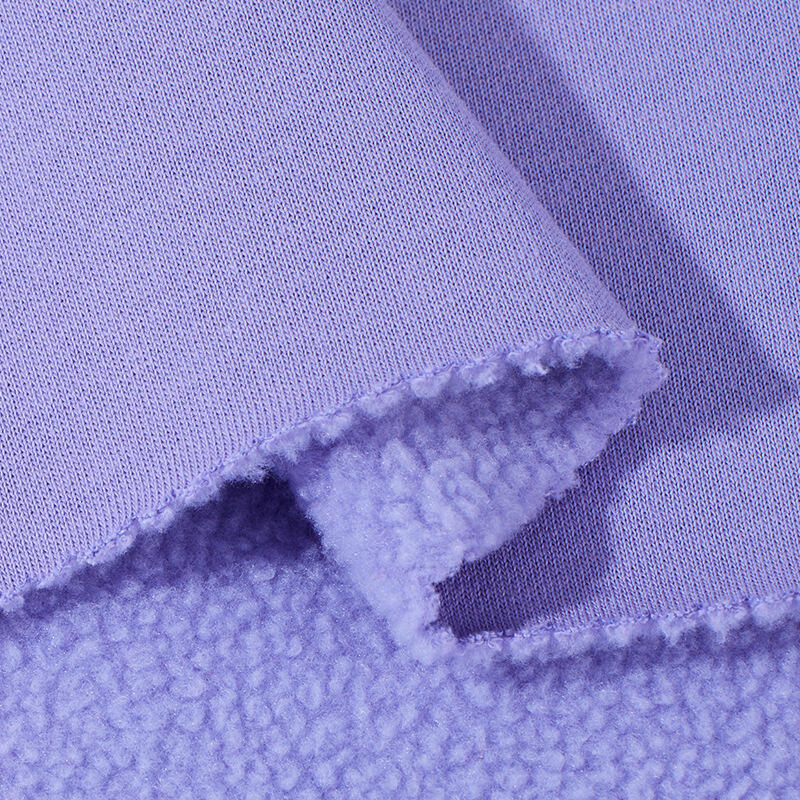
Understanding Fleece Fabric Composition for Baby Applications
Polyester Blend Advantages in Baby Textiles
Modern fleece manufacturing utilizes sophisticated polyester blending techniques to achieve the softest fleece fabric characteristics essential for baby products. High-quality polyester fleece typically contains 95% polyester combined with 5% spandex or elastane, creating a perfect balance between softness and flexibility. This composition ensures that baby blankets maintain their shape while providing gentle stretch that accommodates infant movement during sleep. The polyester component delivers exceptional moisture-wicking properties, keeping babies dry and comfortable throughout extended use periods.
Premium fleece fabrics undergo specialized brushing processes that create microscopic fiber loops on both sides of the material. These double-sided brushed surfaces contribute significantly to the overall softness perception while enhancing thermal insulation properties. The brushing technique also increases the fabric's surface area, allowing for improved air circulation and temperature regulation. This feature becomes particularly important when selecting fleece materials for baby blankets that must provide warmth without causing overheating.
Fiber Quality Standards for Infant Comfort
The softest fleece fabric for baby applications must meet stringent quality standards regarding fiber fineness and uniformity. Microfiber technology enables manufacturers to produce fleece with individual filaments measuring less than one denier, resulting in incredibly smooth textures that feel silk-like against sensitive skin. These ultra-fine fibers create dense pile structures that trap air effectively while maintaining lightweight characteristics essential for infant bedding products.
Manufacturing processes for premium baby fleece incorporate anti-pilling treatments that prevent fiber degradation over time. These treatments ensure that the fabric maintains its initial softness even after numerous washing cycles, providing long-term value for consumers. Quality control measures during production include tactile testing protocols that verify consistency across fabric batches, ensuring every yard meets the high standards required for baby textile applications.
Evaluating Texture and Hand Feel Characteristics
Tactile Assessment Methods for Fleece Selection
Professional evaluation of fleece softness involves multiple sensory assessment techniques that determine suitability for baby products. The hand feel test remains the most reliable method for evaluating the softest fleece fabric options, involving gentle stroking motions that simulate how the material will interact with baby skin. Experienced textile professionals assess factors including surface smoothness, fiber density, and resilience when compressed. These characteristics directly influence comfort levels and determine whether a particular fleece grade meets baby blanket requirements.
Fabric drape analysis provides additional insights into fleece quality, as the softest fleece fabric typically exhibits excellent flexibility and conformability. High-quality fleece should flow naturally when held, indicating proper fiber alignment and optimal yarn construction. Stiff or rigid fleece materials often contain inferior fiber blends or inadequate processing techniques that compromise softness and comfort. The ideal fleece for baby applications demonstrates consistent texture across the entire surface without variations in pile height or density.
Surface Texture Optimization Techniques
Advanced manufacturing processes employ various surface treatment methods to maximize fleece softness for baby applications. Enzyme washing techniques break down harsh fiber surfaces, creating smoother textures that enhance comfort against delicate skin. These biological treatments selectively target specific fiber components without compromising overall fabric integrity or durability. The resulting material exhibits significantly improved hand feel characteristics while retaining essential performance properties like moisture management and thermal regulation.
Mechanical brushing systems utilize specialized equipment to create uniform pile surfaces that contribute to the perception of exceptional softness. Multiple brushing stages progressively refine fiber surfaces, removing any rough elements that could cause skin irritation. The softest fleece fabric undergoes intensive quality checks throughout these processes to ensure consistent results that meet stringent baby product safety standards.
Safety Considerations for Baby Fleece Products
Chemical Safety and Hypoallergenic Properties
Selecting the softest fleece fabric for baby products requires thorough evaluation of chemical treatments and potential allergen sources. Premium baby fleece manufacturers utilize OEKO-TEX Standard 100 certified processes that eliminate harmful substances throughout production. These certifications guarantee that finished fabrics contain no residual chemicals that could cause skin irritation or allergic reactions in sensitive infants. Testing protocols examine over 100 different substances including formaldehyde, heavy metals, and aromatic amines to ensure complete safety compliance.
Hypoallergenic fleece options specifically designed for baby applications undergo additional purification processes that remove potential allergens from fiber surfaces. These treatments include specialized washing cycles that eliminate manufacturing residues and natural protein deposits that could trigger allergic responses. The softest fleece fabric suitable for babies must demonstrate proven compatibility with sensitive skin through clinical testing and dermatological evaluation. Documentation from independent testing laboratories provides verification of hypoallergenic properties essential for infant textile selection.
Durability and Maintenance Safety Features
Long-term safety considerations for baby fleece include fabric durability under repeated washing and normal use conditions. The softest fleece fabric must maintain its integrity without fiber shedding that could create inhalation hazards for infants. High-quality fleece construction utilizes secure yarn spinning techniques that prevent fiber release even with aggressive washing cycles. Colorfastness testing ensures that dyes remain stable during laundering, preventing color transfer that could stain baby skin or other textiles.
Fire safety regulations for baby textiles require specific compliance measures that influence fleece selection criteria. While natural flame resistance properties of synthetic fleece provide inherent safety benefits, manufacturers must balance these characteristics with softness requirements. The optimal fleece for baby products meets all relevant safety standards without incorporating chemical flame retardants that could compromise fabric softness or pose health risks. Third-party testing verification documents these safety compliance measures for consumer confidence.
Performance Features of Premium Baby Fleece
Moisture Management and Breathability
The softest fleece fabric for baby applications must demonstrate superior moisture management capabilities that keep infants comfortable during sleep and active periods. Advanced fiber engineering creates capillary action systems within fleece structures that efficiently transport moisture away from skin surfaces. These wicking properties prevent dampness accumulation that could lead to discomfort or skin irritation. Proper moisture management also helps maintain optimal body temperature regulation essential for infant health and sleep quality.
Breathability characteristics of premium fleece enable air circulation that prevents overheating while maintaining necessary warmth for baby comfort. The microscopic air pockets created by brushed fiber surfaces facilitate thermal regulation without compromising insulation properties. This balance proves particularly important for baby blankets that must adapt to varying environmental conditions and infant activity levels. Testing protocols measure air permeability rates to ensure fleece materials provide appropriate ventilation for safe infant use.
Thermal Regulation and Insulation Properties
Effective thermal regulation represents a critical performance feature for the softest fleece fabric used in baby products. Advanced fleece construction creates multiple insulation layers within the fabric structure, trapping warm air while allowing excess heat to escape. This dynamic thermal management prevents both overheating and heat loss, maintaining consistent comfort levels regardless of external temperature variations. The ideal fleece weight for baby applications provides adequate warmth without excessive bulk that could restrict infant movement.
Seasonal adaptability of premium fleece materials enables year-round use in various climate conditions. Lightweight fleece options offer gentle warmth suitable for mild weather, while medium-weight varieties provide enhanced insulation for cooler environments. The softest fleece fabric formulations incorporate temperature-responsive properties that automatically adjust thermal performance based on ambient conditions. This adaptability ensures optimal comfort across different seasons and indoor temperature settings commonly encountered in homes and nurseries.
Manufacturing Quality Indicators
Production Process Excellence Standards
Identifying the softest fleece fabric requires understanding key manufacturing quality indicators that distinguish premium products from standard alternatives. State-of-the-art production facilities utilize computerized knitting systems that create uniform fabric structures with consistent pile heights and density distributions. These automated processes eliminate variations that could compromise softness or create rough textures unsuitable for baby applications. Quality monitoring systems continuously evaluate fabric parameters throughout production to ensure every yard meets established softness standards.
Yarn preparation techniques significantly influence final fabric softness, with premium manufacturers employing specialized fiber conditioning processes before knitting. These treatments align individual fibers optimally and remove any irregularities that could create harsh surfaces. The softest fleece fabric production incorporates multiple quality checkpoints where tactile evaluation confirms softness levels meet specifications. Advanced testing equipment measures fabric compression recovery and surface friction coefficients to quantify softness characteristics objectively.
Finishing Techniques for Enhanced Softness
Professional finishing processes transform standard fleece into the softest fleece fabric suitable for demanding baby product applications. Steam setting procedures relax fabric tensions and optimize fiber positioning for maximum softness perception. These controlled thermal treatments also stabilize fabric dimensions, preventing shrinkage or distortion during subsequent washing cycles. Specialized conditioning agents applied during finishing enhance fiber flexibility and surface smoothness without compromising fabric performance or safety characteristics.
Final inspection protocols for baby fleece include comprehensive evaluation of surface characteristics, dimensional stability, and overall quality consistency. Trained technicians perform tactile assessments using standardized procedures that simulate actual use conditions. The softest fleece fabric must pass rigorous testing requirements including colorfastness evaluation, shrinkage analysis, and pilling resistance measurements. Documentation of these quality control measures provides assurance that finished products meet the high standards required for infant textile applications.
Comparison of Fleece Types for Baby Use
Micro Fleece versus Standard Fleece Options
Micro fleece represents the pinnacle of softness technology, utilizing ultra-fine fibers that create the softest fleece fabric available for baby products. These specialized materials feature individual filaments measuring less than 0.9 denier, resulting in exceptionally smooth textures that rival natural silk in softness perception. Micro fleece construction enables manufacturers to achieve higher pile densities while maintaining lightweight characteristics essential for infant comfort. The enhanced surface area created by micro fibers improves moisture wicking and thermal regulation properties compared to standard fleece alternatives.
Standard fleece materials, while more economical, typically utilize larger fiber diameters that may not provide the ultimate softness required for sensitive baby skin. However, high-quality standard fleece can still offer excellent performance when manufactured using advanced production techniques and premium polyester blends. The choice between micro and standard fleece depends on specific application requirements, budget considerations, and desired performance characteristics. For premium baby products, micro fleece generally provides superior comfort and performance benefits that justify the additional investment.
Specialty Fleece Formulations for Infant Applications
Specialized fleece formulations developed specifically for baby products incorporate unique fiber blends and processing techniques that optimize softness and safety characteristics. Bamboo-polyester hybrid fleece combines natural antimicrobial properties with synthetic durability, creating materials that resist odor and bacterial growth. These innovative blends maintain the essential softness characteristics while providing additional hygiene benefits important for infant health. The softest fleece fabric in this category often features organic fiber components that appeal to environmentally conscious consumers seeking natural alternatives.
Temperature-regulating fleece incorporates phase-change materials or moisture-responsive fibers that automatically adjust thermal properties based on environmental conditions. These advanced formulations provide dynamic comfort that adapts to infant needs throughout sleep cycles and daily activities. Premium manufacturers continue developing new fleece technologies that enhance softness while incorporating additional functional benefits like UV protection or enhanced durability. Selection of specialty fleece options requires careful evaluation of specific performance requirements and safety certifications relevant to infant product applications.
FAQ
What makes fleece fabric suitable for baby blankets and wraps
The softest fleece fabric designed for baby products combines exceptional tactile comfort with practical performance benefits essential for infant care. Premium fleece materials utilize ultra-fine polyester fibers that create silk-like textures gentle enough for sensitive baby skin while providing reliable warmth and moisture management. The lightweight nature of quality fleece prevents overheating risks while maintaining adequate thermal insulation for infant comfort. Additionally, fleece fabrics demonstrate excellent washability and quick-drying properties that simplify care routines for busy parents.
How can parents identify the highest quality fleece for baby products
Identifying premium fleece requires evaluation of several key characteristics including fiber fineness, surface smoothness, and overall hand feel quality. The softest fleece fabric should feel uniformly smooth across the entire surface without rough patches or irregular textures. Parents should look for OEKO-TEX Standard 100 certification labels that guarantee freedom from harmful chemicals and allergens. Quality fleece also demonstrates excellent recovery after compression, returning to its original thickness when pressure is released, indicating proper construction and durability.
What fiber blend ratios provide optimal softness for baby fleece
The ideal fiber composition for baby fleece typically contains 95% high-quality polyester combined with 5% spandex or elastane to achieve optimal softness and flexibility. This blend ratio provides the perfect balance between tactile comfort and practical performance characteristics. The polyester component delivers durability and moisture-wicking properties while the elastane addition enhances fabric flexibility and shape retention. Premium manufacturers utilize microfiber technology within this blend composition to create the softest fleece fabric possible while maintaining essential performance features required for baby product applications.
Are there specific safety certifications required for baby fleece products
Baby fleece products must comply with various safety certifications depending on the intended market and application. OEKO-TEX Standard 100 certification represents the most comprehensive safety verification, testing for over 100 harmful substances and ensuring chemical safety compliance. CPSIA regulations in the United States establish specific requirements for lead content and phthalate restrictions in children's products. The softest fleece fabric manufacturers typically obtain multiple certifications including GREENGUARD Gold for low chemical emissions and various international safety standards that demonstrate commitment to infant health and safety priorities.