EN
EN



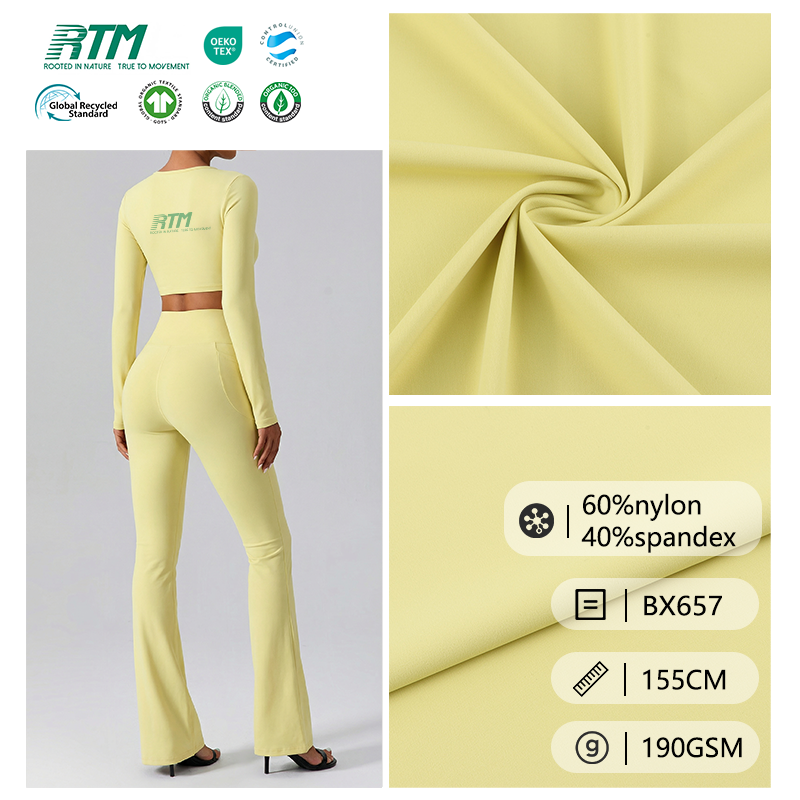
Teknolohiyang Advanced Moisture Management
Ang sistema ng pamamahala ng kahalumigan na isinama sa tela ng yoga print ay kumakatawan sa isang napakalaking pag-unlad sa inhinyeriyang pang-athletic na tela, na gumagamit ng sopistikadong istruktura ng hibla na aktibong inililipat ang pawis mula sa katawan. Ginagamit ng teknolohiyang ito ang isang maramihang antas na paraan kung saan hinuhuli ang kahalumigan sa interface ng balat at agad na dinadala sa pamamagitan ng mga espesyal na daanan sa loob ng matrix ng tela. Ang panloob na ibabaw ay may mga katangiang hydrophobic na tumututol sa kahalumigan habang pinapanatili ang tuyo at komportableng pakiramdam laban sa balat, samantalang ang panlabas na ibabaw ay may mga katangiang hydrophilic na humihikayat at kumakalat ng kahalumigan para sa mas mabilis na pagbuhos. Ang sistemang dalawang aksyon na ito ay nagsisigurong manatiling komportable at nakatuon ang mga nagpapakasanay sa kanilang sesyon ng yoga, anuman ang antas ng intensidad o kondisyon ng kapaligiran. Ang capillary action na nilikha ng natatanging pagkakaayos ng mga hibla ay tinatularan ang likas na proseso ng pagnanais, na dinala ang pawis pahalang sa ibabaw ng tela upang maksimunin ang lugar ng pagbuhos. Ito ay nagpapigil sa pagtitipon ng kahalumigan sa anumang iisang lokasyon, na maaaring magdulot ng kawalan ng kcomfort, iritasyon sa balat, o pagdami ng bakterya. Ang mga katangian ng pamamahala ng kahalumigan ng tela ng yoga print ay nananatiling epektibo sa buong buhay ng damit, dahil ang teknolohiya ay isinasama sa lebel ng molekula noong paggawa nito, imbes na ilapat bilang isang surface treatment na maaaring mawala sa paghuhugas sa paglipas ng panahon. Ang mga pagsusuri ay nagpapakita na ang mga damit na gawa sa materyal na ito ay tumutuyo hanggang tatlong beses na mas mabilis kaysa sa tradisyonal na kapalit na tela ng cotton, na nagpapababa nang malaki sa oras na kailangan sa pagitan ng bawat paggamit at binabawasan ang posibilidad ng pagbuo ng amoy. Ang mas mataas na kakayahang huminga na dulot ng sistemang ito ng pamamahala ng kahalumigan ay nakatutulong din sa regulasyon ng temperatura, na tumutulong sa mga nagpapakasanay na mapanatili ang optimal na init ng katawan habang nagpapakasanay. Napakahalaga ng teknolohiyang ito lalo na sa mga sesyon ng mainit na yoga o mataas na intensity na vinyasa flows kung saan ang labis na pagpapawis ay maaaring makagambala sa grip at stability. Bukod dito, ang mga kakayahan sa pag-alis ng kahalumigan ay nagpapahaba rin ng buhay ng mga damit mismo, dahil binabawasan nito ang pagkakalantad sa kahalumigan na karaniwang nagdudulot ng pagkasira ng tela, pagpapalabas ng kulay, at pagdami ng bakterya na nagdudulot ng matagalang amoy.