
 EN
EN



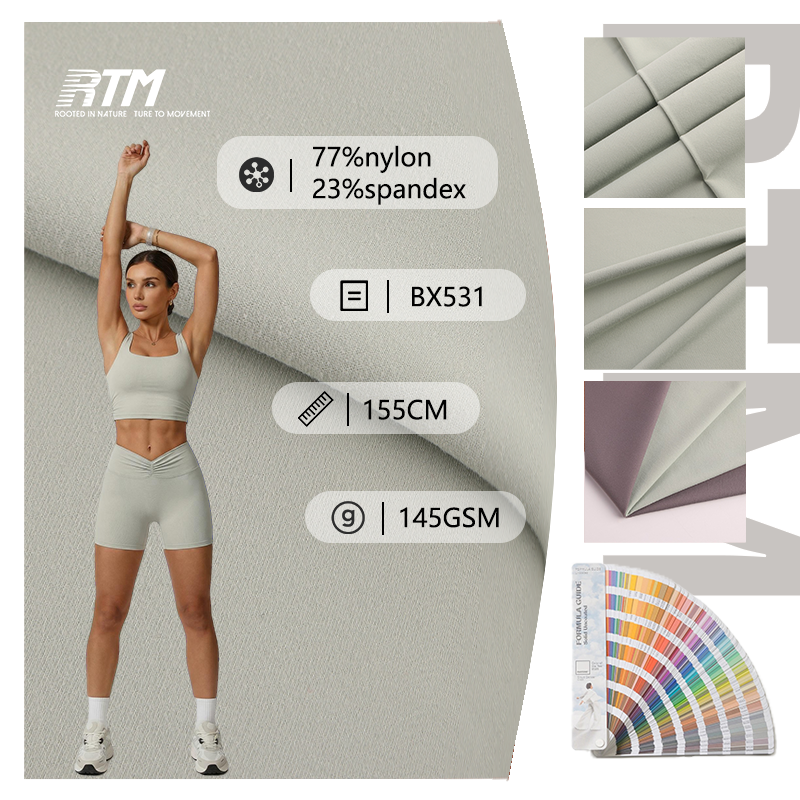
Սպորտային հագուստի ապրանքանիշները կանգնած են մի կրիտիկական մարտահրավերի առջև՝ նյութի ընտրության հարցում. ապահովել հագուստ, որը մարզիկներին պահում է չոր, հարմարավետ և բարձր կատարողականության մակարդակում ինտենսիվ ֆիզիկական ակտիվության ժամանակ: Պոլիէսթերի օգտագործման պատճառը՝ որպես խոնավությունը հեռացնող նյութ, որը գերակշռում է սպորտային հագուստի արդյունաբերության մեջ, պայմանավորված է գիտական հատկությունների, արտադրության առավելությունների և ապացուցված կատարողական արդյունքների համադրությամբ: Ի տարբերություն բնական մանրաթելերի, որոնք կլանում են և պահում խոնավությունը, պոլիէսթերի սինթետիկ կառուցվածքը ստեղծում է քրտինքի հետ հիմնարարորեն այլ փոխազդեցություն, ինչը դարձնում է այն կատարողական հագուստի նախընտրելի նյութը վազքի, մարզումների, հեծանվավարության և թիմային մարզաձևերի բոլոր կատեգորիաներում:
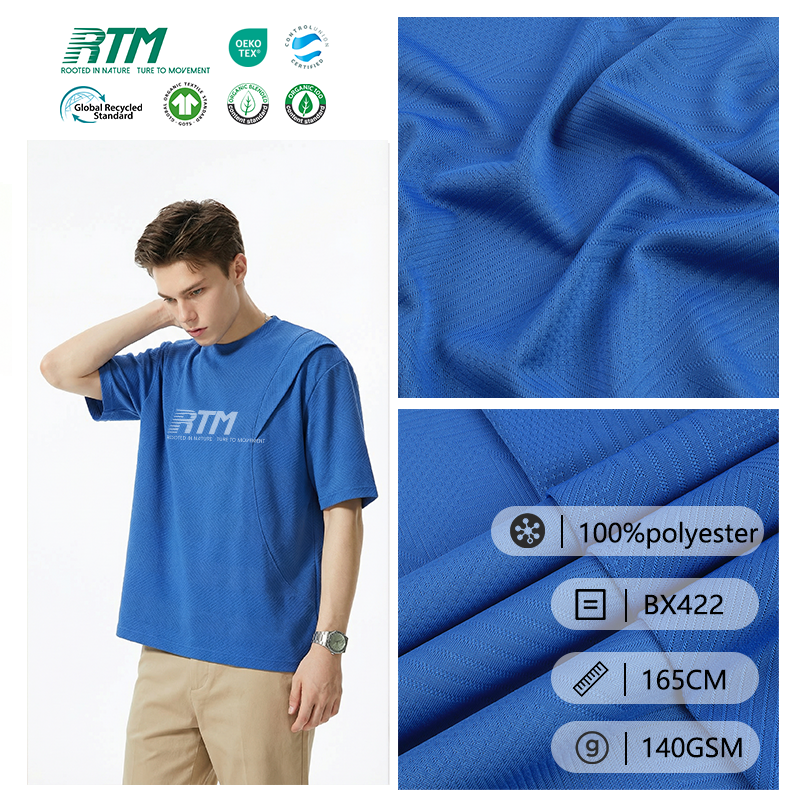
Մեծ սպորտային հագուստի արտադրողների մոտ խոնավությունը կլանող պոլիէսթերային մատերիալի նախընտրությունը ոչ միայն մի միտում է, այլև նյութի գիտության և սպառողների սպասելիքների վրա հիմնված ռազմավարական որոշում: Այս սինթետիկ պոլիմերը առաջարկում է ջրամերժ հատկությունների, կենտրոնացված ազդեցության (կապիլյար ազդեցության) հնարավորությունների, ճնշման տակ մեխանիկական դիմացկունության և արժեքի արդյունավետության եզակի համադրություն, որը բնական այլընտրանքները պարզապես չեն կարող համեմատվել: Պոլիէսթերը մշտապես ընտրելու պատճառները հասկանալու համար անհրաժեշտ է վերլուծել մանրաթելի մոլեկուլային վարքը, խոնավության կառավարման համակարգերի ինժեներական լուծումները և սպորտային սպառողների իրական աշխարհում առաջադրվող պահանջները, որոնք սպասում են, որ իրենց հագուստը ակտիվորեն նպաստի նրանց հարմարավետությանը և կատարողականին՝ այլ ոչ թե վարժության ընթացքում դառնա խոնաված բեռ:
Պոլիէսթերի խոնավության կառավարման գերազանցության գիտությունը
Ջրամերժ մոլեկուլային կառուցվածք և խոնավության փոխազդեցություն
Սպորտային հագուստի բրենդների կողմից խոնավությունը հեռացնող պոլիէսթերային մատերիալի նախընտրության հիմնարար պատճառը սկսվում է մոլեկուլային մակարդակում՝ նրա բնական ջրամետալ բնույթից։ Պոլիէսթերային մազիկները բաղկացած են պոլիէթիլեն տերեֆտալատ պոլիմերներից, որոնք բնականաբար վանում են ջրի մոլեկուլները՝ փոխարենը չներծծելով դրանք մազիկների կառուցվածքի մեջ։ Այս ջրամետալ հատկությունը նշանակում է, որ երբ քրտինքը հպվում է մատերիալի մակերևույթին, այն մնում է առանձին մազիկների արտաքին մակերևույթին՝ այլ որ ներծծվի դրանց մեջ, ինչը ստեղծում է հիմք արդյունավետ խոնավության տեղափոխման համար՝ մաշկից դեպի դուրս։
Այս քիմիական կազմը կտրուկ հակադրվում է հիդրոֆիլ բնական մանրաթելերին, ինչպիսին է բամբակը, որոնք խոնավություն են կլանում իրենց բջջային կառուցվածքի մեջ և կարող են պահել իրենց քաշից մինչև քսանհինգ անգամ ավելի ջուր։ Երբ բամբակյա մանրաթելերը կլանում են քրտինքը, դրանք այտուցվում և ծանրանում են, կպչում մաշկին և ստեղծում խոնավ, անհարմար միկրոկլիմա, որը խոչընդոտում է գոլորշիացնող սառեցմանը։ Խոնավությունը կլանող պոլիեսթերային գործվածքը լիովին խուսափում է այս խնդրից՝ խոնավությունը պահելով մանրաթելի մակերեսին, որտեղ այն կարող է հորիզոնականորեն տեղափոխվել գործվածքի վրայով և ենթարկվել օդի ազդեցությանը՝ արագ գոլորշիացման համար։
Կենտրոնախույս ազդեցություն և խոնավությունը հեռացնելու մեխանիզմներ
Մոխրագույն ջրամետաղականությունից դուրս, քաղցրահամ պոլիէսթերային մատերիայի խոնավության վերացման արդյունավետությունը կախված է ճշգրիտ մշակված կենտրոնաձիգ ազդեցությունից, որը ստեղծվում է հատուկ մանրաթելերի երկրաչափական ձևերի և մատերիայի կառուցվածքի միջոցով: Արտադրողները ստեղծում են միկրոսկոպիկ անցուղիներ և մակերևույթի փոփոխություններ պոլիէսթերային մանրաթելերում, որոնք ստեղծում են կենտրոնաձիգ ճնշման գրադիենտներ՝ խոնավությունը քաշելով մարմնի հետ շփման կողմից դեպի մատերիայի արտաքին մակերևույթ ֆիզիկական ուժերի միջոցով, այլ ոչ թե քիմիական կլանման միջոցով: Այս ուղղված խոնավության տեղափոխումն է, որը սահմանում է իսկական վիքինգի կատարողականությունը:
Մարմնի խոնավությունը հեռացնող առաջադեմ պոլիէսթերային մատերիալներում կապիլյար անցուղիները սովորաբար ստեղծվում են մանրաթելերի հատվածային ձևերի միջոցով, օրինակ՝ եռավահանգ, հնգանկյուն կամ խոռոչավոր կառուցվածքների շնորհիվ, որոնք մեծացնում են մակերեսը և ստեղծում տարածքներ խոնավության համար՝ շարժվելու համար երկայնքով: Այս ճարտարապետաբար մշակված մանրաթելերի ձևերը աշխատում են միասին մատերիալի կապված կամ գործված կառուցվածքների հետ, որոնք ստեղծում են ներքին և արտաքին շերտերի միջև տարբեր թափանցելիություն, ինչը հաստատում է խոնավության գրադիենտ, որը անընդհատ հեռացնում է քրտինքը մարմնից: Այս բարդ խոնավության կառավարման համակարգը չի կարող վերարտադրվել բնական մանրաթելերի դեպքում, քանի որ դրանք չունեն կանխատեսելի կապիլյար ճարտարապետության համար անհրաժեշտ կառուցվածքային համասեռություն:
Մակերեսի և գոլորշիացման արագության առավելություններ
Սպորտային հագուստի բրենդները հասկանում են, որ խոնավության կառավարումը ներառում է ոչ միայն քրտինքի հեռացումը մաշկից, այլև նրա արագ գոլորշացման ապահովումը՝ ջերմային կարգավորումը պահպանելու համար: Խոնավությունը վարձակող պոլիէսթերային մատերիալը այս փուլում առանձնապես լավ է աշխատում, քանի որ մանրաթելերը կարող են արտադրվել այնքան բարակ, որ նրանց մակերեսի մեծությունը զգալիորեն աճում է համեմատած մատերիալի քաշի հետ: Կատարողական սպորտային հագուստում տարածված միկրոթելային պոլիէսթերային կառուցվածքները պարունակում են մեկ դենիերից փոքր մանրաթելեր, ինչը գոլորշացման մակերեսի մեծությունը բազմապատկում է էքսպոնենցիալ կերպով համեմատած սովորական տեքստիլ մանրաթելերի հետ:
Այս ընդարձակված մակերեսի մեծությունը թույլ է տալիս խոնավության շերտին, որն արդեն տեղափոխվել է գործվածքի արտաքին մակերես, տարածվել մեծ թվով մանրաթելերի մակերևույթների վրա, որոնք ենթարկվում են շրջակա մթնոլորտային օդի ազդեցությանը, ինչը արագացնում է գոլորշացման շնորհիվ սառեցման գործընթացը: Խոնավության բարակ շերտը, որն այս մեծ մակերեսի վրա հավասարաչափ է բաշխված, շատ ավելի արագ է գոլորշանում, քան բնական կլանող մանրաթելերում կուտակված քրտինքը: Բացի այդ, քանի որ խոնավությունը վերցնող պոլիէսթերային գործվածքը չի լցվում կլանված ջրով, այն մնում է օդաթափանց ամբողջ մարզավիճակի ընթացքում, ինչը ապահովում է շարունակական գոլորշացման շնորհիվ սառեցում, ի տարբերություն կլանող գործվածքների դեպքում շնչելիության աստիճանական վատացման:
Արտադրության և կատարողականության ինժեներական առավելություններ
Նպատակային կատարողականության համար հարմարեցվող մանրաթելերի ինժեներական մշակում
Պոլիէսթերի սինթետիկ բնույթը՝ խոնավությունը մարզահագուստից դեպի մաշկի մակերես տեղափոխելու համար, արտադրողներին տալիս է աննախադեպ վերահսկողություն մանրաթելերի հատկությունների վրա, ինչը բնական նյութերը չեն կարող ապահովել: Մարզահագուստի բրենդները կարող են ճշգրիտ նշել մանրաթելերի դենիերը, հատվածային ձևերը, մակերեսային մշակումները և պոլիմերային փոփոխությունները՝ ստանալու ճշգրիտ խոնավության կառավարման հատկություններ, որոնք հարմարեցված են կոնկրետ մարզական կիրառումներին: Վազքի վերնաշապիկը պահանջում է այլ խոնավությունը մարզահագուստից դեպի մաշկի մակերես տեղափոխելու հատկություններ, քան սեղմող մարզատարածքները կամ հեծանվավարության վերնաշապիկը, իսկ պոլիէսթերի արտադրական ճկունությունը հնարավորություն է տալիս բրենդներին յուրաքանչյուր հագուստի տեսակը առանձին օպտիմալացնել:
Այս հարմարեցումը տարածվում է նաև մեկ գործվածքի կառուցվածքում տարբեր պոլիէսթերի տարատեսակների խառնման վրա՝ ստեղծելով տարբեր խոնավության տեղափոխման արագություններ ունեցող գոտիներ, որոնք համապատասխանում են մարմնի տարբեր շրջաններում քրտնարտադրության օրինաչափություններին: Քրտնարտադրության բարձր մակարդակ ունեցող շրջաններում, ինչպես օրինակ՝ մեջքի և ծայտարարի տակ, կարող են օգտագործվել ավելի արդյունավետ խոնավության կլանման կառուցվածքներ, իսկ այն շրջաններում, որտեղ անհրաժեշտ է ավելի մեծ ձգունակություն կամ սեղմում, կարող են օգտագործվել մոդիֆիկացված պոլիէսթերի տարատեսակներ, որոնք պահպանում են խոնավության կառավարման հատկությունները՝ միաժամանակ ապահովելով մեխանիկական արդյունավետություն: Այս մակարդակի կիրառման հատուկ օպտիմիզացիան հանդիսանում է հիմնական պատճառներից մեկը, որով ապրանքանիշերը նախընտրում են պոլիէսթերի գործվածքը խոնավության կլանման համար բնական այլընտրանքների փոխարեն, որոնք սահմանափակ ճարտարագիտական ճկունություն են ապահովում:
Չափսերի կայունություն և ձևի պահպանում խոնավության առկայության դեպքում
Սպորտային հագուստը պետք է պահպանի իր նստելու ճշգրտությունը և ֆունկցիոնալությունը մի շարք ինտենսիվ ակտիվության ընթացքում, ինչպես նաև բազմակի խոնավացման և չորացման ցիկլերի ժամանակ: Խոնավությունը հեռացնող պոլիէսթերային մատերիալը ցուցադրում է բացառիկ չափային կայունություն, այսինքն՝ այն չի ձգվում, չի կծկվում և չի ձևափոխվում խոնավության և մեխանիկական լարվածության ազդեցության տակ: Այս կայունությունը կարևորագույնն է մարզական հագուստի համար, որտեղ հագուստի ճշգրտությունը ուղղակիորեն ազդում է մարզական շարժումների արդյունավետության վրա և մատերիալի կարողության վրա պահպանել մաշկի հետ շփումը՝ խոնավության արդյունավետ տեղափոխման համար:
Բնական մանրաթելերը սովորաբար փքվում են խոնավացնելիս, ինչը փոխում է գործվածքի չափսերը և խաթարում է սպորտային հագուստի դիզայներների կողմից համարյա մշակված ճշգրիտ նստելու հատկությունը: Քաթունից պատրաստված հագուստը կարող է ձգվել և կախվել, երբ լցվում է քրտինքով, ինչը ստեղծում է ավելցուկային գործվածք, որն առաջացնում է մաշվածություն և խաթարում է շարժումները: Պոլիէսթերից պատրաստված գործվածքը՝ խոնավությունը մեկուսացնելու նպատակով, պահպանում է իր չափսերը անկախ խոնավության ազդեցությունից, ապահովելով, որ սեղմման գոտիները շարունակեն աշխատել իրենց նախատեսված կերպով, օդափոխման վահանակները մնան ճիշտ դիրքում, իսկ հագուստը շարունակի աշխատել իր նախատեսված կերպով՝ վարժության սկզբից մինչև վերականգնման շրջանը:
Մշակում լվացման ցիկլերի և երկարատև օգտագործման ընթացքում
Սպորտային հագուստը մաքրվում է ավելի հաճախ, քան ամենօրյա հագուստը, և բարձր կատարողականության մատերիալները պետք է պահպանեն խոնավությունը կլանելու հատկությունները հարյուրավոր լվացման ու կրման ցիկլերի ընթացքում: Խոնավությունը կլանող պոլիէսթերային մատերիալը ցուցադրում է գերազանց լվացման դիմացկունություն, քանի որ նրա կլանման հատկությունները բնորոշ են մանրաթելի կառուցվածքին՝ այլ ոչ թե ժամանակավոր քիմիական մշակումներին, որոնք ժամանակի ընթացքում վատանում են: Ջրամետաղային բնույթը և ինժեներական կերպով ստեղծված կենտրոնացված անցուղիները մնում են ֆունկցիոնալ ամբողջ հագուստի ծառայության ժամանակ:
Այս մշակումային առավելությունը ուղղակիորեն արտացոլվում է սպառողների բավարարվածության և բրենդի հեղինակության պաշտպանության մեջ: Մարզիկները սպասում են, որ իրենց կատարողական հագուստը կարողանա համապատասխան կերպ կառավարել խոավությունը՝ անկախ նրանից, թե հագուստը նոր է, թե արդ already տասնյակ անգամ կրել են: Խոնավությունը քաշող պոլիէսթերային մատերիալը հավաստիորեն բավարարում է այս սպասելիքները, իսկ բնական մատերիալների վրա կիրառվող մշակումները՝ խոնավությունը քաշելու կարողությունը բարելավելու նպատակով, սովորաբար կտրուկ վատանում են 10–20 լվացումից հետո, ինչի արդյունքում սպառողները ստանում են հագուստ, որը այլևս չի ապահովում սկզբնապես առաջարկված կատարողականությունը:
Տնտեսական և մատակարարման շղթայի հիմնավորում
Ծախսերի արդյունավետություն և արտադրության մասշտաբավորման հնարավորություն
Տեխնիկական ցուցանիշներից դուրս, սպորտային հագուստի բրենդները նախընտրում են պոլիէսթերի մատերիալը խոավությունը կլանելու համար՝ շնորհիվ հսկայածավալ տնտեսական առավելությունների համապատասխանաբար հումքի ծախսերում և արտադրության արդյունավետության մեջ: Պոլիէսթերի արտադրությունը՝ նավթային կամ վերամշակված հումքից, իրականացվում է հսկայածավալ միջազգային մասշտաբով՝ հաստատված մատակարարման շղթաներով, ինչը ապահովում է գների կայունություն և մատչելիություն, որոնք բնական մանրաթելերի շուկան չի կարողանում ապահովել: Այս ծախսերի արդյունավետությունը հնարավորություն է տալիս բրենդներին իրենց ամբողջ արտադրանքի շարքում ներառել առաջադեմ խոնավության կառավարման տեխնոլոգիան՝ այն սահմանափակելով միայն cao գնային կատեգորիաներով:
Պոլիէսթերային մատերիալի արտադրության գործընթացները՝ խոնավությունը կլանելու համար, բարձրաստիճան ավտոմատացված են և որակի առումով համապատասխանում են ստանդարտներին, ինչը նվազեցնում է արտադրության փոփոխականությունը և սխալների քանակը՝ համեմատած բնական մանրաթելերի մշակման հետ: Սինթետիկ մանրաթելերի էքստրուդիրումը, տեքստուրավորումը և մատերիալի ձևավորումը իրականացվում են ճշգրիտ համակարգչային վերահսկողության ներքո, որը երաշխավորում է, որ յուրաքանչյուր արտադրական շարք համապատասխանում է մանրաթելերի հատկությունների և մատերիալի աշխատանքային բնութագրերի ճշգրիտ սահմանափակումներին: Այս համապատասխանությունը անհրաժեշտ է այն բրենդների համար, որոնք կառավարում են համաշխարհային արտադրությունը՝ մի քանի պայմանագրային արտադրողների միջոցով, միաժամանակ պահպանելով արտադրանքի աշխատանքային բնութագրերի միատեսակ ստանդարտները:
Մատակարարային շղթայի հավաստիություն և մատակարարման ապահովվածություն
Բնական մանրաթելերի մատչելիությունը փոխվում է կախված գյուղատնտեսական պայմաններից, ինչը ստեղծում է մատակարարման անորոշություն և գների անկայունություն, որոնք բարդացնում են համաշխարհային սպորտային հագուստի բրենդների արտադրության պլանավորումը: Վարակիչ խոավությունը վերացնող արտադրության համար պոլիէսթերային մատերիալը չի ենթարկվում սեզոնային բերքահավաքի, եղանակային խափանումների կամ մատակարարման աղբյուրների աշխարհագրական կենտրոնացման, ինչը բրենդներին ապահովում է կանխատեսելի մատերիալի մատչելիություն և գներ բազմատարերյա պլանավորման հորիզոնում: Այս մատակարարման ապահովվածությունը հատկապես կարևոր է խոշոր բրենդների համար, որոնք կառավարում են ապրանքային պաշարների հանձառաջումները և մանրածախ գործընկերությունները, որոնք պահանջում են երաշխավորված ապրանքների մատակարարում:
Ավելին, պոլիէսթերի արտադրության հզորության գլոբալ բաշխումը նվազեցնում է երկրաքաղաքական մատակարարման ռիսկերը և թույլ է տալիս բրենդներին գործվածքներ ձեռք բերել իրենց հագուստի հավաքման արտադրամասերին մոտ, ինչը նվազեցնում է փոխադրման ծախսերը և առաքման ժամանակը: Պոլիէսթերի գործվածքի տարածաշրջանային մատակարարման շղթաների ստեղծման հնարավորությունը՝ խոնավությունը կլանող հատկությամբ, աջակցում է ճկուն արտադրական ռազմավարություններին, որոնք կարող են արագ հարմարեցնել արտադրանքի ծավալները՝ հիմնվելով շուկայական պահանջարկի վրա, իսկ այս ճկունությունը բնական մանրաթելերի մատակարարման շղթաները դժվարությամբ են կարողանում ապահովել:
Վերամշակված բաղադրիչների ներդրումը և կայունության դիրքավորումը
Ժամանակակից սպորտային հագուստի բրենդները մեծացող սպառողական և կարգավորող ճնշման տակ են գտնվում՝ բարելավելու իրենց շրջակա միջավայրի նկատմամբ կայունությունը, իսկ խոավությունը կլանող պոլիէսթերային մատերիալը առաջարկում է հնարավոր ճանապարհներ վերամշակված բաղադրիչների ներդրման համար՝ առանց կատարողականության վատթարման: Վերամշակված պոլիէսթերը, որը ստացվում է օգտագործված շշերից և հագուստի իրերից, կարող է քիմիական կամ մեխանիկական եղանակով վերամշակվել մանրաթելային պոլիմերի, ինչը ստեղծում է փակ ցիկլի նյութական համակարգեր, որոնք նվազեցնում են վառելիքի օգտագործումը և թափոնների առաջացումը:
Վերամշակված պոլիէսթերի գործվածքի շատրվանային հատկությունները մոտավորապես համընկնում են սկզբնական պոլիէսթերի հետ, ինչը թույլ է տալիս բրենդներին մեծ տոկոսային հարաբերակցությամբ փոխարինել վերամշակված բաղադրիչները՝ առանց խաթարելու խոնավության կառավարման արդյունավետությունը: Այս փոխարինելիությունը եզակի է շատրվանային տեքստիլ նյութերի շարքում և հնարավորություն է տալիս բրենդներին կատարել իրենց կայուն զարգացման հանդեպ հանգամանքները՝ միաժամանակ պահպանելով այն տեխնիկական ցուցանիշները, որոնց վրա հիմնված են մարզական սպառողների սպասելիքները: Բնական շատրվանային այլընտրանքները չունեն համեմատելի վերամշակման ենթակառուցվածք և վերամշակված ձևով չեն համարժեք իրենց շատրվանային հատկություններով, ինչը ամրապնդում է պոլիէսթերի դիրքը որպես շատրվանային մարզահագուստի համար կայուն ընտրություն:
Շատրվանային հատկության վավերացում և սպառողների սպասելիքներ
Մարզիկների փորձարկում և իրական աշխարհում շատրվանային հատկության հաստատում
Սպորտային հագուստի բրենդները մեծ միջոցներ են ներդնում մարզիկների փորձարկման և կենսամեխանիկական հետազոտությունների մեջ՝ հաստատելու մատյանների կատարողականության վերաբերյալ հայտարարությունները, իսկ խոնավությունը հեռացնող պոլիէսթերային մատյանները հստակ ցույց են տալիս գերազանց արդյունքներ վերահսկվող հետազոտություններում, որոնք չափում են մաշկի խոնավությունը, ջերմային կարգավորումը և վարժությունների ժամանակ զգացվող հարմարավետությունը: Ջերմային մանեկենների օգտագործմամբ լաբորատոր փորձարկումները և մարդկային սուբյեկտների վրա մանրկլիմայական խոնավությունը չափող փորձարկումները հաստատում են, որ ճարտարապետված պոլիէսթերային կառուցվածքները պահպանում են մաշկի մակերեսի ցածր խոնավություն և ավելի կայուն միջուկային ջերմաստիճաններ՝ համեմատած բնական մատյանների այլընտրանքների հետ, միջինից մինչև բարձր ինտենսիվությամբ երկարատև ակտիվության ընթացքում:
Այս կատարողականի վավերացումները տարածվում են լաբորատորիայի պայմաններից դուրս՝ ընդգրկելով տարբեր մարզաձևերում և շրջակա միջավայրի տարբեր պայմաններում մասնագետ ու սիրողական մարզիկների հետ ասպարեզային փորձարկումներ: Խոնավ պայմաններում մարաթոններ ավարտած վազորդների, տաք եղանակում մարզվող հեծանվորդների և միջակայքային բարձր ինտենսիվությամբ գործունեությամբ զբաղվող թիմային մարզաձևերի մասնակիցների հետ ստացված հետադարձ կապը համապատասխանաբար նախընտրում է պոլիէսթերի մատերիալը խոնավությունը մարմնից հեռացնելու համար՝ բամբակի կամ բամբակ-խառնուրդ այլընտրանքների փոխարեն: Այս փորձարարական կատարողականի վավերացումը ամրապնդում է բրենդի վստահությունը պոլիէսթերի ընտրության նկատմամբ և տրամադրում է մարքեթինգային վավերացում, որը համապատասխանում է կատարողականին կենտրոնացած սպառողների սպառման պահանջներին:
Շուկայի կրթություն և սպառողների ընկալման համատեղելիություն
Առաջատար սպորտային հագուստի բրենդների շուկայավարման տասնամյակներ շարունակվող կրթությունը սպառողների մոտ ձևավորել է հասկացություն, որ սինթետիկ մատերիալները գերազանցում են բնական մանրաթելերը սպորտային գործունեության ժամանակ մարմնի խոնավության կառավարման մեջ: Այս շուկայավարման պայմանավորվածությունը սպառողների մոտ ստեղծում է ակնկալիքներ, որ բարձր արդյունավետությամբ սպորտային հագուստը պետք է պատրաստված լինի պոլիէսթերից՝ խոնավությունը մարմնից հեռացնելու համար, ինչը դժվարացնում է բրենդների համար այլընտրանքային նյութերի օգտագործմամբ տարբերակվելը, քանի որ դրանք չեն ունեցել հաստատված արդյունավետության հեղինակություն: Սպորտային մարզումների համար հագուստ գնելիս մարզիկները ակտիվորեն փնտրում են պոլիէսթերի պարունակության նշումները՝ որպես խոնավության կառավարման հնարավորության ցուցանիշ:
Այս սպառողների սպասելիքների համաձայնեցումը ստեղծում է ամրապնդող ցիկլ, որտեղ բրենդները շարունակում են նախընտրել պոլիէսթերի միջոցով խոնավությունը վերցնող մատերիալներ, քանի որ սպառողները սպասում են դրան, իսկ սպառողները շարունակում են սպասել դրան, քանի որ բրենդները մշտապես ապահովում են պոլիէսթերի կառուցվածքներով գերազանցող արդյունքներ: Այս ցիկլը կտրելու համար անհրաժեշտ է, որ բնական կամ այլընտրանքային սինթետիկ մանրաթելերը ցուցադրեն ակնհայտորեն գերազանցող արդյունքներ մրցունակ գներով, ինչը մինչ այսօր չի իրականացվել՝ չնայած կենսահիմնավորված և բնական արդյունքավետ տեքստիլների ոլորտում շարունակվող նորարարություններին:
Խնամքի պարզություն և սեփականատերության փորձ
Հագուստի խնամքի գործնական ասպեկտները ազդում են սպառողների բավարարվածության և կրկնակի գնման որոշումների վրա, իսկ խոնավությունը կլանող պոլիէսթերային մատերիալը մեծ առավելություններ է տալիս խնամքի պարզեցման մեջ: Պոլիէսթերային հագուստը արագ չորանում է լվացումից հետո, դիմացկուն է ճկվելուն, պահպանում է գույնի հագեցվածությունը բազմակի լվացումների ընթացքում և դիմացկուն է լինում լայն շրջանակի լվացման պայմաններին՝ առանց հատուկ խնամքի պահանջների: Այս գործնական առավելությունները բարելավում են սեփականատիրության փորձը և նվազեցնում են արդյունավետ սպորտային հագուստի գանձարանը պահպանելու ընկալվող բեռը:
Բնական մանրաթելերից պատրաստված գործառնային հագուստը սովորաբար պահանջում է ավելի զգույշ լվացում՝ օգտագործելով հատուկ լվացամիջոցներ, ցածր ջերմաստիճաններ և ավելի մեղմ մեխանիկական ազդեցություն՝ պահպանելու կիրառված խոնավության կառավարման մշակումները: Դրանք նաև ավելի երկար են չորանում և ավելի հակված են հոտի պահպանման, կծկման և գույնի մատտացման: Պոլիէսթերի հագուստի խոնավության վերացման հատկությունների խնամքի պարզությունը նվազեցնում է արտադրանքի օգտագործման արգելքները և մեծացնում կրելու հաճախականությունը, ինչը ուղղակիորեն նպաստում է սպառողների բավարարվածության և ապրանքանիշի նկատմամբ հավատարմության ձևավորմանը:
Տեխնիկական նորարարություններ և ապագայի զարգացման ուղղություններ
Զարգացած մակերևույթային մշակումներ և հիբրիդային կառուցվածքներ
Չնայած միզահեռացնող պոլիէսթերային մատերիալը արդեն բավարարում է բարձր մակարդակի հիմնական պահանջները, շարունակական նորարարությունները մշակման առաջադեմ մակերևույթային մշակումների և հիբրիդային կառուցվածքային տեխնիկաների միջոցով ավելի են բարելավում նրա հնարավորությունները: Պլազմային մշակումները, նանոծածկույթները և քիմիական փոփոխությունները կարող են ավելի լավ օպտիմալացնել մատերիալի մակերևույթի վրա հիդրոֆոբ-հիդրոֆիլ հավասարակշռությունը՝ ստեղծելով ավելի արդյունավետ խոնավության գրադիենտներ, որոնք արագացնում են խոնավության տեղափոխման և գոլորշիացման արագությունները ստանդարտ պոլիէսթերի կողմից ձեռք բերված արդյունքներից բարձր մակարդակով:
Հիբրիդային կառուցվածքները, որոնք միավորում են տարբեր պոլիէսթերի տարատեսակներ կամ ներառում են մասնագիտացված մանրաթելերի փոքր տոկոս, ստեղծում են հատկությունների պրոֆիլներ, որոնք անհասանելի են մեկ մանրաթելից պատրաստված մատերիալների համար: Օրինակ՝ հիմնային շերտում խոնավությունը հեռացնող ստանդարտ պոլիէսթերի միավորումը արտաքին շերտում ջրասիրական պոլիէսթերի տարատեսակների հետ ստեղծում է խոնավության պոմպի էֆեկտ, որը ակտիվորեն հեռացնում է քրտինքը մատերիալի կառուցվածքի միջով: Այս նորարարությունները պահպանում են պոլիէսթերի կենտրոնական դերը՝ միաժամանակ ընդլայնելով նրա հնարավորությունները ներկայիս սահմաններից դուրս:
Ինտելեկտուալ մատերիալներ և ֆունկցիոնալ ինտեգրում
Պոլիէսթերի սինթետիկ բնույթը՝ խոավությունը հեռացնելու հատկությամբ, դարձնում է այն իդեալական հիմք իմաստուն մարտկոցային տեխնոլոգիաների ինտեգրման համար, որոնք հագուստին ավելացնում են զգայարանային, տվյալների հավաքման կամ հարմարվողական ֆունկցիոնալություն: Հաղորդական պոլիէսթերային մանրաթելերը կարող են վերահսկել սրտի զարկերի հաճախականությունը, շնչառության օրինաչափությունները կամ մկանային ակտիվությունը՝ միաժամանակ պահպանելով խոնավության կառավարման արդյունավետությունը: Պոլիէսթերի կառուցվածքի մեջ ներդրված փուլային փոխակերպման նյութերը կարող են ապահովել ակտիվ ջերմային կարգավորում, որը դինամիկորեն արձագանքում է մարմնի ջերմաստիճանի տատանումներին մարզվելիս:
Այս ֆունկցիոնալ ինտեգրումները ներկայացնում են կատարողական սպորտային հագուստի հաջորդ էվոլյուցիան, իսկ պոլիէսթերի համատեղելիությունը էլեկտրոնային բաղադրիչների, ջերմային ավելացումների և մանրէասպան մշակումների հետ դիրքավորում է այն որպես իմաստուն մարզական հագուստի հիմնարար մատերիալ: Բնական մանրաթելերը շատ այդպիսի տեխնոլոգիաների հետ համատեղելիության խնդիրներ են ներկայացնում և չեն ապահովում սենսորների ճշգրիտ տեղադրման և երկարատև աշխատանքի համար անհրաժեշտ չափային կայունությունը:
Շրջանային տնտեսություն և կենսաքայքայվող տարատեսակներ
Մթնոլորտային մտահոգությունները նավթային սինթետիկ նյութերի վերաբերյալ խթանում են կենսաքայքայվող պոլիէստերի տարատեսակների և բարելավված վերամշակման տեխնոլոգիաների մշակումը, որոնք լուծում են կյանքի վերջնական փուլի հետ կապված մարտահրավերները՝ միաժամանակ պահպանելով խոնավությունը վերցնելու հատկությունը: Բույսերի շաքարից, այլ ոչ թե նավթային հումքից ստացված կենսահիմնավորված պոլիէստերները նվազեցնում են ածխածնի հետքը և ունեն խոնավությունը վերցնելու հատկությամբ համեմատելի աշխատանքային բնութագրեր սովորական պոլիէստերի հետ, ինչը բրենդներին տալիս է կայունության դիրքավորման հնարավորություն՝ առանց աշխատանքային բնութագրերի վատացման:
Առաջադեմ վերամշակման տեխնոլոգիաներ, այդ թվում՝ քիմիական դեպոլիմերացումը, կարող են վերածել օգտագործված պոլիէսթերե հագուստը մոնոմերային շինարարական բլոկների, ինչը հնարավորություն է տալիս ստեղծել իսկական շրջանային նյութական հոսքեր, որտեղ հին սպորտային հագուստը վերածվում է նոր կատարողական մատերիալների սկզբնաղբյուրի: Այս փակ ցիկլի համակարգերը լուծում են թափոնների հետ կապված խնդիրները՝ միաժամանակ պահպանելով պոլիէսթերե մատերիալը՝ որպես խոավությունը մարելու համար օպտիմալ տեխնիկական լուծում, և ապահովելով նրա անընդհատ գերակայությունը կատարողական սպորտային հագուստում տասնամյակներ շարունակ:
Հաճախադեպ տրվող հարցեր
Ինչն է պոլիէսթերը ավելի լավ դարձնում խոնավությունը մարելու համար, քան բամբակը սպորտային հագուստում:
Պոլիեսթերային գործվածքը խոնավությունը կլանելու համար գերազանցում է բամբակին՝ մանրաթելերի խոնավության հետ փոխազդեցության հիմնարար տարբերությունների պատճառով: Պոլիեսթերը հիդրոֆոբ է և ջուր չի կլանում մանրաթելային կառուցվածքի մեջ, փոխարենը խոնավությունը մանրաթելային մակերեսով տեղափոխում է գործվածքի արտաքին մաս, որտեղ այն արագ գոլորշիանում է: Բամբակը հիդրոֆիլ է և խոնավությունը կլանում է իր բջջային կառուցվածքի մեջ՝ դառնալով ծանր և հագեցած, ինչը կանխում է գոլորշիացումը և ստեղծում խոնավ միկրոկլիմա մաշկի վրա: Սա պոլիեսթերը դարձնում է շատ ավելի արդյունավետ մարզիկներին չոր և հարմարավետ պահելու համար վարժությունների ժամանակ:
Պոլիէսթերային մատերիալը կորցնում է իր խոնավությունը հեռացնող հատկությունները բազմաթիվ լվացումներից հետո՞
Բարձրորակ պոլիէսթերային մատերիալը, որը հատկապես նախատեսված է խոավության հեռացման համար, պահպանում է իր շահագործման բոլոր հատկանիշները հարյուրավոր լվացումների ընթացքում, քանի որ խոնավության հեռացման հատկությունները բնորոշ են մանրաթելի կառուցվածքին և մատերիալի կառուցվածքին՝ այլ ոչ թե ժամանակավոր քիմիական մշակման վրա հիմնված: Պոլիէսթերի ջրամետաղային բնույթը և մանրաթելի ձևի, ինչպես նաև մատերիալի ճարտարապետական լուծումների շնորհիվ ստեղծված կապիլյար անցուղիները մնում են ֆունկցիոնալ ամբողջ հագուստի շահագործման ժամանակահատվածում: Այնուամենայնիվ, խորհուրդ չի տրվում օգտագործել մատերիալի փափկեցնող միջոցներ և չորացնող սարքերի համար նախատեսված թերթիկներ, քանի որ դրանք կարող են ծածկել մանրաթելերը և նվազեցնել խոնավության հեռացման արդյունավետությունը:
Կարո՞ղ են պոլիէսթերային խոնավության հեռացման մատերիալները աշխատել ինչպես տաք, այնպես էլ սառը եղանակային պայմաններում:
Այո, պոլիէսթերից պատրաստված մահուդը, որն ունի խոնավությունը հեռացնելու հատկություն, արդյունավետ է ջերմաստիճանի լայն շրջանակում, քանի որ խոնավության կառավարումը կարևոր է ջերմային կարգավորման համար ինչպես տաք, այնպես էլ սառը պայմաններում: Տաք եղանակին խոնավության արագ տեղափոխումը և գոլորշացումը ապահովում են սառեցում՝ գոլորշացման միջոցով ջերմության կորուստի հաշվին: Սառը եղանակին մաշկից խոնավությունը հեռացնելը կանխում է թաց մահուդի սառեցնող ազդեցությունը և պահպանում է արտաքին շերտերի ջերմամեկուսացման արդյունավետությունը: Մահուդի քաշը, կառուցվածքի խտությունը և շերտավորման ռազմավարությունը տարբերվում են ջերմաստիճանի պայմաններից, սակայն պոլիէսթերի հիմնարար խոնավությունը հեռացնելու մեխանիզմը մնում է օգտակար ամբողջ ջերմաստիճանային շրջանակում:
Կան արդյո՞ք շրջակա միջավայրի վրա ազդեցության վերաբերյալ մտահոգություններ սպորտային հագուստում բնական մանրաթելերի փոխարեն պոլիէսթերի օգտագործման դեպքում:
Պոլիէսթերի մշակույթը՝ խոնավությունը հեռացնելու համար, իրականում պարունակում է շրջակա միջավայրի վրա ազդեցության հարցեր, որոնք կապված են նավթի վրա հիմնված արտադրության և լվացման ժամանակ միկրոթելաների արտանետման հետ, սակայն ամբողջ կյանքի ցիկլի վերլուծությունը բարդ է: Պոլիէսթերի արտադրությունը էներգատար է, սակայն նրա մեծ ճկունությունն ու երկարատև շահագործման հնարավորությունը նշանակում են, որ հագուստը երկար է ծառայում և ավելի լավ է աշխատում իր կյանքի ցիկլի ընթացքում՝ համեմատած բնական նյութերի հետ, որոնք կարող են պահանջել ավելի հաճախակի փոխարինում: Ավելին, պոլիէսթերը բարձր մակարդակով վերամշակելի է, իսկ բրենդները ավելի ու ավելի շատ են օգտագործում սպառողների կողմից օգտագործված վերամշակված նյութեր, ինչը կտրուկ նվազեցնում է շրջակա միջավայրի վրա ազդեցությունը: Բույսերից ստացված կենսահիմնված պոլիէսթերի տարատեսակները առաջարկում են լրացուցիչ կայունության բարելավումներ՝ պահպանելով խոնավությունը հեռացնելու հատկությունը, որը պոլիէսթերը անհրաժեշտ է դարձնում մարզական հագուստի համար:
Բովանդակության ցուցակ
- Պոլիէսթերի խոնավության կառավարման գերազանցության գիտությունը
- Արտադրության և կատարողականության ինժեներական առավելություններ
- Տնտեսական և մատակարարման շղթայի հիմնավորում
- Շատրվանային հատկության վավերացում և սպառողների սպասելիքներ
- Տեխնիկական նորարարություններ և ապագայի զարգացման ուղղություններ
-
Հաճախադեպ տրվող հարցեր
- Ինչն է պոլիէսթերը ավելի լավ դարձնում խոնավությունը մարելու համար, քան բամբակը սպորտային հագուստում:
- Պոլիէսթերային մատերիալը կորցնում է իր խոնավությունը հեռացնող հատկությունները բազմաթիվ լվացումներից հետո՞
- Կարո՞ղ են պոլիէսթերային խոնավության հեռացման մատերիալները աշխատել ինչպես տաք, այնպես էլ սառը եղանակային պայմաններում:
- Կան արդյո՞ք շրջակա միջավայրի վրա ազդեցության վերաբերյալ մտահոգություններ սպորտային հագուստում բնական մանրաթելերի փոխարեն պոլիէսթերի օգտագործման դեպքում: