
 EN
EN


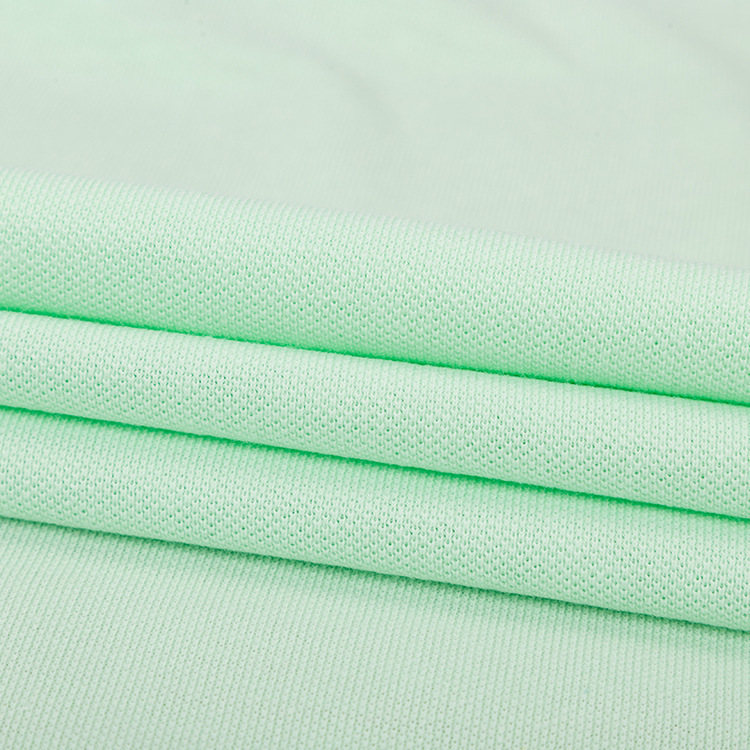
The textile industry stands at a critical crossroads as sustainability becomes not just a preference but a business imperative. Sustainable knitted fabric represents one of the most dynamic segments within this transformation, driven by consumer demand, regulatory pressure, and technological innovation. Modern manufacturers are fundamentally reimagining how knitted fabric is designed, produced, and distributed to minimize environmental impact while maintaining performance and quality. This shift toward sustainable knitted fabric reflects a broader recognition that the future of textiles depends on responsible production methods that balance profitability with planetary stewardship.
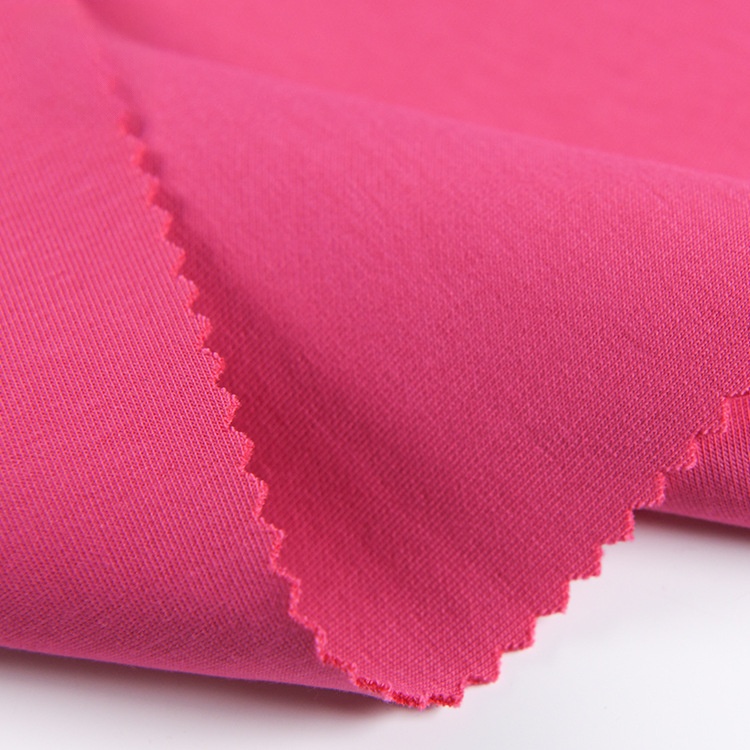
Understanding the latest trends in sustainable knitted fabric manufacturing provides manufacturers, brands, and sourcing professionals with actionable insights into competitive positioning and market readiness. The knitted fabric sector is experiencing unprecedented momentum in material innovation, production efficiency, and circular economy principles. Companies investing in sustainable knitted fabric solutions today are building resilience against future regulations while capturing growing market segments that prioritize environmental responsibility.
Eco-Friendly Materials Driving Knitted Fabric Innovation
Recycled Fiber Integration in Knitted Fabric Production
Recycled polyester and recycled nylon have become cornerstone materials for sustainable knitted fabric manufacturers seeking to reduce virgin resource consumption. These recycled fibers maintain the performance characteristics essential for knitted fabric applications while significantly lowering the carbon footprint compared to conventional petroleum-based production. Leading knitted fabric producers now source high-quality recycled content that meets stringent quality standards, enabling brands to offer sustainable knitted fabric products without compromising durability or aesthetic appeal.
The integration of recycled materials into knitted fabric composition requires sophisticated processing techniques to ensure consistent fiber quality and optimal fabric performance. Advanced sorting and cleaning technologies allow manufacturers to produce premium-grade sustainable knitted fabric from post-consumer waste streams. This circular approach to knitted fabric manufacturing demonstrates how environmental responsibility and operational excellence can align within modern textile production frameworks.
Bio-Based and Alternative Fiber Options for Knitted Fabric
Innovative bio-based fibers including viscose from sustainably managed forests, linen, hemp, and algae-derived materials are expanding the material palette for sustainable knitted fabric development. These alternatives offer distinct environmental advantages over conventional fibers while introducing unique aesthetic and functional properties to knitted fabric designs. Manufacturers experimenting with blended compositions combining bio-based fibers with recycled synthetics are creating hybrid knitted fabric solutions that balance sustainability ambitions with performance requirements.
Regenerated cellulose fibers represent a particularly promising category within the sustainable knitted fabric landscape, offering biodegradability and lower environmental impact compared to synthetic alternatives. When sourced from certified renewable forestry operations and processed using closed-loop production methods, regenerated fibers enable truly sustainable knitted fabric that appeals to environmentally conscious brands and consumers seeking responsible textile options.
Advanced Production Technologies Shaping Sustainable Knitted Fabric Manufacturing
Water and Energy Reduction in Knitted Fabric Processing
Water consumption represents one of the most critical environmental factors in traditional knitted fabric manufacturing, with dyeing and finishing processes historically accounting for massive resource waste. Contemporary sustainable knitted fabric facilities are deploying waterless dyeing technologies, closed-loop water recycling systems, and optimized production workflows that dramatically reduce consumption per kilogram of knitted fabric produced. These technological investments transform sustainable knitted fabric from an aspirational concept into an operationally viable standard.
Energy efficiency initiatives including renewable power integration, LED lighting systems, and optimized machinery design contribute meaningfully to reducing the overall environmental footprint of knitted fabric manufacturing. Forward-thinking producers recognize that sustainable knitted fabric cannot compromise on quality or consistency, making technological precision essential rather than optional. The convergence of environmental goals and operational excellence is creating a new competitive standard in the knitted fabric industry.
Automation and Digital Quality Control in Knitted Fabric Production
Smart manufacturing systems incorporating artificial intelligence and real-time quality monitoring enable knitted fabric producers to minimize defect rates and material waste during production cycles. Advanced automation technology allows sustainable knitted fabric manufacturers to optimize yarn tension, temperature control, and fabric formation parameters with unprecedented precision. This technological sophistication directly supports sustainability objectives by reducing waste generation and improving production efficiency across the knitted fabric manufacturing process.
Digital traceability systems embedded throughout knitted fabric production pipelines enable manufacturers to document environmental metrics and verify sustainability claims with transparent data. These systems build consumer confidence and brand credibility by providing verifiable evidence that sustainable knitted fabric genuinely meets environmental standards rather than relying on unsubstantiated marketing claims.
Circular Economy Models Transforming Sustainable Knitted Fabric Industry
Take-Back Programs and Extended Producer Responsibility
Progressive brands and manufacturers are implementing take-back programs that encourage consumers to return worn knitted fabric garments for recycling or repurposing rather than discarding them into landfills. These extended producer responsibility initiatives create sustainable knitted fabric loops where end-of-life products become raw materials for future knitted fabric production cycles. By closing the material loop, sustainable knitted fabric businesses demonstrate genuine commitment to circularity beyond mere material substitution or incremental improvements.
Take-back logistics and sorting infrastructure represent significant operational challenges in establishing functional sustainable knitted fabric circular systems. Manufacturers investing in these systems today are building competitive moats while creating sustainable knitted fabric supply chains that genuinely reduce aggregate environmental impact compared to linear production models.
Modular Design and Longevity in Knitted Fabric Products
Design strategies prioritizing product durability, repairability, and modularity extend the useful life of knitted fabric garments and reduce replacement frequency and associated material consumption. By engineering knitted fabric products with reinforced seams, replaceable components, and timeless aesthetics, manufacturers support circular business models where sustainable knitted fabric items remain functional and desirable for extended periods. This design philosophy fundamentally alters the economics of sustainable knitted fabric production by amortizing environmental impacts across longer product lifecycles.
Transparency in knitted fabric care instructions and maintenance guidance empowers consumers to maximize garment longevity through proper washing, storage, and repair practices. Educational initiatives complementing sustainable knitted fabric products amplify environmental benefits by reducing washing frequency and extending the window before replacement becomes necessary.
FAQ
What makes knitted fabric sustainable compared to conventional production?
Sustainable knitted fabric incorporates recycled or bio-based materials, employs water-efficient dyeing and finishing processes, utilizes renewable energy sources, and implements waste reduction technologies throughout production. Unlike conventional knitted fabric manufacturing relying on virgin petrochemical resources and intensive water consumption, sustainable knitted fabric represents a fundamentally different approach prioritizing environmental stewardship. Advanced certification systems verify that sustainable knitted fabric genuinely meets defined environmental standards rather than relying on unsubstantiated marketing claims.
How do manufacturers ensure quality in sustainable knitted fabric production?
Modern sustainable knitted fabric manufacturers employ rigorous quality control systems including advanced testing equipment, digital monitoring technologies, and established performance benchmarks that ensure sustainable knitted fabric meets or exceeds industry standards. The misconception that environmental responsibility requires quality compromise is demonstrably false in contemporary sustainable knitted fabric production. Investment in advanced production technology enables sustainable knitted fabric to deliver performance, durability, and aesthetic appeal equivalent to conventional alternatives while reducing environmental impact.
What market demand exists for sustainable knitted fabric products?
Consumer demand for sustainable knitted fabric continues accelerating as environmental awareness increases and brands seek differentiation through responsible sourcing. Regulatory frameworks increasingly mandate sustainable knitted fabric sourcing for government procurement, corporate supply chains, and retail markets, creating structural demand beyond consumer preference. Forward-looking knitted fabric suppliers are positioning themselves to capture this expanding market while building brand reputation and long-term customer relationships.