
 EN
EN


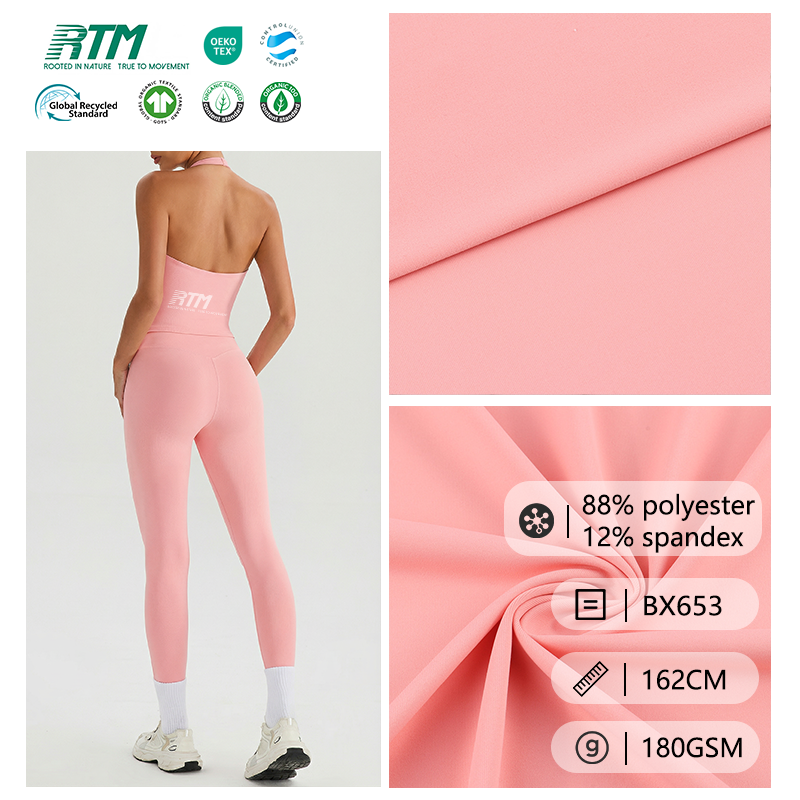
The science of athletic comfort has evolved dramatically over the past decade, and yoga fabrics have become central to this transformation. Modern yoga fabrics are engineered to support active bodies through demanding movements, offering flexibility, durability, and comfort that traditional textiles simply cannot match. Whether you're designing activewear, managing a fitness brand, or simply seeking to understand what makes quality athletic wear, understanding how yoga fabrics improve performance is essential knowledge in today's market.
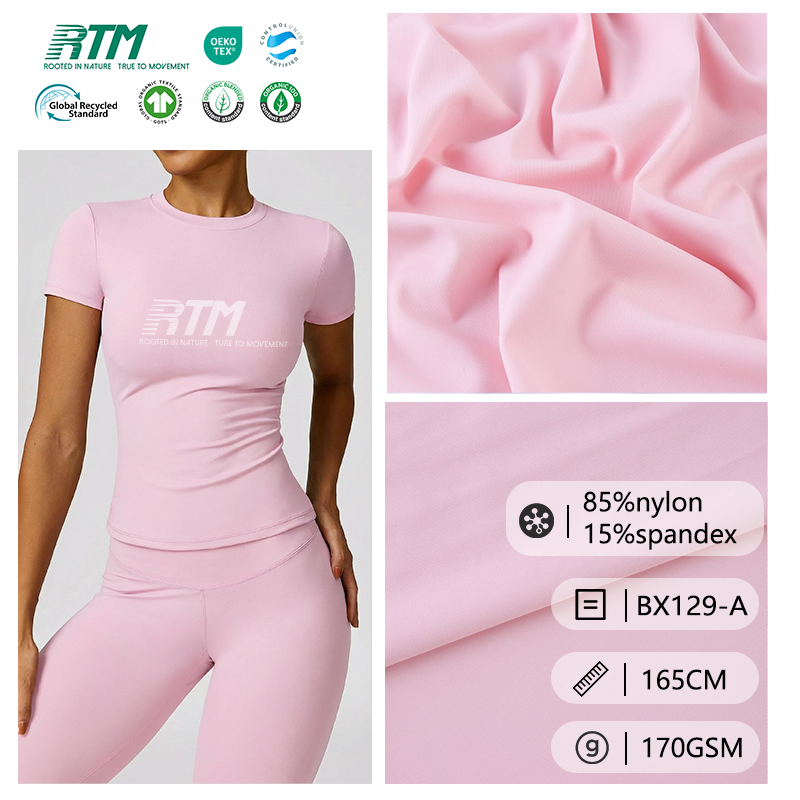
The selection of yoga fabrics directly impacts athlete experience, movement range, and overall satisfaction with performance wear. High-stretch yoga fabrics represent a significant advancement in textile technology, combining synthetic materials with precise engineering to create materials that move with the body rather than against it. Understanding the mechanics behind these fabrics helps manufacturers, retailers, and consumers make informed decisions about activewear quality and investment value.
The Technology Behind High-Stretch Yoga Fabrics
Material Composition and Fiber Structure
Premium yoga fabrics typically blend nylon or polyester with spandex to achieve exceptional elasticity and recovery. The fiber composition of yoga fabrics determines how well they maintain shape after repeated stretching and washing cycles. When spandex content ranges from eight to twenty percent, yoga fabrics can stretch significantly in multiple directions while providing the structural support athletes require. The molecular structure of yoga fabrics allows fibers to extend and contract smoothly, preventing the common problem of fabric breakdown after extended use.
The weave construction of yoga fabrics plays an equally important role in performance outcomes. Knit weaves used in yoga fabrics create a fabric surface that naturally accommodates movement without bunching or binding. Single-knit yoga fabrics offer a smooth feel and lightweight properties, while double-knit yoga fabrics provide additional thickness and opacity. The choice between different yoga fabrics construction methods depends on the intended application, climate conditions, and desired aesthetic properties.
Elastic Recovery and Durability Properties
One of the most critical benefits of quality yoga fabrics is their elastic recovery—the ability to return to original dimensions after stretching. High-performance yoga fabrics maintain this recovery property through hundreds of wash cycles, ensuring that garments remain fitted and supportive throughout their lifespan. This durability characteristic distinguishes premium yoga fabrics from budget alternatives that lose shape and elasticity prematurely. Athletes and active individuals increasingly prefer yoga fabrics that demonstrate consistent elastic recovery because garments maintain their performance benefits longer.
The chemical treatment processes applied to yoga fabrics during manufacturing enhance durability and functional performance. These treatments help yoga fabrics resist moisture absorption, improve quick-drying capabilities, and reduce odor accumulation. When yoga fabrics receive proper chemical finishing, they maintain their structural integrity even during intense physical activity and repeated laundering, making them a superior long-term investment compared to untreated alternatives.
Comfort Enhancements Through Advanced Fabric Engineering
Moisture Management and Breathability
Moisture-wicking capability is fundamental to how modern yoga fabrics improve athletic comfort. The fiber structure of yoga fabrics directs sweat away from the skin surface toward the fabric exterior, where it evaporates quickly. This moisture management system keeps athletes dry and comfortable during extended training sessions, reducing chafing and discomfort. The breathability of yoga fabrics depends on fiber denier, yarn density, and surface finish—each element working together to optimize airflow while maintaining structural support. Quality yoga fabrics achieve this balance through careful engineering rather than simply using thinner materials.
Advanced yoga fabrics now incorporate technical treatments that enhance moisture-wicking beyond basic fabric structure. Some yoga fabrics feature micro-channel designs within fibers that accelerate moisture transport, while others use specialized yarn twists to create capillary action. These innovations in yoga fabrics mean that athletes experience improved comfort even during high-intensity workouts where sweat production is substantial. The investment in such advanced yoga fabrics technology directly correlates with improved athletic performance and user satisfaction.
Temperature Regulation and Comfort Feel
Temperature regulation represents another significant advantage of engineered yoga fabrics. The material composition of yoga fabrics affects how garments respond to changing body temperature and environmental conditions. Lightweight yoga fabrics with lower denier counts provide excellent ventilation in warm climates, while denser yoga fabrics offer insulation and wind resistance in cooler conditions. This thermal adaptability makes quality yoga fabrics suitable across diverse climates and seasonal variations.
The tactile qualities of yoga fabrics contribute substantially to comfort perception. A smooth hand-feel in yoga fabrics reduces friction against skin, minimizing irritation during movement. Premium yoga fabrics receive finishing processes that create a soft surface without compromising durability or performance characteristics. Athletes consistently report that comfort improvements from high-quality yoga fabrics lead to extended workout sessions and higher overall satisfaction with activewear purchases.
Performance Benefits During Athletic Activity
Movement Support and Flexibility
High-stretch yoga fabrics enable unrestricted movement by conforming to body contours without resistance. The elasticity in yoga fabrics allows athletes to perform full range-of-motion exercises without feeling constrained by their clothing. This freedom of movement is particularly important in yoga, pilates, and dynamic fitness activities where body flexibility directly impacts exercise effectiveness. Garments constructed from advanced yoga fabrics move with the athlete rather than creating friction or resistance during transitions between positions.
The recovery speed of yoga fabrics after stretching ensures that garments maintain their fitted silhouette throughout workout sessions. Unlike conventional fabrics that gradually loosen and bunch, yoga fabrics snap back to their original shape with each movement. This consistent fit contributes to both comfort and performance, as proper garment positioning prevents distraction and allows athletes to focus entirely on their workout. The technical advantages of yoga fabrics directly translate into measurable improvements in exercise form and execution quality.
Durability for High-Intensity Performance
Athletes who engage in high-intensity training place substantial stress on fabrics through repetitive movements, contact with equipment, and aggressive stretching. Quality yoga fabrics withstand these demands through superior fiber strength and construction integrity. The pilling resistance of premium yoga fabrics prevents surface damage that commonly appears on inferior materials after brief use periods. This durability advantage means yoga fabrics maintain professional appearance and performance characteristics even with intense daily use.
UV resistance is another practical benefit of advanced yoga fabrics, particularly for outdoor athletic activities. Chemical treatments applied to yoga fabrics protect against color fading and fiber degradation from prolonged sun exposure. Athletes who train outdoors benefit significantly from yoga fabrics engineered with UV protection, as their garments maintain both visual appeal and functional performance throughout the product lifespan. This comprehensive durability approach distinguishes high-performance yoga fabrics from basic alternatives.
FAQ
What makes yoga fabrics different from regular athletic fabrics?
Yoga fabrics differ primarily through their spandex content, weave structure, and specialized finishing processes designed for maximum elasticity and recovery. While regular athletic fabrics may contain some stretch, yoga fabrics are engineered specifically to provide unrestricted movement in multiple directions while maintaining shape through hundreds of wear cycles. The combination of fiber composition, knit construction, and chemical treatments in yoga fabrics creates performance characteristics that regular fabrics cannot match. Premium yoga fabrics deliver consistent comfort and durability that justify their higher cost.
How do high-stretch yoga fabrics handle moisture and sweat?
Advanced yoga fabrics incorporate moisture-wicking technology that transports sweat from the skin surface to the fabric exterior where it evaporates quickly. The fiber structure and surface finish of yoga fabrics create capillary action that continuously moves moisture away from the body. This system keeps athletes dry and comfortable during intense workouts, reducing chafing and promoting better thermal regulation. Quality yoga fabrics maintain their moisture-management performance even after multiple wash cycles, making them reliable for regular athletic use.
How long do high-stretch yoga fabrics typically maintain their elasticity?
Premium yoga fabrics maintain their elastic recovery properties for two to three years with normal athletic use and proper care. The durability of yoga fabrics depends on fiber quality, spandex content, and how garments are laundered and stored. Garments made from quality yoga fabrics typically outlast cheaper alternatives by several years because the fibers maintain their molecular structure despite repeated stretching. Proper washing techniques, avoiding excessive heat, and air-drying all help extend the lifespan of yoga fabrics and preserve their performance characteristics.