
 EN
EN



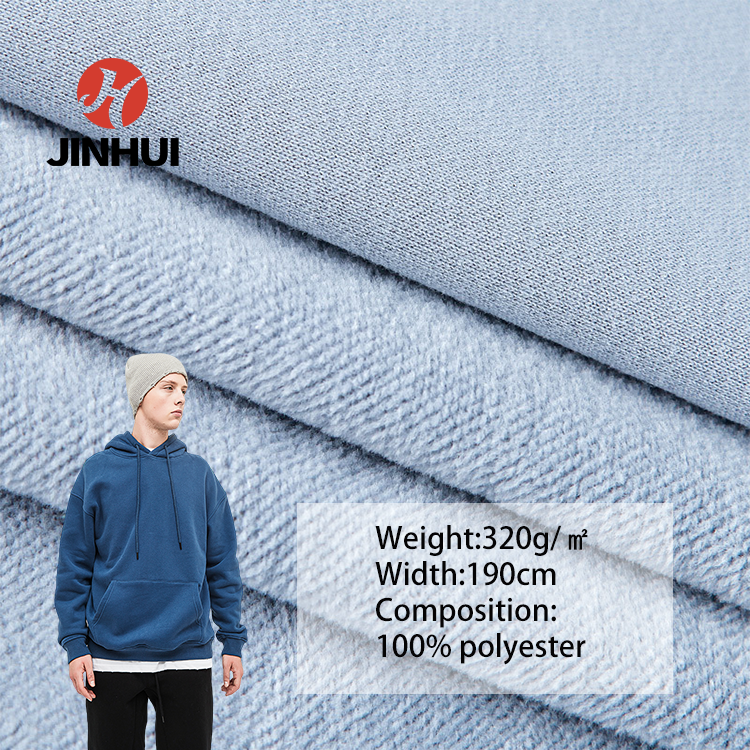
When temperatures drop and outdoor adventures call, fleece fabric emerges as the ultimate solution for winter apparel. The widespread adoption of fleece fabric across the outdoor clothing industry reflects a combination of performance benefits, comfort features, and practical advantages that few alternatives can match. Understanding why fleece fabric has become the top choice for winter outdoor apparel requires exploring its unique properties, manufacturing characteristics, and real-world performance in demanding conditions.
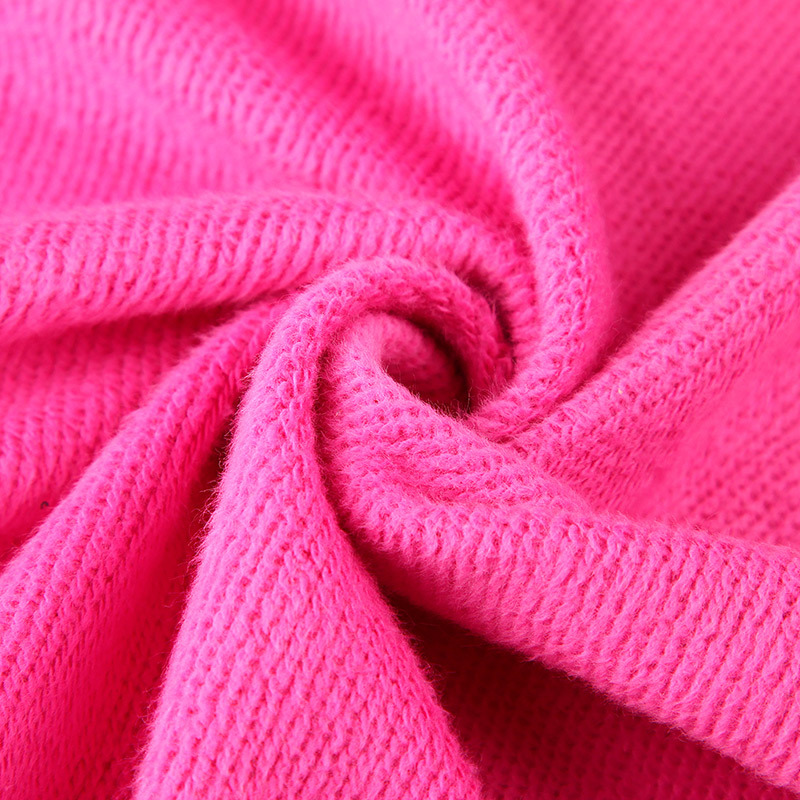
The dominance of fleece fabric in winter outdoor wear stems from its exceptional thermal retention capabilities combined with lightweight construction. Unlike traditional wool or heavy synthetic materials, fleece fabric provides substantial warmth without excessive bulk, making it ideal for layering systems that allow athletes, outdoor enthusiasts, and casual adventurers to regulate body temperature effectively. This balance between insulation and packability has positioned fleece fabric as the preferred mid-layer and base-layer solution for millions of winter outdoor activities worldwide.
Superior Thermal Insulation and Heat Retention
How Fleece Fabric Traps Warmth
The thermal efficiency of fleece fabric derives from its distinctive porous structure and microscopic fiber arrangement. When manufacturers create fleece fabric, they engineer the material with countless air pockets that effectively trap warm air close to the body. This air-trapping mechanism means fleece fabric maintains body heat even in cold, windy conditions where conventional fabrics fail. The insulating principle behind fleece fabric remains consistent whether temperatures approach freezing or drop significantly below, making fleece fabric reliable across diverse winter climates.
The pile height of fleece fabric directly influences its insulation capacity. Thicker fleece fabric variants offer greater thermal retention, while thinner versions maintain warmth while reducing bulk. This scalability makes fleece fabric adaptable to various winter scenarios, from casual city outings to intense mountain expeditions. The consistency of thermal performance distinguishes fleece fabric from natural fibers that may lose effectiveness when wet or compressed.
Moisture Management in Cold Weather
One critical advantage separating fleece fabric from traditional insulating materials is its rapid moisture-wicking capability. While your body generates perspiration during outdoor activities or transitions between environments, fleece fabric pulls moisture away from skin and disperses it across a wider surface area for faster evaporation. This moisture management property of fleece fabric prevents the clammy feeling and chilling effect that occurs when insulators absorb and retain body moisture. The hydrophobic nature of synthetic fleece fabric makes it particularly effective in damp conditions where wool might lose insulating properties.
Maintaining dry conditions against your skin represents a crucial factor in preventing hypothermia during winter outdoor exposure. Fleece fabric accomplishes this through its fiber composition and structural design, both of which encourage water movement away from the body surface. The performance advantage of fleece fabric in wet conditions explains its widespread use in high-exertion winter sports where moisture generation is inevitable.
Lightweight Design and Packability Benefits
Reduced Weight for Extended Outdoor Activities
Winter outdoor apparel choices significantly impact overall load carried during extended expeditions, and fleece fabric offers substantial weight advantages compared to down insulation or synthetic alternatives. The material density of fleece fabric allows manufacturers to achieve impressive warmth-to-weight ratios that appeal to serious outdoor enthusiasts managing pack weight carefully. A mid-weight fleece fabric jacket provides meaningful thermal protection while adding minimal mass, enabling longer endurance activities without excessive fatigue from heavy garments.
The lightweight characteristic of fleece fabric becomes especially valuable during mountaineering, backcountry skiing, and other activities where cumulative weight savings directly enhance performance and safety. Athletes appreciate how fleece fabric allows them to carry multiple layers without the burden associated with traditional heavy winter wear. This efficiency principle explains why professional guides and expedition teams consistently specify fleece fabric as a component of their layering systems.
Compressibility and Travel Convenience
Unlike down or bulky synthetic insulation materials, fleece fabric compresses effectively into small volumes without compromising its insulating properties. This packability makes fleece fabric ideal for travel scenarios where luggage space is limited or for outdoor adventures requiring multiple garment layers. The recovery characteristics of fleece fabric mean it rebounds to full loft when unpacked, ensuring consistent performance without permanent compression damage.
The convenience factor of fleece fabric extends beyond storage to practical aspects of winter outdoor activities. When active pursuits move indoors or transition between temperature zones, lightweight fleece fabric garments integrate easily into carry bags or compression sacks. This versatility positions fleece fabric as the practical choice for travelers and outdoor professionals who require reliable insulation without sacrificing mobility or baggage considerations.
Durability and Long-Term Value in Winter Conditions
Resistance to Environmental Stress
Winter environments present harsh conditions that rapidly degrade inferior insulating materials through repeated freezing-thawing cycles, salt exposure, and abrasive snow contact. Fleece fabric withstands these environmental stressors with remarkable consistency, maintaining structural integrity and thermal performance through multiple seasons of intensive use. The synthetic fiber composition of fleece fabric resists mold growth and degradation from moisture exposure that affects natural fibers in damp conditions. These durability characteristics make fleece fabric a cost-effective long-term investment for winter outdoor enthusiasts.
Professional outdoor organizations specify fleece fabric because its performance predictability remains constant through seasons of harsh weather exposure. Unlike delicate insulation materials that lose effectiveness after occasional damage, fleece fabric garments continue delivering thermal protection even after minor tears or sustained use. The resilience of fleece fabric translates to fewer equipment replacement cycles and consistent warmth across years of winter adventures.
Maintenance Simplicity and Care Requirements
The practical advantages of fleece fabric extend into post-season maintenance and routine care protocols. Unlike down insulation requiring specialized cleaning and specific drying procedures, fleece fabric tolerates standard washing machine cycles and conventional drying approaches. This ease of maintenance reduces complexity in equipment care routines, allowing outdoor enthusiasts to focus efforts on activities rather than equipment preservation. The durability of fleece fabric during aggressive laundering means the garments maintain appearance and function despite frequent cleaning cycles.
The practical appeal of fleece fabric grows when considering maintenance across multiple seasons of winter use. Muddy conditions, salt spray from winter roads, and general outdoor wear require regular cleaning, and fleece fabric handles these requirements without special processes or risk of damage. This straightforward care profile makes fleece fabric particularly valuable for families and casual outdoor users who prioritize simplicity in equipment management.
FAQ
What makes fleece fabric better than wool for winter outdoor apparel?
Fleece fabric offers superior moisture-wicking properties compared to wool, maintaining thermal effectiveness even when wet. The lightweight construction of fleece fabric reduces fatigue during extended activities, while its resistance to itching appeals to users with sensitive skin. Wool retains moisture longer, loses insulation when saturated, and typically costs more than synthetic fleece fabric, making fleece fabric the practical choice for high-exertion winter pursuits where moisture generation occurs regularly.
Does fleece fabric work equally well in very cold temperatures?
Fleece fabric performs reliably at temperatures far below freezing, though in extreme conditions it works best as a mid-layer within comprehensive layering systems rather than standalone insulation. The thermal performance of fleece fabric depends on proper positioning, appropriate weight selection, and complementary base and outer layers that work synergistically. In extreme cold expeditions, professional mountaineers combine fleece fabric with down insulation and protective shells to create redundant thermal systems that maximize survival margins.
Is fleece fabric sustainable for long-term outdoor use?
Fleece fabric demonstrates exceptional durability through multiple seasons of intensive winter use, with proper maintenance ensuring consistent performance across years of regular activity. The longevity of fleece fabric makes it economical compared to materials requiring frequent replacement, reducing overall equipment investment for committed outdoor enthusiasts. Investment in quality fleece fabric garments typically yields years of reliable winter performance, supporting both personal use and professional outdoor applications where consistency and predictability remain essential.